Running Shoes
Saucony Guide 17 Preview: A Mild Stability Daily Trainer Moving Toward Max Cushion
The Guide 17 appears to break away from the Ride and shift toward an inherent-stability, max cushion formula. Here's what changes, who it suits, and what to weigh before buying.
Introduction
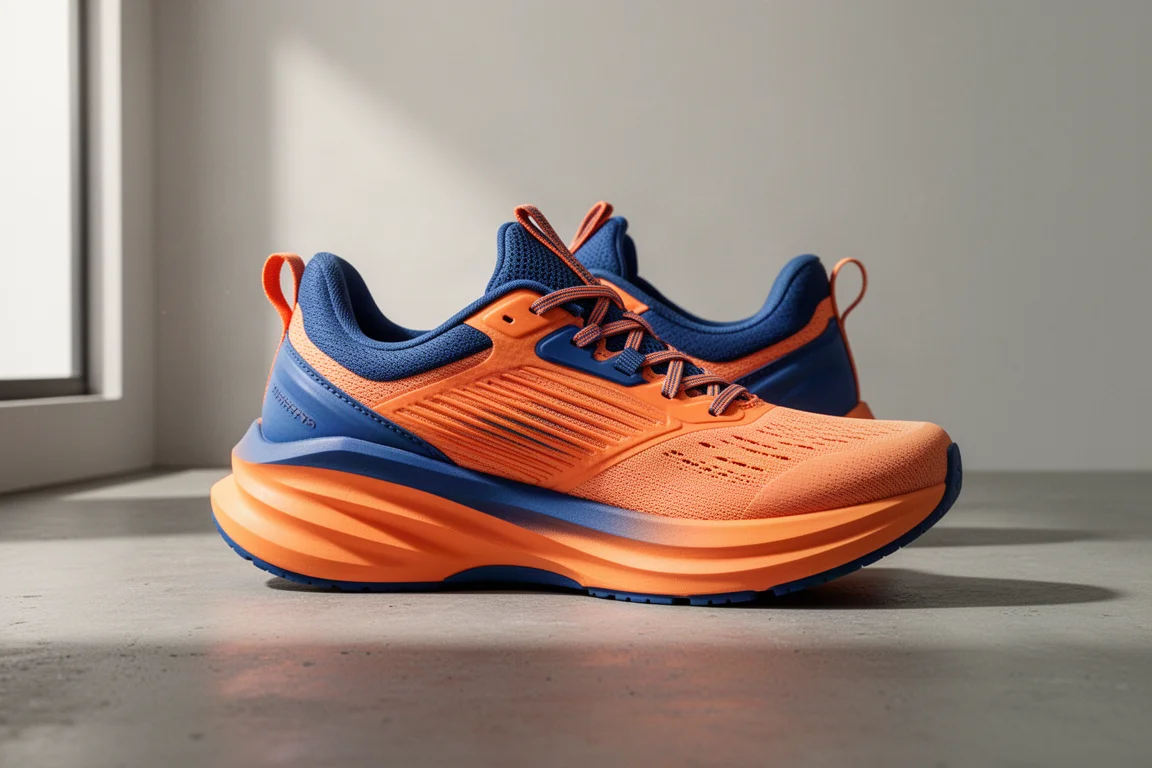
The Saucony Guide has historically been the stability twin of the Saucony Ride: a firm, planted daily trainer for runners who overpronate, with a little extra support built into the platform. With version 17, that relationship appears to be changing. The Guide 17 looks like a genuine departure, moving away from prescriptive stability elements and toward the inherent-stability approach that is popular across the market right now.
One thing worth flagging early: the design language of the Guide 17 has drawn criticism for how closely it mirrors the Hoka Bondi, from the sculpting of the midsole where it meets the ground, including the small cutouts on the outsole, to the colorway details and horizontal foam lines. If originality in design matters to you, this is a shoe you may want to see in person before committing.
What Changes in the Guide 17
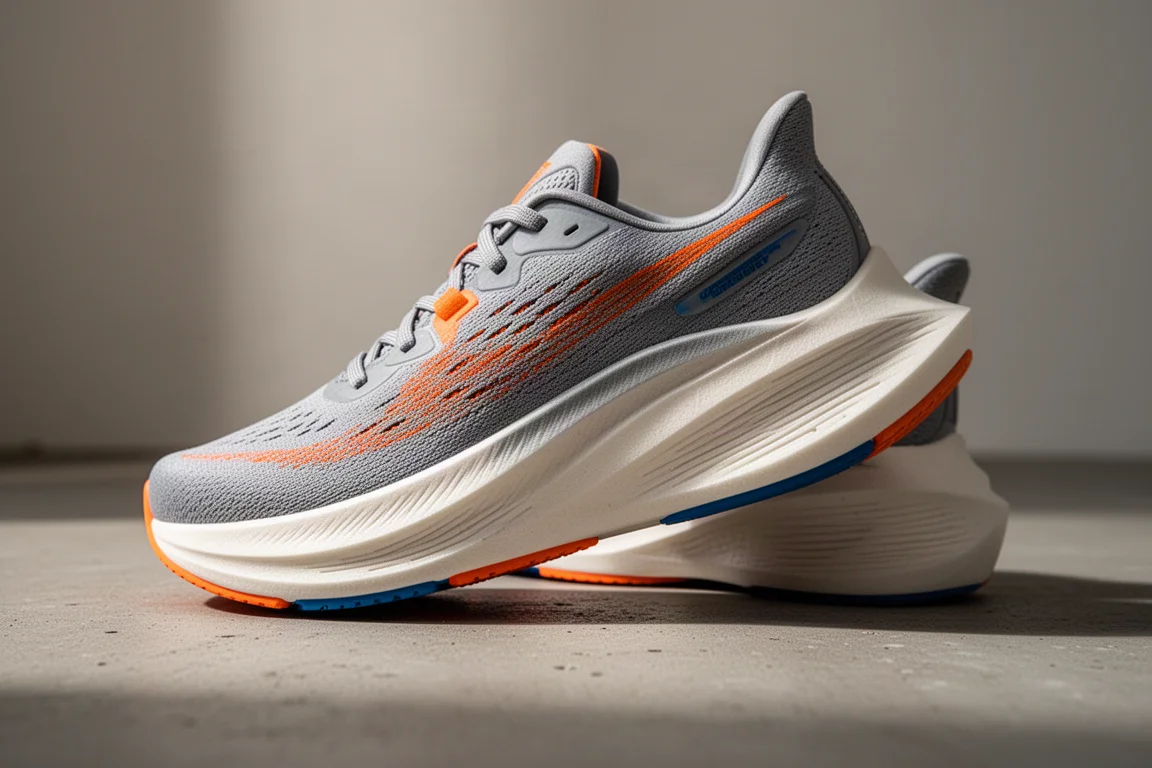
The current Guide shares its platform with the Ride, sitting at 35 mm in the heel and 27 mm in the forefoot for an 8 mm drop. The Guide 17 appears to increase the stack height a bit, pushing it toward the territory of the Saucony Endorphin Shift 3. The stability formula also evolves: instead of traditional medial posts or plastic elements, Saucony appears to be relying on inherent stability, raising the sidewalls in the heel area and widening the heel foam so the platform compresses and spreads on landing.
That same approach is what makes a shoe like the ASICS GEL-Nimbus 25 feel stable despite being a neutral max cushion trainer: a wide base does the work, with no medial post required. The Endorphin Shift 3 uses a similar idea with a plastic clip around the heel for mild extra support. The Guide 17 looks set to continue this evolution of the mild, inherent-stability daily trainer.
Midsole and Platform
Version 16 of the Guide uses PWRRUN, Saucony’s EVA-based foam also found in the Ride 16, the Kinvara and the Endorphin Shift 3. It is firmer and less bouncy than modern EVA blends, TPU or PEBA foams, but it is a dependable daily-training compound, and its firmness actually helps stability: bouncier foams tend to be less stable, so a firmer foam allows a taller stack while keeping the platform planted. The Guide 17 appears to keep a full-length bed of PWRRUN, with sculpting consistent with that EVA-based compound and a slightly raised stack.
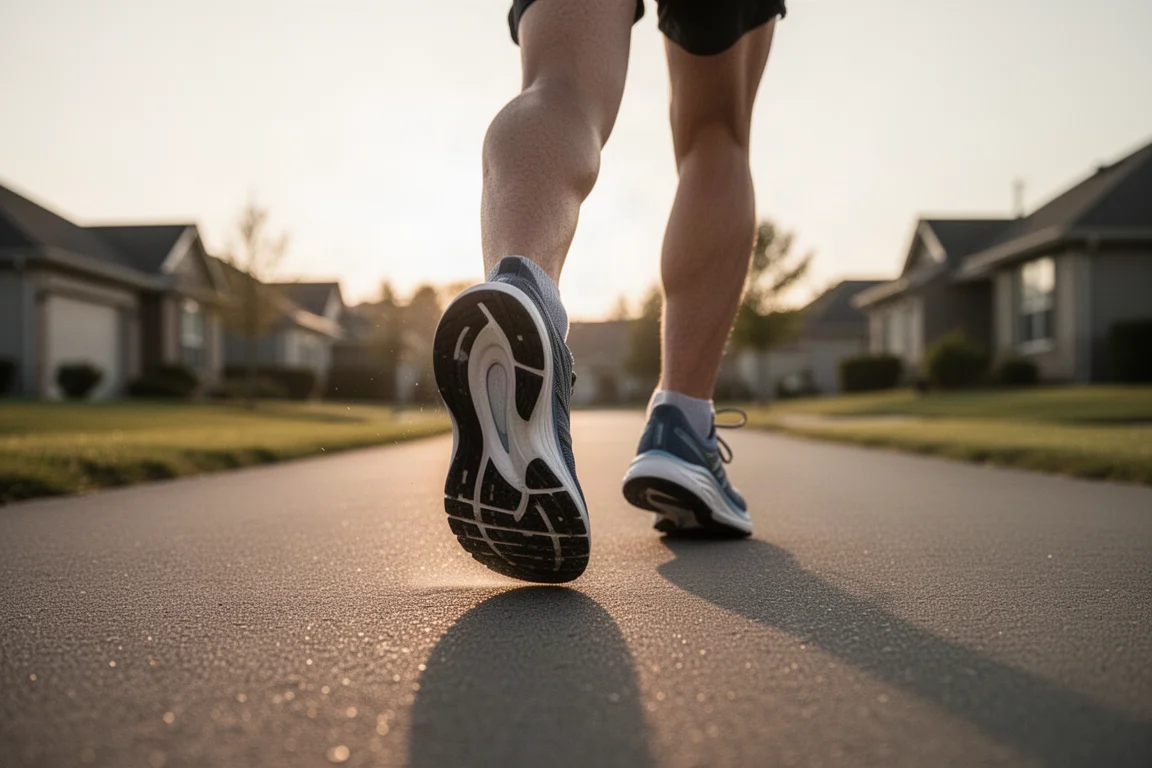
One open question is lineup overlap. If the Guide 17 becomes a taller, firmer, stable max cushion shoe, it risks cannibalizing the Endorphin Shift 3, which has rumors swirling about a possible cancellation as the Kinvara Pro takes on a similar role. That would be a loss for fans of the Shift, though a single unified firm, stable max cushion shoe in the lineup is an understandable strategy.
Upper, Fit and Weight
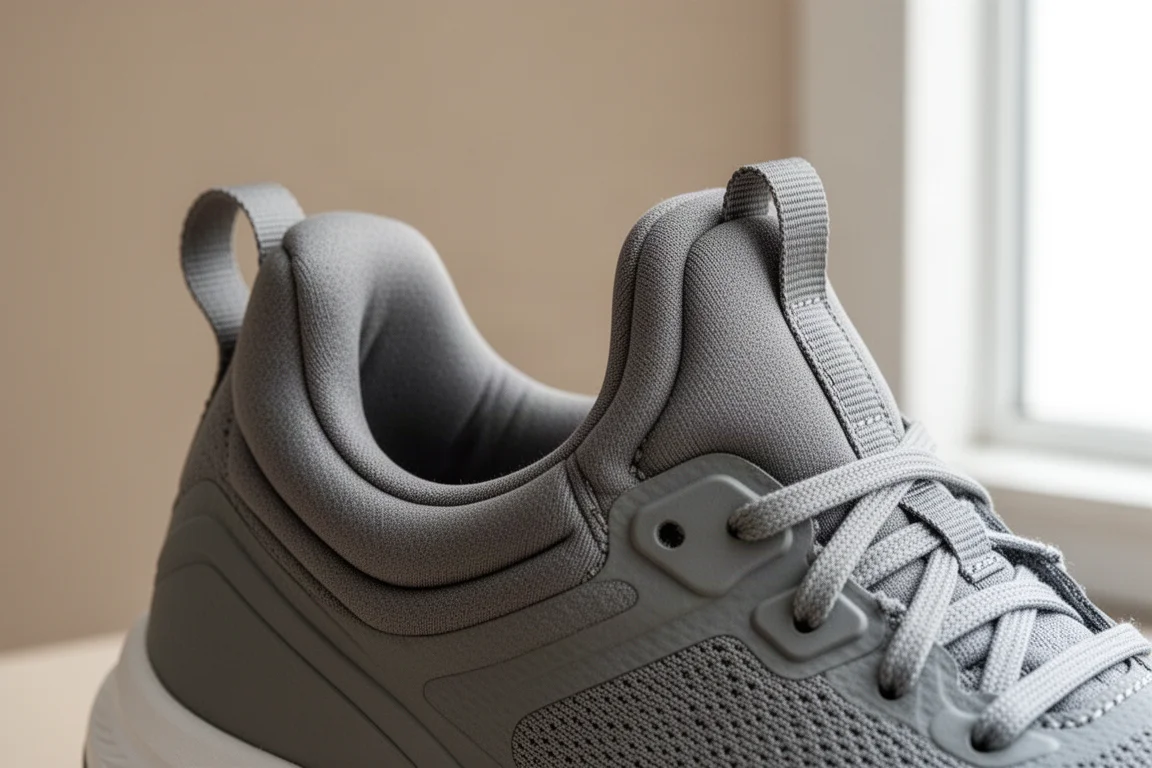
The upper looks to have a moderately padded heel collar, comfortable laces and what appears to be a padded tongue, all sensible for an everyday trainer and consistent with the shift toward a max cushion recovery category. The current Guide comes in at 8.8 oz, and with a taller stack of foam plus more padding, the Guide 17 will likely land around the 9 oz range. That extra weight is not a problem for this use case, since it buys comfort rather than speed.
Who the Guide 17 Is For
The positioning is shifting. Historically the Guide competed in the stable daily trainer category alongside shoes like the New Balance 860 and the Brooks GTS series. The Guide 17 looks headed for the max cushion, inherent-stability category instead, where the ASICS GEL-Nimbus and Kayano play, along with the New Balance More v4 and Hoka’s regular and stable variants.
That makes it appealing to neutral runners who want a bit more support on max cushion days, and to overpronating runners who need only mild support. It also looks like Saucony is targeting walkers and more casual runners with this more Bondi-like formula, broadening the Guide’s audience beyond tried-and-true running use.
Buying Advice
If you like inherent-stability max cushion shoes, are a neutral runner who wants extra support, or are a mild overpronator, the Guide 17 looks like a strong candidate. The current version retails at $140, and given the full redesign, a modest price increase is plausible, though details are still unconfirmed. If you prefer a more prescriptive stability shoe or want something distinctly different from the Hoka Bondi formula, compare it carefully against the New Balance 860, the Brooks GTS line, or the ASICS Kayano before deciding.
Conclusion
The Saucony Guide 17 marks a clear turning point for the series: away from the Ride’s shared platform and toward a taller, wider, inherently stable max cushion trainer. For the right runner, that is exactly the kind of shoe that slots into a rotation as a comfortable, supportive daily option. The main cautions are the derivative design and the potential overlap with the Endorphin Shift 3, both worth weighing before you buy.
Product link
View more details for Saucony Guide 17
This product is mentioned in the review. Check the specifications, options, and compatibility before buying.
View more details for Saucony Guide 17Further reading
Related Reviews

Running Shoes
Best Road-to-Trail Running Shoes: Three Versatile Options for Mixed Terrain
A practical guide to three road-to-trail running shoes that handle both pavement and mild trails, with clear strengths and trade-offs for different runner types.

Running Shoes
Best Running Shoes for Achilles Tendonitis: Three Options Explained
Three running shoes with different heel drops and support features designed to help reduce Achilles tendon pain during walking and running.

Running Shoes
Best Running Shoes for Women: Five Top Choices Ranked
A ranked guide to five women's running shoes, from versatile daily trainers to high-performance racing options, with real strengths and trade-offs for each.