Running Shoes
Saucony Guide 17 First Run Review: A Stable, Comfortable Workhorse
The Saucony Guide 17 brings Center Path technology, a wider platform and extra forefoot foam to the popular stability line. Here is how it performs on the first run.
Introduction
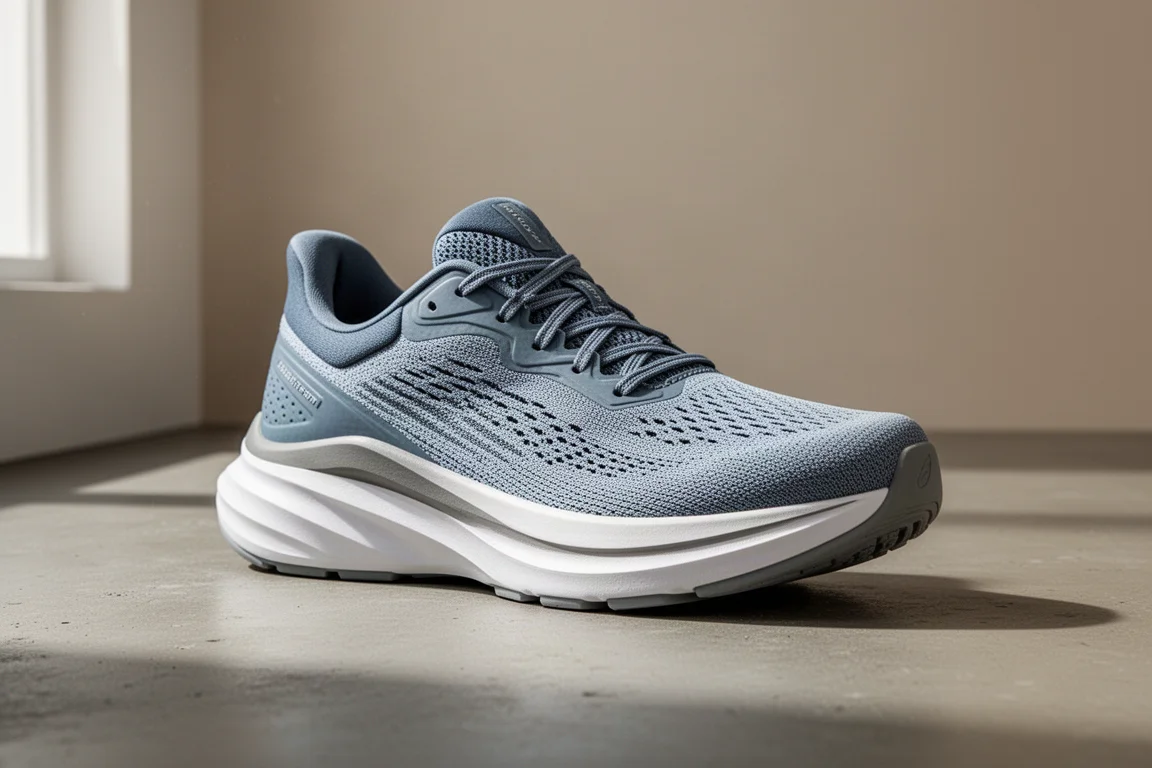
The Saucony Guide 17 continues one of the most popular lines in stability running shoes, and this generation arrives with one of the biggest overhauls the series has seen. Priced at £135 or $140, weighing 278g (9.8 oz) for men in a size 8, and with a 6mm drop, it positions itself as a well-priced option in a category where rivals keep getting more expensive.
We took it out for a first easy run in the middle of a high-mileage marathon training week, exactly the kind of run this shoe is built for. Here is how it held up.
What’s New in the Guide 17
Saucony is calling the update package Center Path technology. It includes a wider platform, higher sidewalls, and an updated asymmetric profile designed to hold the foot in a deeper position, nestling it between the two sidewalls without the need for supportive plastics or posts.
There is also an increased level of PWRRON midsole foam in the forefoot, which produces the new 6mm drop, plus a soft PWRRUN+ sock liner and strategically placed outsole rubber to protect the midsole and improve grip. The upper is new as well, making the shoe slightly roomier than its predecessors.
Fit and Comfort
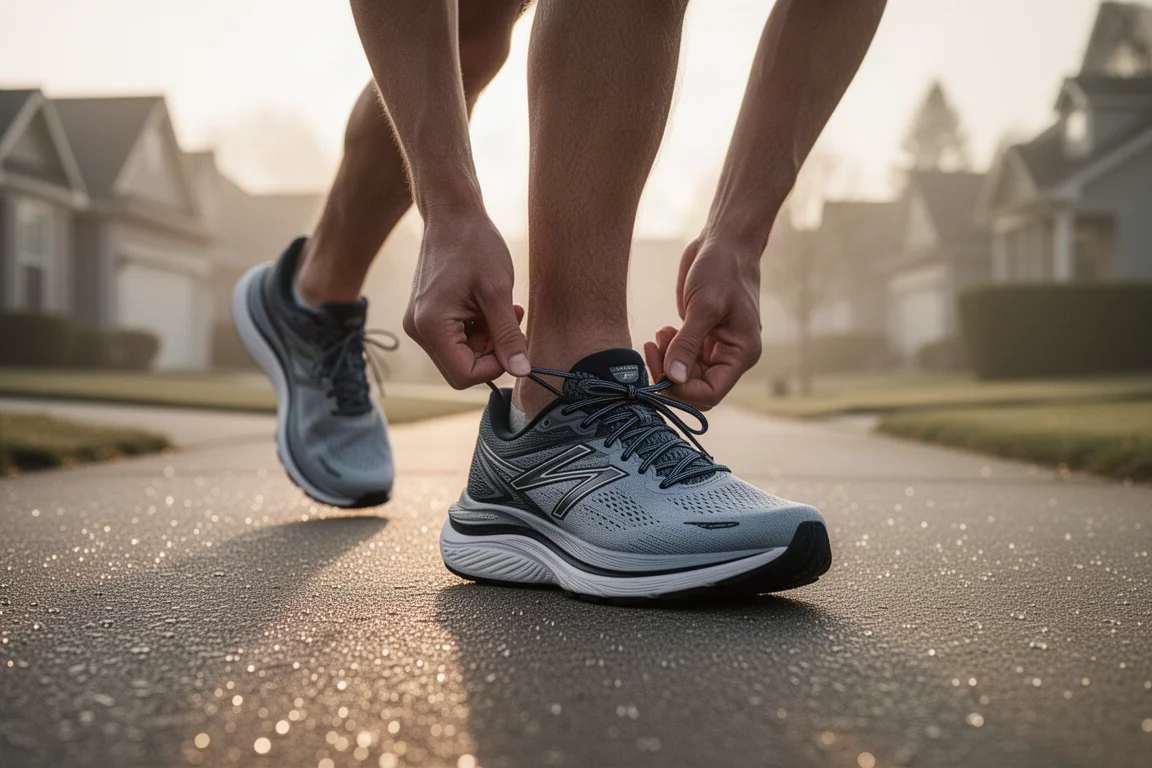
The fit tested out well in a normal running shoe size, consistent with the rest of the Saucony range. The toe box is roomy, the heel and collar are nicely padded, and hold around the heel and midfoot is solid, with no concerns in the standard size.
The roomier upper and more forgiving mesh give the shoe a bit more space than the previous version, which is good news for runners with wider feet. One tester did find it took some effort to dial in the lacing: on a 12K first run, the fit felt off by around 8K until the lacing was rearranged. That is worth knowing if your feet are on the narrower side, but the overall advice is to stick with your usual size.
Ride and Performance
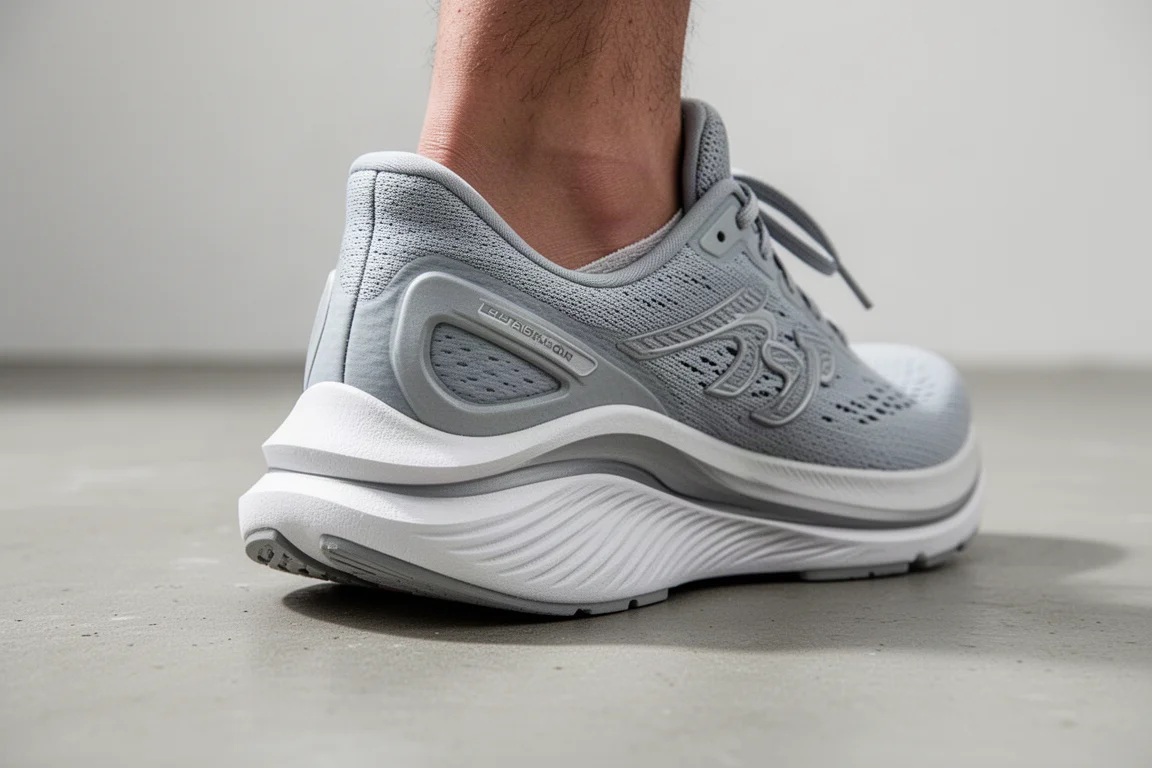
This is unmistakably a stability shoe, and a very stable one at that. The wide base and high sidewalls mean you can genuinely feel the foot being held firmly in place, with the supportive elements working on either side without classic medial posts. If you need a lot of stability, this shoe delivers it in spades.
The ride is comfortable and solid rather than soft and squishy. There is a rocker in the design and it rolls through the footstrike quite smoothly for what is a big, tank-like shoe with a huge base, running a little lighter than its size and weight suggest. As an easy run and recovery run option in high-mileage weeks, it does the job very well.

The trade-off is versatility. The midsole feels firmer than earlier versions, the changed drop alters the ride, and the shoe did not feel conducive to picking up the pace. It sits firmly in the world of fully supportive stability shoes like the ASICS Gel-Kayano, rather than the more subtle, versatile end of the category like the Saucony Tempus. If you want a shoe for tempo work or faster training, this is not it. For easy miles, it is a pleasant, fluid companion.
Outsole and Grip
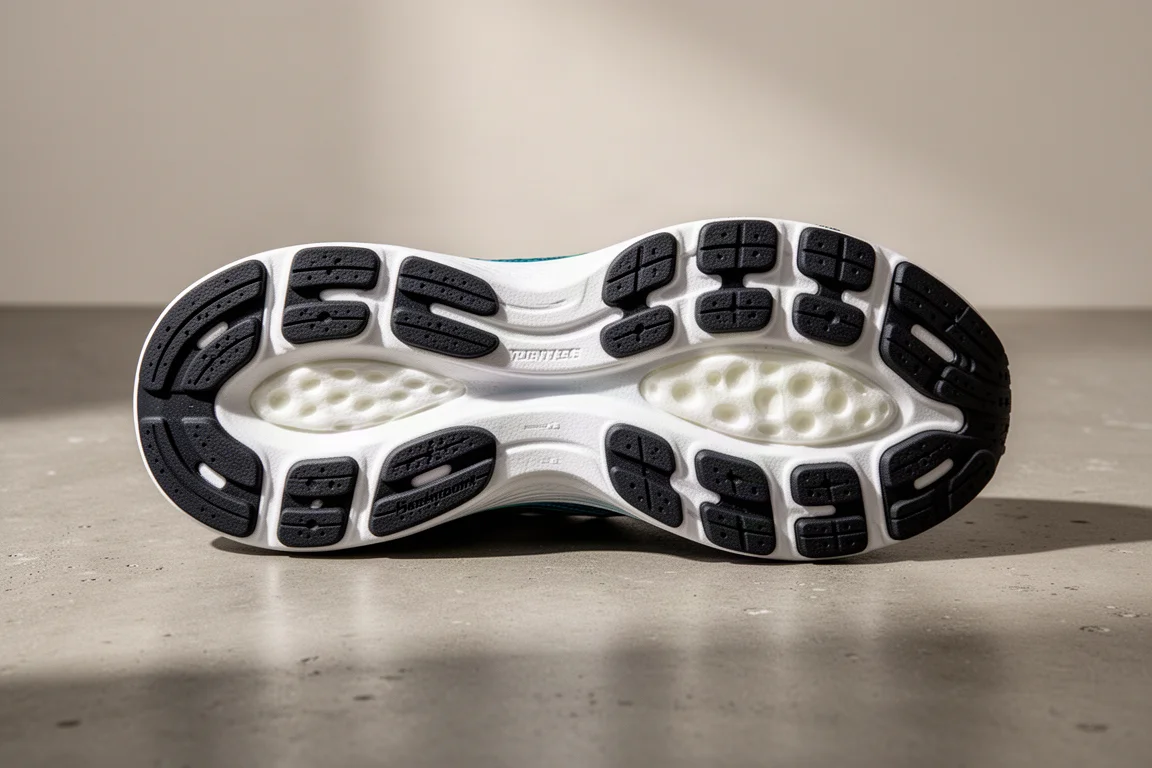
The outsole is a slightly unusual arrangement: rubber around the front of the arch and a little at the back, with the rest of the midsole foam exposed. The midsole itself feels sturdy, so durability will likely be decent, but the exposed sections and relatively smooth rubber mean grip may not be a strong point. On a dry first run there were no issues, but wet-weather traction is something to keep an eye on.
Buying Advice
The Guide 17 makes sense as a dedicated easy run and recovery run shoe, ideally in a rotation alongside something lighter and more versatile for workouts and faster sessions, such as the Saucony Tempus. It works for runners who always use stability shoes to counter overpronation, and also for neutral runners who simply want extra support and cushioning during high-mileage marathon training.
It is not a shoe that will blow you away, but it is a solid workhorse. The stability features provide support without being overbearing, and the price undercuts premium stability rivals like the ASICS Gel-Kayano, bringing a higher level of cushioning and design to a mid-level price point. That makes it good value.
Conclusion
The Saucony Guide 17 is a strong option for stability seekers who want a big cushioned shoe that is supportive without feeling wobbly. It is very comfortable, genuinely stable, and rolls smoothly through easy miles, but it has grown bigger and less versatile than previous versions, so reserve it for easy and recovery runs rather than expecting an all-rounder. If steady, supported miles are what you need, it does that job well.
Product link
View more details for Saucony Guide 17
This product is mentioned in the review. Check the specifications, options, and compatibility before buying.
View more details for Saucony Guide 17Further reading
Related Reviews

Running Shoes
Best Road-to-Trail Running Shoes: Three Versatile Options for Mixed Terrain
A practical guide to three road-to-trail running shoes that handle both pavement and mild trails, with clear strengths and trade-offs for different runner types.

Running Shoes
Best Running Shoes for Achilles Tendonitis: Three Options Explained
Three running shoes with different heel drops and support features designed to help reduce Achilles tendon pain during walking and running.

Running Shoes
Best Running Shoes for Women: Five Top Choices Ranked
A ranked guide to five women's running shoes, from versatile daily trainers to high-performance racing options, with real strengths and trade-offs for each.