Running Shoes
Saucony Guide 17: A 100-Mile Review of the Redesigned Stability Trainer
After 100+ miles, the redesigned Saucony Guide 17 proves a major departure from its predecessor: softer, rockered, and guided by sidewalls instead of a plastic medial post.
Introduction
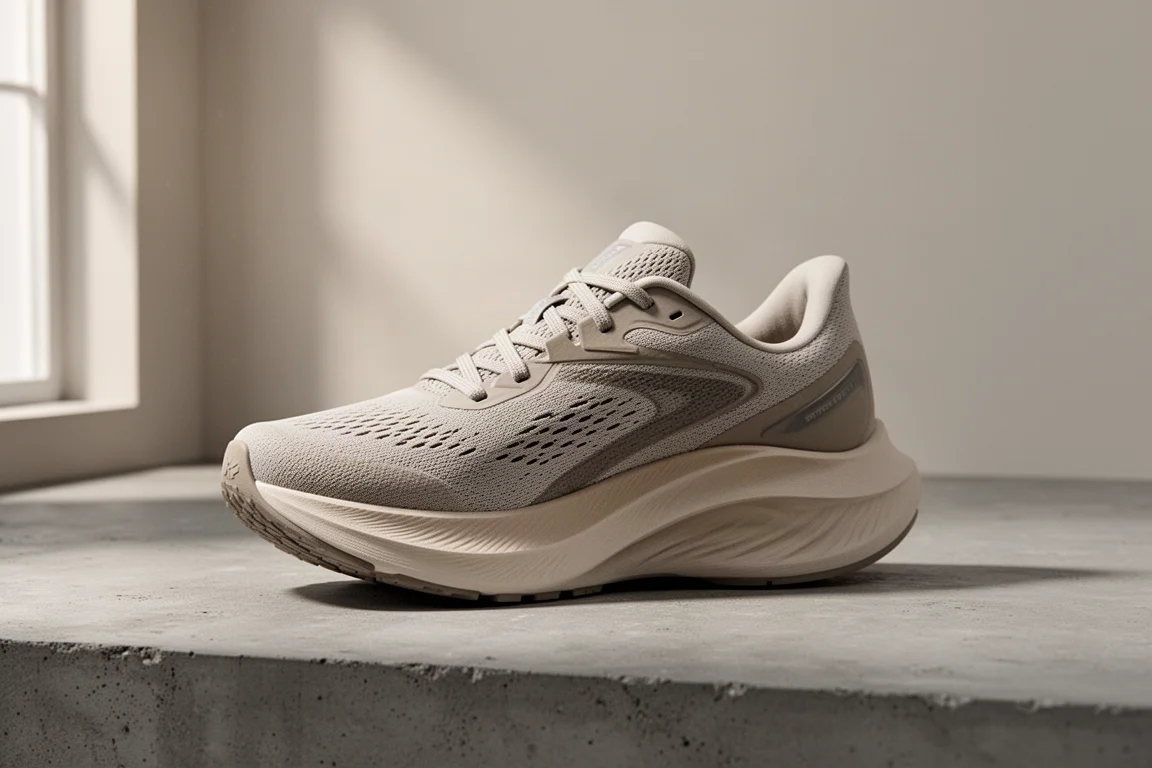
The Saucony Guide 17 is a genuinely big departure from the Guide series that came before it. For years, the Guide was Saucony’s standard stability daily trainer, built around a firmer ride and a medial post, that familiar plastic arch piece designed to push the foot away from excessive inward motion. The Guide 17 throws out that formula entirely. After 100-plus miles in the shoe, this is how it has held up, who it suits, and what you should know before buying.
Specs at a Glance
In a men’s size 9, the Guide 17 weighs 9.4 oz, and 8.1 oz in a men’s size 8. The heel measures 35 mm with a 29 mm forefoot, giving a 6 mm drop. That is a touch lower than the previous version’s 8 mm drop, with a little more foam under the forefoot. The midsole remains full-length PWRRUN foam, while the insole is PWRRUN Plus, so anyone who likes swapping insoles should know Saucony puts real effort into the stock one, making it more responsive and tailored for a nice step-in feel.
What Changed in the Guide 17
The headline changes are the new midsole shaping, the removal of the medial post, and a complete overall redesign. The previous Guide 16 was firm and snappy underfoot, and that plastic piece was so prevalent that many runners preferred the neutral Ride 16 instead. The Guide 17 changes that dynamic completely: it is much softer than before, and it now shares the line with the Ride 17 as a distinctly stability-focused option rather than a near-twin.
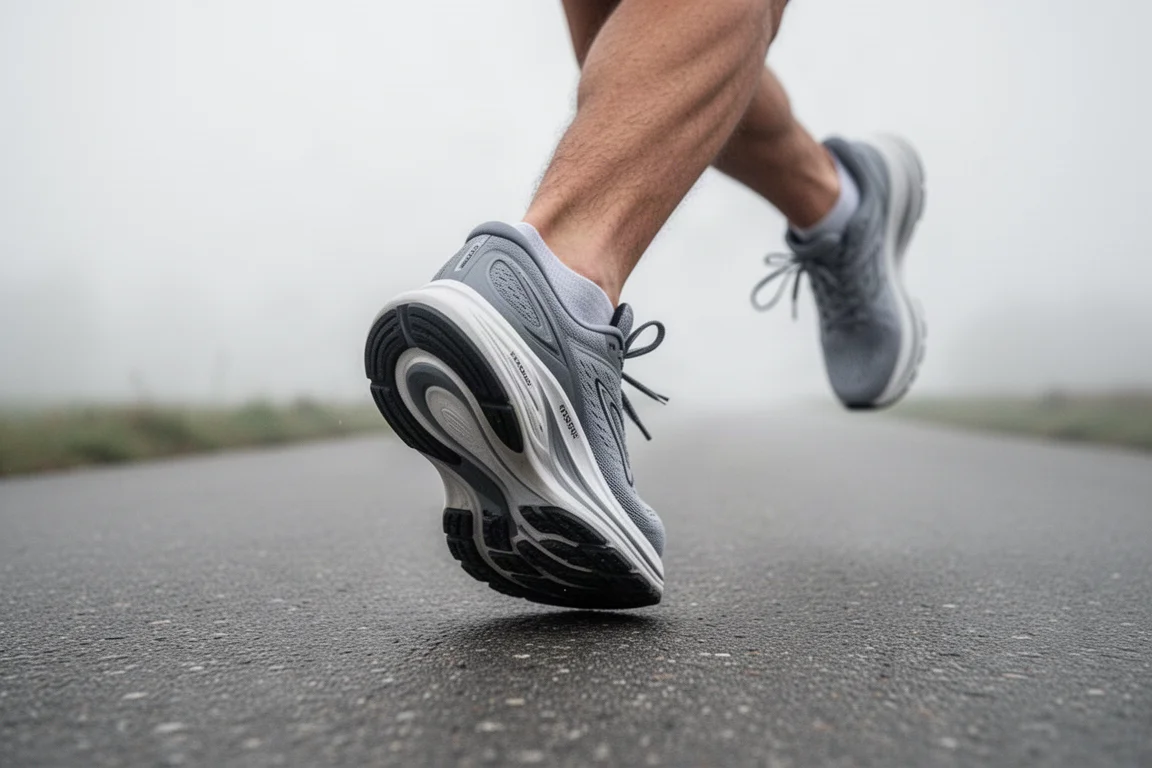
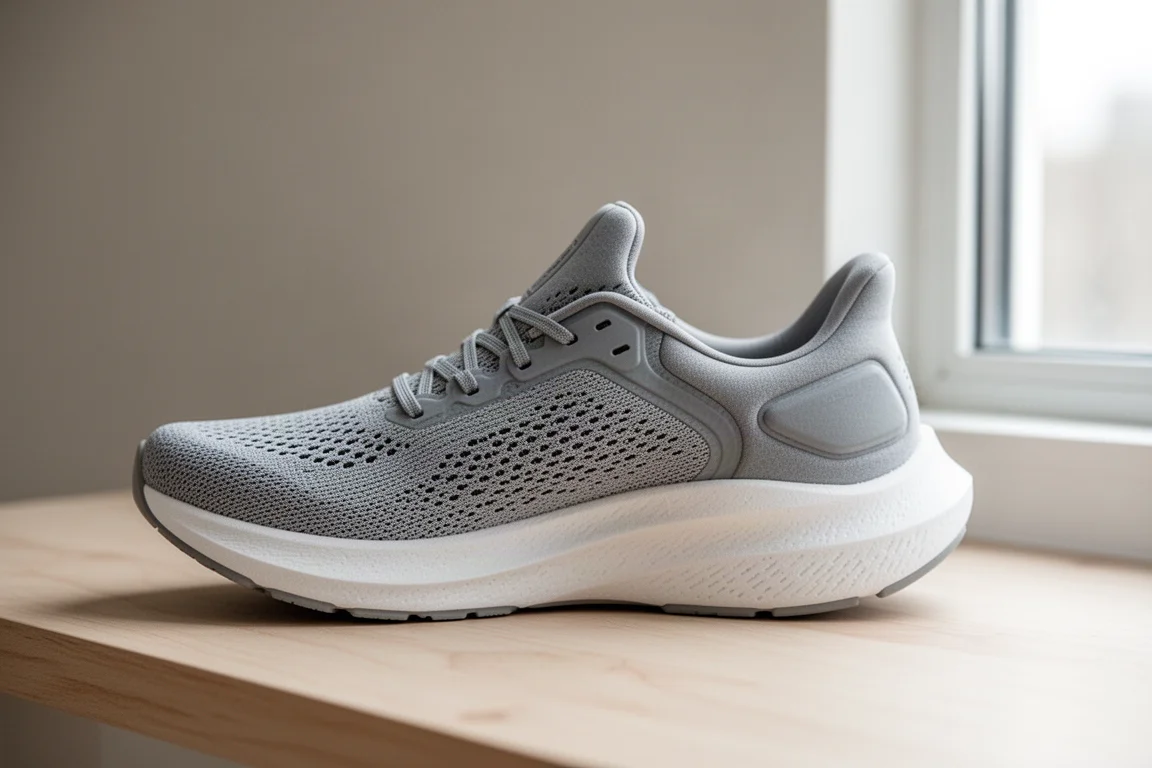
The most immediately noticeable change is the rocker. It is far more massive than in the previous version, and it is apparent the second you put the shoe on. Even though the heel stack height is similar, the shoe feels a bit higher off the ground because the sidewalls on both the medial and lateral sides are more prominent. The goal of this Center Path approach is to bring you back to the middle and get you rolling forward, which is exactly what running asks of you. The rocker remains noticeable throughout the shoe’s life, softening just slightly as it breaks in but never disappearing.
How the Ride Feels After 100 Miles
Instead of a plastic piece pushing laterally, the Guide 17 uses sidewalls on both the medial and lateral sides to keep you centered and then guide you forward. That guiding sensation is genuinely apparent while running. The heel bevel is angled fairly centrally, with a slight medial bias, and there is a good amount of buildup in what becomes a crash pad. On first wear, that can feel a little uncomfortable if you are used to going lateral, but the shoe only needs about 10 miles to break in. Once it does, the crash pad becomes a genuinely nice landing zone that cushions the heel strike, and remarkably, the shoe breaks into your mechanics without exacerbating them, pulling you toward the middle as the miles accumulate.
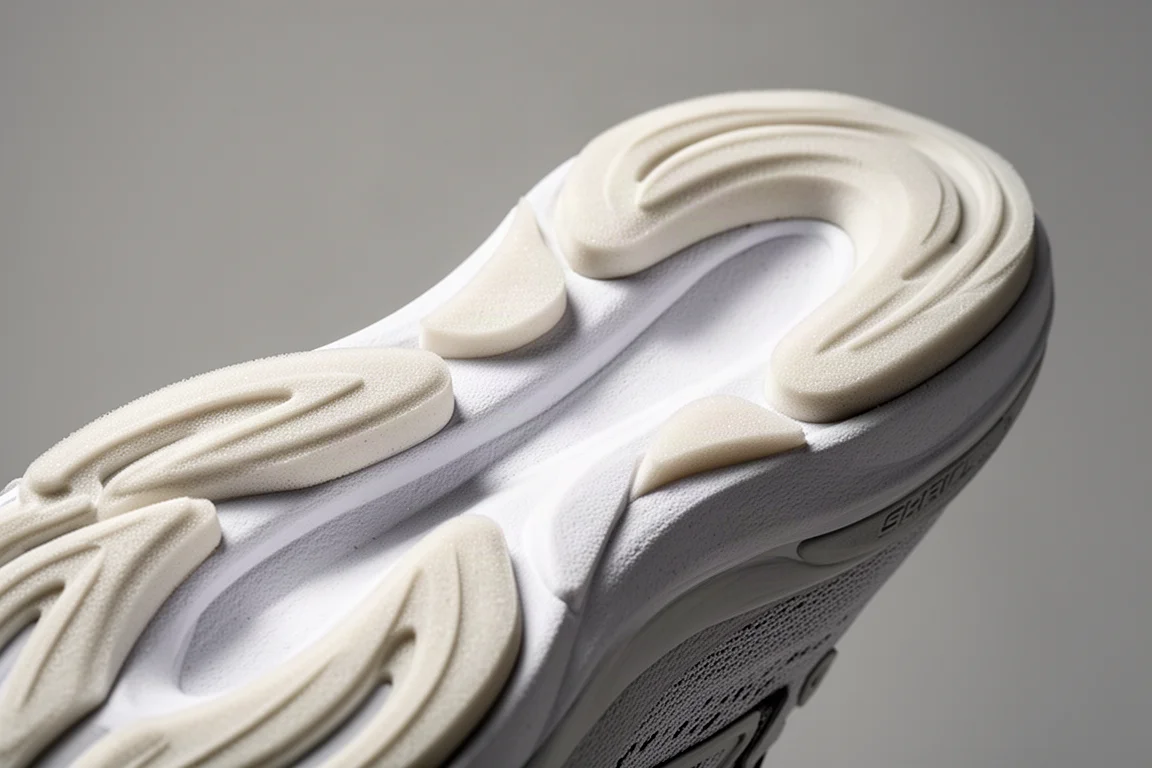
Even without a post or plastic shank, there is still pressure along the medial side of the foot, including into the forefoot, where a good sidewall remains. Runners who like that medial arch sensation will still feel it through the entire life of the shoe, just far less aggressively than the plastic shank of the previous version. And because the design works from both sides, the shoe never pushes you too far in either direction. It simply keeps trying to return you to the center, which feels steadier than the old push-away approach.
The foam feels softer than the Guide 16 but retains a touch of firmness relative to the Ride 17. It is not especially bouncy, and that seems intentional: a very bouncy ride can become unstable, while this shoe feels like a rolling, rockered ride that stays planted. There is plenty of cushioning, which makes it excellent for easy runs and long runs, the kind of shoe you reach for when you want something dependable. It also rolls along nicely for walking, and it served well on long airport days, though it is worth noting that extensive walking in your running shoes will wear them out faster.
Durability and Outsole Wear
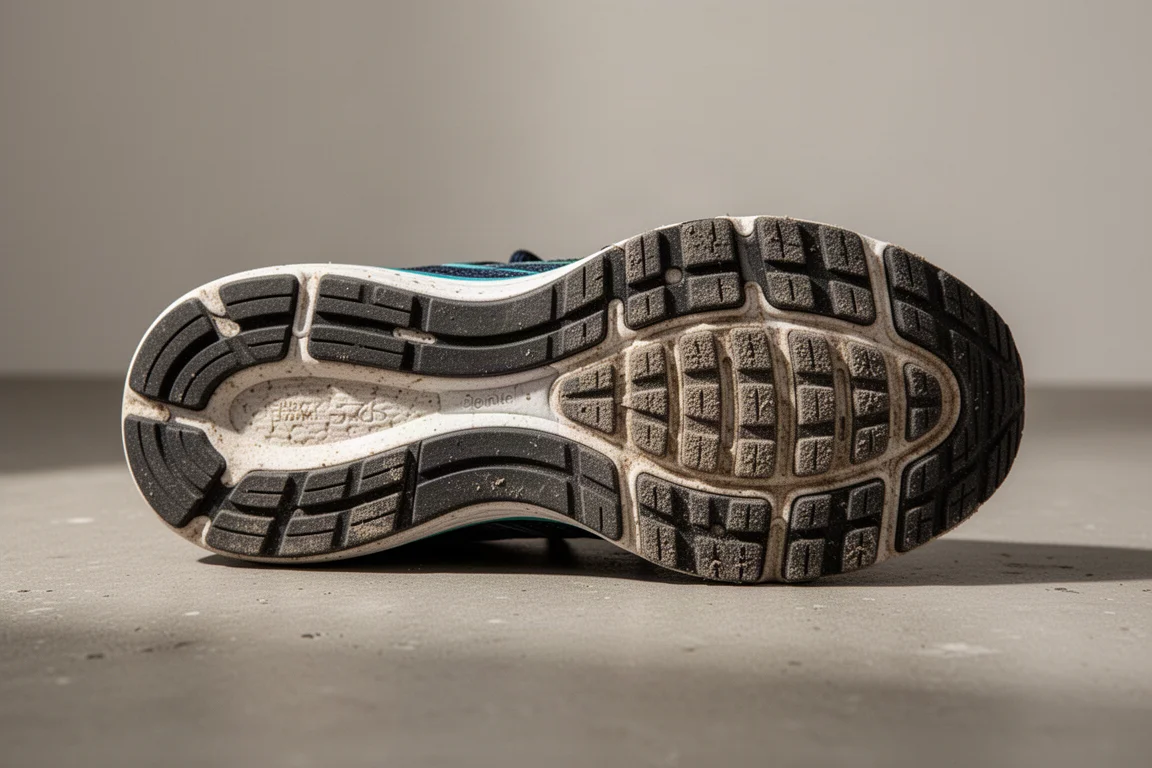
After 104 miles, the outsole remains intact with no breakthrough, just fairly normal wear, arguably less than expected at that mileage. The PWRRUN foam has held its character the entire time, feeling consistent from the first run to the hundredth. The expectation is a standard lifespan, perhaps slightly better, making this a reliable shoe for stacking daily miles and long runs.
Upper Fit and Comfort
The upper has changed substantially too. The previous version ran slightly snug, and the Guide 17 opens things up both in volume and slightly in width. There is just enough room for everything to feel comfortable without feeling like the foot is swimming. The tongue is gusseted and never caused any issues, and the heel counter is somewhat flexible with plenty of cushioning in the heel collar. Sensitive wearers might notice the heel counter during break-in, but it never caused any discomfort. The upper simply disappears on the foot, which is exactly what you want from a daily trainer.
Who Should Buy the Guide 17
This shoe makes a lot of sense for a few types of runners. If the plastic shank or midfoot post of the previous Guide did not work for you, but you still want a guided, centered ride, this is a great option. It is also worth considering if you want a rocker shoe with a relatively lower drop. And if you are not sure whether you supinate or pronate, but simply want something a bit more stable that keeps you in the middle, the Guide 17 delivers that in line with current thinking on preferred motion paths: not forcing you into an extreme, just gently bringing you back to center.
Conclusion
After 100-plus miles, the Saucony Guide 17 stands as a successful reinvention of the stability daily trainer. It trades the old plastic medial post for sidewalls and a rockered ride that guides rather than pushes, softens the firm ride of the Guide 16, opens up the upper, and holds up well against wear. It takes a short break-in period, but once settled, it is a dependable, comfortable shoe for easy miles and long runs alike, and a strong pick for anyone who wants gentle stability without the old-school hardware.
Product link
View more details for Saucony Guide 17
This product is mentioned in the review. Check the specifications, options, and compatibility before buying.
View more details for Saucony Guide 17Further reading
Related Reviews

Running Shoes
Best Road-to-Trail Running Shoes: Three Versatile Options for Mixed Terrain
A practical guide to three road-to-trail running shoes that handle both pavement and mild trails, with clear strengths and trade-offs for different runner types.

Running Shoes
Best Running Shoes for Achilles Tendonitis: Three Options Explained
Three running shoes with different heel drops and support features designed to help reduce Achilles tendon pain during walking and running.

Running Shoes
Best Running Shoes for Women: Five Top Choices Ranked
A ranked guide to five women's running shoes, from versatile daily trainers to high-performance racing options, with real strengths and trade-offs for each.