Running Shoes
Saucony Guide 16 vs Guide 15: A Mild Stability Shoe With Minor Updates
The Guide 16 refines rather than reinvents Saucony's mild-to-moderate stability trainer. Here is how it compares with the Guide 15 and who should buy which.
Introduction
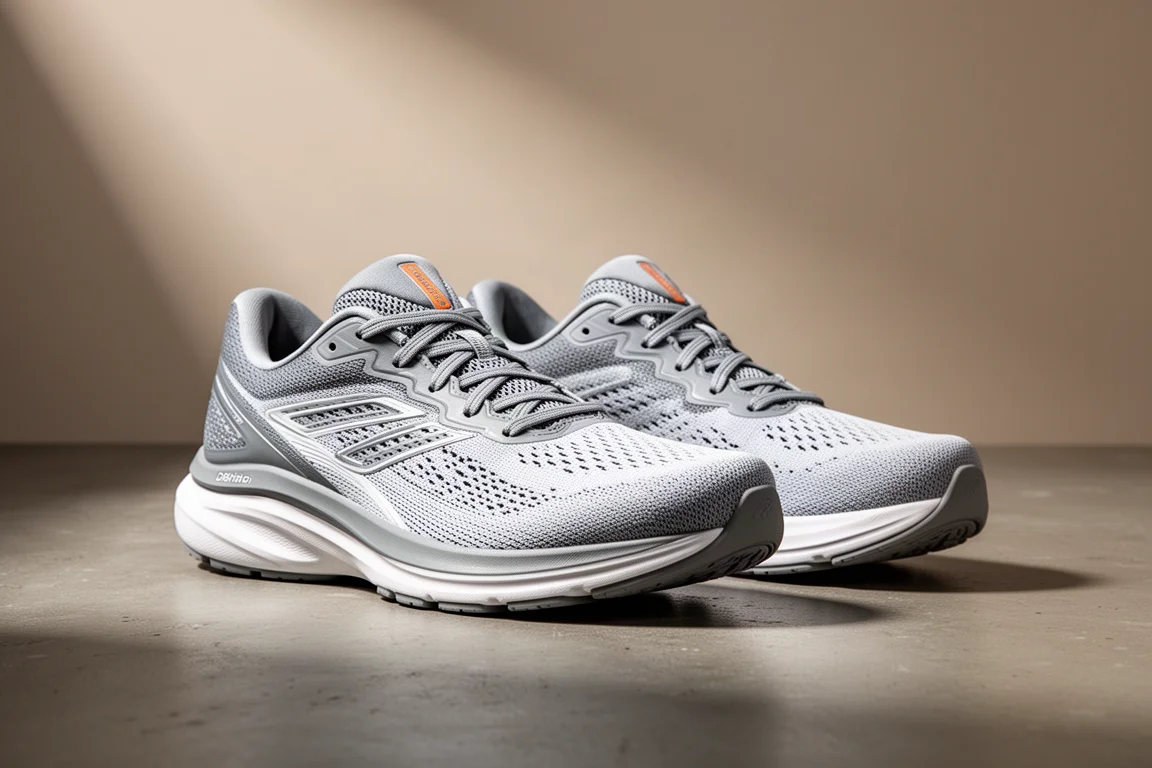
The Saucony Guide 16 is a mild-to-moderate stability running shoe built for daily training, and the headline here is continuity rather than revolution. It keeps the same core formula as the Guide 15: an eight millimeter drop, 35 millimeters of foam at the heel, 27 millimeters at the forefoot, and a guidance system that works quietly in the background rather than shouting for attention.
If you already own the Guide 15, the more interesting question is whether the updates justify an upgrade. After breaking down the changes and the ride, the short answer for most people is probably not. But for runners entering the stability category fresh, there is plenty to like in this version.
Saucony Guide 16: What’s New
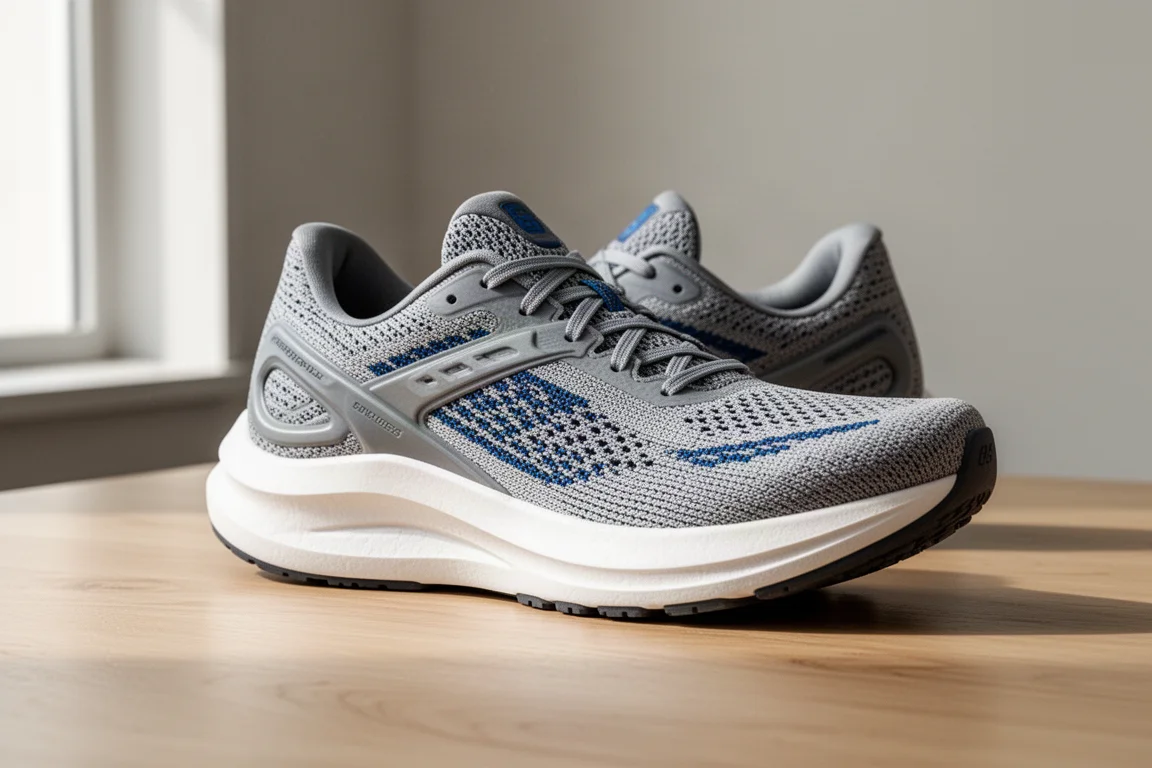
The changes live mainly in the upper. Saucony has moved to a slightly more stretchy, more breathable material with a touch more room up front in the toes, and the tongue is a bit more padded for comfort across the top of the foot. The UK size 8 weighs in at 263 grams, a small drop from the 268 grams of the Guide 15.
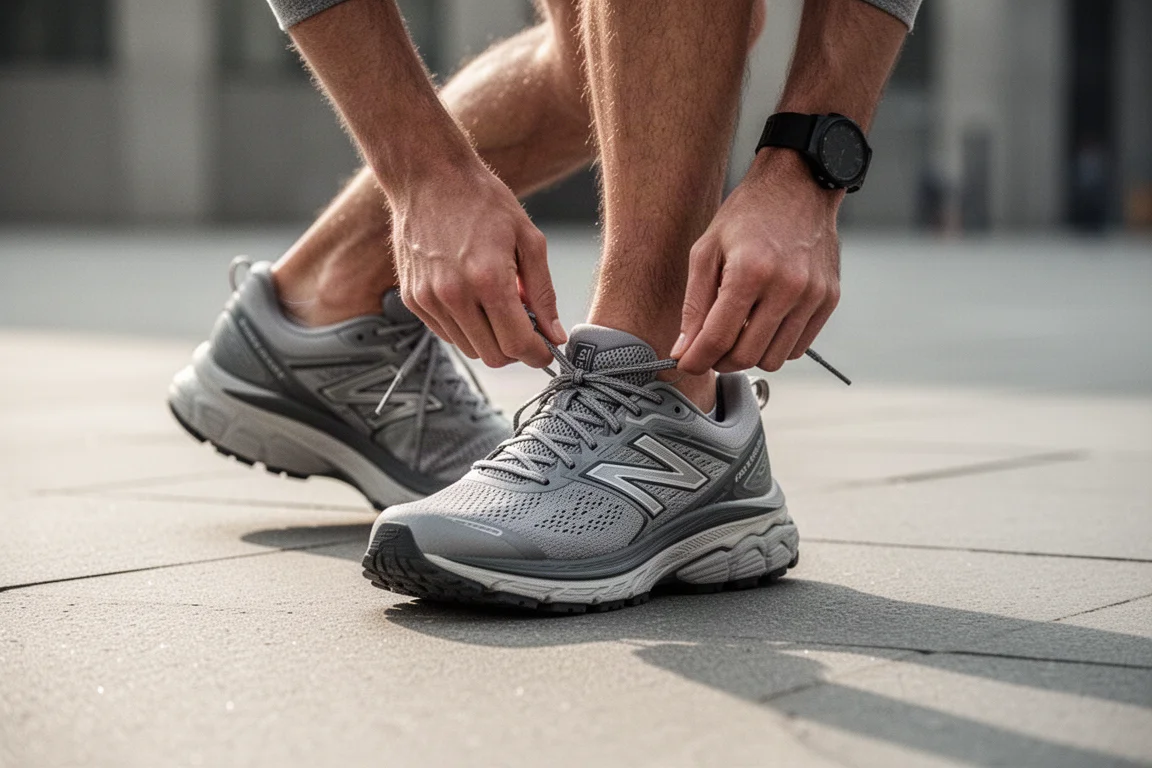
Underfoot, the platform is unchanged: PWRRUN foam delivers a soft-but-firm cushioned feel, and a new, fuller-length PWRRUN+ sockliner adds a slightly softer landing inside the shoe. The guidance comes from the HOLLOW-TECH system plus sidewalls at the forefoot and heel, which keep the foot in place without the intrusive plastic-post feel of older stability designs. Fit runs true to size for most testers, though a couple found the toe box and heel on the wide side, so slim-footed runners may want to try before buying.
Saucony Guide 16: How It Rides
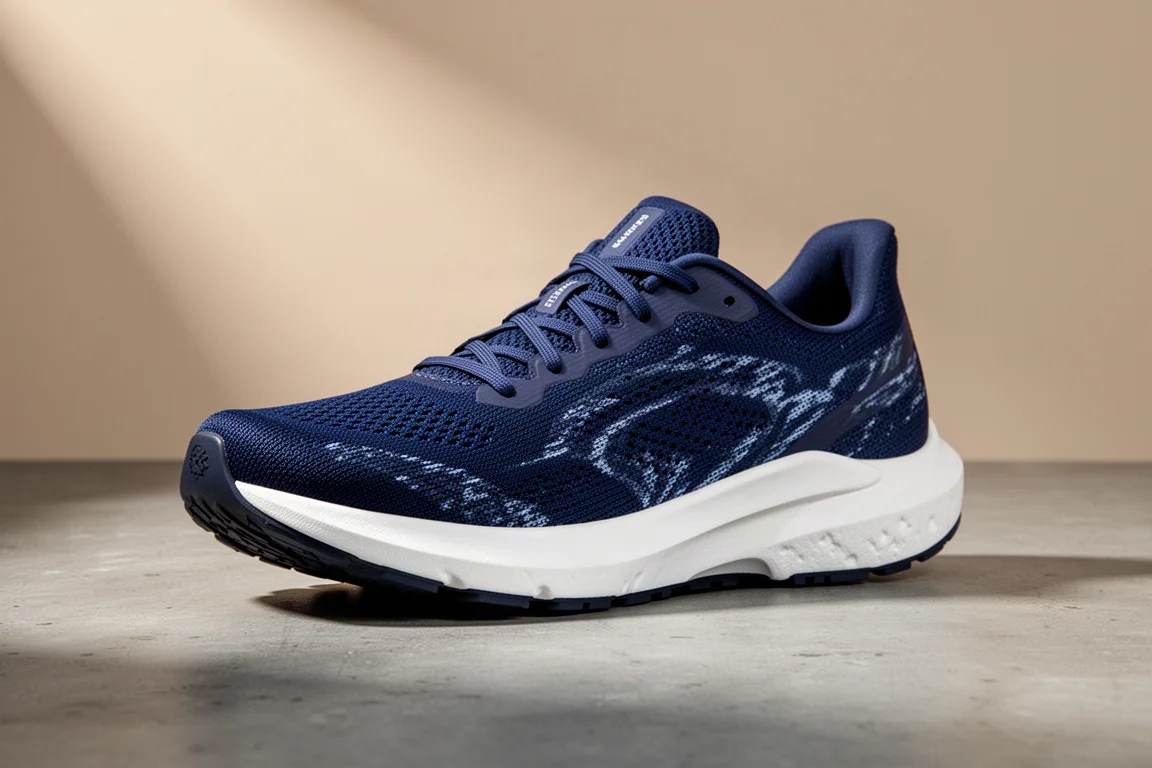
On the run, this is a firmer, responsive shoe rather than a plush one. If you have been rotating max-cushion trainers, you will not sink into this foam, but the flip side is a stable platform that feels snappy when you pick the pace up a little. It is not the shoe for hard interval sessions or all-out speedwork, though. Once testers pushed toward faster paces late in a tempo session, the Guide 16 made clear it would rather be doing easy miles.

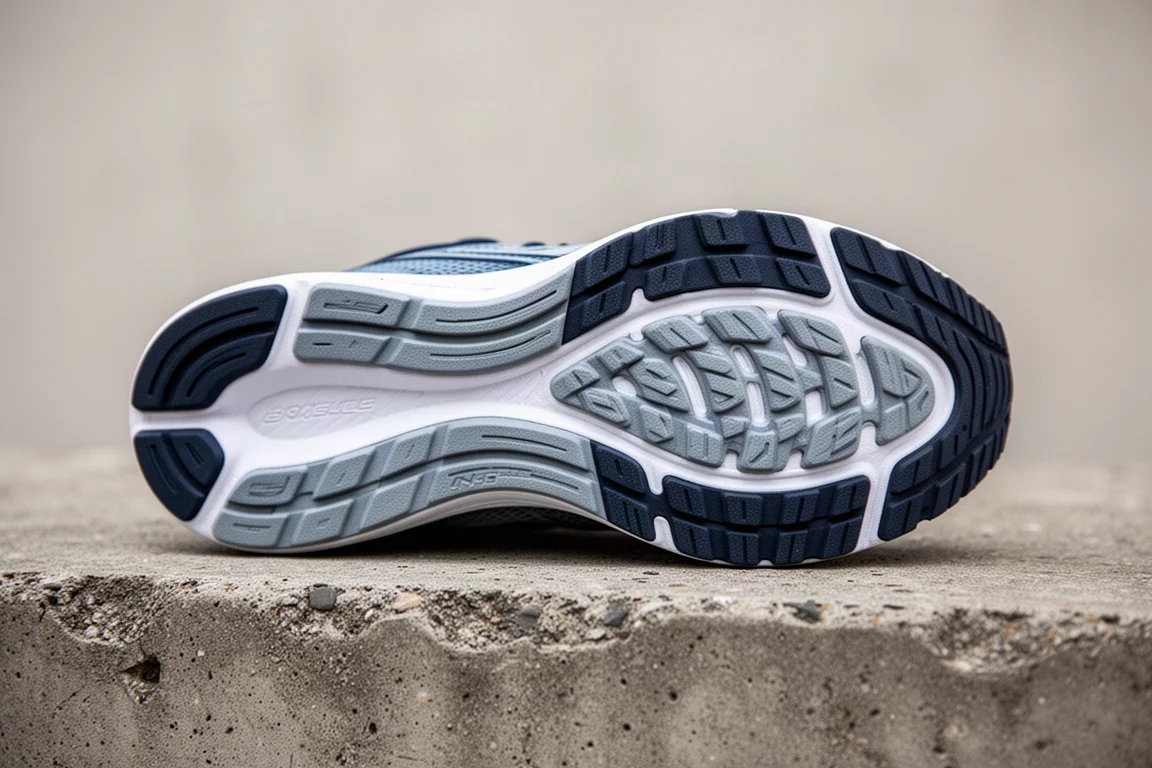
The support elements deserve a specific mention because they are impressively subtle. Even neutral runners who rarely wear stability shoes reported that the guidance was barely noticeable, with no aggressive wrapping or pressure under the arch. The shoe simply felt stable and locked-in, which is exactly what a mild stability trainer should do. The outsole carries over the same tread pattern as the Guide 15, so grip and durability should be much the same on pavement and road.
Saucony Guide 15: Still Worth Buying?
If the Guide 16 is a minor refresh, the Guide 15 remains a very close substitute. The midsole foam is the same PWRRUN compound, the drop and stack heights are identical, and the outsole is nearly identical too. In side-by-side wear, the main differences testers noticed were the slightly stretchier upper and a touch more toe-box room on the 16, plus the more padded tongue.
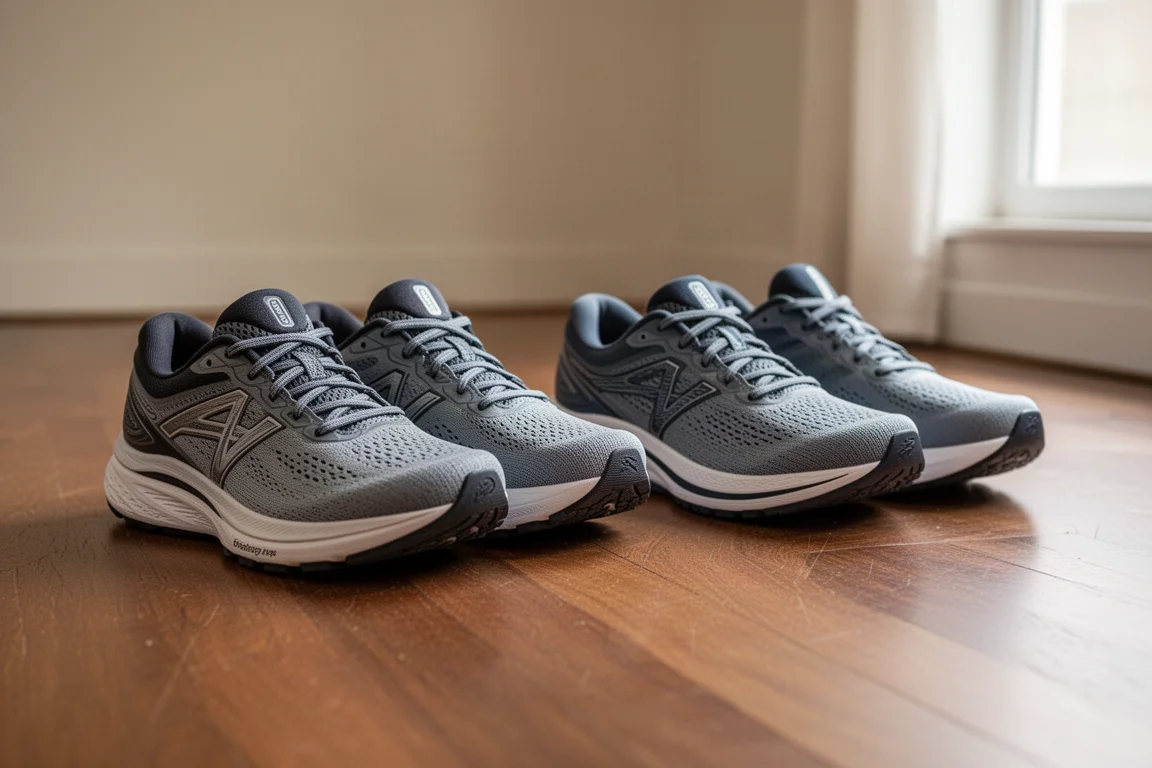
The ride feel is described as very similar between the two, with the newer sockliner giving the Guide 16 a marginally softer sensation underfoot. That is the honest extent of the upgrade: a slightly plusher interior and a small weight saving. Neither change fundamentally alters how the shoe runs, which is why the Guide 15, now available at noticeably lower prices, still makes compelling sense.
Which Should You Buy?
For everyday easy miles and daily training with the occasional uptempo run, the Guide 16 delivers exactly what a mild-to-moderate stability shoe should: a firm, stable ride, subtle guidance, and all-day comfort. It sits well alongside alternatives like the New Balance 860 v13, which has a tougher outsole and a comparably nice ride but feels a bit heavier, and Saucony’s own Tempus, which uses a dual-density midsole for a more versatile, quicker feel at a higher price.
If you can find the Guide 15 at a discount, it is hard to argue the improvements are large enough to pay full price for the 16. If you are buying your first stability shoe, however, starting on the current version with its slightly softer interior and more breathable upper is a reasonable place to land.
Conclusion
The Saucony Guide 16 is a solid, competent daily stability trainer with genuinely subtle support and a firm-but-responsive ride. It is not groundbreaking, and it is not a big leap over the Guide 15, but it does its job quietly and comfortably. Buy the 16 if you want the newest version and value the small comfort refinements; hunt down the Guide 15 if you want the same experience for less.
Further reading
Related Reviews

Running Shoes
Best Road-to-Trail Running Shoes: Three Versatile Options for Mixed Terrain
A practical guide to three road-to-trail running shoes that handle both pavement and mild trails, with clear strengths and trade-offs for different runner types.

Running Shoes
Best Running Shoes for Achilles Tendonitis: Three Options Explained
Three running shoes with different heel drops and support features designed to help reduce Achilles tendon pain during walking and running.

Running Shoes
Best Running Shoes for Women: Five Top Choices Ranked
A ranked guide to five women's running shoes, from versatile daily trainers to high-performance racing options, with real strengths and trade-offs for each.