Running Shoes
Saucony Guide 15 vs Saucony Tempus: Stability Road Running Shoes Compared
Two stability-friendly Saucony trainers go head to head. We compare lockdown, ride, comfort, fit, durability, and price to help you pick the right one.
Introduction
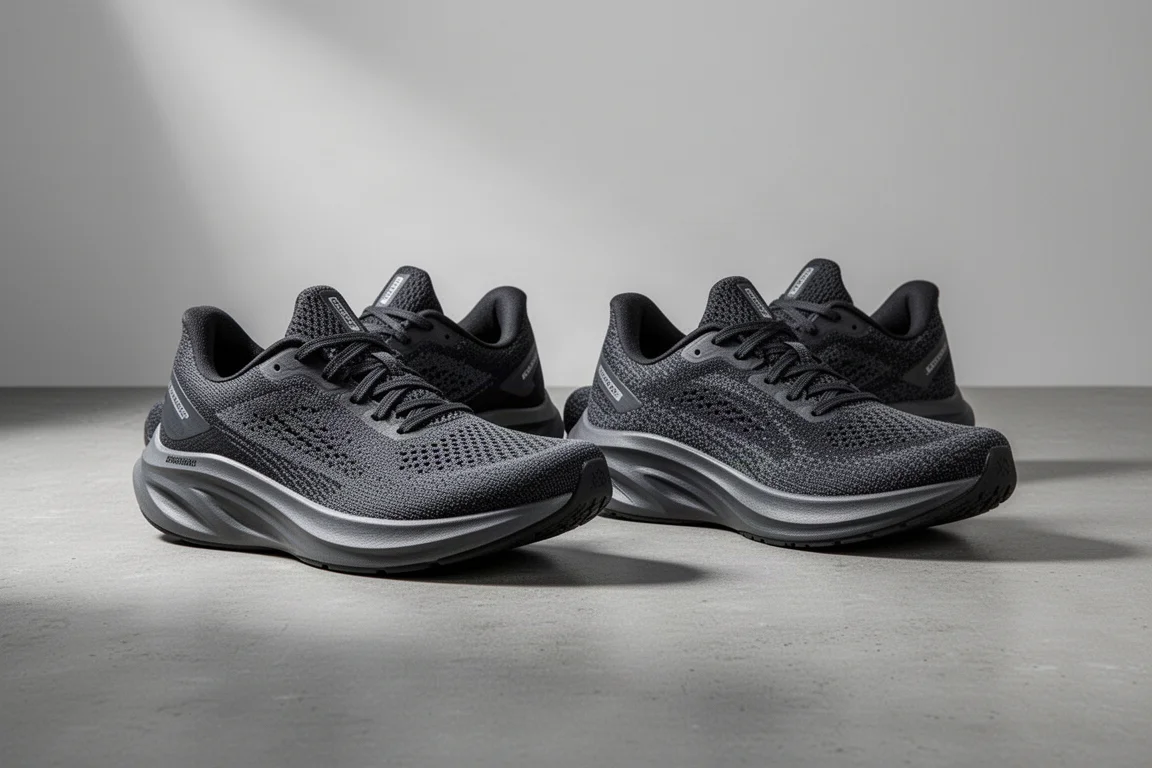
Saucony had a strong year for stability runners, and these two shoes show why. The Guide 15 and the Tempus both aim at road runners who need a little help staying aligned through the foot strike, without the heavy-handed correction of traditional stability shoes. Even neutral runners who want just a gentle hint of guidance are covered by both.
The comparison turned out closer than expected, with both shoes finishing at an identical overall score of 7.73 out of 10. Each shoe won different categories, so the right choice really comes down to what you plan to use them for in training, and possibly after training too.
Upper Fit and Lockdown
The Guide 15 takes the win for lockdown, and it comes down to the construction of the tongue. The tongue design keeps the foot held securely in place better than the Tempus.
Breathability is very close, with a slight lean toward the Tempus, but the Guide 15 wins overall upper comfort. The material used in the Guide 15 upper’s inner lining is noticeably more comfortable, and the collar and heel counter also feel better on foot.

Ride and Energy Return
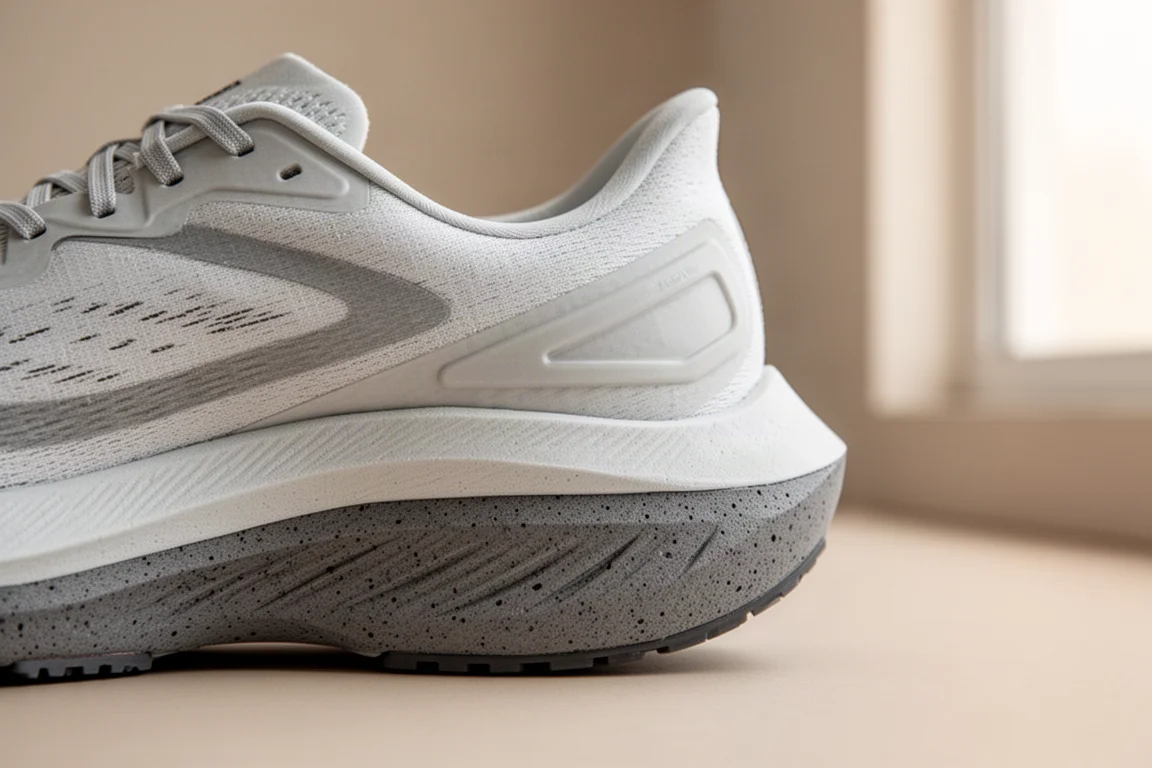
This is where the two shoes genuinely differ. The Tempus uses a combination of PWRRUN and PWRRUN PB foam, and it wins the ride and energy return category all day long. It is the shoe you would want for road racing if you want a bit of help through your gait cycle to avoid overpronating or supinating too much. These are not roll bars, but the guidance is real and effective.
Durably matters here too: the Guide 15’s PWRRUN midsole measures in the mid-50s on a durometer, firmer than the 44 to 45 readings of the PWRRUN PB. That firmness makes the Guide 15 feel a little stiff for some tastes, but it is smart firmness, designed to keep you aligned through the foot strike.
Fit, Sizing, and Comfort
Both shoes were true to size, and fit scores ended in a tie. The toe box shapes differ though: the Tempus is a little more rounded, while the Guide 15 is a bit more pointed at the end. The Tempus also appears a smidge wider through the midfoot. If you want a wider toe box, the Tempus is the one to lean toward.
Comfort scores go to the Tempus, mostly because the PWRRUN midsole in the Guide 15 is a little firm for some liking. Anything in the mid-50s durometer reads as fairly firm, even if that firmness serves a purpose.
Durability
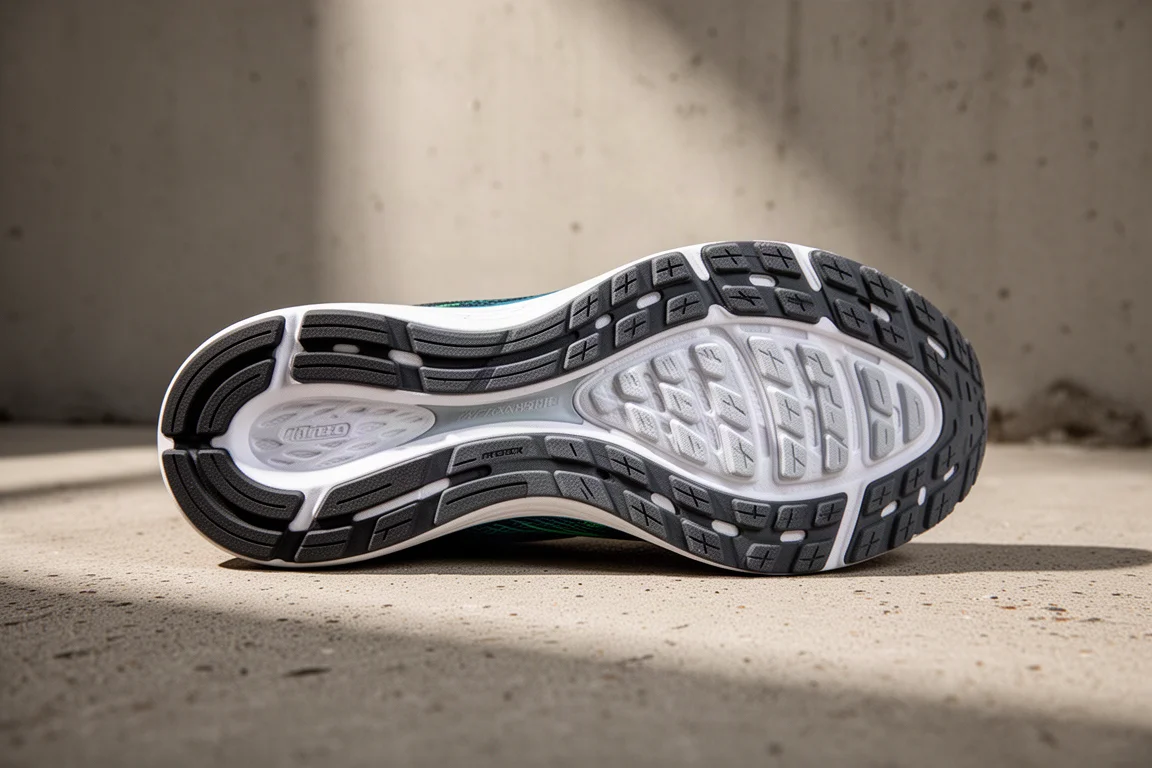
Durability predictions favor the Guide 15, and the reason is the midsole. That firmer PWRRUN foam combined with the outsole is expected to hold up for miles and miles, which is a big part of why it scored well in the midsole category despite the firmer feel.
Price and Buying Advice
The Guide 15 comes in about 20 dollars cheaper, but use case should drive the decision more than price. The Tempus is a genuine tweener: you could pick it up for the last four to six weeks of a training block and then race in it too. If you could only choose one shoe for racing, especially on the stability side, it would be the Tempus, and it is not even close. The carbon fiber plate game has not yet transitioned to stability runners, and the Tempus fills that gap for anyone who needs a bit of help through the foot strike.
Conclusion
Both shoes earned an identical 7.73 out of 10, with four category wins for one, three for the other, and three ties. Choose the Guide 15 if you want better lockdown, a more comfortable inner lining, and long-term durability at a lower price. Choose the Tempus if you want better ride and energy return, more comfort, and a shoe that can handle both training and racing with built-in guidance. Stability runners have plenty to be excited about, and either choice is a solid one.
Product link
View more details for Saucony Guide 15
This product is mentioned in the review. Check the specifications, options, and compatibility before buying.
View more details for Saucony Guide 15Further reading
Related Reviews

Running Shoes
Best Road-to-Trail Running Shoes: Three Versatile Options for Mixed Terrain
A practical guide to three road-to-trail running shoes that handle both pavement and mild trails, with clear strengths and trade-offs for different runner types.

Running Shoes
Best Running Shoes for Achilles Tendonitis: Three Options Explained
Three running shoes with different heel drops and support features designed to help reduce Achilles tendon pain during walking and running.

Running Shoes
Best Running Shoes for Women: Five Top Choices Ranked
A ranked guide to five women's running shoes, from versatile daily trainers to high-performance racing options, with real strengths and trade-offs for each.