Running Shoes
Saucony Guide 15 vs Hoka Arahi 6: Which Stability Daily Trainer Fits Your Running?
Two of the top stability shoes for daily training go head to head on midsole feel, geometry, upper construction, and which one to buy for easy miles versus faster days.
Introduction
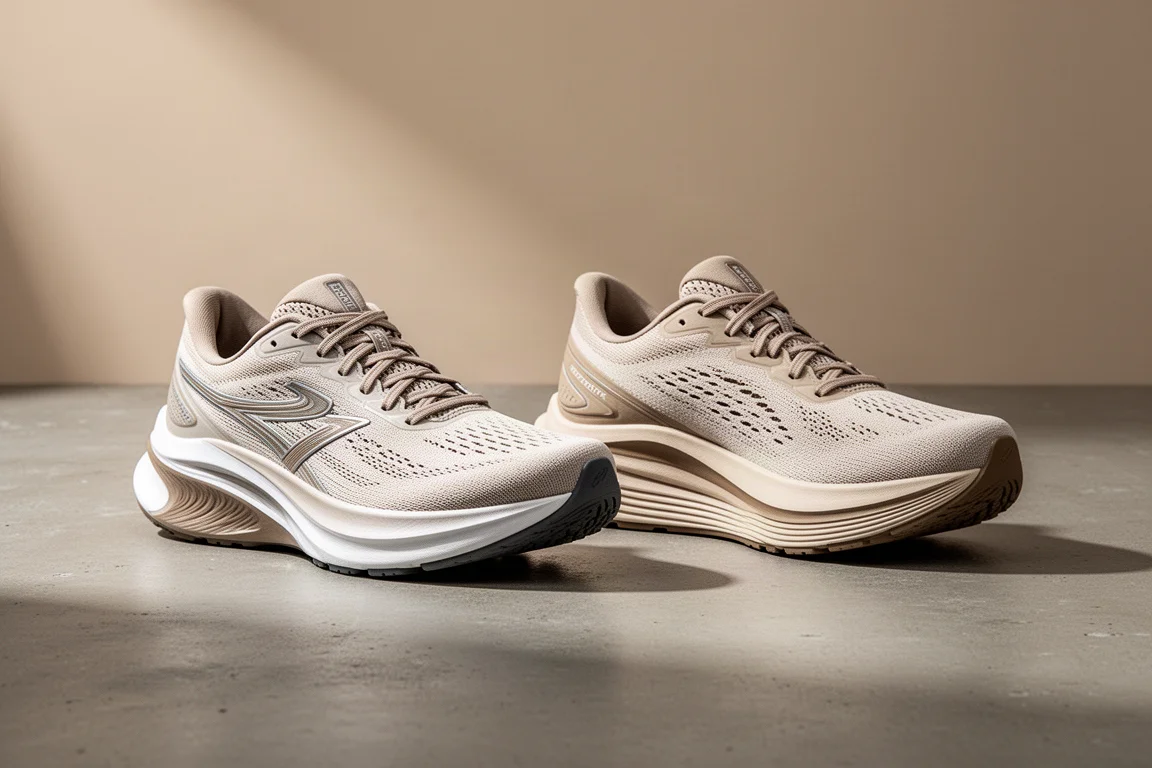
The stability daily trainer category is crowded, but two shoes consistently sit at the top of it: the Saucony Guide 15 and the Hoka Arahi 6. Both are designed for runners who log serious daily mileage and want some guidance built into the ride, and both manage that without feeling like traditional, heavy-handed stability shoes.
This comparison breaks down where they overlap, where they genuinely differ, and which type of runner each shoe serves best.
Two Stability Shoes, Two Approaches
On paper, the similarities are striking. Both are daily trainers in the stability category, both weigh about the same, and both handle a decent variety of settings, from road to light trail. Both also use some sole flaring in the forefoot for a wider, more planted base.

The differences start with the numbers. The Saucony Guide 15 comes in at 9.5 ounces in a men’s size 9, with 35 millimeters of heel stack, 27 millimeters in the forefoot, and an 8 millimeter drop. The Hoka Arahi 6 is slightly lighter at 9.3 ounces in a men’s size 9, with the same 35 millimeter heel but a taller 30 millimeter forefoot stack, giving it a 5 millimeter drop.
Midsole Feel: Firm and Quick vs Soft and Steady
Both shoes use EVA midsoles, which keeps the weight down while allowing plenty of stack and a fairly smooth ride. The Saucony uses its long-standing PWRRUN midsole, while Hoka relies on its own EVA-based formula.
The Guide 15’s midsole feels a touch firmer than the Arahi 6’s. That firmness, combined with a slightly narrower platform, gives it a more athletic feel. The posting is well integrated down the midline of the shoe, but you can still sense it underneath you, and transitions feel quick. If you need to pick up the pace or throw in a few strides after an easy run, the Guide 15 handles it without complaint.
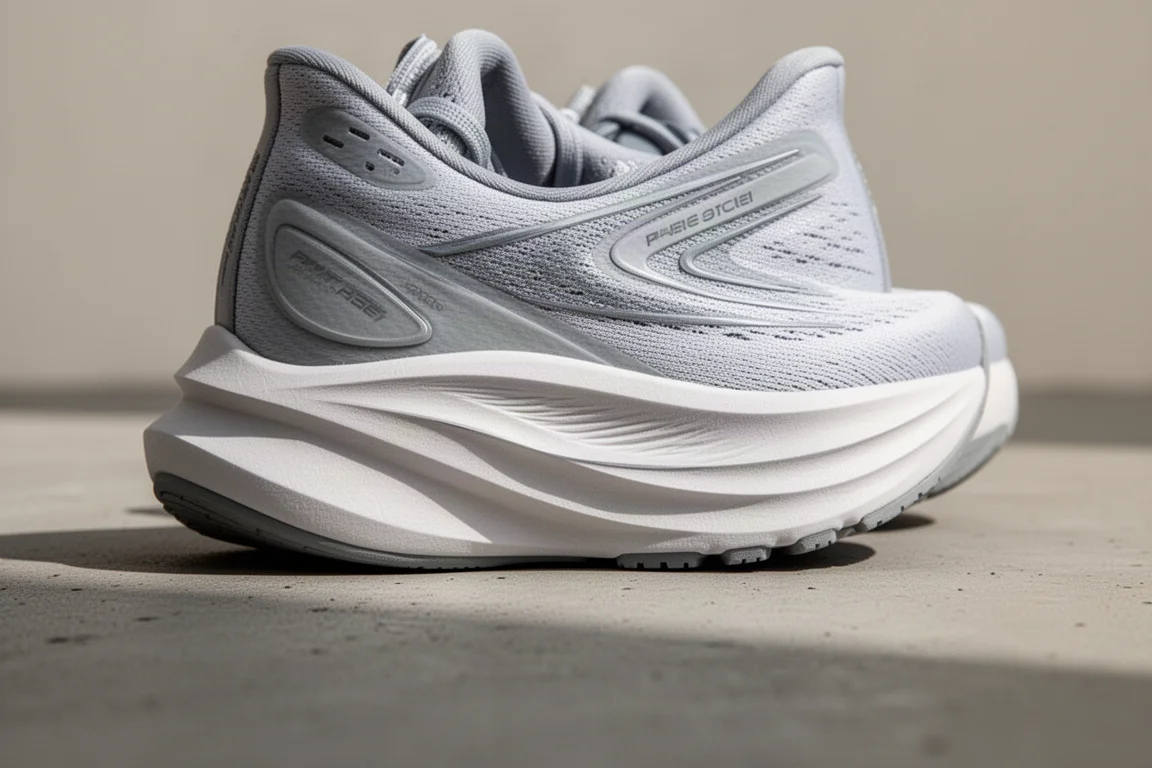
The Arahi 6 shines on the opposite end of the spectrum. It feels great at easy paces and holds up over long bouts of running, including 20 mile long runs. Its stability comes from J-Frame technology, a slightly firmer density foam that wraps around the lateral heel, through the medial heel and midfoot, and into the forefoot just before toe-off. The wide base and sidewall integration create a settled, bucket-like feeling that keeps you centered through the gait cycle. Picking up the pace, however, is noticeably harder here than in the Guide 15.
Both shoes carry a bit of rocker-inspired geometry, with the Guide 15 leaning more on midsole shaping and the Arahi 6 leaning more on sidewall integration coming up from the foam and wrapping through the upper.
Uppers: Premium Feel vs Streamlined Performance
The uppers follow the same split in character. The Arahi 6 feels more like a premium trainer, with a plush, well-built upper suited to long, unhurried miles. The Guide 15 goes thinner and more streamlined for a performance-oriented feel.
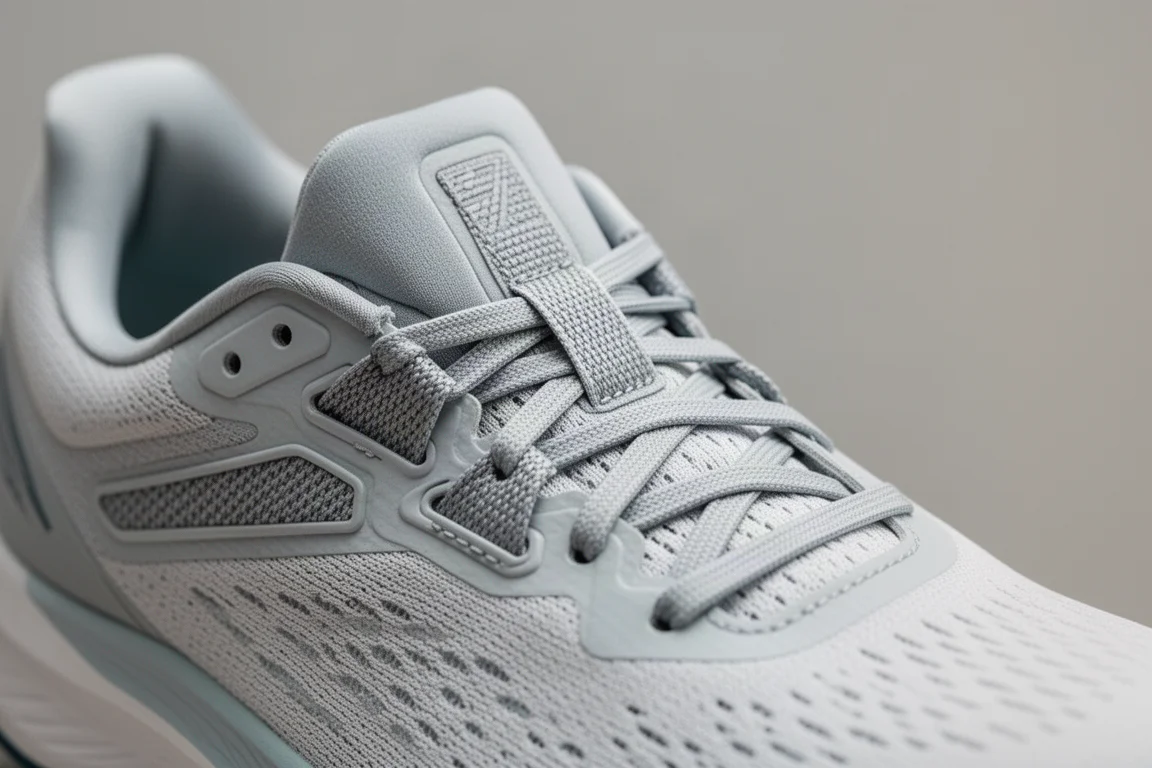
A standout detail on the Guide 15 is its integrated lacing system. Material on the medial and lateral sides of the eyelets pulls the upper in and locks the tongue down over the top of the foot, adding to that locked-in, performance sensation without complicating the fit.
Which One Should You Buy?
If your running is dominated by long, easy mileage and you want maximum comfort over big distances, the Hoka Arahi 6 is the safer pick. Its softer midsole, wider platform, and premium upper make it a dependable partner for daily miles and long runs alike.

If you like your stability shoe to have a little more snap, or you want the option to run strides and tempo efforts without changing shoes, the Saucony Guide 15 is the better fit. Its firmer, more agile ride rewards a quicker cadence while still delivering solid everyday stability.
Conclusion
The Saucony Guide 15 and Hoka Arahi 6 prove that stability shoes no longer have to feel clunky. Choose the Arahi 6 for plush, long-haul easy miles, or the Guide 15 if you want a stability trainer that can keep up when the pace does. Either way, both are among the best daily options in the category right now.
Product link
View more details for Saucony Guide 15
This product is mentioned in the review. Check the specifications, options, and compatibility before buying.
View more details for Saucony Guide 15Further reading
Related Reviews

Running Shoes
Best Road-to-Trail Running Shoes: Three Versatile Options for Mixed Terrain
A practical guide to three road-to-trail running shoes that handle both pavement and mild trails, with clear strengths and trade-offs for different runner types.

Running Shoes
Best Running Shoes for Achilles Tendonitis: Three Options Explained
Three running shoes with different heel drops and support features designed to help reduce Achilles tendon pain during walking and running.

Running Shoes
Best Running Shoes for Women: Five Top Choices Ranked
A ranked guide to five women's running shoes, from versatile daily trainers to high-performance racing options, with real strengths and trade-offs for each.