Running Shoes
Saucony Guide 15 Review: A Stability Shoe Rebuilt From the Ground Up
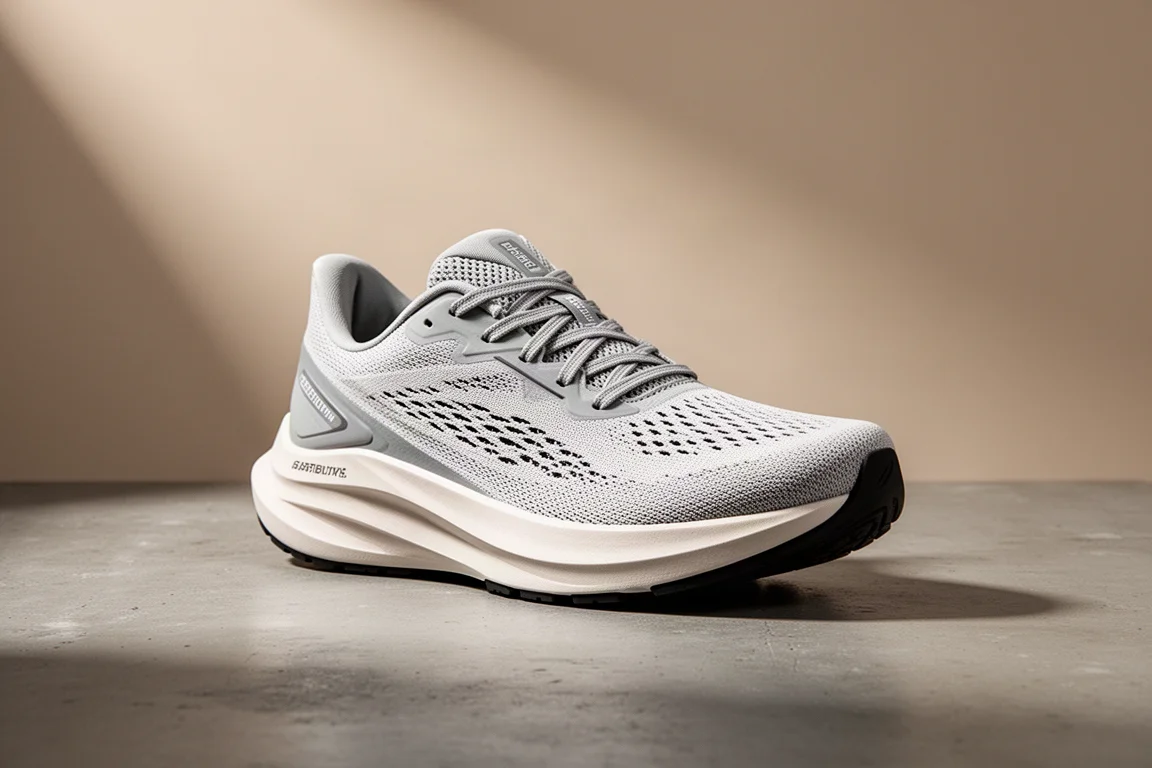
Saucony completely redesigned the Guide 15 with a new upper, a cushioned midsole, and a modern stability approach, dropping the weight to a borderline lightweight trainer.
Introduction
The Saucony Guide 15 is not an incremental update. The shoe has been completely redone, with a new upper, a new midsole, and an entirely reworked stability system, and the changes land firmly on the positive side. Previous Guide versions sat in the mid ten ounce range, used a traditional medial post in the midfoot, and ran fairly firm. The Guide 15 breaks from all of that: a much higher stack height, a ride with noticeably more give, and a weight that now drops to around 9.5 to 9.6 ounces.
Who This Product Is For
This is a stability shoe for runners who want support without the stiff, heavy feel that older stability models carried. It fits true in normal width with no security issues in the initial fit, and the streamlined upper sits close to the foot in a way that makes the shoe almost disappear once you start running.
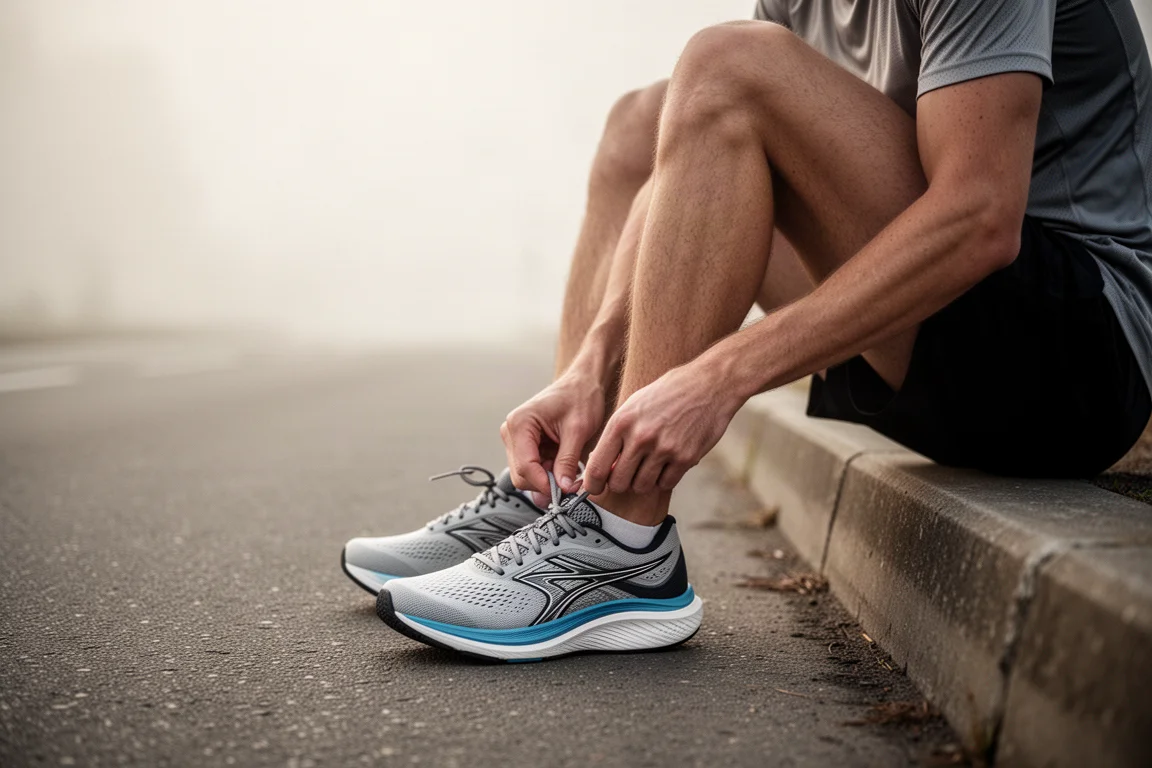
If you have been hesitant about stability shoes because they historically felt firm and clunky, the Guide 15’s softer, more cushioned ride makes a strong case for giving the category another look.
Main Strengths
The ride is the headline change. The higher stack and reworked midsole give the shoe a protective, cushioned feel without tipping into mushy territory. It strikes a genuine balance: soft enough to feel comfortable over longer miles, firm enough that the shoe still responds when you push the pace.
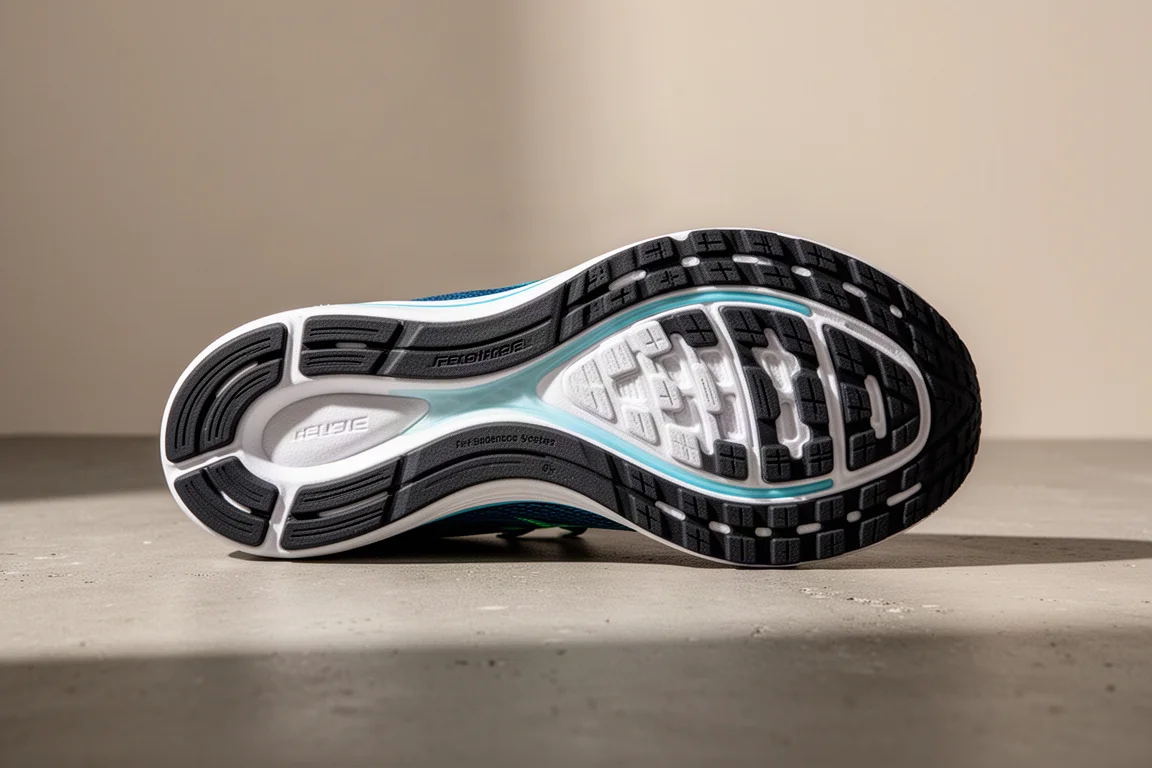
The stability redesign is equally thoughtful. Instead of a traditional midfoot post, the Guide 15 uses a strong guideline in the outsole combined with an integrated plastic arch, a modern approach that works well here. Add in Saucony’s usual sole flare and the result is a well-integrated, moderate to borderline mild stability shoe rather than an aggressive motion-control platform.
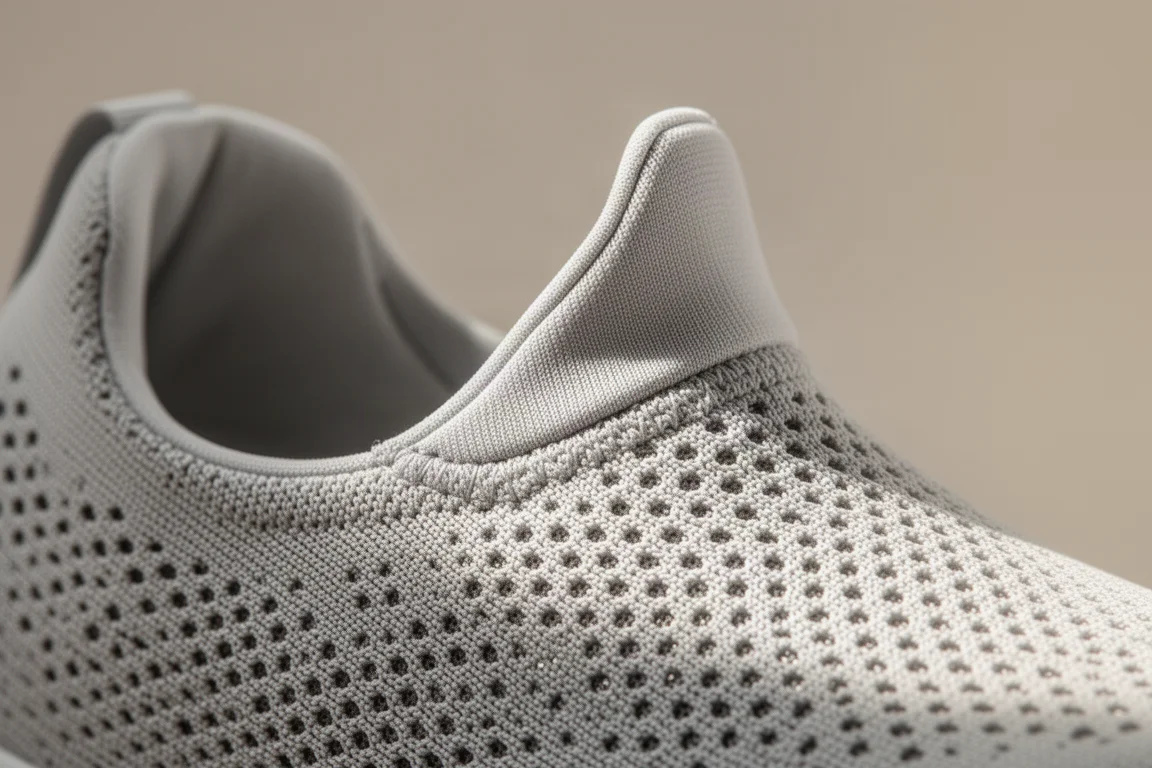
The upper deserves its own mention. Overlays help stabilize the foot, and the fit is one of those that simply locks in without pressure points.
During faster repeat sessions, the shoe handled the workload well, and at 9.5 to 9.6 ounces it starts to feel like a borderline lightweight trainer, which opens the door to faster miles beyond easy running.
Things to Consider Before Buying
The stability here is moderate to borderline mild, not aggressive. Runners who need a very strong, rigid correction may want a firmer, more traditional stability option. The cushioning is also best described as softer than previous versions, not truly soft, so runners chasing a maximal plush ride should keep expectations calibrated.

Fit runs normal width, which suits most feet, but runners who need wide or narrow sizing should verify availability in their region.
Buying Advice
If you are coming from an older Guide and found it firm and heavy, the Guide 15 is the version that changes the formula in your favor. It suits daily training, longer steady runs, and even quicker efforts thanks to the lighter weight. Runners stepping into stability shoes for the first time will also find this an easy entry point, since the support is integrated smoothly rather than feeling imposed.
Conclusion
Saucony took a traditional stability shoe and rebuilt every major component for the better: a streamlined upper that disappears on foot, a higher-stack midsole with a balanced, protective ride, and a modern arch-based stability system. The result is a well-rounded, moderate stability trainer that has lost enough weight to double as a fast daily shoe. For most runners seeking support without sacrifice, the Guide 15 makes a very easy recommendation.
Product link
View more details for Saucony Guide 15
This product is mentioned in the review. Check the specifications, options, and compatibility before buying.
View more details for Saucony Guide 15Further reading
Related Reviews

Running Shoes
Best Road-to-Trail Running Shoes: Three Versatile Options for Mixed Terrain
A practical guide to three road-to-trail running shoes that handle both pavement and mild trails, with clear strengths and trade-offs for different runner types.

Running Shoes
Best Running Shoes for Achilles Tendonitis: Three Options Explained
Three running shoes with different heel drops and support features designed to help reduce Achilles tendon pain during walking and running.

Running Shoes
Best Running Shoes for Women: Five Top Choices Ranked
A ranked guide to five women's running shoes, from versatile daily trainers to high-performance racing options, with real strengths and trade-offs for each.