Running Shoes
Saucony Freedom 5 vs Saucony Axon 2: Two Versatile Trainers With Very Different Personalities
A closer look at two Saucony daily trainers: the premium crossover Freedom 5 with PWRRUN PB, and the $100 high-stack, rockered Axon 2.
Introduction
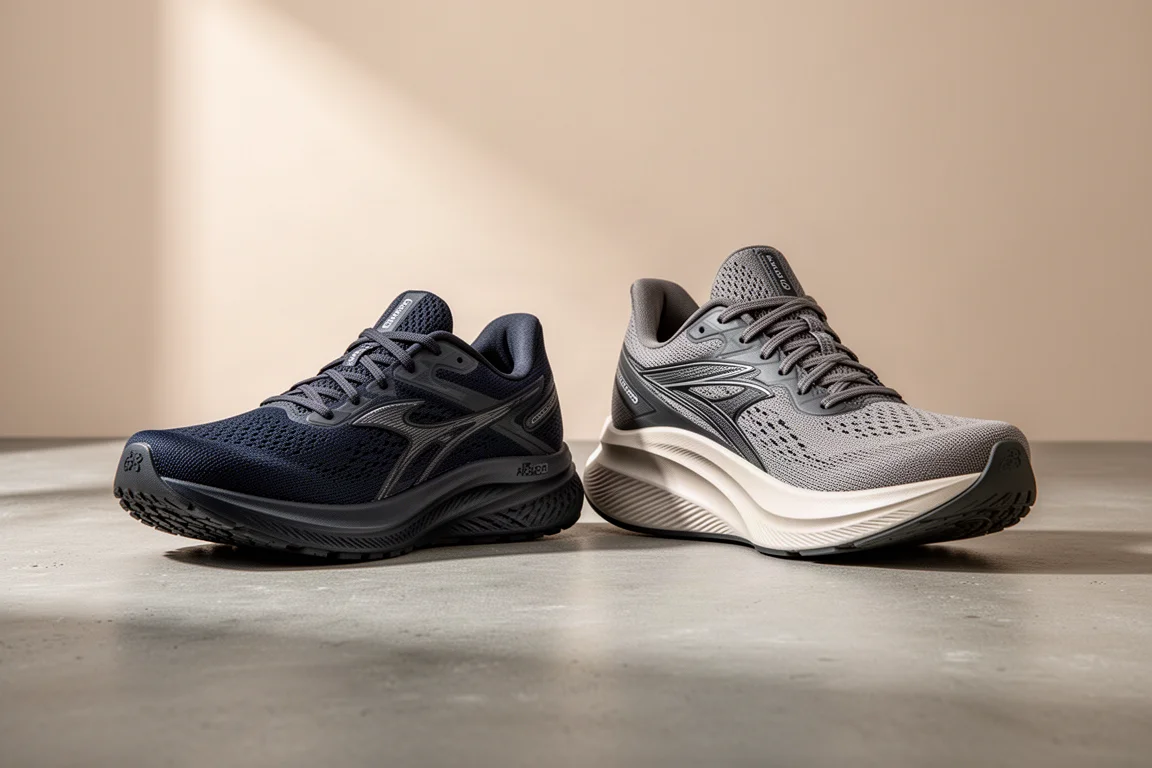
Saucony currently covers two very different ends of the daily trainer spectrum, and these two shoes make the contrast easy to see. The Freedom 5 leans premium and crossover, built around PWRRUN PB foam in a low-to-the-ground package. The Axon 2 goes the other way: a $100 trainer with a tall stack and an aggressive forefoot rocker. Both carry a 4 mm drop, but they feel nothing alike on the foot. Here is how they compare after substantial miles.
Saucony Freedom 5: The Crossover Trainer
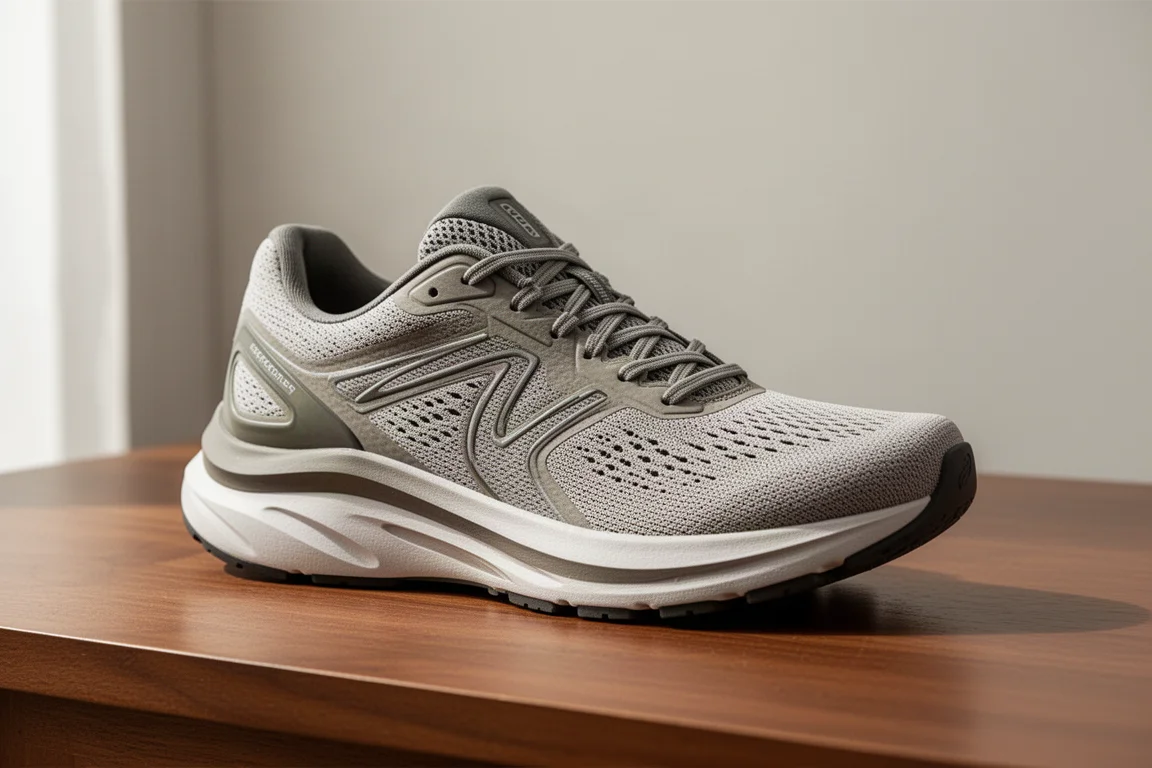
The Freedom line has always been the odd one out in Saucony’s range. The Freedom 4 was the first trainer to use PWRRUN PB outside the Endorphin family, without a plate, and the Freedom 5 continues that do-a-little-of-everything idea. In a men’s size 9 sample it weighs 8.4 oz (7.3-7.4 oz in women’s sizing), with 27 mm of heel stack, 23 mm in the forefoot, and a full-length PWRRUN PB midsole topped by a mostly full-contact outsole. It lists at $150.
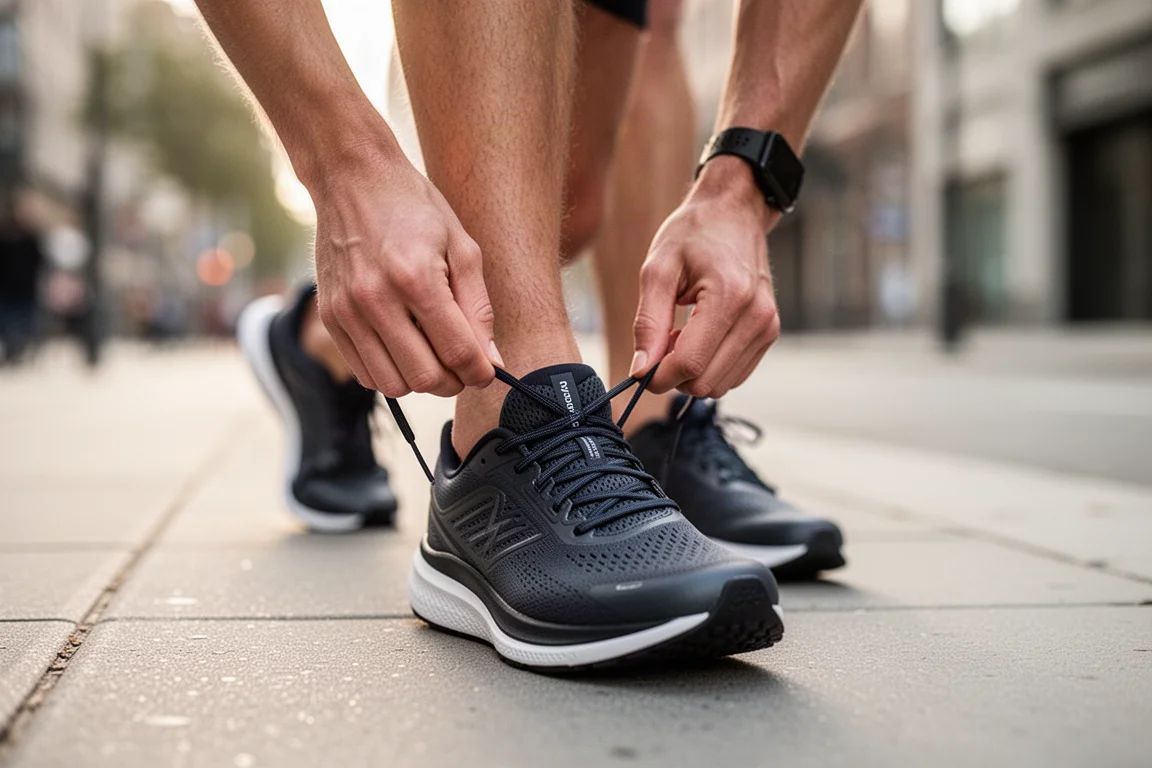
The fit is where the biggest change shows up. Compared with the Freedom 4, the upper is thicker, less flexible, and noticeably more snug through the midfoot and the front of the toe box. Lockdown is better, but runners with wider feet or higher-volume feet may find the wrap constricting. The heel counter remains moderately flexible yet fairly prominent, so anyone sensitive in that area should proceed with caution. A welcome detail: two extra lace holes near the forefoot give you more flexibility to adjust lacing.
On the run, the Freedom 5 is best described as balanced rather than bouncy. The foam feels moderately soft to slightly firm at easy paces, and you only get real PWRRUN PB responsiveness when you load the shoe hard. At very quick paces it can bottom out slightly and let road feel through. Because there is no dramatic rocker and the stack is modest, it walks, lifts, and lives like a normal shoe, which is exactly the point. Think of it as a premium foam shoe with a Vans-like, everything-shoe character: easy runs, shakeouts, gym work, errands, and the occasional stride session.
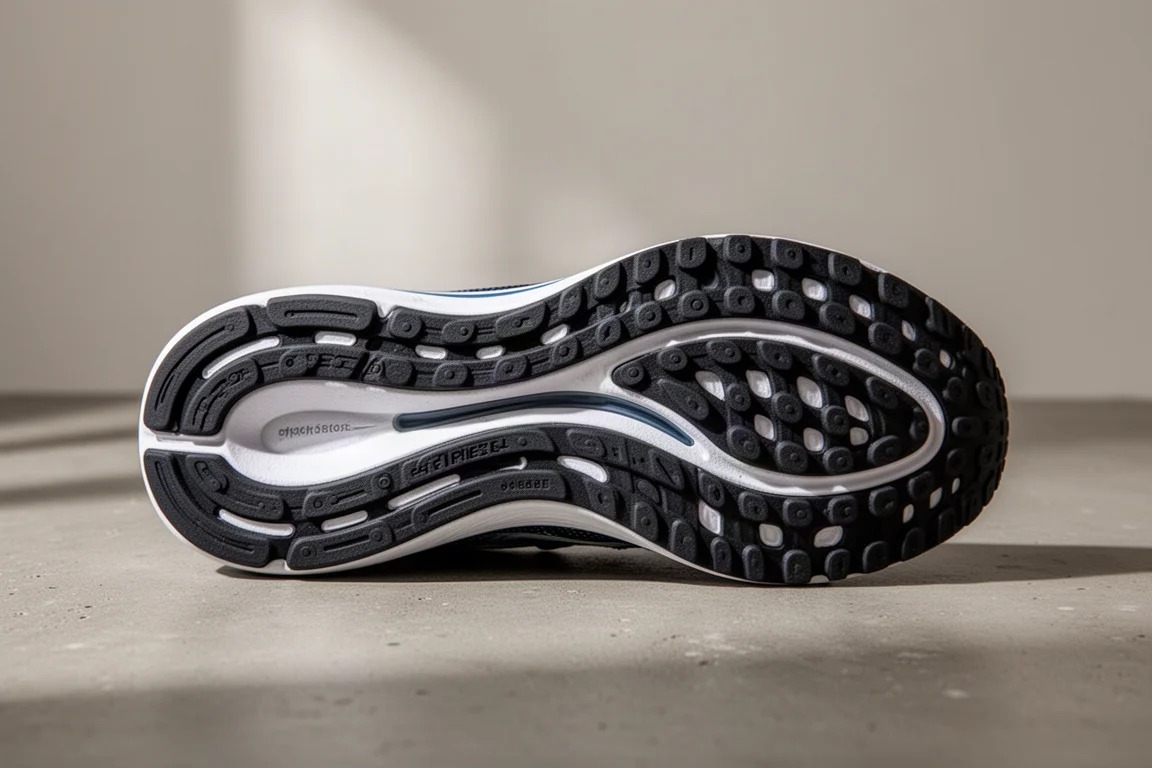
Stability-wise, it is firmly a neutral shoe. The full-contact outsole, a deep midline flex groove, and snug midfoot lockdown add a touch of inherent guidance, but nothing here qualifies as a stability method. Runners who want more structure should look at the Saucony Guide instead.
Saucony Axon 2: High Stack, Aggressive Rocker
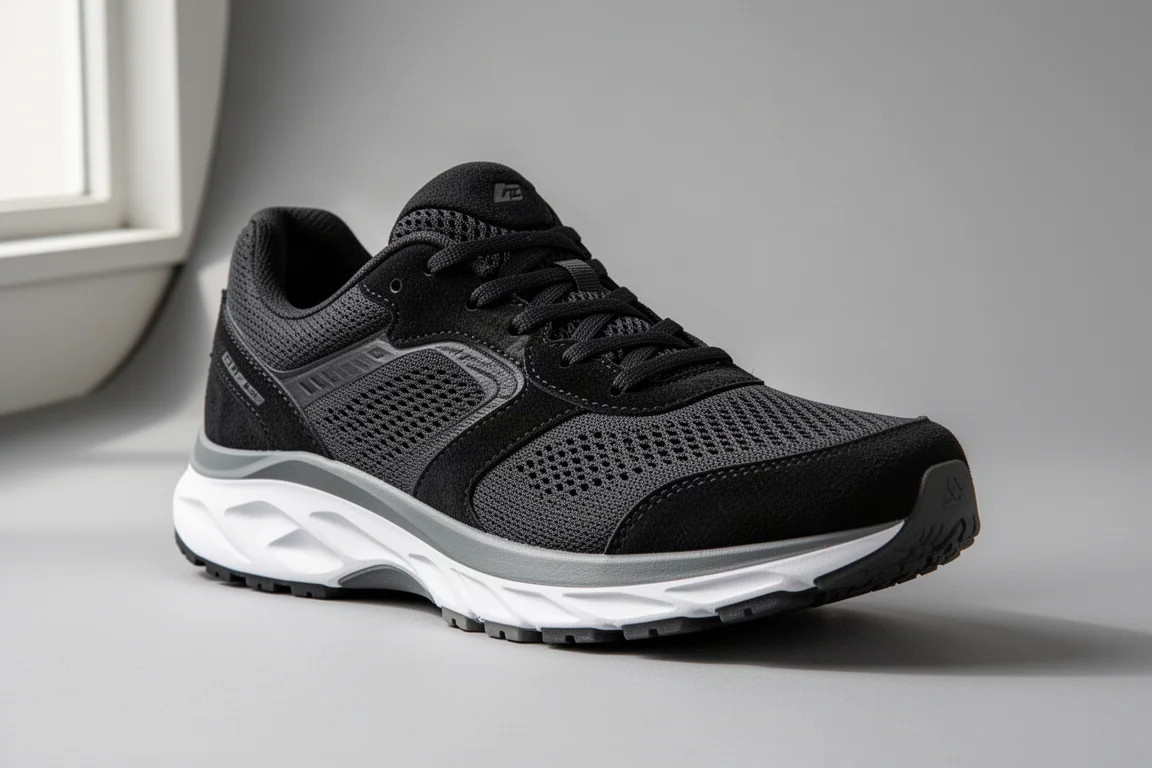
The original Axon was a quiet surprise: a budget shoe with a big stack and a rocker geometry. The Axon 2 keeps the formula at $100, with 35 mm of heel, 31 mm in the forefoot, a 4 mm drop, a full PWRRUN midsole, and a strongly rockered forefoot. It weighs 9.6 oz in a men’s size 9 and 8.5 oz in a women’s size 8. Rubber coverage is extensive, and the firm rubber wrapping up the sides of the midfoot combines with actual midsole sidewalls to make the shoe very rigid.
The fit has more volume than the Freedom 5. There is some taper in the forefoot, but the upper has room through the midfoot, and the thicker mesh breathes a little less. One tester needed to cinch the laces down and use a heel lock to stay connected to the platform, given how sharp the rocker is.
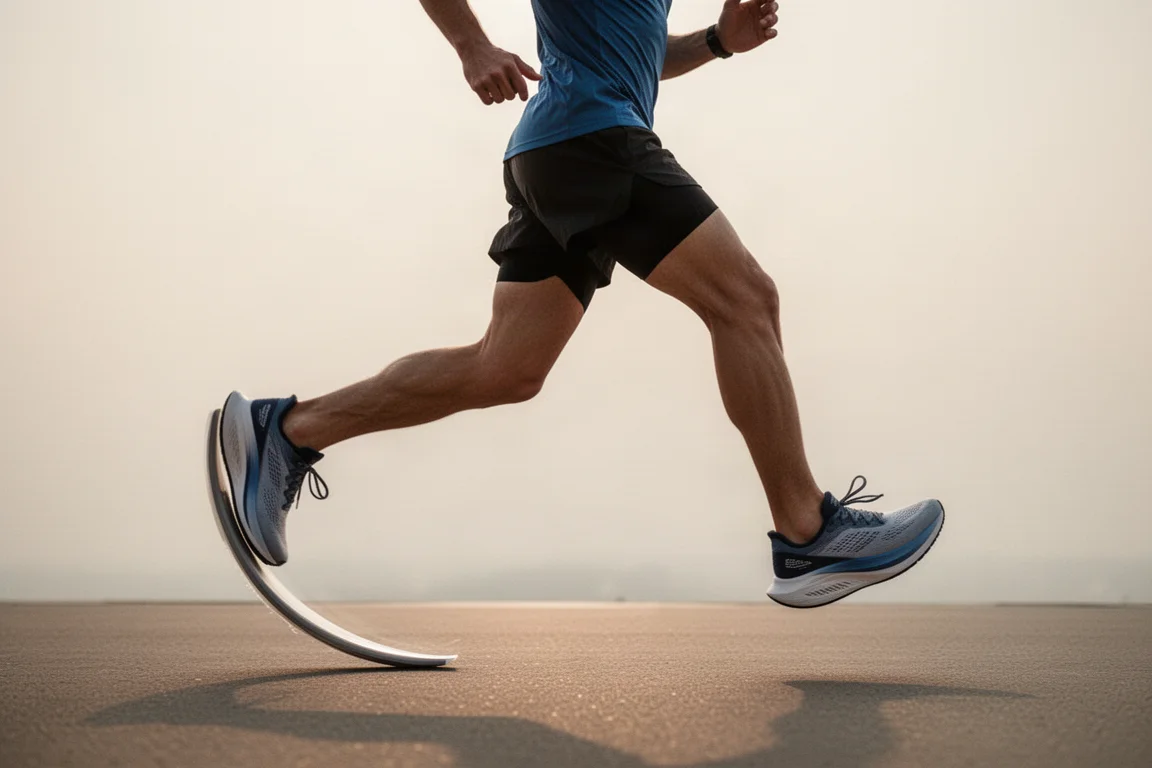
That rigidity divides opinion. For a hypermobile runner, the stiff midfoot and sidewalls create natural stability that works extremely well, and after a short break-in the firm foam settles into a genuinely versatile ride. One tester logged 51-plus miles across easy runs, long runs, and workouts, and matched paces on a 2,000-foot mountain climb that previously required a premium racing shoe. For a runner with a more sensitive midfoot, the same structure causes pressure and discomfort after six or seven miles. The takeaway: if you need or enjoy rigidity, this shoe shines; if your midfoot is irritable, be careful.
The ride is genuinely fun. The sharp toe spring rolls you forward so readily that you have to consciously hold back the pace. It also offloads the calves, thanks to the aggressive rocker combined with a firm, non-compressive foam. That makes it a smart low-cost entry point for runners who want to try a rockered shoe without paying $150 to $160 for something like the Endorphin Shift. Runners with limited ankle mobility should still approach the aggressive toe spring with some caution, since mobility at the ankle needs to be adequate to handle the geometry.
How to Choose Between Them
The Freedom 5 fits a well-rounded athlete who wants one shoe for the gym, short runs, casual wear, and the occasional faster effort. It is not a long-run shoe for most people, given how much the foam compresses and how close it sits to the ground, though a small group used to less shoe could stretch it further.
The Axon 2 is the better pure running value. It handles easy days, long runs, and even workouts, and its rigidity and rocker make it especially appealing for newer runners, high school athletes who need a do-it-all shoe, or anyone wanting variety in their rotation to spread load across different geometries. At $100, it is one of the more distinctive options in its price bracket.
Fit Matters More Than You Think
Both shoes highlight a bigger lesson: fit is personal, and the industry does not standardize it well. A few practical rules hold up. Running shoes should not fit like casual shoes, so be open to changing size. Standing up, aim for roughly a thumb to half a thumb’s width between your longest toe and the end of the shoe. Try shoes on in the afternoon when feet are slightly larger, and remember feet also swell over the course of a long run, so a bone-tight fit in the store will only get tighter at mile 10.
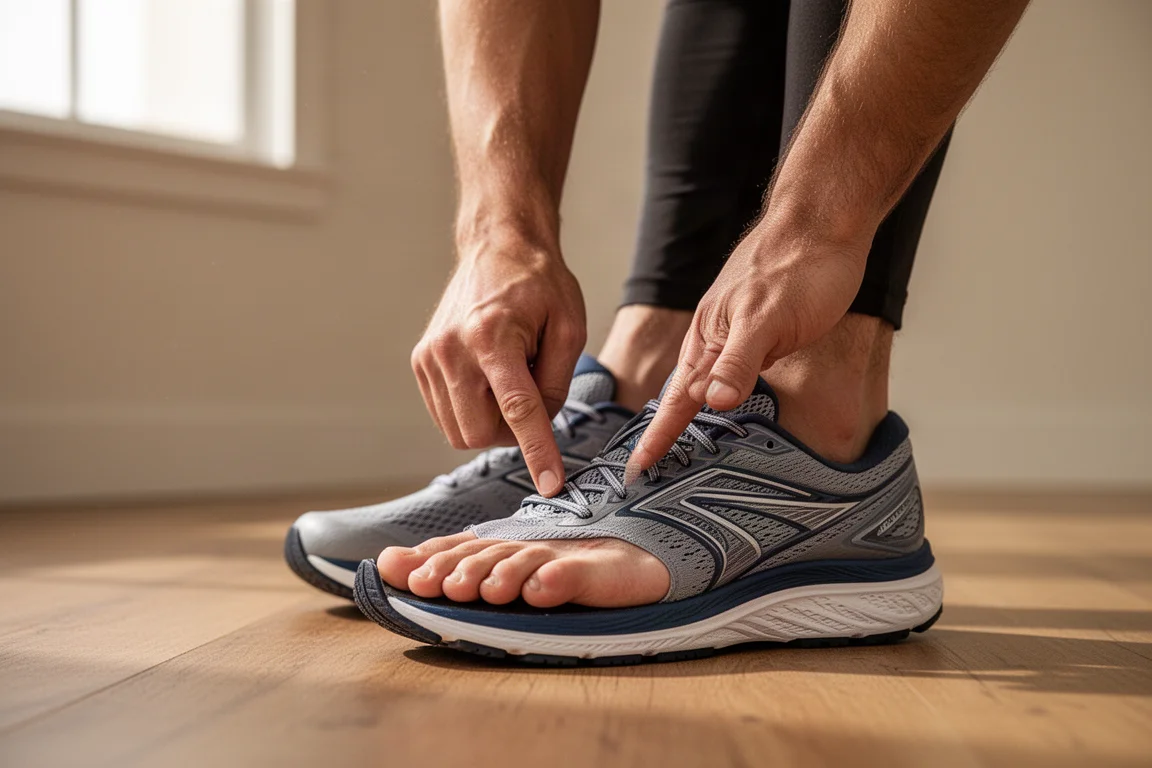
Width letters (B, D, 2E) denote general width categories, traditionally D for men and B for women, but how that width is distributed varies by region and brand, and much of it comes from upper accommodation rather than the platform. Brands such as Brooks and Altra are starting to offer multiple fit options for the same shoe, which helps. Above all, judge a shoe by putting it on and moving in it, not by static tests like standing on a removed insole. Nerves in the feet need space, blood flow, and movement; a shoe that squeezes any of those away will tell you quickly. If a shoe feels tight when you first slide it on, trust that instinct.
Conclusion
The Saucony Freedom 5 and Axon 2 sit at opposite ends of the same brand’s daily trainer range, and both earn their place. The Freedom 5 is the premium crossover: snug, sleek, good-looking, and happy in the gym, on errands, and on shorter runs. The Axon 2 is the budget workhorse with a rockered, rigid ride that punches well above its price for running-specific use. Pick based on how many jobs you need one shoe to do, and always prioritize fit over specs on paper.
Further reading
Related Reviews

Running Shoes
Best Road-to-Trail Running Shoes: Three Versatile Options for Mixed Terrain
A practical guide to three road-to-trail running shoes that handle both pavement and mild trails, with clear strengths and trade-offs for different runner types.

Running Shoes
Best Running Shoes for Achilles Tendonitis: Three Options Explained
Three running shoes with different heel drops and support features designed to help reduce Achilles tendon pain during walking and running.

Running Shoes
Best Running Shoes for Women: Five Top Choices Ranked
A ranked guide to five women's running shoes, from versatile daily trainers to high-performance racing options, with real strengths and trade-offs for each.