Trail Running Shoes
Saucony Exodus Ultra Review: A Distance Trail Shoe That Just Keeps Delivering
After roughly 300 miles of testing on everything from Cornish coastal paths to a 145 km alpine ultramarathon, the Saucony Exodus Ultra has proven itself a seriously capable distance trail shoe.
Introduction
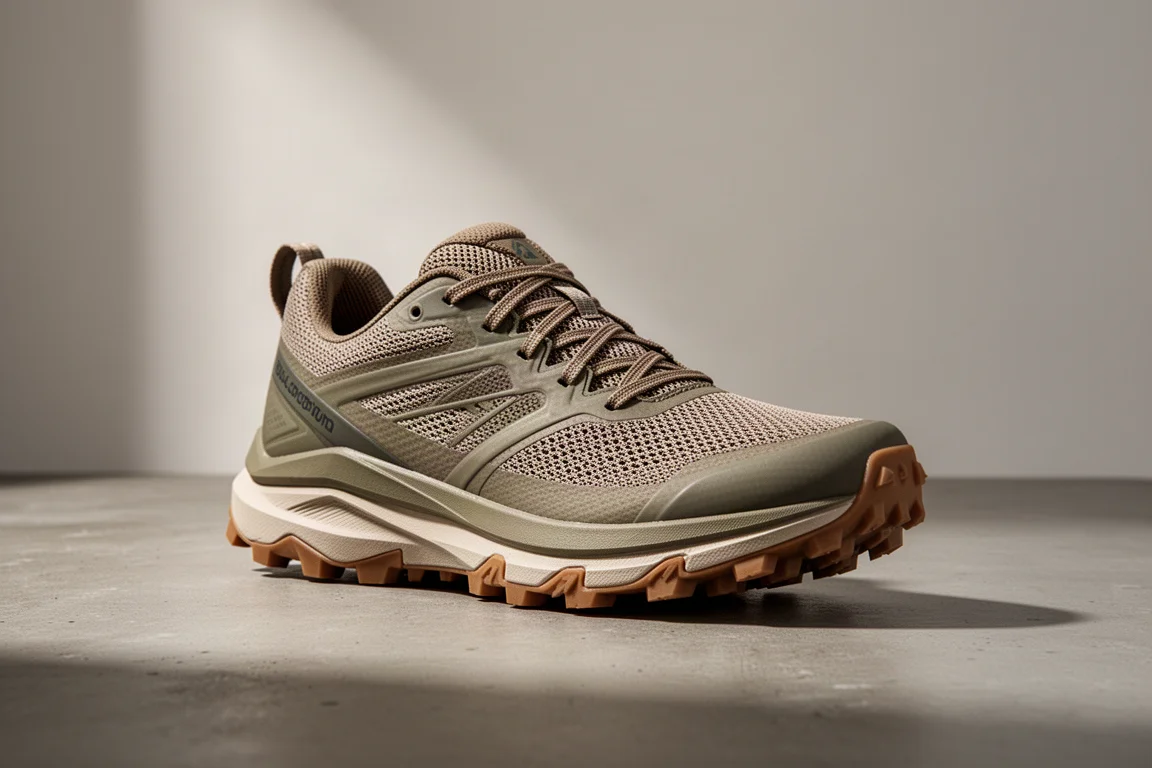
Some shoes earn their place in the rotation after a handful of runs. Others earn it the hard way. The Saucony Exodus Ultra firmly belongs to the second camp. Across roughly 300 miles of testing on a big mix of terrain, including its first outing where it ran 80 miles straight out of the box at a 24-hour event, and most recently a finish at the TDS at UTMB, a 145 km mountainous ultramarathon with around 9,100 m of elevation gain, this shoe has been thoroughly put through its paces. It has come through it all without a single complaint worth reporting.
Who the Saucony Exodus Ultra Is For
This is a distance trail shoe first and foremost. It is aimed at runners who spend long hours on mixed terrain and want comfort, protection and reliability over sheer speed. It also works well for anyone buying their first proper pair of trail running shoes, since it is adaptable enough to handle everything from hard-packed paths to rocky mountain ground.
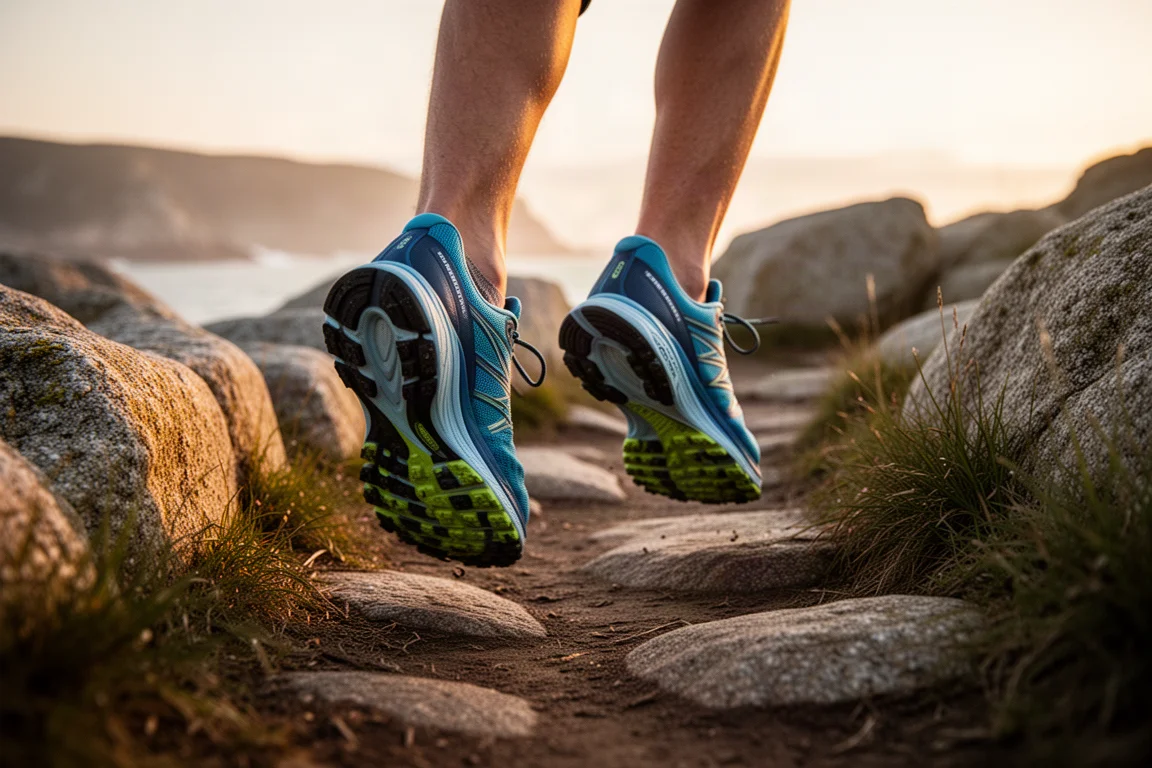
Before diving into performance, a few facts and figures. The shoe retails for £145 in the UK and weighs 308 g in a men’s UK 9.5. It has a 6 mm offset, with 32.5 mm of stack under the heel and 26.5 mm under the forefoot. It comes in two colourways each for men and women, and fits true to size with an average-width toe box.
Main Strengths
The upper is a genuine highlight. It uses a durable, breathable mesh designed for comfortable all-day wear, with a thin neoprene gusseted tongue, good padding around the ankle collar and heel cup, and overlays running from the midfoot around the toe box for extra durability and structure. There is also a substantial toe bumper for protection on rocky trails and a unique lock-in lace system that keeps the midfoot secure. Across all those miles there has been no rubbing, no hot spots, no irritation and no blisters, with excellent lockdown around the midfoot and a really good hold in the heel.
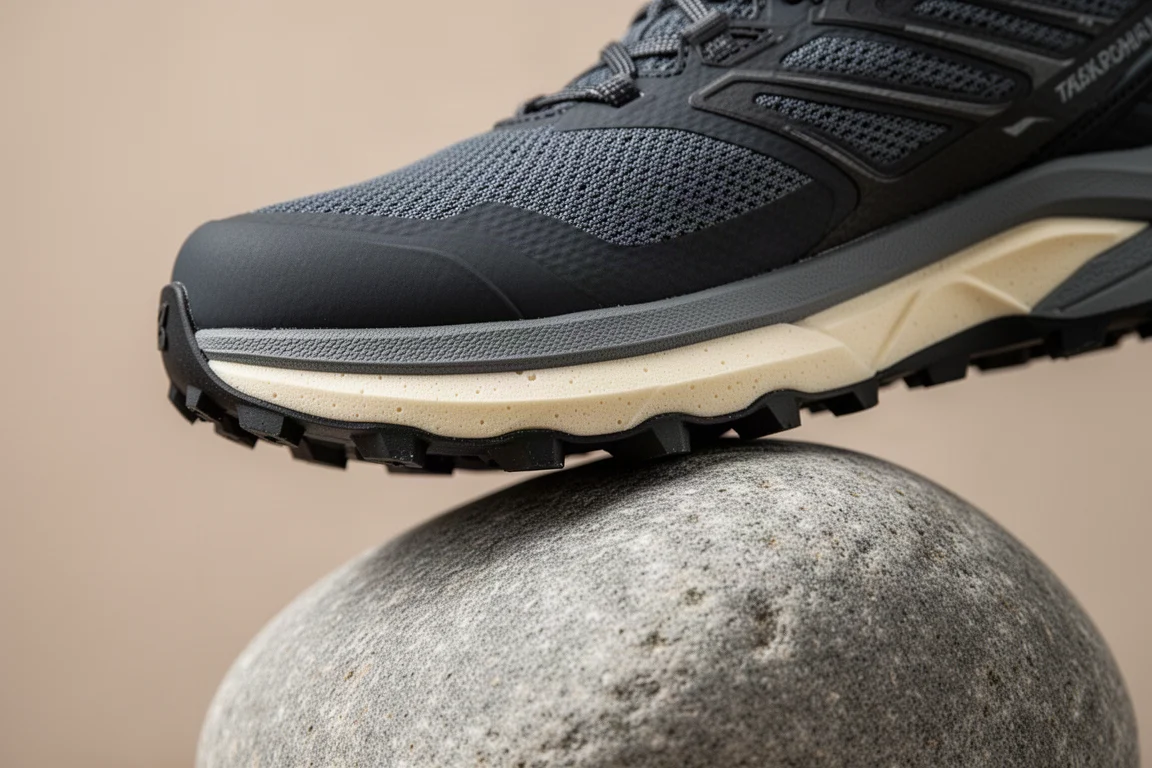
The midsole is where Saucony has been clever. It uses a dual-compound design: a slightly more stable and durable PWRRUN compound on the outside acting as a support cradle, with a core of PWRRUN PB inside. That PB foam is the same performance cushioning used in Saucony’s Endorphin Speed and Endorphin Pro road lineup. The idea is to get the best of both worlds: longevity and stability from the outer cradle, and high levels of comfort and energy return from the core. In practice it delivers exactly that, soaking up even long sections of tarmac without a problem and offering a genuinely good balance between durability, comfort and performance. This is arguably how PWRRUN PB should be used in a trail shoe, with the outer compound providing protection that the foam alone cannot. Stability in technical ground, a common concern with this kind of midsole, has been a non-issue in testing, including throughout the TDS where the shoes stayed on from start to finish over one of the most technical routes imaginable.
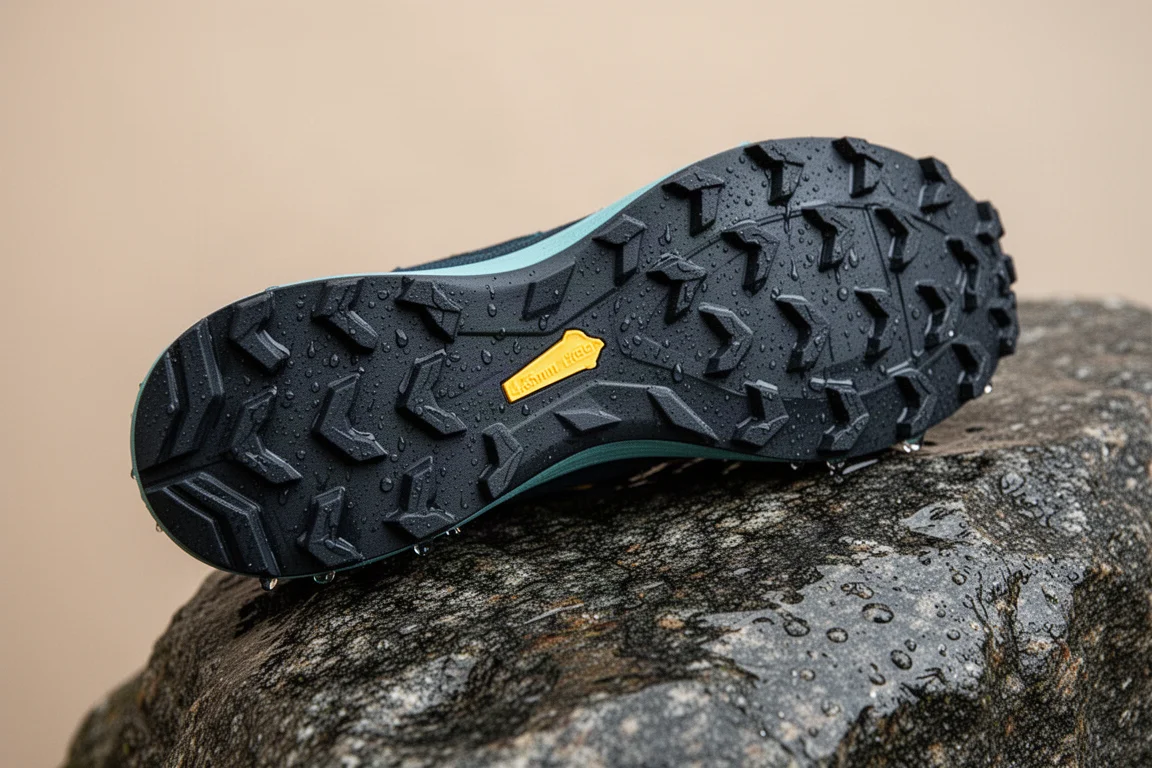
The outsole is a full-coverage PWRTRAC rubber with a 4.5 mm multi-directional lug pattern, built as a three-piece design for support and adaptive stability on undulating technical trails. A flexible rock plate sits under the forefoot for protection on rocky ground. Grip has been consistent and reliable on all types of terrain tested, and the outsole has held up well even after taking a hammering over 145 km of sharp, rocky alpine trails.
Things to Consider Before Buying
Price is the obvious starting point. At £145 in the UK it is not the cheapest trail shoe available, though it is far from the most expensive, and the comfort, performance and adaptability on offer make it feel like a fair price.
There are a couple of other points to weigh up. Some wearers have reported outsoles that shredded within a few miles, which does not match up with the testing experience here, but it is worth keeping in mind. A few others have mentioned stability concerns with the midsole on technical ground, which again did not show up in testing. On looks, the Exodus Ultra falls down a little: it is not the most exciting running shoe in the world and is arguably a bit of a dad shoe, which is a shame given how strong Saucony’s recent designs have been. Grip has not been tested on truly boggy, muddy trails either, though the 4.5 mm lugs suggest it should handle a British winter reasonably well.
Buying Advice
For comparable performance, two alternatives worth a look are the Hoka Speedgoat 5, another versatile long-distance trail shoe with a slightly deeper stack height (the Exodus Ultra feels a little more connected to the ground), and the inov-8 Parkclaw G 280, another solid all-rounder. Given the choice of the three, though, the Exodus Ultra still takes it.

If you are updating an existing trail shoe or buying your first pair, and distance running on varied terrain is your priority, this should be high on your shortlist. It scored 25.5 out of 30 overall, including 9.5 out of 10 for comfort and performance, 9 out of 10 for durability and 7 out of 10 for price, and the plan is already to buy another pair once this one is run into the ground.
Conclusion
The Saucony Exodus Ultra is one of those rare trail shoes that does almost everything well: a faultless upper, a thoughtfully engineered dual-compound midsole, dependable grip and outsole durability that survives alpine ultramarathons. Its looks are its weakest attribute, and even then it is a minor complaint. For long training runs and long races across a big mix of terrain, it is very hard to fault.
Product link
View more details for Saucony Exodus Ultra
This product is mentioned in the review. Check the specifications, options, and compatibility before buying.
View more details for Saucony Exodus UltraFurther reading
Related Reviews
Trail Running Shoes
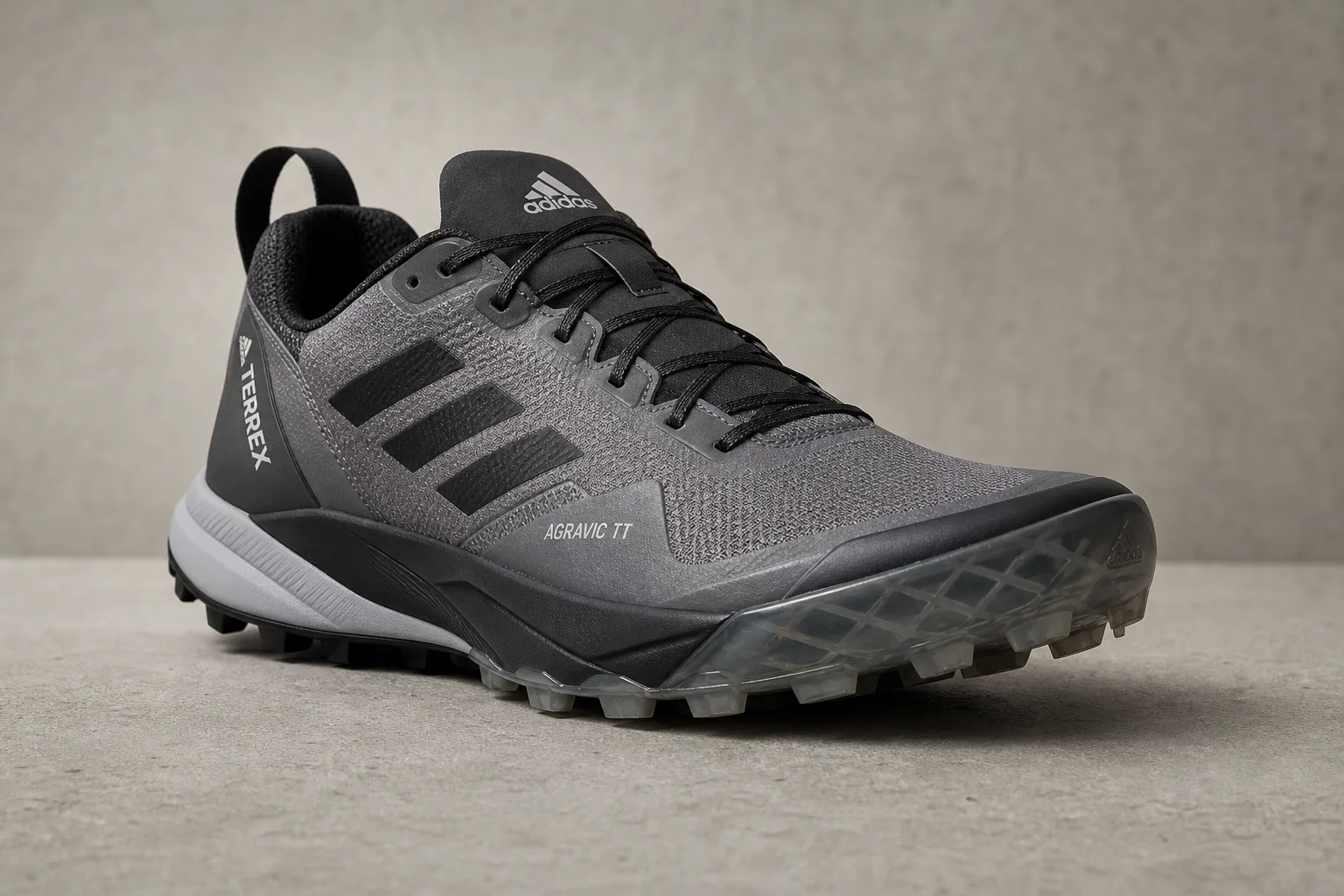
Adidas Terrex Agravic TT Review: A Technical Trail Shoe Built for Rocky Terrain
The Adidas Terrex Agravic TT combines a full-coverage rock plate with a firmer midsole to deliver protection and stability on technical, rocky trails. A capable choice for runners who prioritize underfoot defense over lightweight cushioning.
Trail Running Shoes
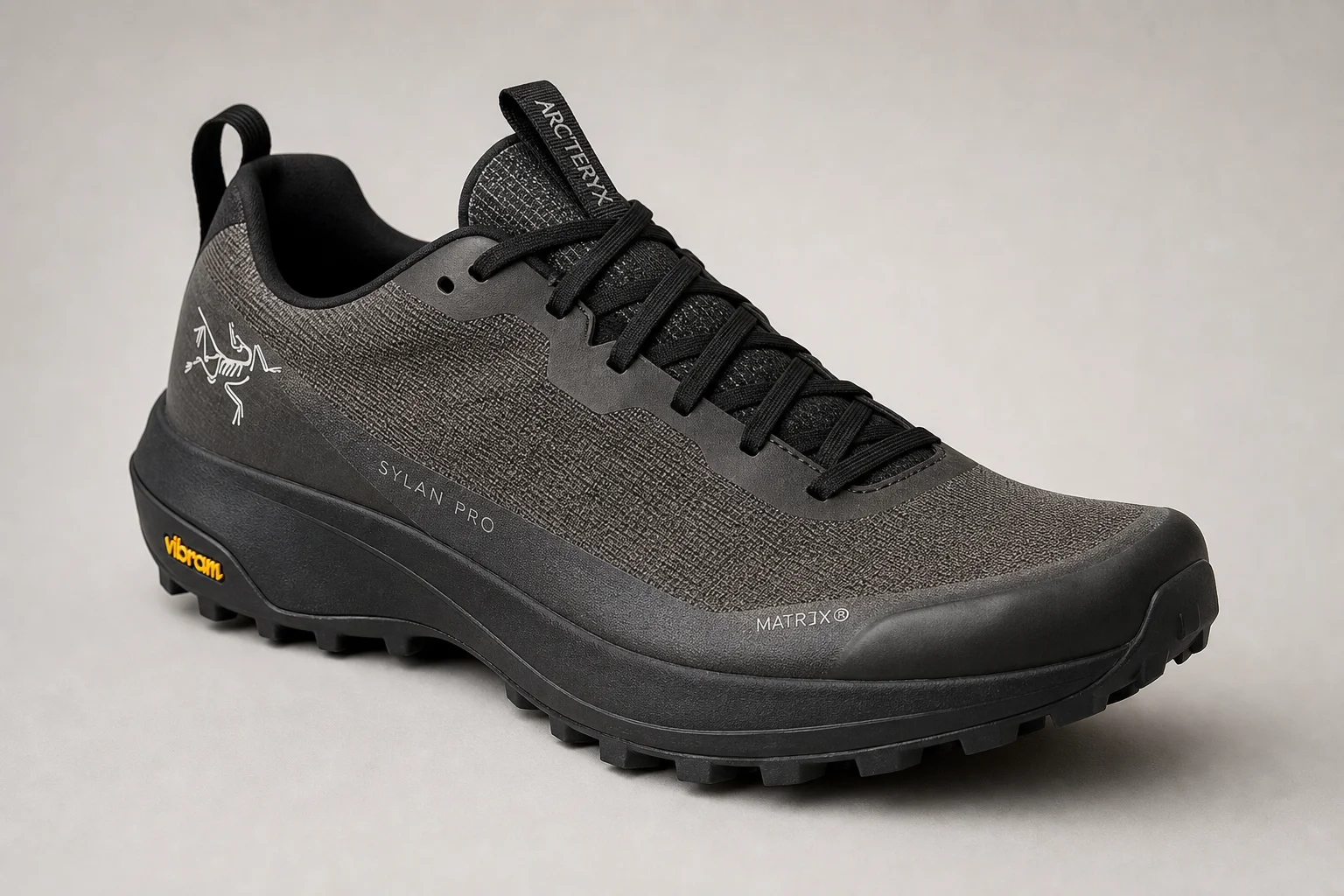
Arc'teryx Sylan Pro Review: A Rocker-Focused Mountain Running Shoe Tested on 20 Miles
The Arc'teryx Sylan Pro brings a pronounced rocker geometry and secure fit to mountain terrain. We tested it on a 20-mile Sawtooth loop to evaluate its climbing efficiency, protection, and handling of technical descents.
Trail Running Shoes
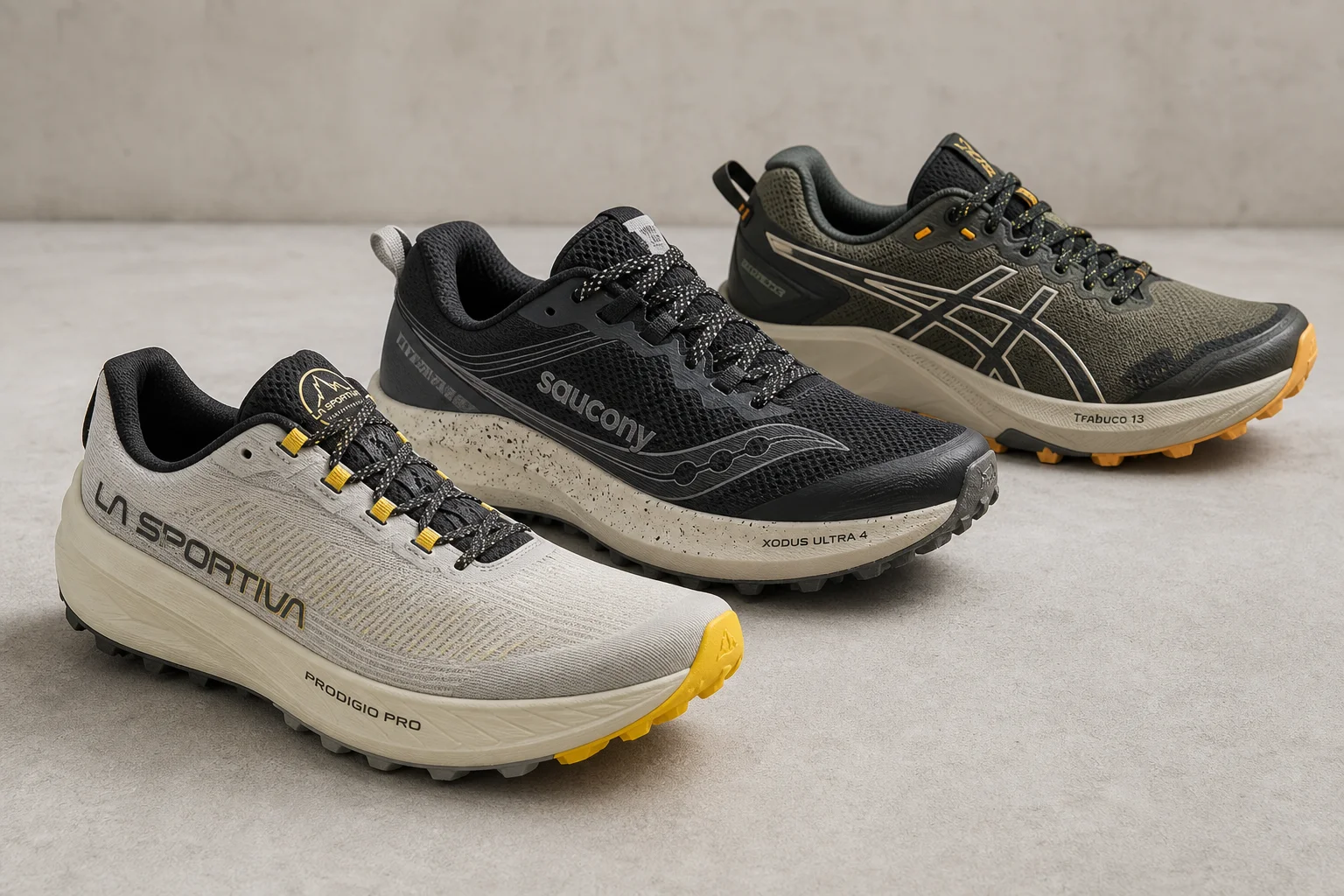
Best All-Mountain Trail Running Shoes: Three Versatile Options for Any Trail
A focused roundup of three all-mountain trail running shoes that handle technical terrain, long distances, and variable conditions with real strengths and practical trade-offs.