Running Shoes
Saucony Endorphin Trainer vs Kinvara Pro: Should You Upgrade?
The Endorphin Trainer brings bouncier IncrediRun foam, better durability, and more pace versatility compared to the Kinvara Pro. Here is which one fits your running.
Introduction
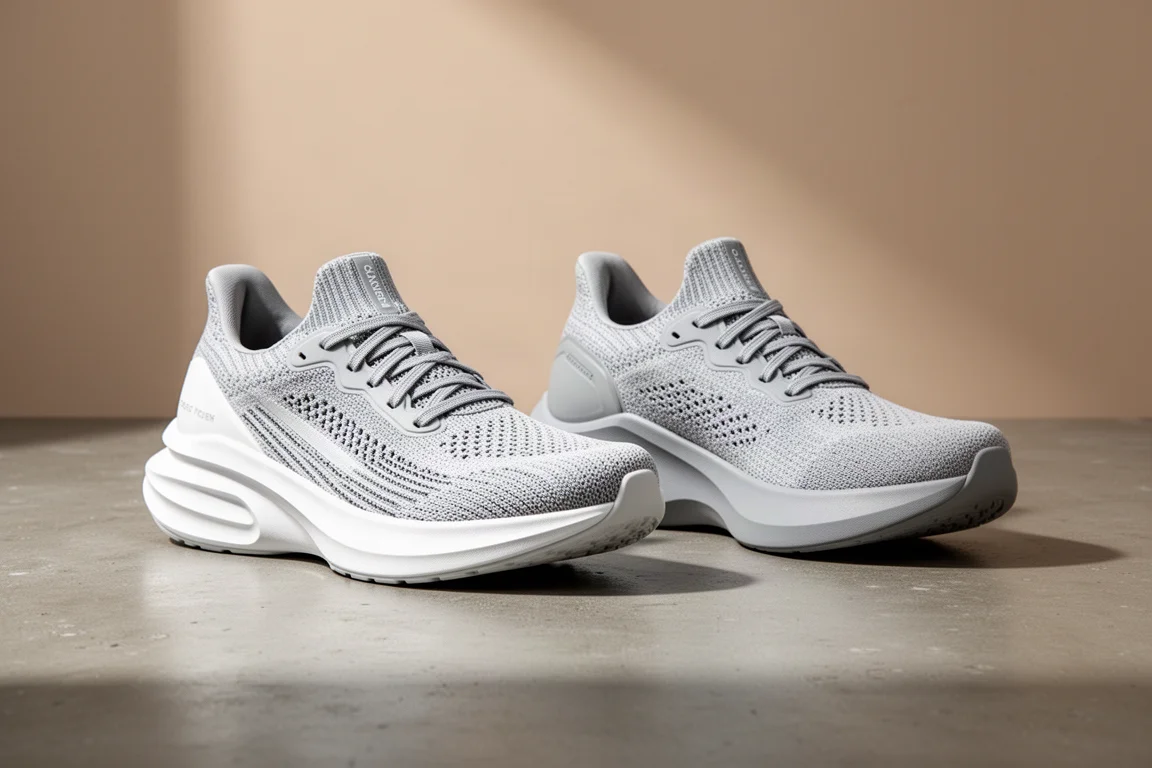
Some shoe lineups make upgrades obvious, and this is one of those cases. Even though the names are completely different, the Saucony Endorphin Trainer reads clearly as the next step up from the Saucony Kinvara Pro. It now sits properly in the Endorphin line, with a plate and a new foam blend that makes the whole package feel more coherent.
This is a large upgrade over the previous version, and in our view it made the shoe a genuinely better option. The purpose here is to help you figure out which one suits you, and if you are currently running in the Kinvara Pro, whether the Endorphin Trainer is worth the move. Our short answer is yes, but the details matter, so let’s break it down.
Specs and Midsole Feel
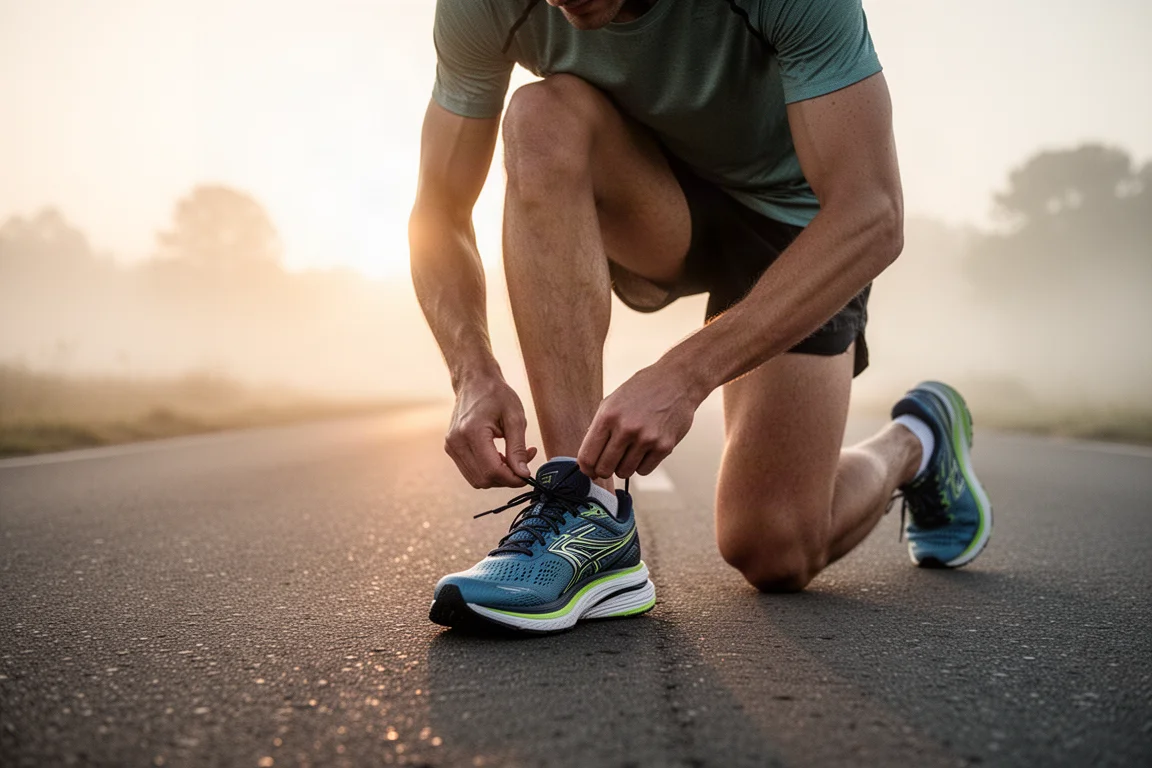
Measured in a men’s size 10, the Kinvara Pro comes in at 10.5 oz (about 298 g). The Endorphin Trainer weighs 302 g, or 10.7 oz, so despite all the changes there is only a tiny weight difference, smaller than the early specs suggested.
Stack heights are also very close. The Kinvara Pro is 42 mm in the heel and 34 mm in the forefoot for an 8 mm drop, while the Endorphin Trainer measures 41 mm heel, 33 mm forefoot, with the same 8 mm drop.
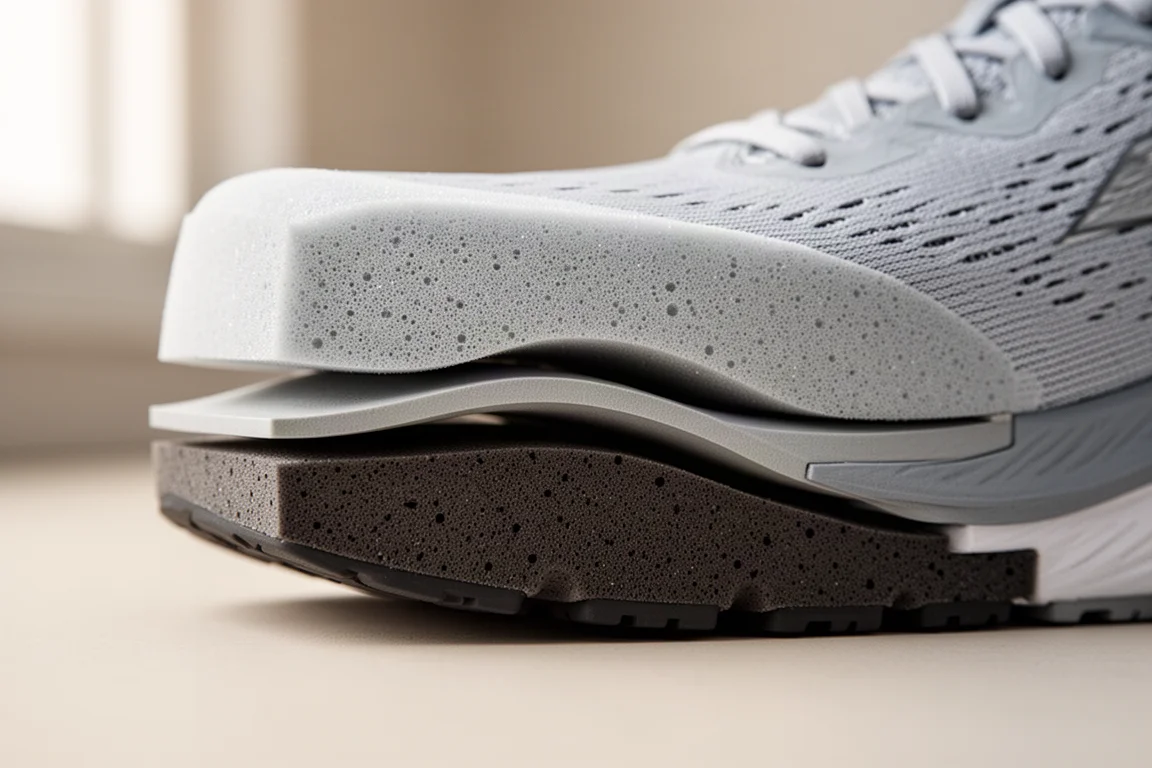
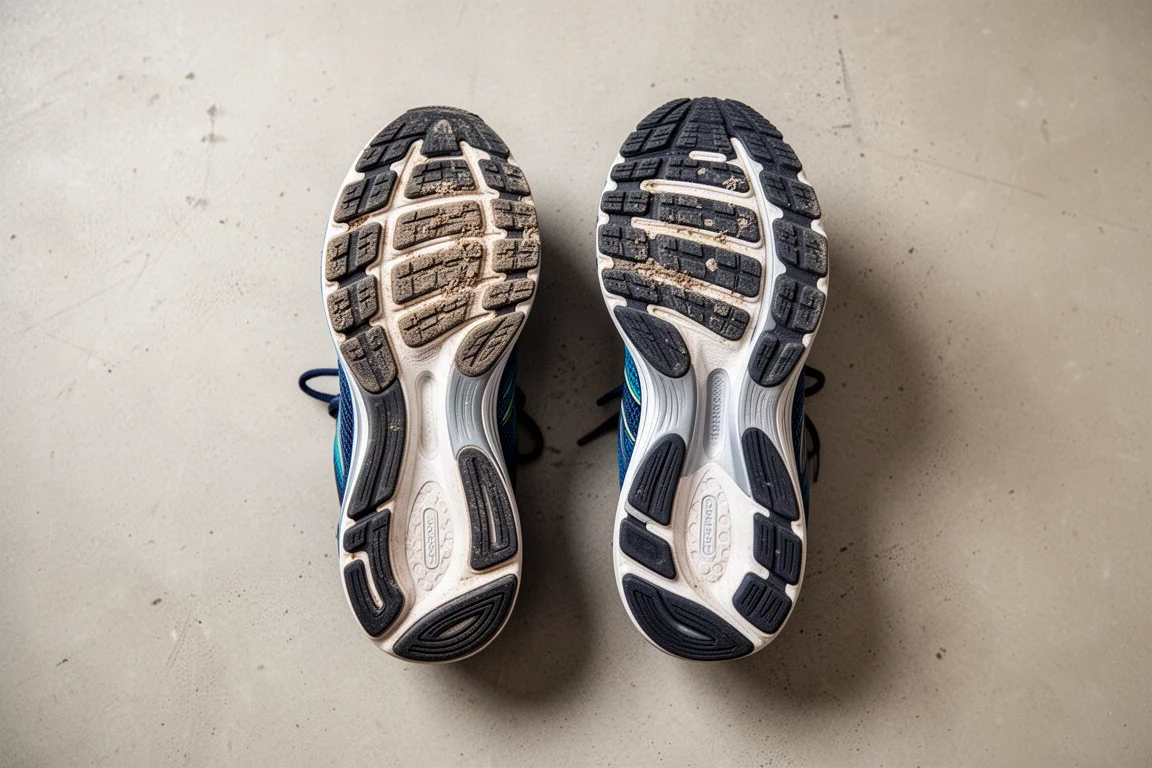
The real difference is underfoot. The Endorphin Trainer is a lot softer thanks to a new top layer of IncrediRun foam, which is incredibly bouncy and, appropriately named. That bounce is balanced really well by the EVA and PowerRun material underneath, and combined with the 3/4 plate the ride feels snappy and lively. The Kinvara Pro runs a little firmer, partly because of its exposed outsole, and the previous version had some serious durability issues, with soles ripping early.
The new version now includes outsole pieces that make the shoe last longer. It still wears down for runners who land at the lateral midfoot or forefoot, but heel strikers should see noticeably better durability. One test pair already has almost 100 miles on it and is holding up far better than before.
Ride and Pace Versatility
The Kinvara Pro could handle easy runs, some uptempo efforts, and did really well at long runs. It was always a smooth, relaxed ride, just not an aggressive one.
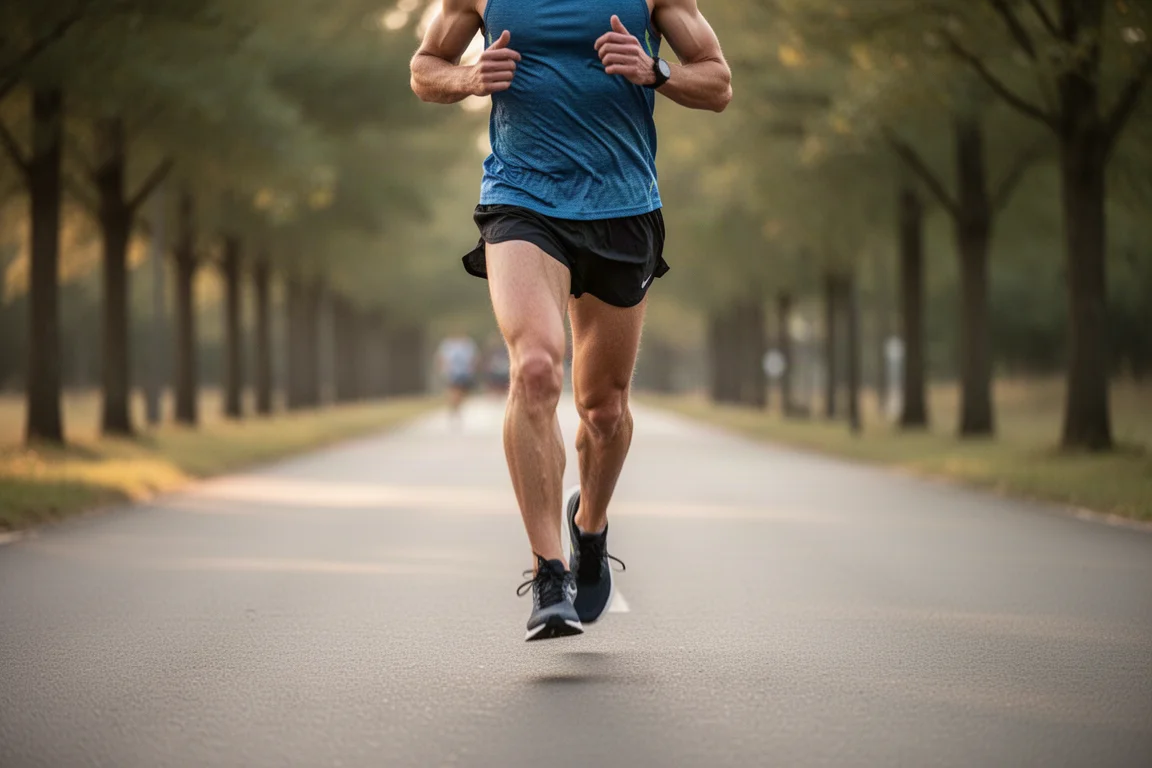
The Endorphin Trainer still does very well at long runs and easy runs, but the bouncier foam gives it real pace versatility. Tempo runs, fartleks, and faster efforts feel noticeably easier, and it has been excellent for runners working on speed, leg turnover, and strength. For a lot of recreational runners, it also works as a great long-distance race day option, covering marathon to half marathon duties while still training well.
If you want a do-it-all plated shoe that can handle easy days, long runs, faster workouts, and occasional racing, the Endorphin Trainer is the stronger choice. If you prefer a rolling, more relaxed ride focused on easy and comfortable efforts, the Kinvara Pro still delivers that nicely.
Stability
Both shoes count as stable neutral rides, with a small caveat: both have a slight lateral bias at the heel and midfoot. In the Endorphin Trainer, the IncrediRun foam balances this out somewhat. The midfoot is filled in a bit more, and there is slightly more medial outsole flare than lateral, so runners who need a touch of medial stability are well served by both.
If you do not need that extra guidance, the newer shoe still edges ahead because the IncrediRun foam helps settle and keep you centered in the middle of the shoe, while the Kinvara Pro retains a bit more lateral lean.
Upper and Fit
These two uppers are very different. The Kinvara Pro has a low-volume, classic Saucony upper that feels a bit like the Kinvara. It sits low over the top of the foot, feels slightly tapered at the pinky toe, and delivers a secure, racing-style fit. It also needed some break-in time.
The Endorphin Trainer offers a lot more volume up top, with the same slight pinky-toe taper, so width-sensitive runners should still take note. The extra room makes it far more comfortable for easy runs and better able to accommodate some foot swelling on long days. The trade-off was a little heel slippage, but simply tightening the laces completely fixed it.
Which One Should You Buy?
Choose the Kinvara Pro if you have a narrower or lower-volume foot, want a slightly more balanced feel without as much bounce, and prefer a rolling ride that works best on easy and relaxed efforts.
Choose the Endorphin Trainer if you have a normal-width foot (it still fits a bit snug), want more volume and comfort, and want foam that bounces underfoot with a carbon plate that snaps off the forefoot. It handles easy runs, long runs, and faster workouts, doubles as a marathon or half marathon racer for recreational runners, and suits anyone who wants to train in a plated shoe while saving their super shoe for race day. In our view, it is the better of the two and the better upgrade.
Conclusion
The Endorphin Trainer earns its place in the Endorphin line. It keeps a similar weight and stack to the Kinvara Pro but adds a bouncier, better-balanced midsole, improved outsole durability for heel strikers, a roomier and more comfortable upper, and genuine pace versatility. If you are deciding between the two, the Endorphin Trainer is the upgrade worth making.
Product link
View more details for Saucony Endorphin Trainer
This product is mentioned in the review. Check the specifications, options, and compatibility before buying.
View more details for Saucony Endorphin TrainerFurther reading
Related Reviews

Running Shoes
Best Road-to-Trail Running Shoes: Three Versatile Options for Mixed Terrain
A practical guide to three road-to-trail running shoes that handle both pavement and mild trails, with clear strengths and trade-offs for different runner types.

Running Shoes
Best Running Shoes for Achilles Tendonitis: Three Options Explained
Three running shoes with different heel drops and support features designed to help reduce Achilles tendon pain during walking and running.

Running Shoes
Best Running Shoes for Women: Five Top Choices Ranked
A ranked guide to five women's running shoes, from versatile daily trainers to high-performance racing options, with real strengths and trade-offs for each.