Running Shoes
Saucony Endorphin Speed RunShield vs Endorphin Speed 2: Which One Fits Your Winter Running?
Two versions of the same midsole with very different personalities. We compare the water-resistant RunShield upper against the lightweight Speed 2 for wet roads, cold mornings, and everyday training.
Introduction
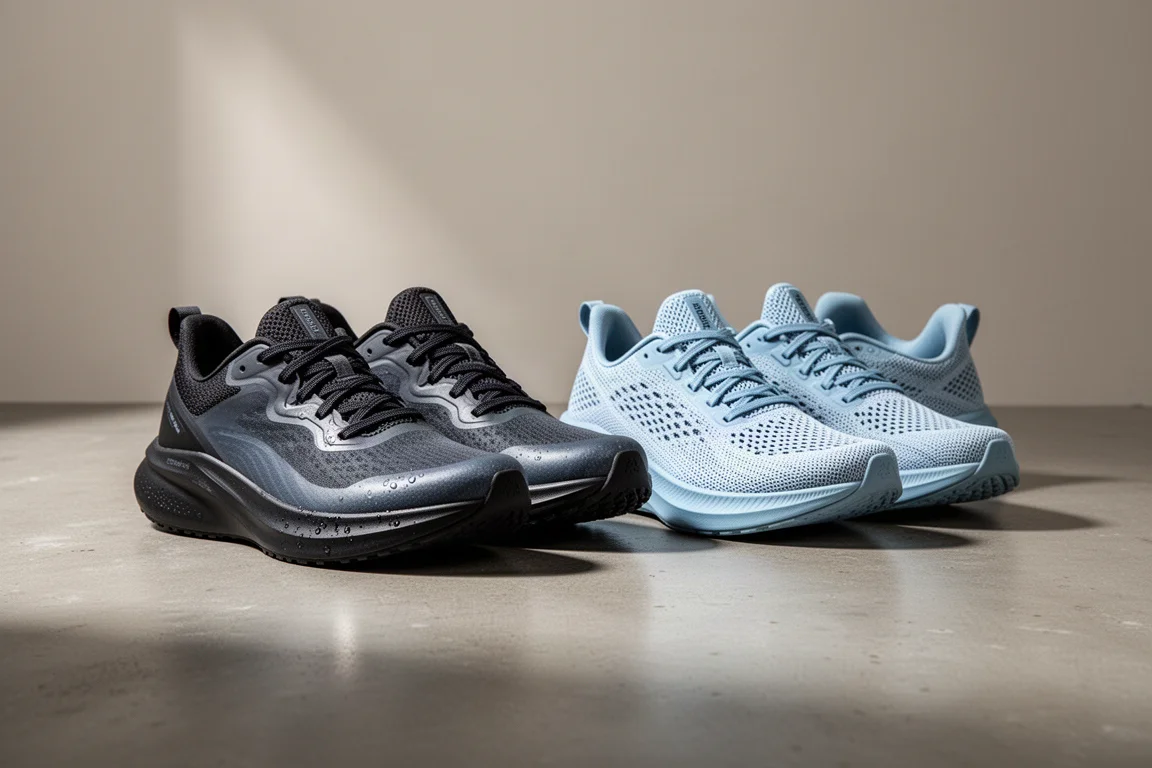
Saucony’s Endorphin Speed line has quietly split into two distinct shoes. The Endorphin Speed 2 is the familiar lightweight trainer with an ultra-breathable mesh upper, while the Endorphin Speed RunShield takes the same midsole and wraps it in a thicker, water-resistant upper built for rain, slush, and cold mornings.
We put serious mileage on both. One tester logged nearly 100 miles in the RunShield, while another ran the Speed 2 well past 50 miles before stepping into the RunShield for direct comparison. Since Saucony confirmed the midsole compound is unchanged between the two, the upper is what sets them apart, and it changes the shoe more than you might expect.
Here is how they compare across ride feel, weather protection, stability, and everyday use.
Saucony Endorphin Speed RunShield: The Wet-Weather Trainer
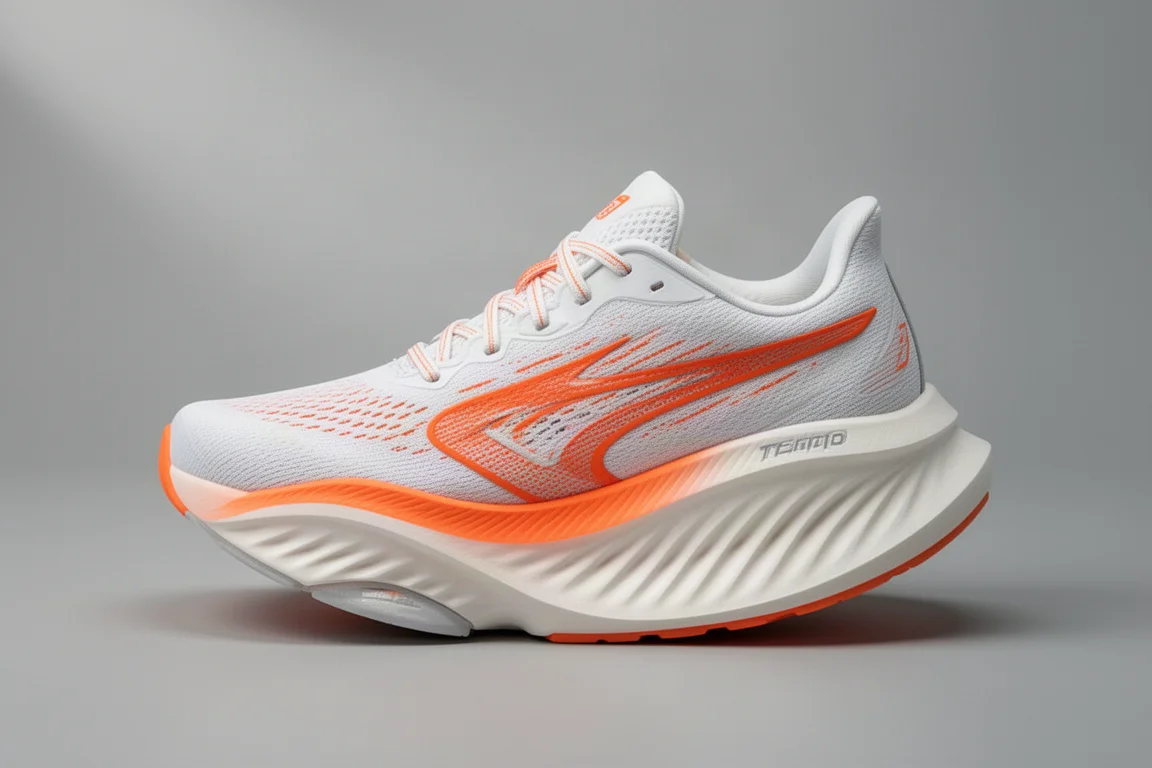
The RunShield’s defining feature is its water-resistant upper. It is not fully waterproof, but the mesh is much thicker than the standard Speed, with a softer material on the inside and a protective film-like layer on the outside that adds warmth and resists wet conditions.
In real rain, the shoe performed well. Traction on wet roads was solid, and feet stayed relatively warm and dry, which matters a lot on long runs in cold weather. Feet are an extremity, and once a traditional mesh upper soaks through, blood flow to them drops and they get cold fast. The RunShield largely avoids that problem. Another tester ran through a storm near New York City and reported the same: the top of the foot stayed dry in deeper puddles unless water came in through the collar opening, which is the one unavoidable weak point of any water-resistant design.

Interestingly, the thicker upper also changes the fit and feel. The foot felt more secure and locked down on the platform, and the shoe felt more stable and softer at the same time, even though it was less snappy than the standard Speed. Longer miles that sometimes caused trouble in the Speed 1 and 2 caused none in the RunShield.
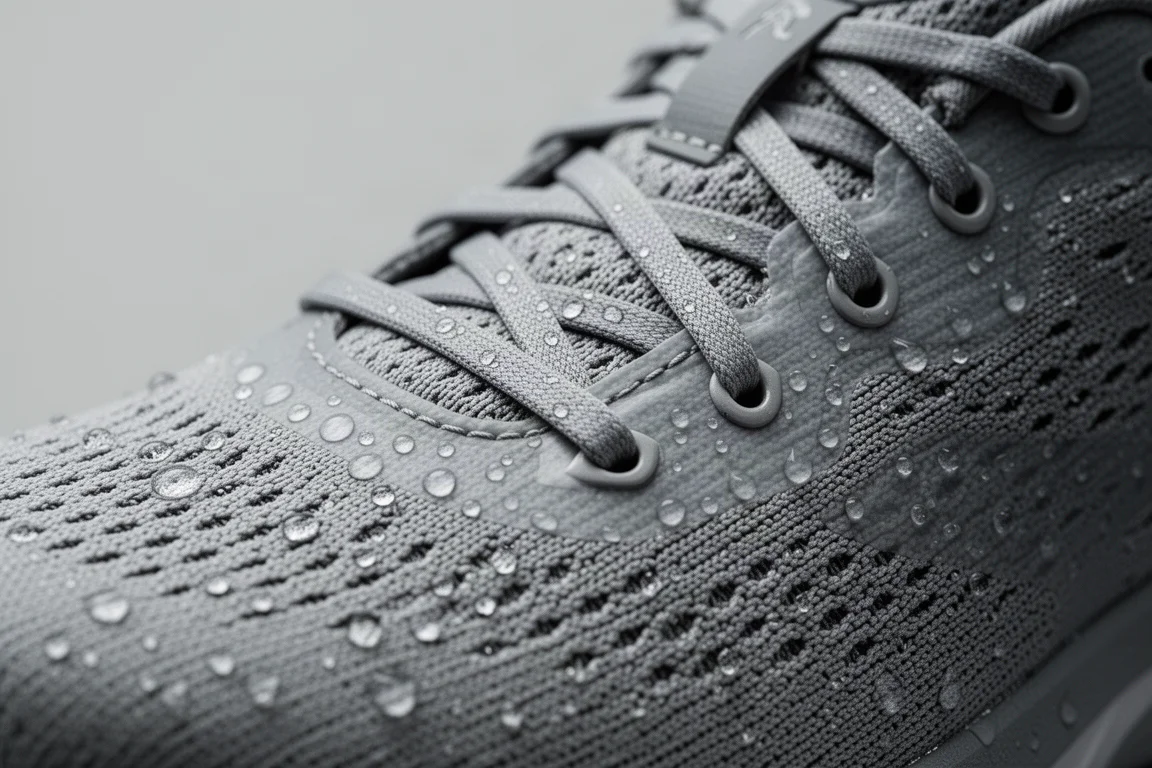
There are trade-offs. Traction in wet conditions is fine but nothing special, and the outsole grip does not feel remarkably different from the standard Speed. The RunShield also runs warm. Feet got warm even in 30s and 40s temperatures, though notably they did not sweat, which is unusual for water-resistant uppers. In 70 to 80 degree weather the shoe was tolerable for short morning runs, but for hot conditions the standard mesh makes more sense. Breathability is the price you pay for the protection.
Saucony Endorphin Speed 2: The Lighter Everyday Option
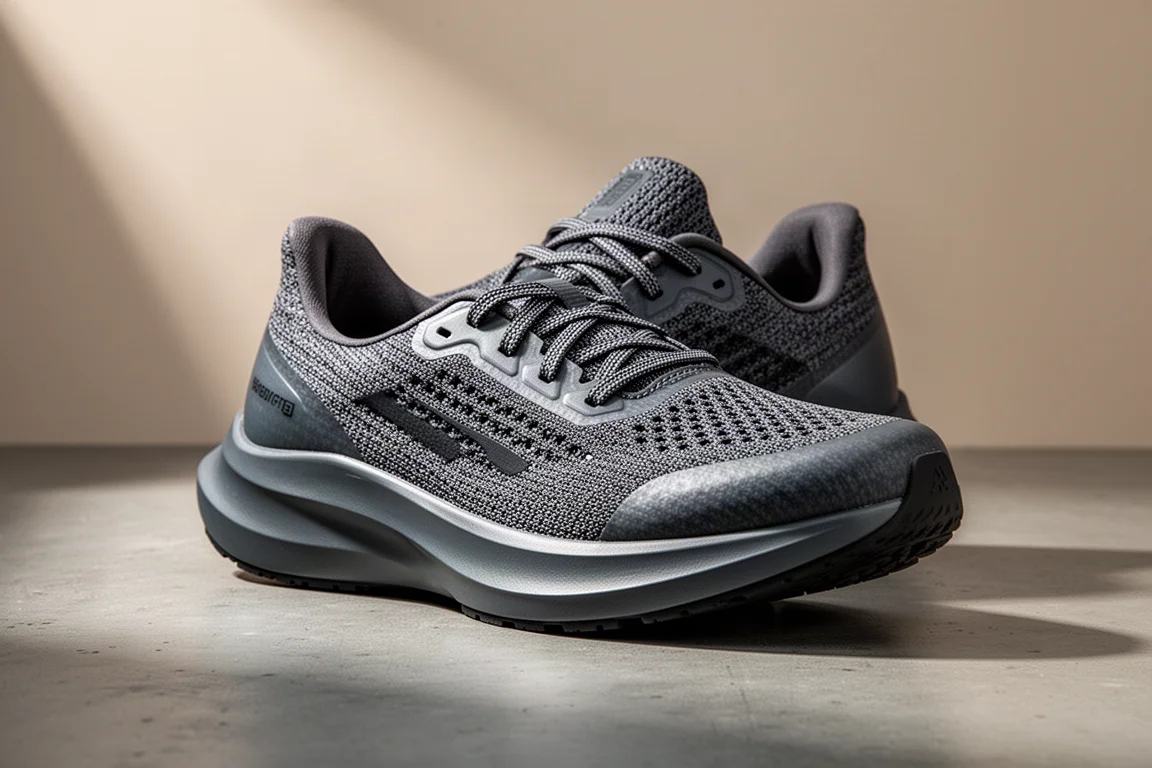
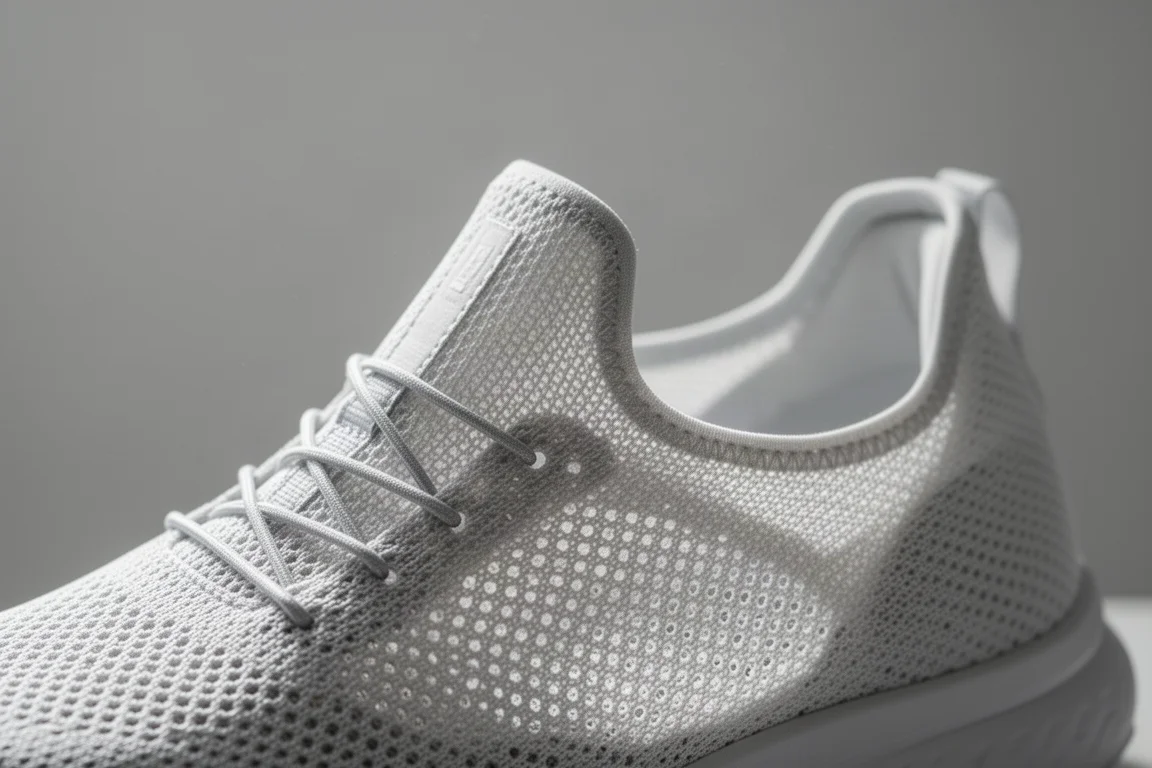
The Endorphin Speed 2 is the faster, airier shoe of the pair. Its super light mesh upper keeps weight down and ventilation high, which is exactly what you want in warmer weather and on quicker days.
With over 50 miles of testing, the Speed 2 proved to be a capable all-around trainer, though the thinner upper offers less structure and lockdown than the RunShield. One tester noted the foot could slide slightly on the platform in the standard Speed, which made the soft heel feel less controlled and occasionally led to soreness in the ankle muscles on longer efforts.
Snow performance was on par with most road running shoes. The outsole’s triangular grooves can latch onto packed areas of snow, though no road shoe grips everything, and icy conditions defeat nearly every outsole. This is still fundamentally a road shoe: it can handle a well-groomed trail in a pinch, but the platform is not built for anything rougher.
Buying Advice: Choosing Between the Two
The RunShield shifts the Speed formula one step further toward the training side of the spectrum. It is heavier than the standard mesh version, less snappy, and not the shoe most people will race in. What it offers instead is a secure, locked-down fit, a softer and more stable ride, and genuine protection from rain, wind, and cold. For easy days when you want something soft, light enough, and unfazed by bad weather, it makes a compelling case. It is also expected to shine in slush and cold wind, where the windproof nature of the upper should keep feet warmer, though full winter testing is still ongoing.
The Speed 2 remains the better pick for warmer climates, faster running, and runners who value breathability above all. If your winters are mild and dry, the RunShield’s warmth can become a liability.
One practical note for winter runners in general: look at the outsole. Some road shoes with nubbed or grooved outsoles handle wet roads, light snow, and easy trail far better than flat outsoles, which can struggle badly in snow. The RunShield sits in the middle. It is fine, not exceptional.

Conclusion
These are the same midsole with two very different missions. The Endorphin Speed RunShield is the wet-weather and cold-season trainer, rewarding runners who face rain, slush, and wind with a secure fit and drier, warmer feet. The Endorphin Speed 2 stays true to the Speed identity: lighter, snappier, and better suited to warm weather and quicker running. Pick the RunShield if bad weather is part of your training reality, and the Speed 2 if it is not.
Further reading
Related Reviews

Running Shoes
Best Road-to-Trail Running Shoes: Three Versatile Options for Mixed Terrain
A practical guide to three road-to-trail running shoes that handle both pavement and mild trails, with clear strengths and trade-offs for different runner types.

Running Shoes
Best Running Shoes for Achilles Tendonitis: Three Options Explained
Three running shoes with different heel drops and support features designed to help reduce Achilles tendon pain during walking and running.

Running Shoes
Best Running Shoes for Women: Five Top Choices Ranked
A ranked guide to five women's running shoes, from versatile daily trainers to high-performance racing options, with real strengths and trade-offs for each.