Running Shoes
Saucony Endorphin Speed 5 vs the Competition: How It Stacks Up Against Nike, Adidas and Puma
The Endorphin Speed 5 goes head to head with the Nike Zoom Fly 6, Adidas Adizero Boston 13 and Puma Deviate Nitro 3 on weight, ride, fit and price.
Introduction
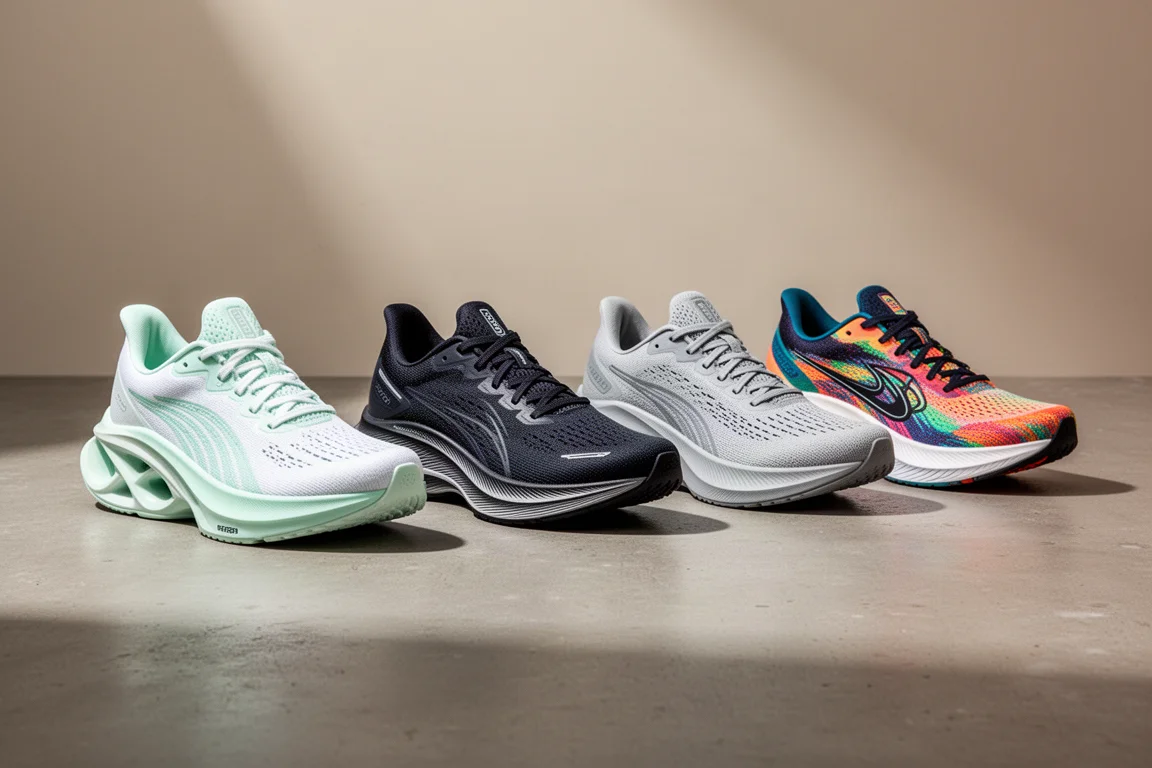
If you have been eyeing the Saucony Endorphin Speed 5 but wondering whether one of its rivals does the same job for less money, this comparison is for you. We put it up against three shoes with similar stack heights, similar tech and the same broad intended use: the Nike Zoom Fly 6, the Adidas Adizero Boston 13 and the Puma Deviate Nitro 3. All four shoes were tested extensively in the same size (UK 11 / US 12), so the observations below reflect real on-foot experience rather than spec-sheet reading.
How the Four Shoes Compare on Specs
The headline numbers already tell an interesting story. The Endorphin Speed 5 is the lightest of the bunch at 277 g, though it carries slightly less stack height than the Zoom Fly 6. The Boston 13 is the widest in the forefoot by some margin, while also being the narrowest in the heel, which shapes who it fits best. The Endorphin Speed 5 has the softest midsole of the group, measuring around Shaw A 23.
That softness comes at a cost: at £180, the Saucony is easily the most expensive shoe here, a full £40 more than the Boston 13. Price becomes a recurring theme throughout this comparison, because on raw performance the gaps between these shoes are genuinely small.
Versus the Nike Zoom Fly 6
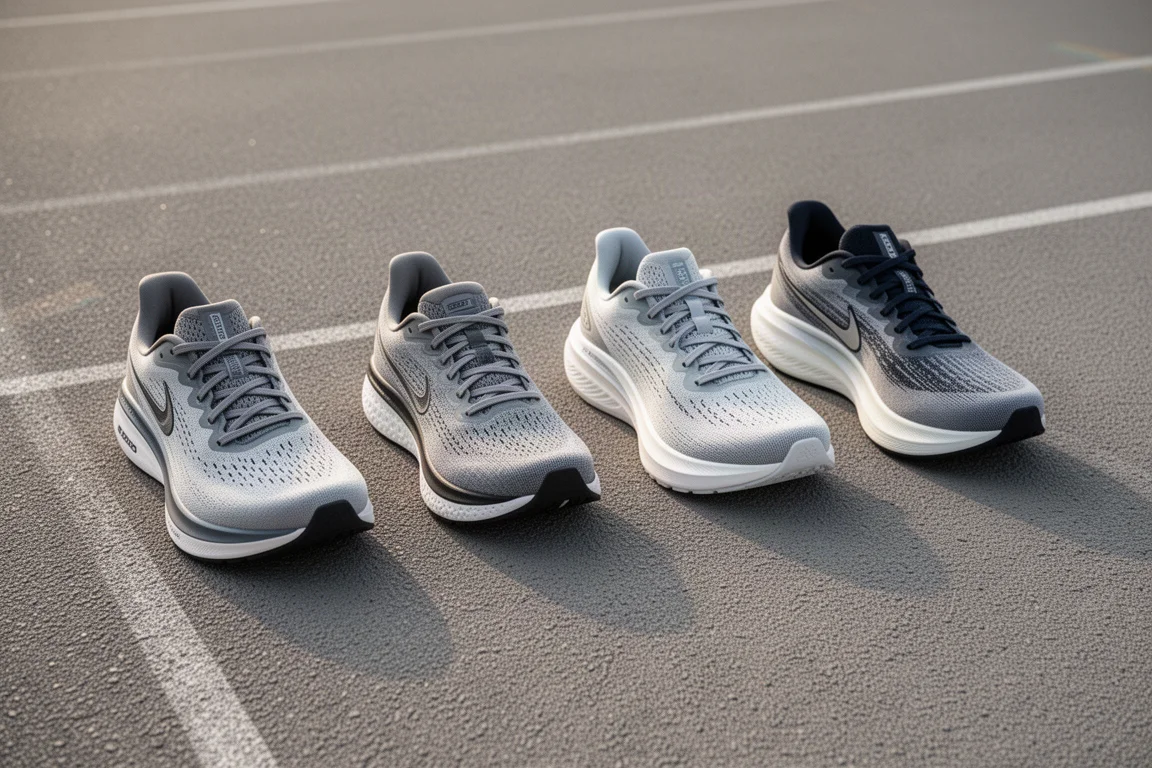
The Zoom Fly 6 is deceptively stacked. On paper it looks like a standard tempo trainer, but in hand there is noticeably more midsole under it than under the Endorphin Speed 5. Forefoot and heel widths are similar between the two, and both use a slightly more flexible plate than many rivals, which is a big part of why both shoes feel usable for just about any kind of run rather than only fast days.
Where they differ is the foam recipe. The Zoom Fly 6 layers two midsole foams: a slightly rubbery SR2 compound underneath and ZoomX on top for plushness. The Endorphin Speed 5 still feels a touch softer, with a nicely balanced responsiveness, and its full PE midsole offers a slightly more compressive, firmer feel that makes it easy to progress through the gears on faster efforts.
The upper is another point in Saucony’s favor. It is a little more breathable than the Nike’s and feels more like a traditional running shoe, the kind you could comfortably wear for an easy jog or a walk to the shops. The outsole is a genuine improvement for this generation too: there is more tackiness to it, and it feels more assured at faster paces, including in wet weather. The Zoom Fly 6 arguably looks better and remains a very capable, versatile shoe, but pairing its price against the competition makes it feel a touch expensive, and the Speed 5 simply operates with a bit more nimbleness while staying in a weight range many would still call racing-shoe territory.

For Saucony, the pricing is the sticking point. Drop the Endorphin Speed 5 to somewhere around £160 and it would become a much easier recommendation against the Zoom Fly 6, which wins mainly on price and versatility.
Versus the Adidas Adizero Boston 13
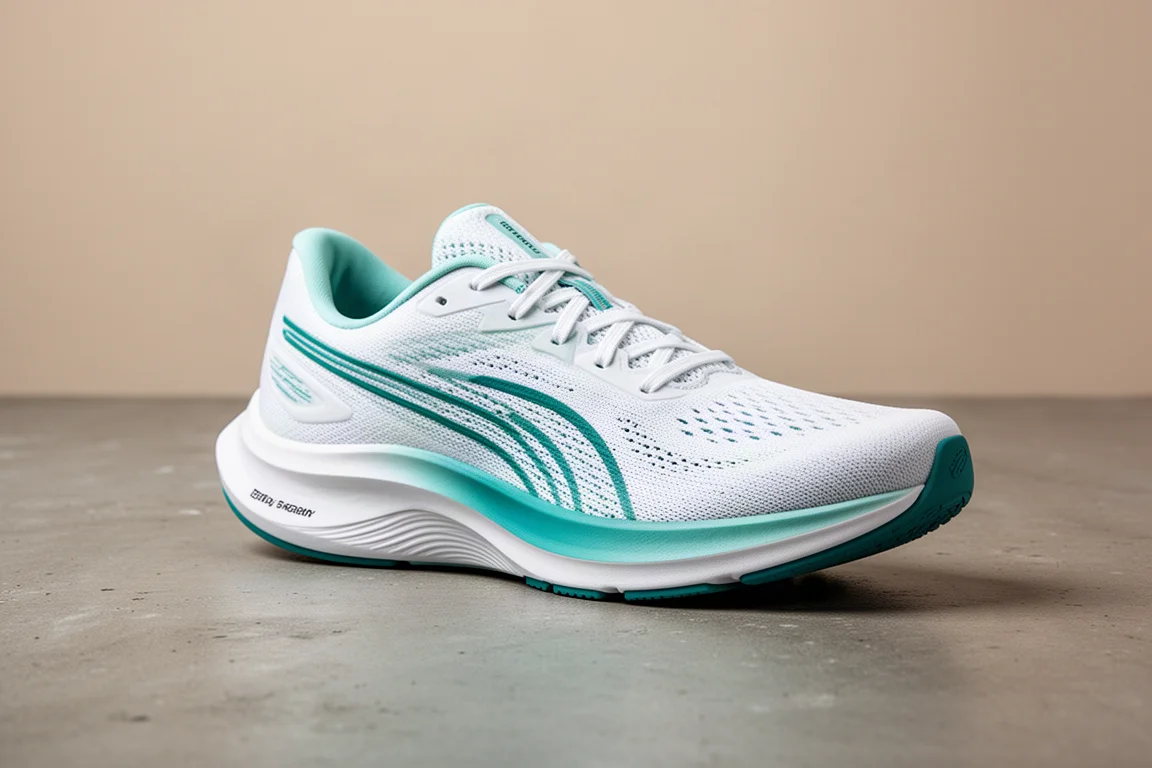
Once again, price leads the conversation. The Boston 13 comes in at £140, and Adidas is genuinely delivering strong value with this shoe. It is about 15 g heavier than the Endorphin Speed 5, but with a £40 price gap in its favor, that weight penalty is easy to forgive for many runners.
The Boston’s strengths are fit, durability and everyday usability. Its outsole, a combination of Continental rubber and Light Traction material, grips superbly and is showing excellent durability in the short term, though the Speed 5 has clearly improved in this area over its last couple of versions. On fit, the Adidas feels slightly more dialed in, particularly for narrower feet, though the Saucony’s upper is still quite configurable. That said, the Speed 5’s upper does not feel as generous as the previous version’s, and it offers a more traditional feel over the top of the foot compared to the slightly plasticky Adidas.
Underfoot, the contrast is clear. The Boston 13’s extra forefoot width makes it a cruiser, even though its heel is notably narrow, which is one area where Adidas may put some people off. The heel of the Endorphin Speed 5 has a nice compressive feel and produces a pleasing rolling action, while the Boston’s midsole is firmer and denser. If forced to keep just one, the cheaper, better-fitting Adidas edges it, but it is a close call. And if you are doing serious speed training, the lighter Saucony remains the more natural pick.
Versus the Puma Deviate Nitro 3
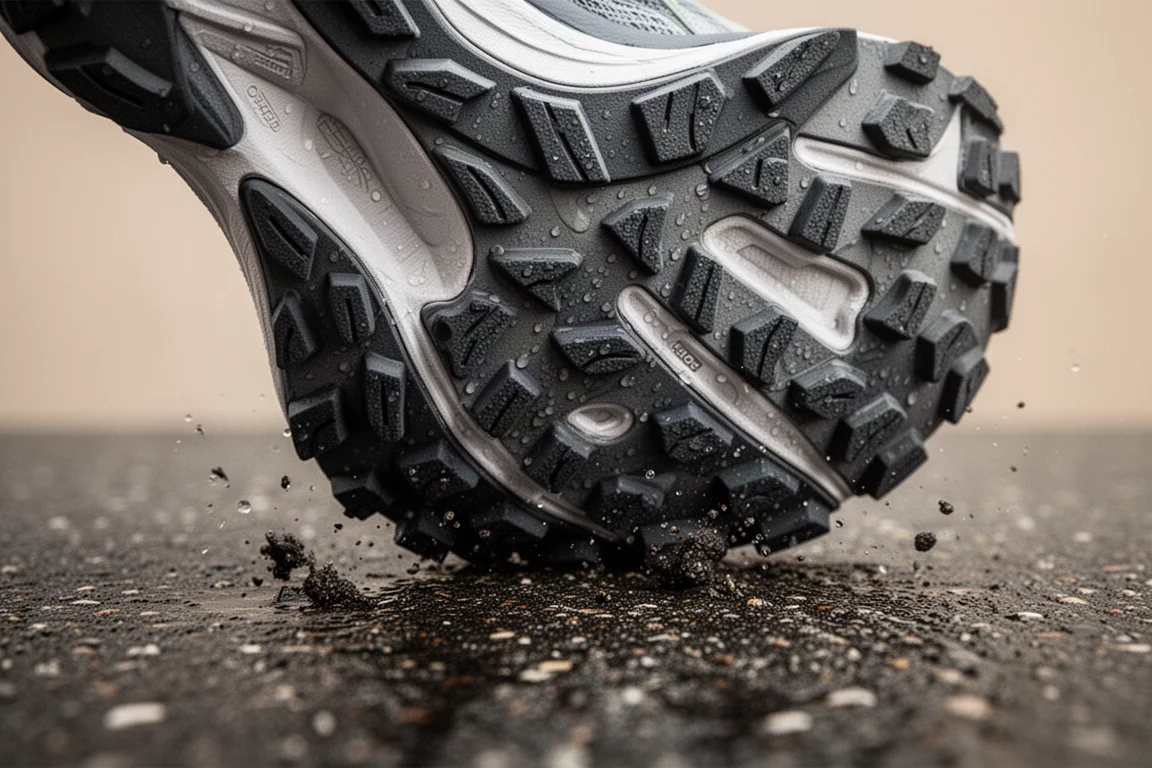
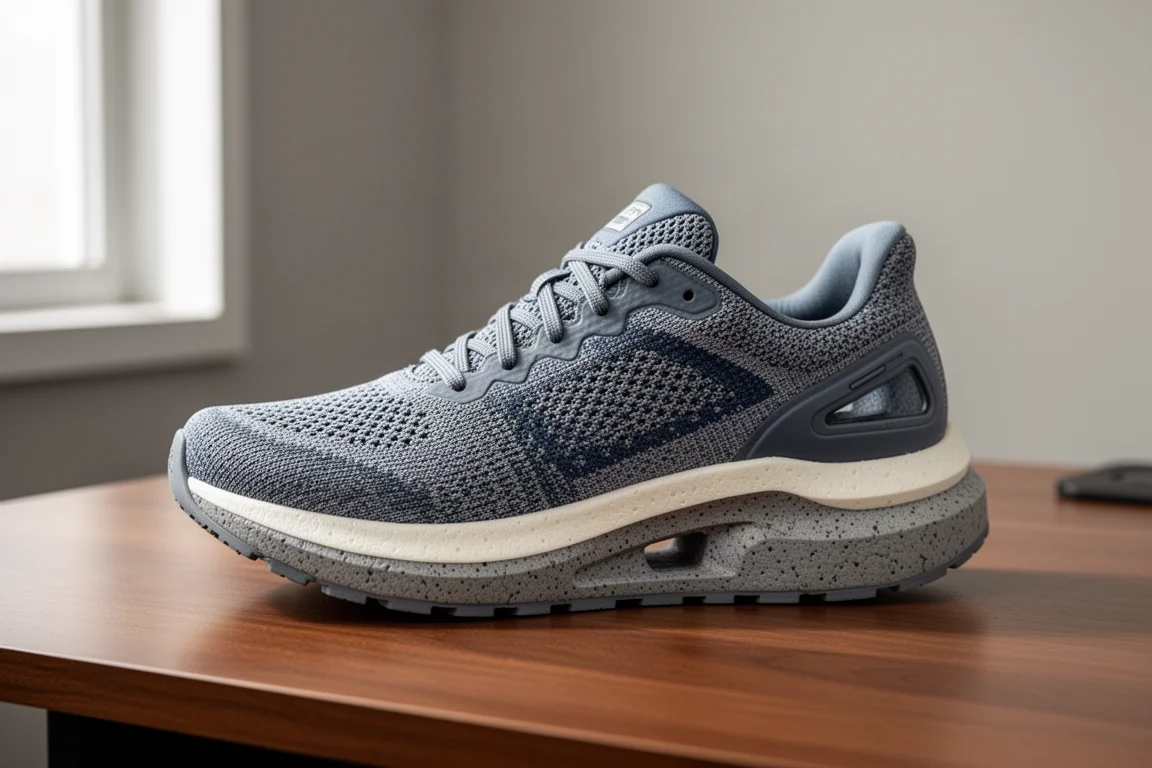
This is the matchup where the differences are most noticeable. The Deviate Nitro 3 is heavier, with roughly a 1.5 ounce gap between the two shoes, and part of that extra weight sits in the outsole: Puma applies a much more aggressive and thicker layer of rubber with some quite serious lugs. That is reassuring for traction but could be a concern if you regularly run on terrain with debris or slippery, muddy patches.
The plate construction differs too. The Puma uses a carbon plate and feels a little more rigid, tuning it toward faster tempo efforts, while the Endorphin Speed 5’s nylon plate simply feels better at slower paces. The Nitro foam is firmer and denser than the Saucony’s PwrRun PB, which has broken in nicely and delivers a more consistently soft ride.
Fit is the deciding factor. The Puma’s narrow forefoot with an aggressive lateral taper will not suit everyone, and while the Saucony is not overly generous either, it is more accommodating if you have voluminous toes. The upper in the Nitro 3 never quite dialed in, and combined with the weight and narrow forefoot, that makes this a fairly clear win for the Endorphin Speed 5.

Buying Advice
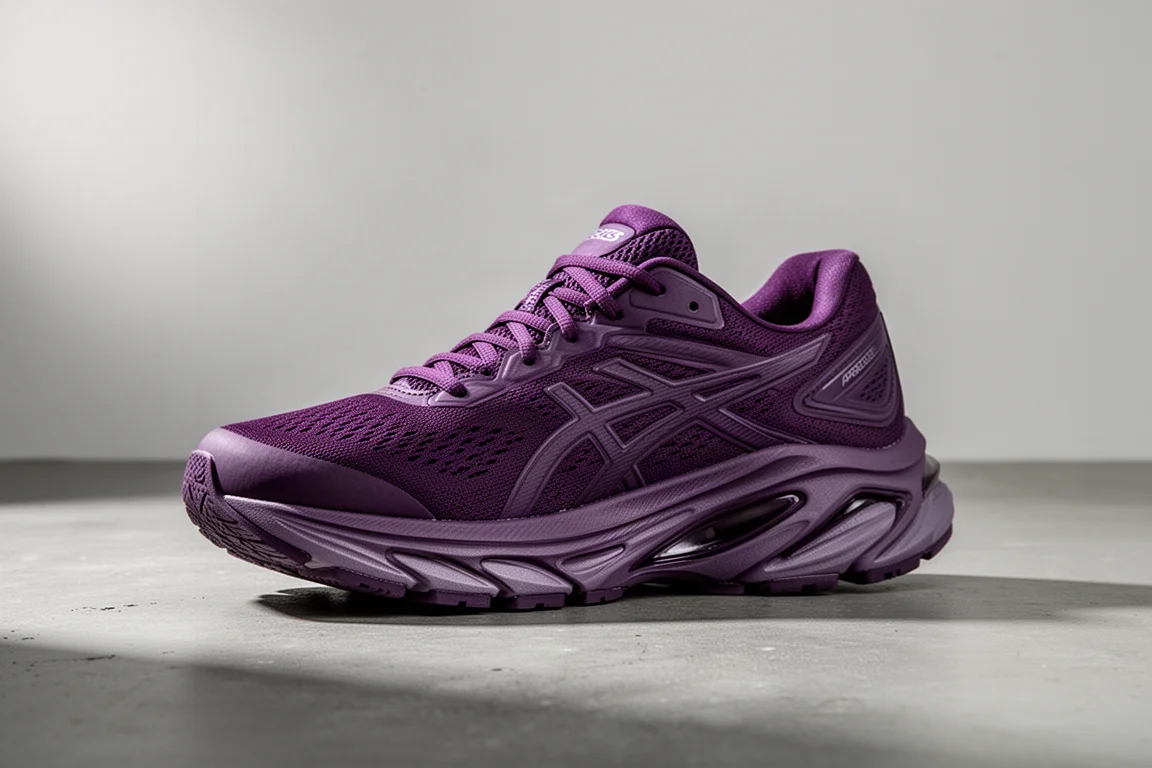
The right choice here depends on what you value most. If you want the most versatile, nimble shoe of the group and can accept the premium, the Endorphin Speed 5 earns its place with the lightest weight, the softest ride and an improved grippy outsole. If value, durability and forefoot room matter more, the Boston 13 at £140 is superb and arguably the easiest decision of the four. The Zoom Fly 6 remains a capable all-rounder with a plush two-foam midsole, and the Deviate Nitro 3 suits runners with narrower feet who favor a firmer, carbon-plated tempo shoe.
Conclusion
The Saucony Endorphin Speed 5 still sits near the top of the tempo trainer category. It is the lightest and softest of this group, more breathable than the Nike, and a clearer win over the Puma for most foot shapes. Its main weakness is price: at £180 it asks a lot, and both the Zoom Fly 6 and especially the £140 Boston 13 put real pressure on that premium. If Saucony adjusted the price downward, this would be an easy recommendation for almost everyone. As it stands, buy it if the fit and ride suit you, and look to the Boston 13 if value comes first.
Further reading
Related Reviews

Running Shoes
Best Road-to-Trail Running Shoes: Three Versatile Options for Mixed Terrain
A practical guide to three road-to-trail running shoes that handle both pavement and mild trails, with clear strengths and trade-offs for different runner types.

Running Shoes
Best Running Shoes for Achilles Tendonitis: Three Options Explained
Three running shoes with different heel drops and support features designed to help reduce Achilles tendon pain during walking and running.

Running Shoes
Best Running Shoes for Women: Five Top Choices Ranked
A ranked guide to five women's running shoes, from versatile daily trainers to high-performance racing options, with real strengths and trade-offs for each.