Running Shoes
Saucony Endorphin Speed 5 vs Endorphin Azura: Two Lightweight Trainers, Very Different Rides
On paper they look similar, but the plated Speed 5 and the plateless Azura feel surprisingly different. Here is how they compare on stack height, ride feel, stability, fit, and durability.
Introduction
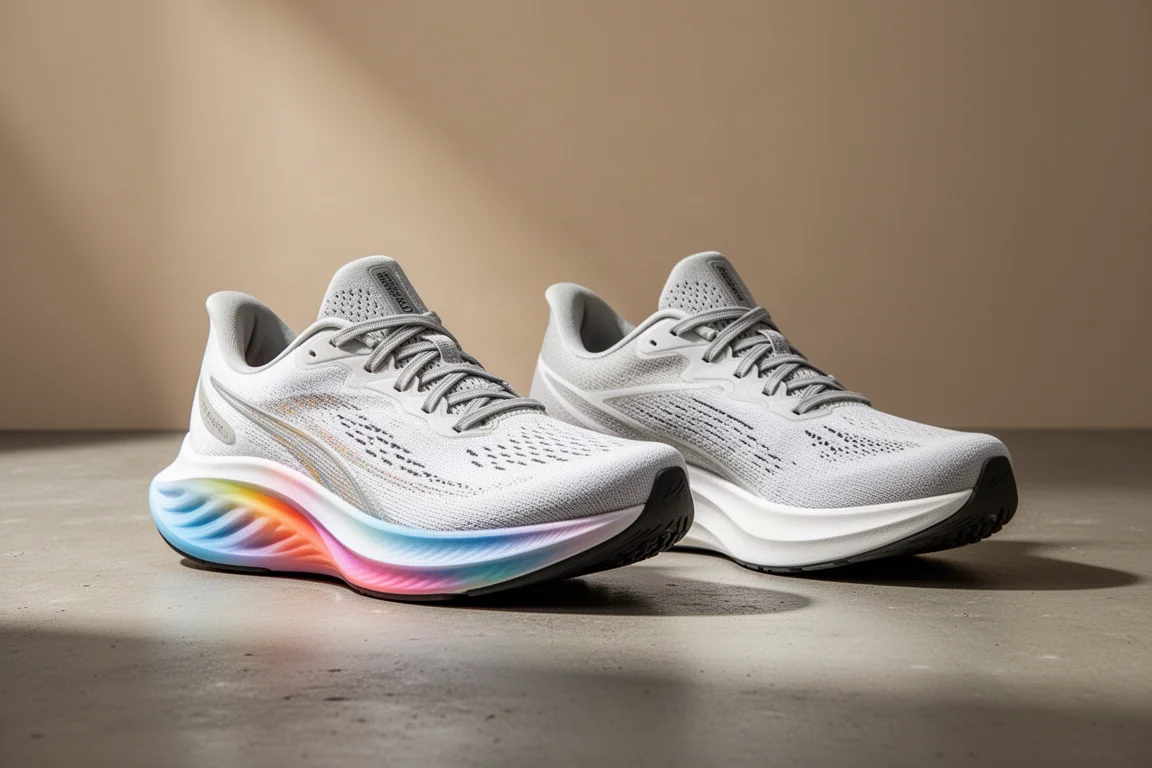
The Saucony Endorphin Speed 5 and the Saucony Endorphin Azura look like close siblings on a spec sheet. Both are lightweight trainers with tall foam and an 8 mm drop, and both have been used for easy days, long runs, and workouts. On foot, however, they turn out to be very different shoes, and the differences in price, stack height, and construction genuinely change how each one rides.
The biggest surprise is how the plate works out. The Endorphin Speed 5 has a nylon plate, yet it is the softer, smoother, more flexible shoe of the pair. The plateless Azura is actually the firmer and snappier one, with a more aggressive rocker and a more structured fit. Understanding those contrasts is the key to picking the right one.
Specs: Size and Stack Height Comparison
In a men’s size 10, the Endorphin Speed 5 weighs 256 g, about 9 oz. The Azura, despite a taller stack height, is actually lighter at 246 g, or about 8.6 oz. That combination of more foam underfoot and less weight is one of the more interesting spec quirks here.
Stack height is where the shoes split more visibly. The Endorphin Speed 5 measures roughly 36 or 37 mm in the heel and 28 or 29 mm in the forefoot depending on the measurement source, for an 8 mm drop. The Azura comes in at 40 mm in the heel and 32 mm in the forefoot, also with an 8 mm drop. So the Azura is the taller, slightly lighter shoe, while the Speed 5 sits a bit lower with a bit more weight.
Midsole and Ride Feel
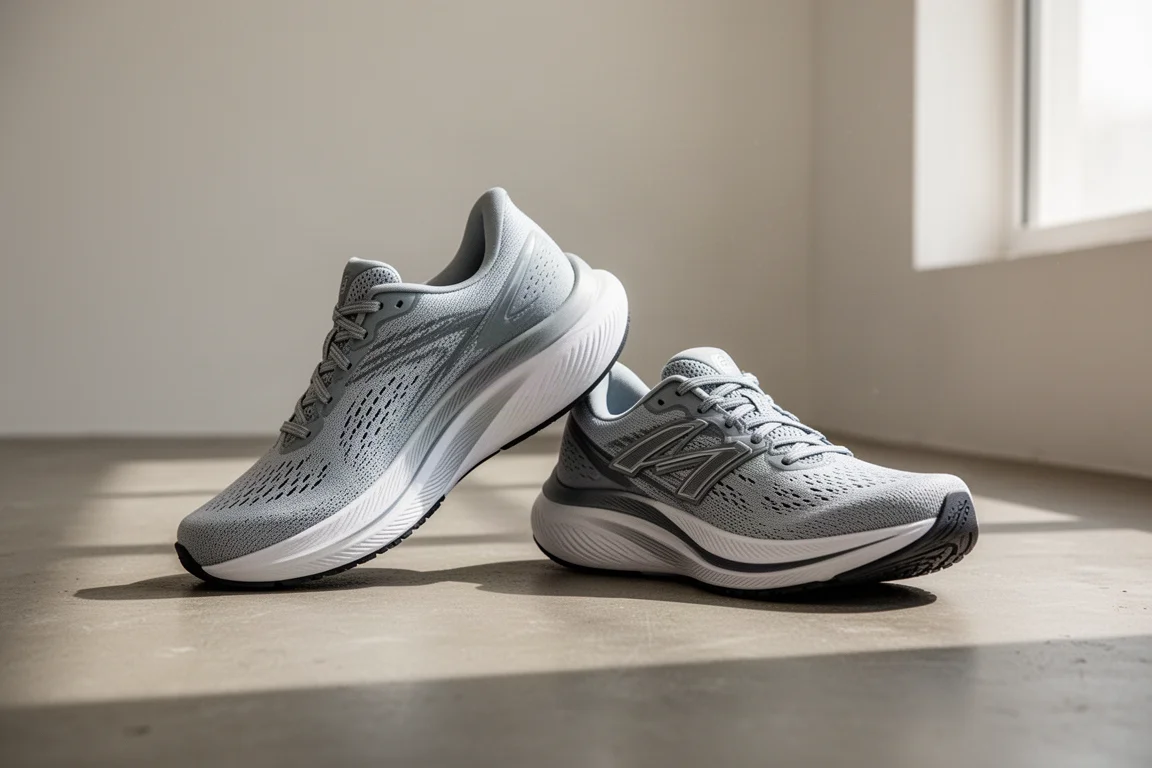
Despite carrying the plate, the Endorphin Speed 5 is the softer and smoother shoe of the two. Its longer forefoot rocker helps it transition a little earlier, which gives it a more relaxed forefoot ride. That smoothness is a big part of why it feels better suited to long runs.
The Azura, on the other hand, is firmer and snappier. It is still a highly cushioned, max-stack shoe with plenty of foam underfoot, but comparatively it has a quicker, more responsive feel. Its rocker is more aggressively beveled, with a later forefoot pivot point, and the flex point sits too far ahead of the toe joints. With about 50 miles on the pair, it has not broken in much, and the misplaced flex point makes the shoe feel stiffer than the lack of a plate would suggest.
The practical takeaway: a plate or a super foam does not automatically make a shoe faster. Even with similar foam, these two feel really different. If you want softer and smoother, the Speed 5 is the pick. If you want a firmer, snappier ride for how much shoe is in there, the Azura is the better option.
Stability: A Surprising Strength
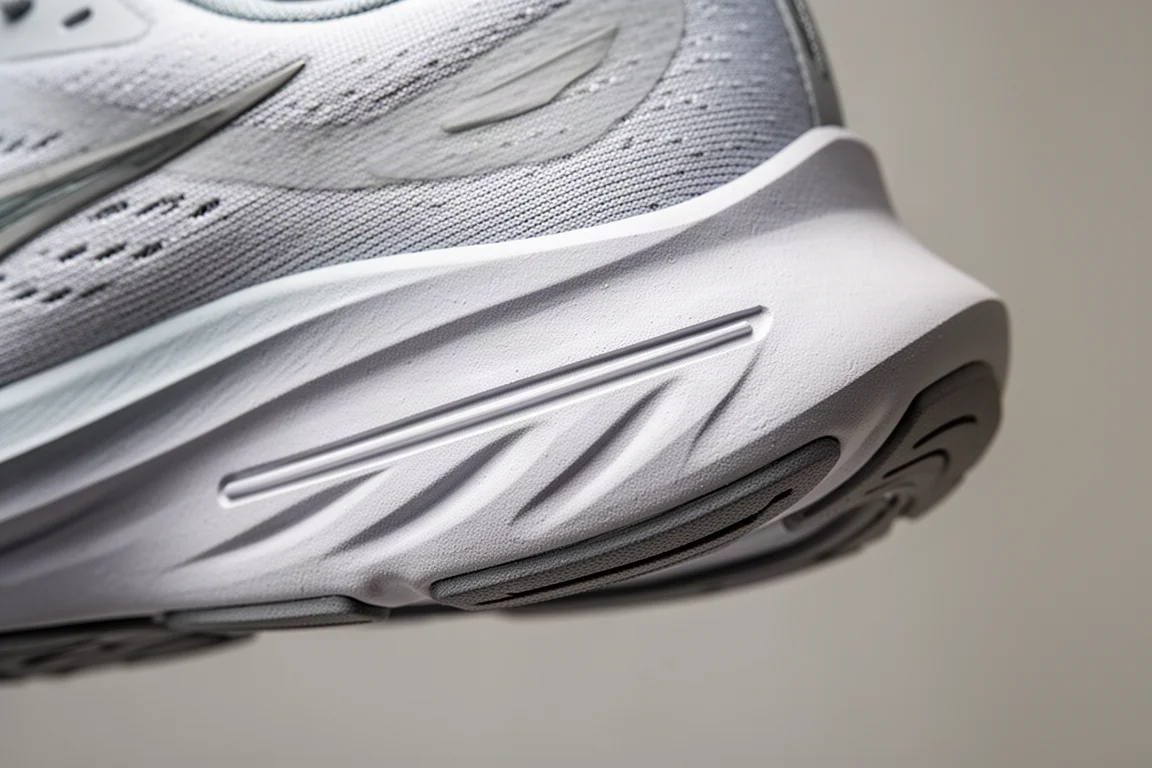
Both shoes offer a surprising amount of medial stability, but the Azura wins this category. It feels like a mild stability shoe, arguably more stable than some dedicated guidance-style trainers, thanks to very large medial sidewalls. Those sidewalls push up into the medial side of the foot almost like a mild post, which is great if you like that sensation and potentially off-putting if you are sensitive to it.
The Speed 5 still carries a decent lateral bias, which some runners will appreciate, but its softer midsole and less aggressive sidewalls make it feel noticeably less stable. In both shoes, a crease on the lateral side of the heel and more material filled in on the medial side mean the medial side compresses less and the lateral side more, adding natural guidance.
For runners with mild stability needs who also want to race or run workouts, the Azura stands out as a particularly interesting option. It has already proven itself capable in workout settings, and it fills a gap as stable neutral racing shoes become harder to find.
Fit and Upper Differences
The uppers take very different approaches. The Endorphin Speed 5 removes many of the overlays and has a notably wider forefoot. Runners with narrower feet may struggle here; even with a normal-width foot, it took cranking the laces down to get a secure fit. If you want more forefoot room, the Speed 5 is the better choice.
The Azura has a lower-volume, more snug ride with significantly more overlays on the top of the foot. That adds structure and locks the foot down, with less stretch in the upper. It works better for normal to narrow feet, while the Speed 5 suits normal to wider feet.

Both shoes have stiff heel counters, but the rounded shape means neither has caused irritation. Do wear socks, though: the inner lining of the upper is a little scratchy.
Durability and Long-Term Notes
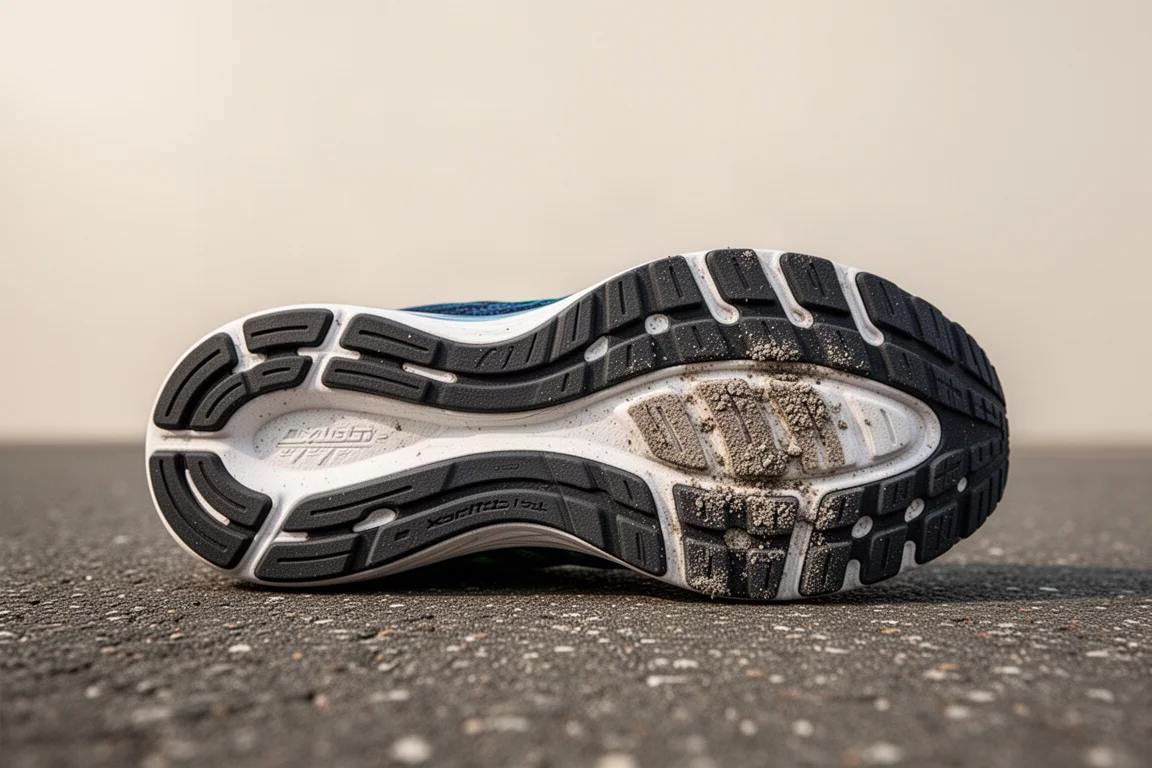
Durability is a mixed picture so far. The Endorphin Speed 5 outsole showed wear relatively early, at around 70 miles, while the Azura was going strong at 50 miles. That suggests the Azura may offer a bit more longevity, though longer-term testing is still needed on both.
The good news for either choice is that the midsoles have held their character. The Azura has stayed snappy and the Speed 5 has stayed soft, so if you are gentler on midsoles, a decent number of miles looks realistic from both shoes.
Buying Advice
Choose the Saucony Endorphin Speed 5 if you prefer a softer shoe with a smoother, more relaxed forefoot transition, need extra forefoot width, and want a plated lightweight trainer primarily for long runs and easy days.
Choose the Saucony Endorphin Azura if you like a firmer, snappier ride despite the max stack, want more medial stability, prefer a snugger low-volume upper, or are looking for a plateless trainer that can still handle workouts and even racing with mild stability needs.
Conclusion
These two shoes prove that similar specs can hide very different experiences. The plated Endorphin Speed 5 is the softer, smoother, roomier option, while the plateless Azura is lighter, firmer, snappier, more stable, and more structured in the upper. Matching the ride feel and fit to your own preferences matters far more than any spec sheet, so think about what you want on foot before you pick between them.
Product link
View more details for Saucony Endorphin Speed 5
This product is mentioned in the review. Check the specifications, options, and compatibility before buying.
View more details for Saucony Endorphin Speed 5Further reading
Related Reviews

Running Shoes
Best Road-to-Trail Running Shoes: Three Versatile Options for Mixed Terrain
A practical guide to three road-to-trail running shoes that handle both pavement and mild trails, with clear strengths and trade-offs for different runner types.

Running Shoes
Best Running Shoes for Achilles Tendonitis: Three Options Explained
Three running shoes with different heel drops and support features designed to help reduce Achilles tendon pain during walking and running.

Running Shoes
Best Running Shoes for Women: Five Top Choices Ranked
A ranked guide to five women's running shoes, from versatile daily trainers to high-performance racing options, with real strengths and trade-offs for each.