Running Shoes
Saucony Endorphin Speed 5 Review: Small Tweaks, Big Tempo Appeal, Plus Three Alternatives
The Endorphin Speed 5 refines an already excellent tempo shoe with a firmer, narrower shape. We also look at the Speed 4, Diadora Frequenza 2, and Brooks Hyperion 3.
Introduction
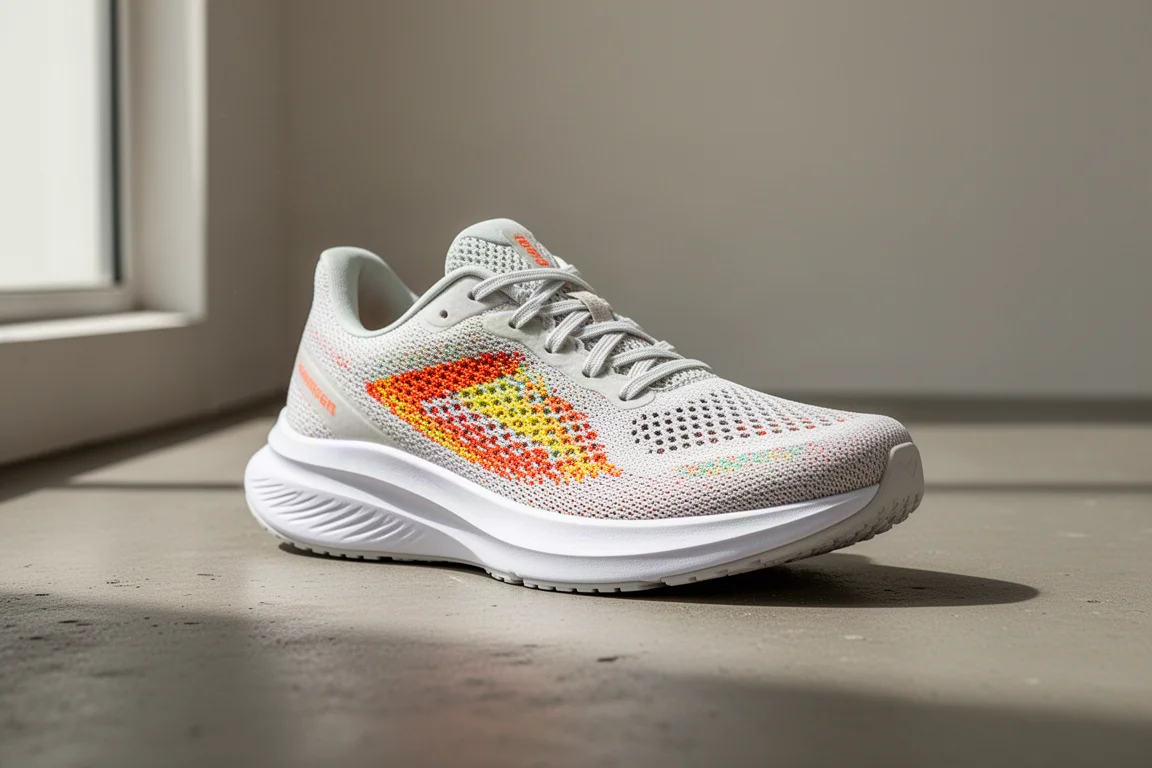
The Saucony Endorphin Speed 5 is a refinement of an already excellent tempo shoe. At first glance it does not look dramatically different from the Endorphin Speed 4, and the question worth asking is whether this is just an upper update you can ignore, or a case of small tweaks that make a real difference. After spending time in it across easy miles, long runs, recovery jogging, and hard threshold work, the answer leans firmly toward the latter: the changes are subtle, but noticeable where it counts.
In this guide we break down the Endorphin Speed 5 in detail, then compare it with the Endorphin Speed 4, the Diadora Frequenza 2, and the Brooks Hyperion 3 to help you decide which shoe fits your rotation and your budget.
Saucony Endorphin Speed 5: Specs and Construction
The Endorphin Speed 5 uses a 36 mm stack height with an 8 mm drop, putting 28 mm of foam under the forefoot. The midsole is PWRRUN PB, a beaded PEBA foam that sits firmly in race-caliber territory, and there is a nylon plate visible through a small window at the bottom of the shoe. Saucony says the nylon plate is updated this year; as with most nylon plates, its job is largely to stabilize the foam so the ride does not feel wobbly at ground contact.
The outsole gains a little more rubber than last year, most notably filling in the lateral heel, which is a high-wear area. That means better durability and less scuffing of exposed foam, while the rubber stays thin enough not to dull the feel of the midsole. The upper shifts toward a race-inspired, airy, breathable feel compared to the more daily-trainer-oriented upper of last year. The heel gets a softer Achilles flare with a pad to help with getting the shoe on, while the lacing system and stretchy laces carry over. Sizing runs true to a usual running shoe size, and the whole package comes in at a light 8.3 oz (237 g).

Saucony Endorphin Speed 5: How It Runs
On the road, the Endorphin Speed 5 is a genuinely fun tempo shoe. PWRRUN PB delivers a nice amount of cushion and softness on landing while staying pingy and energetic, bouncing right off the ground. That makes it great for easy everyday running and equally fun for picking up the pace and putting in hard efforts.
The shape has changed ever so slightly compared to last year: the forefoot, the area under the arch, and especially the heel are a touch narrower, firming things up. The result is a more lively, bouncy experience with a light-stability-like sensation along the inner side at the back of the arch. It never rises to the level of discomfort, and runners who like a hint of stability will likely welcome the change.
Where this shoe is strongest is when you pick up the pace, from slightly faster-than-easy runs all the way up to threshold repeats. Running fast in it feels remarkably close to being in a carbon-plated race shoe, with plenty of forefoot foam to land on and push off, and no real sense of missing the carbon. It is also comfortable enough for long easy days, which makes its pace versatility the headline feature. Recovery running is not its forte, though the soft, malleable forefoot keeps it serviceable even at slow paces.
Saucony Endorphin Speed 4: The Value Play
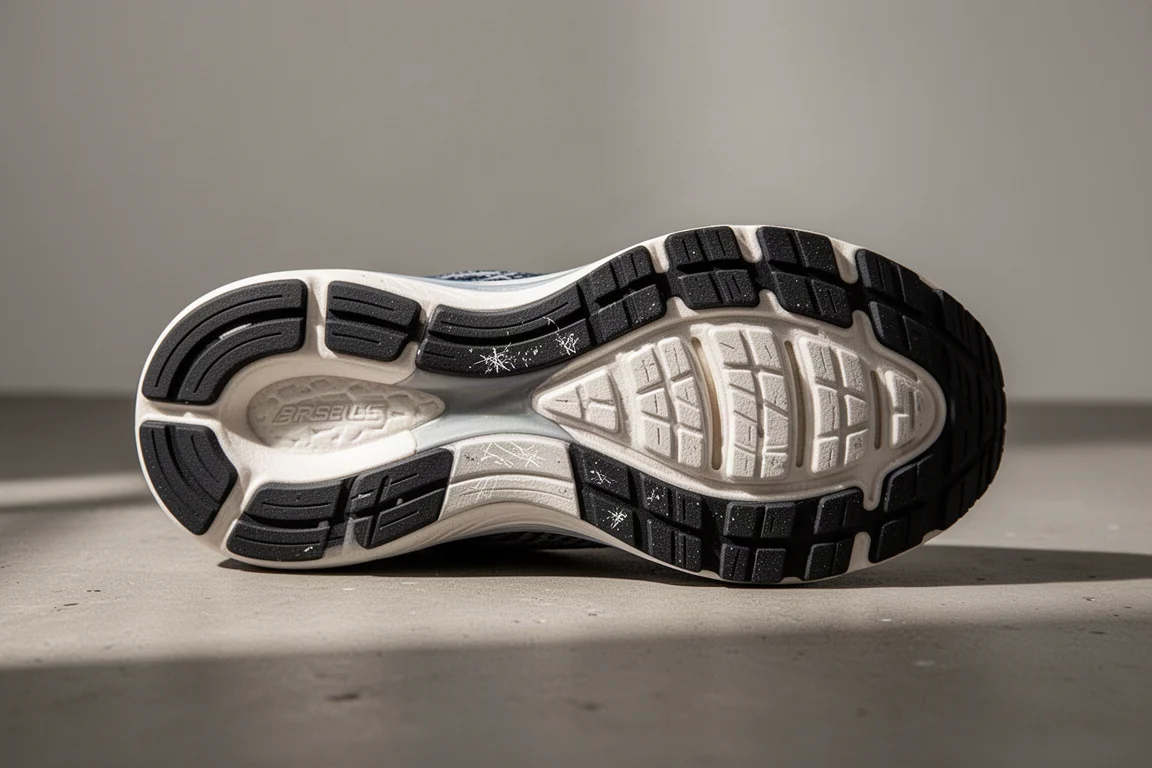
Much of what makes the Endorphin Speed 5 appealing was also true of the Endorphin Speed 4 last year. The practical difference comes down to that slight increase in firmness: the narrower shape of the Speed 5 makes it a bit more nimble and pingy, so it bounces a little better.
That means the Endorphin Speed 4 arguably handles recovery runs, easy running, and long slow distance slightly better, while the Speed 5 holds the edge for 5K threshold work, mile repeats, and race-type efforts. If you can still find your size in remaining inventory, the Speed 4 has been available for as low as $125, which is tremendous value for a shoe that is only slightly different from the newest version.

Diadora Frequenza 2: The Underrated Pick
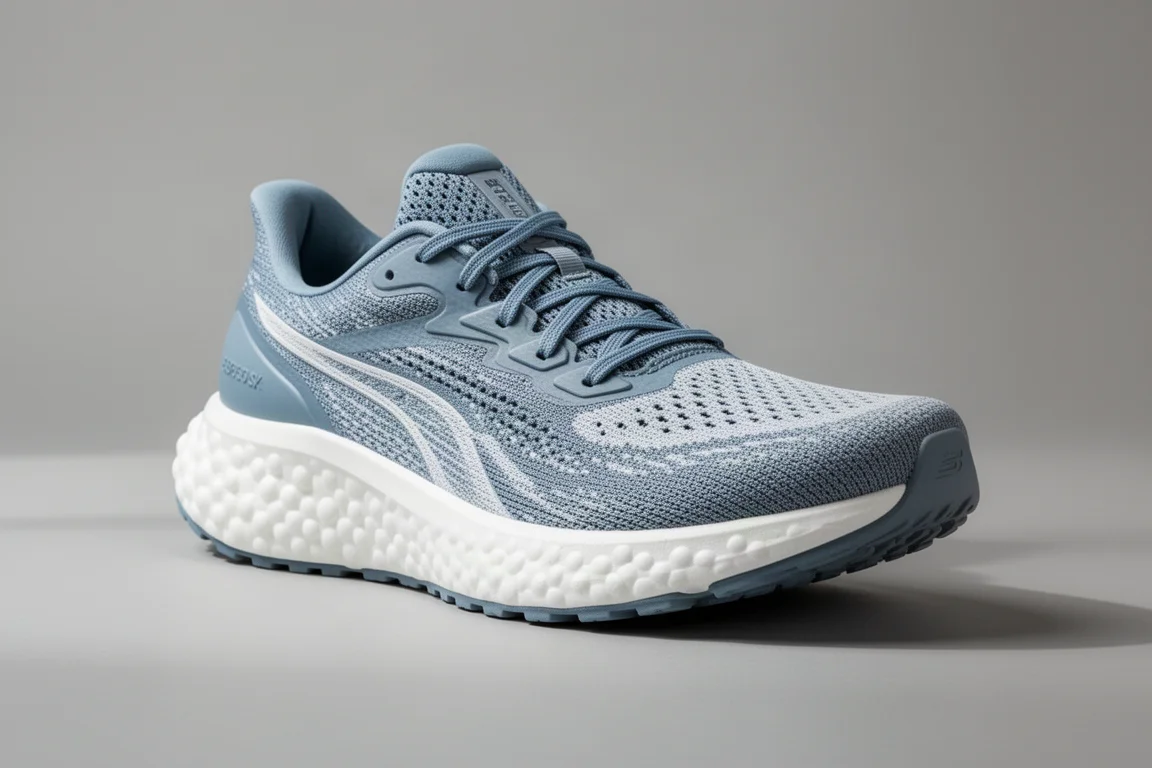
The Diadora Frequenza 2 is aimed at the same use case as the Endorphin Speed 5: an everyday shoe that is light and nimble enough for workouts and possibly even race day. It uses a supercritical EVA foam that is very light and airy but still responsive when you need it, and with no nylon plate, it is a fully neutral shoe.
That neutrality matters. If the light-stability elements of the Endorphin Speed 5 are going to be a problem for you, the Frequenza 2 is the natural alternative. At top-end speed the Speed 5 keeps a slight edge thanks to its beaded PEBA foam, but if you lean more toward everyday miles in your everyday-to-speedwork mix, the softer Frequenza 2 is an interesting and fun option. It does carry a premium, retailing at $180.
Brooks Hyperion 3: The Under-the-Radar Option
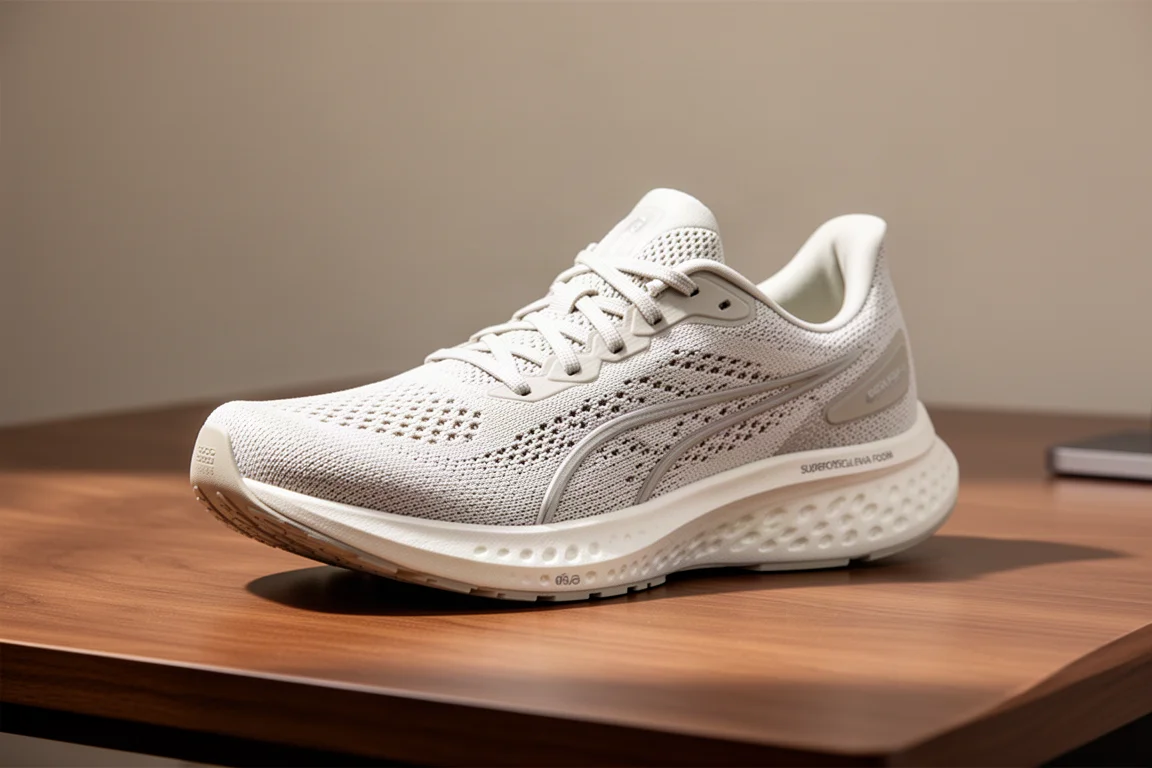
The Brooks Hyperion 3 is wildly different from earlier versions of the Hyperion. It is much softer, yet still keeps good responsiveness, which is exactly the same character description that fits the Endorphin Speed 5. Its DNA Flash 2 midsole feels distinctively soft and pleasant at easy paces, then firms up when you push the pace.
There is no shank or plate as far as can be told, just the foam itself, and it is an absolute delight to run in. Like the Endorphin Speed 5, it works for comfy easy days and nimble hard workouts alike, and at $140 it is an appealing price for what you get.
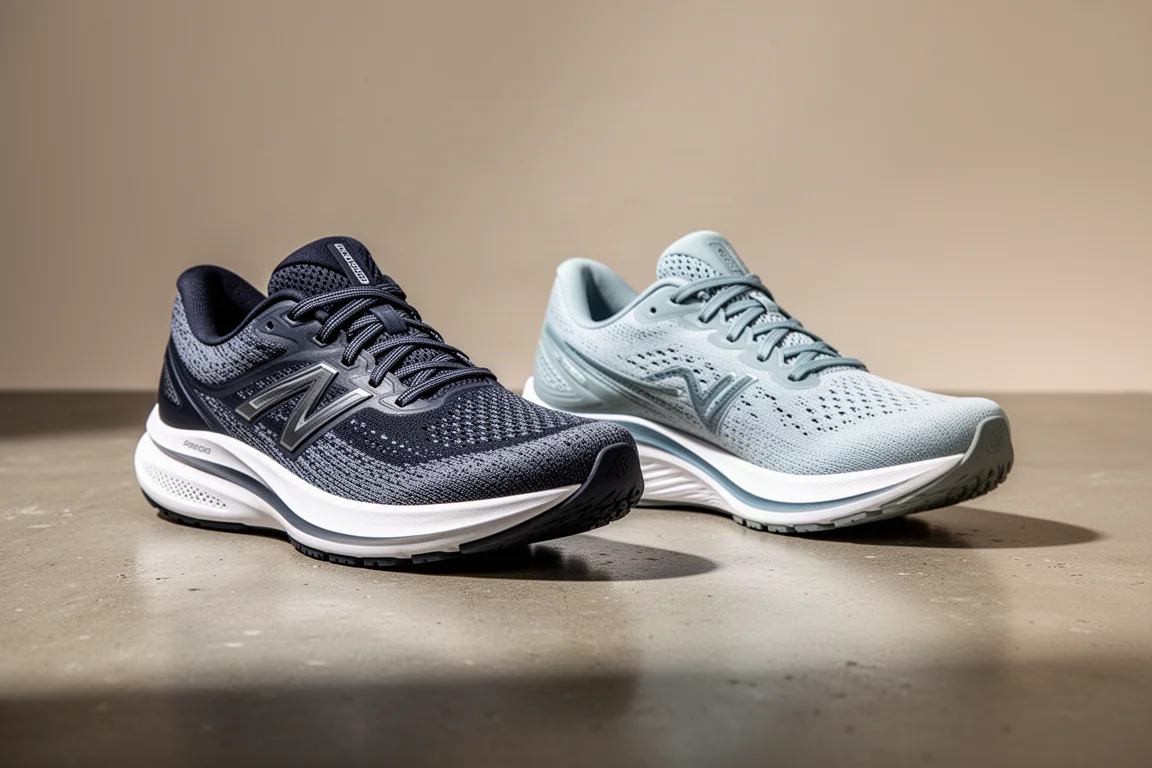
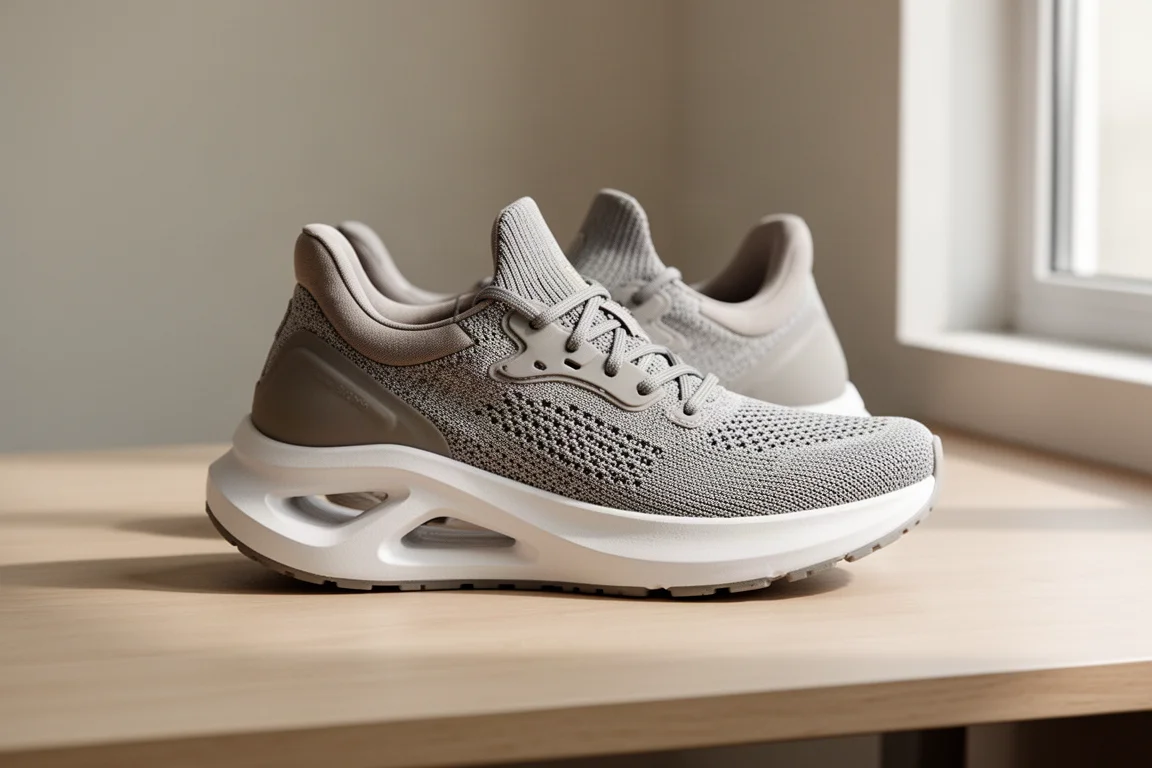
Buying Advice: Which One Should You Get?
The Endorphin Speed 5 retails for $175, five dollars more than last year. Most runners will enjoy it as an everyday shoe they can also use for workouts, including very tough sessions. A second group who will love it: runners looking for a non-carbon racing option, whether because carbon has not worked for them in the past or because a longer marathon time on feet calls for extra comfort without much performance compromise.
If budget matters, the Endorphin Speed 4 at around $125 is the value pick with a slightly softer, easier-going ride. If you want maximum neutrality and a softer everyday lean, look at the Diadora Frequenza 2 at $180. And if you want a similar versatile soft-but-responsive character at a lower price, the Brooks Hyperion 3 at $140 is a compelling sleeper. For marathon training, a multi-shoe rotation is generally advisable, but the Endorphin Speed 5 is versatile enough that it could nearly fill a one-shoe rotation for a wide range of running.
Conclusion
The Saucony Endorphin Speed 5 proves that subtle tweaks can matter: a slightly firmer, narrower shape turns an already excellent all-rounder into something a little more nimble and race-ready, without losing the comfort that made the Speed line popular. Pair it with the Speed 4 for value, the Frequenza 2 for neutral softness, or the Hyperion 3 for an affordable alternative, and there is a strong option here for nearly every kind of runner.
Further reading
Related Reviews

Running Shoes
Best Road-to-Trail Running Shoes: Three Versatile Options for Mixed Terrain
A practical guide to three road-to-trail running shoes that handle both pavement and mild trails, with clear strengths and trade-offs for different runner types.

Running Shoes
Best Running Shoes for Achilles Tendonitis: Three Options Explained
Three running shoes with different heel drops and support features designed to help reduce Achilles tendon pain during walking and running.

Running Shoes
Best Running Shoes for Women: Five Top Choices Ranked
A ranked guide to five women's running shoes, from versatile daily trainers to high-performance racing options, with real strengths and trade-offs for each.