Running Shoes
Saucony Endorphin Speed 4 vs Pro 4 (Plus the Plated Trainers Worth Considering Instead)
Saucony's fourth-generation Endorphin duo shares a foam platform but delivers very different rides. We break down who should buy the Speed 4, why the Pro 4 is the standout pick, and three alternatives worth a look.
Introduction
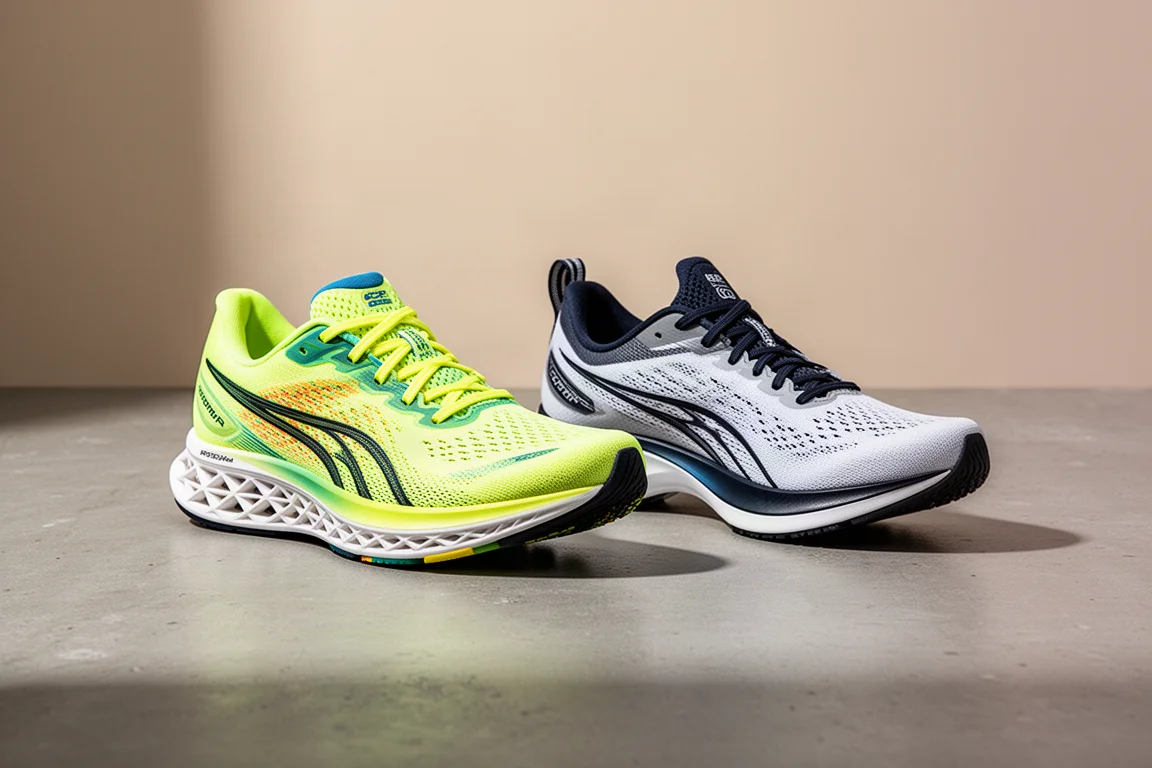
Saucony’s Endorphin line has quietly become one of the most dependable two-shoe systems in running: a plated trainer for daily and faster work, and a carbon racer for race day. With the fourth generation, that relationship has shifted. The Endorphin Speed 4 is a notable departure from the Speed 3, while the Endorphin Pro 4 has emerged as the clear favorite of the pair. After putting serious mileage into both, including a 26.2-mile marathon time trial in the Pro 4, the recommendation is straightforward: most runners should pick the Pro 4, and the Speed 4 has strong competition elsewhere.
Two Shoes, One Foam Family
Both the Speed 4 and Pro 4 use Saucony’s PWRRUN PB foam, a PEBA-based compound that has become the market standard for fast training and racing. You can spot the little bead-like pellets in the midsole, and in this generation the foam appears to be tuned slightly differently between the two shoes despite being the same material.
The core difference is the plate. The Speed 4, the training shoe, uses a plastic (nylon) plate that adds a touch of flexibility and stabilizes the foam. The Pro 4, the racing shoe, uses a full-length carbon fiber plate that returns more energy as you pick up the pace, giving the ride noticeably more snap and bounce.
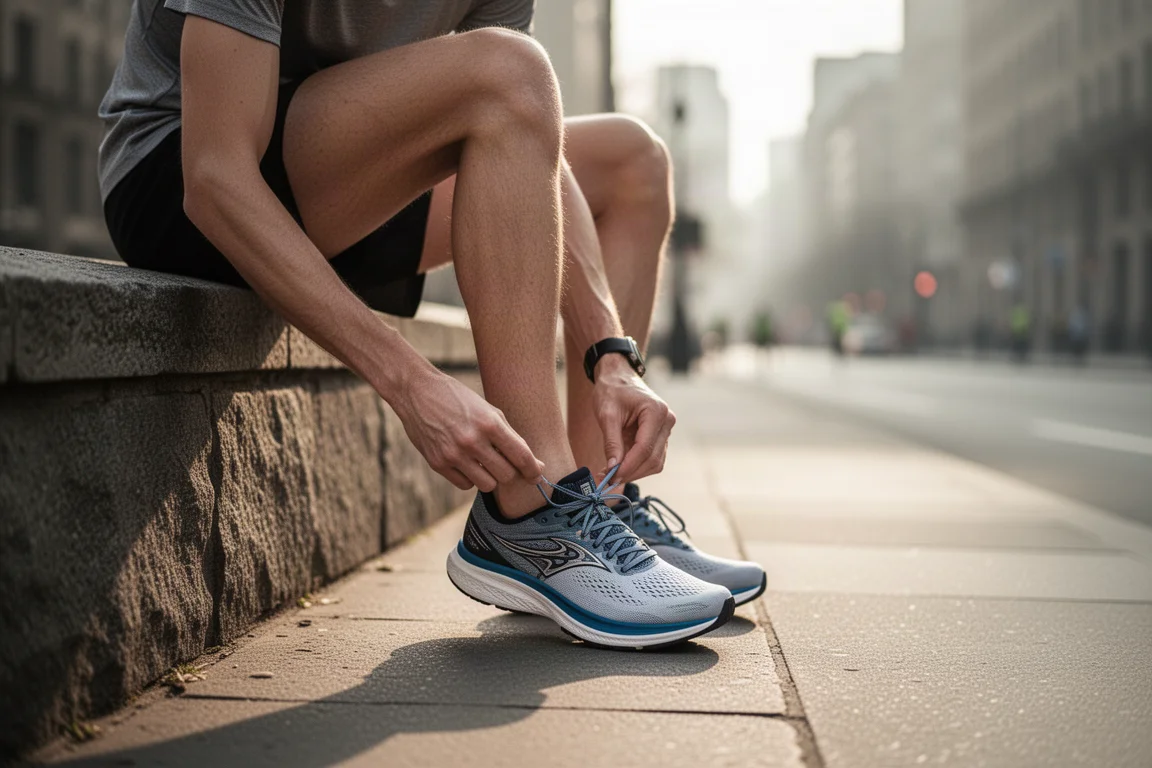
Other differences stack up in the Pro 4’s favor: the Speed 4 is a bit heavier with a more built-up upper, and the Pro 4 adds PWRRUN HG material at the outsole, while the Speed 4 is entirely PWRRUN PB underfoot.
Midsole: Same Foam, Different Feel
On paper the midsoles are nearly identical, but the rides are not. The Pro 4 has more heel stack, roughly 40mm versus around 37mm in the Speed 4 depending on the measurement source. More importantly, the Pro 4 simply rolls smoother: it connects heel strike to toe-off without the two-part, slightly choppy feeling the Speed 4 can produce.
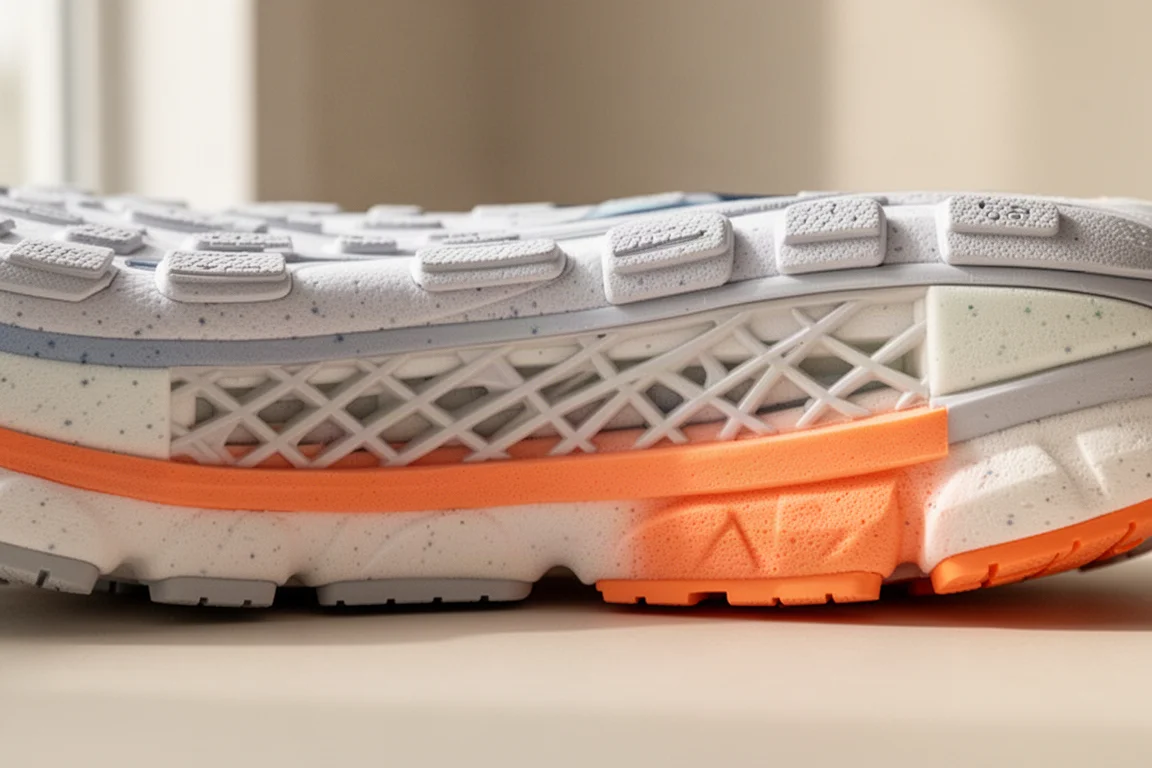
The Pro 4 sits on the softer side of the racing shoe spectrum, and the forefoot may even feel a touch softer than the Pro 3. Saucony does not disclose how much PWRRUN HG is actually in the midsole, so treat that addition as a minor tweak rather than a headline feature.
Upper: The Pro 4’s Sock-Like Surprise
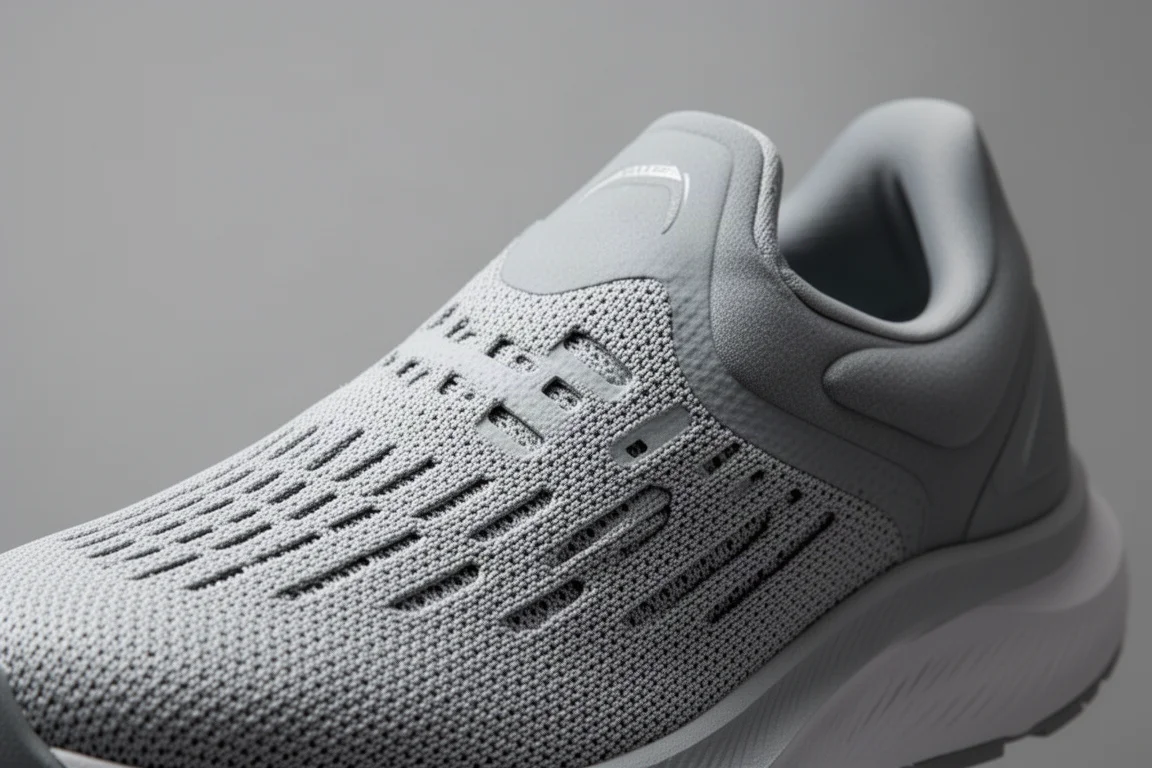
The Pro 4’s one-piece, sock-style upper is arguably the best of the year so far: stretchy, breathable, and extremely comfortable, with the tongue connected directly to the upper. The Speed 4 uses a more traditional gusseted tongue that is still perfectly good.
Both uppers run narrow with a tapered toe box, though the Pro 4’s stretch may accommodate slightly taller feet. There is one quirk worth knowing: the Pro 4 has a very narrow heel, both in the upper and in the foam platform, and on long runs the foot can drift toward the edge of the platform. The Speed 4’s heel is wider and more structured. On the plus side, the Pro 4’s heel counter is more flexible, and both shoes lock down securely with similar stretchy laces.
Outsole and Wet-Weather Grip
The outsoles on both shoes are essentially identical, with the same rubber, the same layout, and the same coverage. Compared with the third generation, this lattice-style rubber is a major grip upgrade: it feels far more secure than the slicker Pro 3, and it bites much better than the cut-out Speed 3 outsole.
The Pro 4 was tested in a rain-soaked marathon time trial and handled corners, descents, and climbs without issue, while also keeping water out of the shoe remarkably well. If wet weather is a regular part of your running, both of these shoes perform well.
Which One Should You Buy?
The Pro 4 is the clear winner of the pair. At $225 it is $25 cheaper than most high-end racing shoes, it is among the most comfortable marathon racers available, and it can genuinely double as a long-run trainer. A sub-3:00 marathon effort went off without a hitch, and pairing it with a simple daily trainer like a Pegasus or a plain-cushioning everyday shoe makes a complete two-shoe rotation. Durability should also be strong: the carbon plate tends to keep the foam feeling fresh longer, which should help it hold up toward the 250 to 300 mile mark.
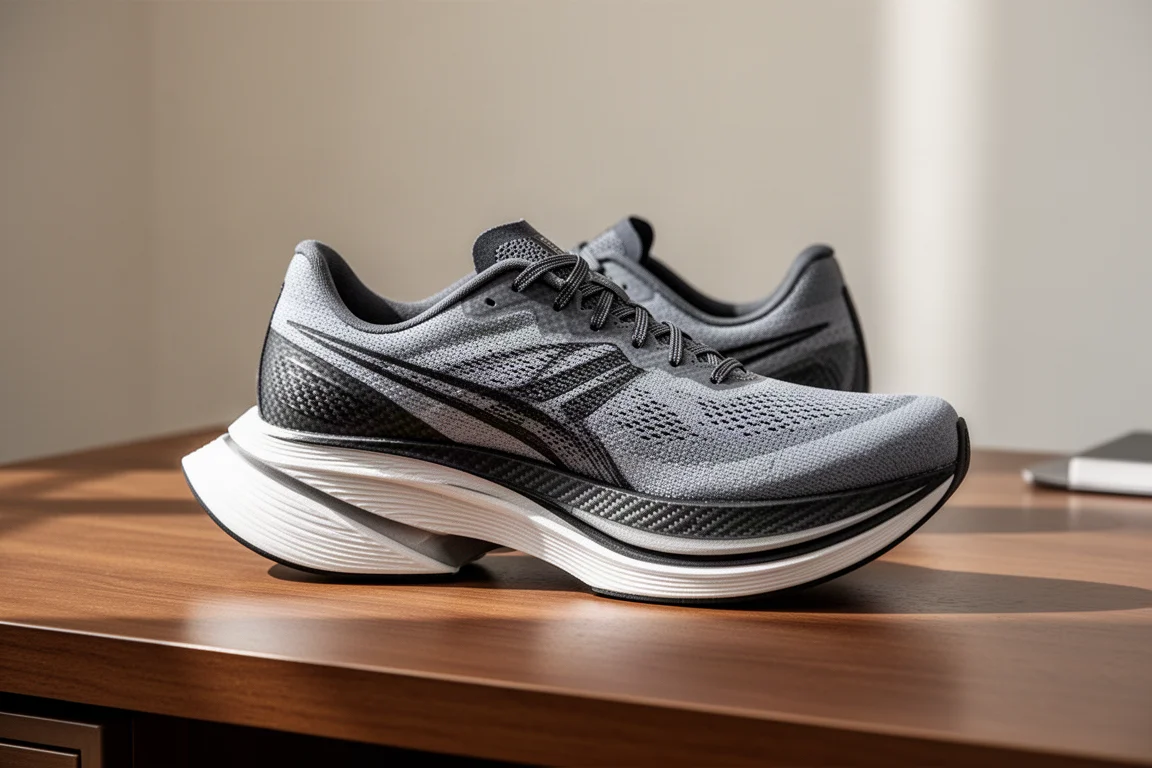
The Speed 4 is harder to recommend. It has all the ingredients of a good trainer, but the ride feels awkward and disconnected compared with both the Pro 4 and the much-loved Speed 3’s gentle roll. Around $170, it makes sense mainly for lighter runners who do not want a carbon plate or a $200 price tag, or for Speed 3 loyalists who want the newest version. Those who enjoyed it tend to use it as a hybrid training and racing shoe for faster miles. For everyone else, the alternatives below are stronger buys at this price point.
Three Alternatives to the Speed 4
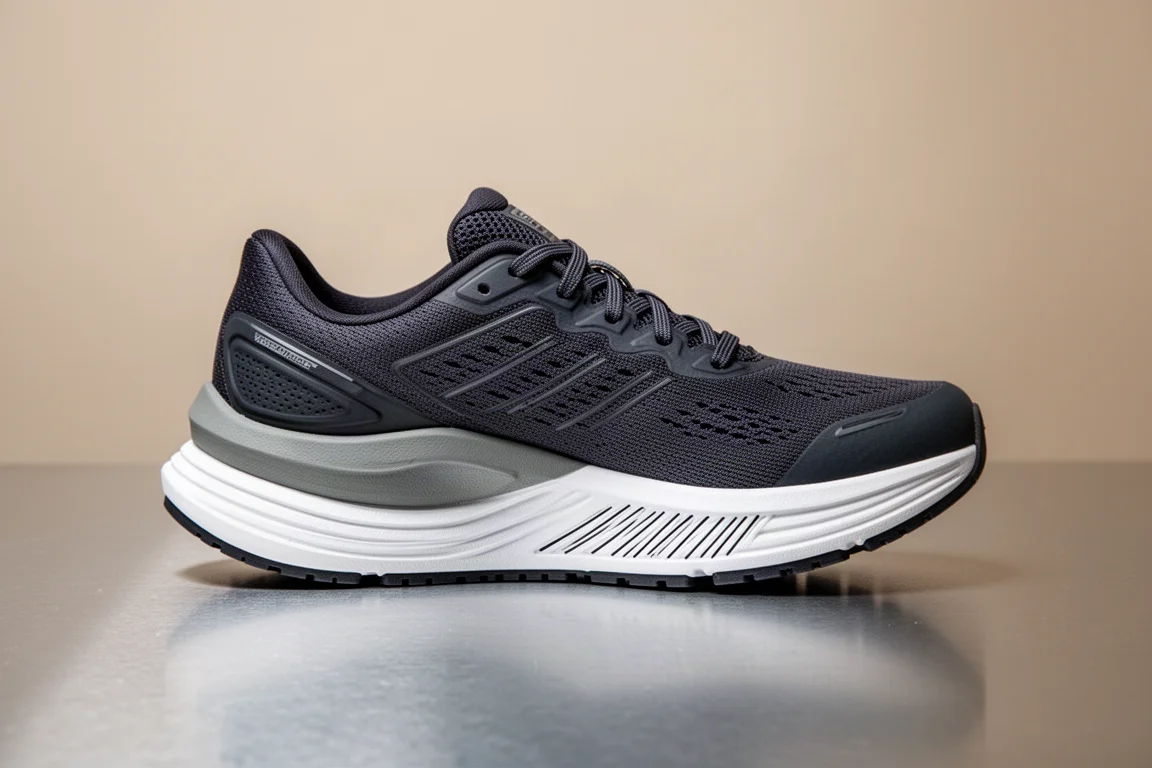
If you were eyeing the Speed 4 as a plated trainer, three current models do the job better.
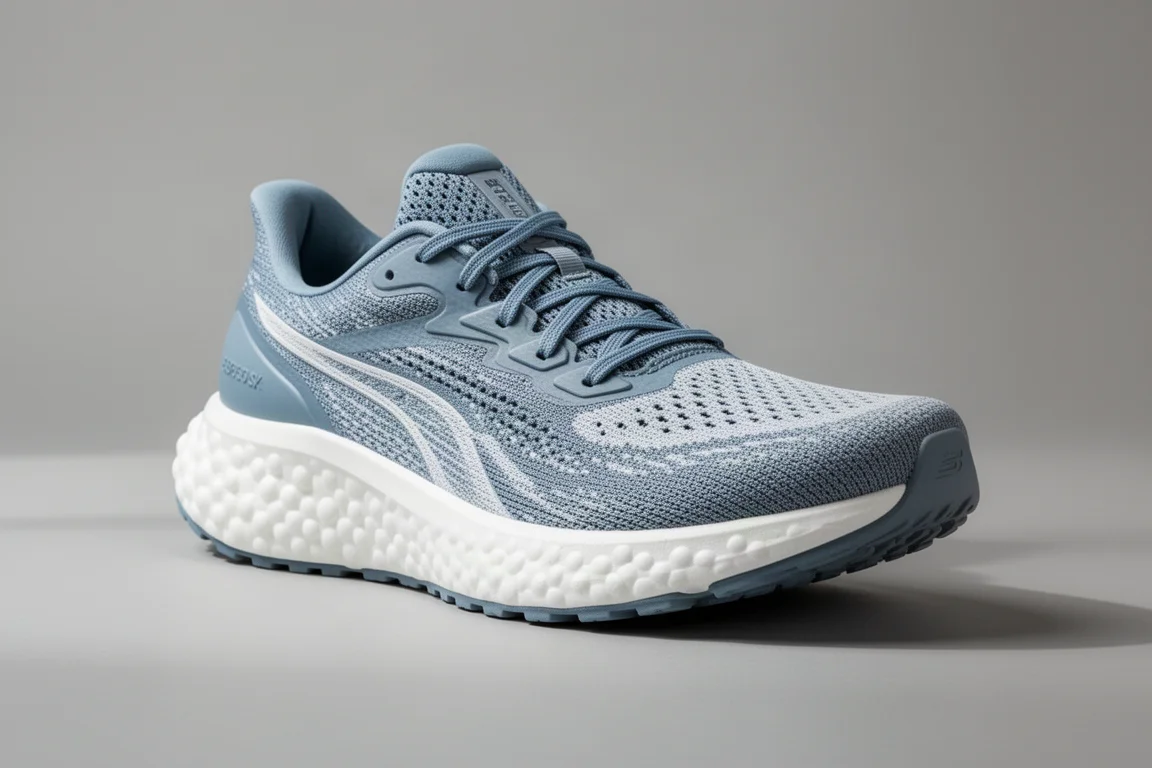
The Puma Deviate Nitro 2 is the closest in spirit to what the Speed 3 offered. It uses a carbon composite rather than a full carbon plate, with firmer Nitro foam in the heel and softer Nitro Elite on top, producing a friendly, easygoing ride with more pep than a typical daily trainer. Puma’s grip outsole is one of the best in the rain. Just note the forefoot stack is fairly low, so very long runs may be better served elsewhere.
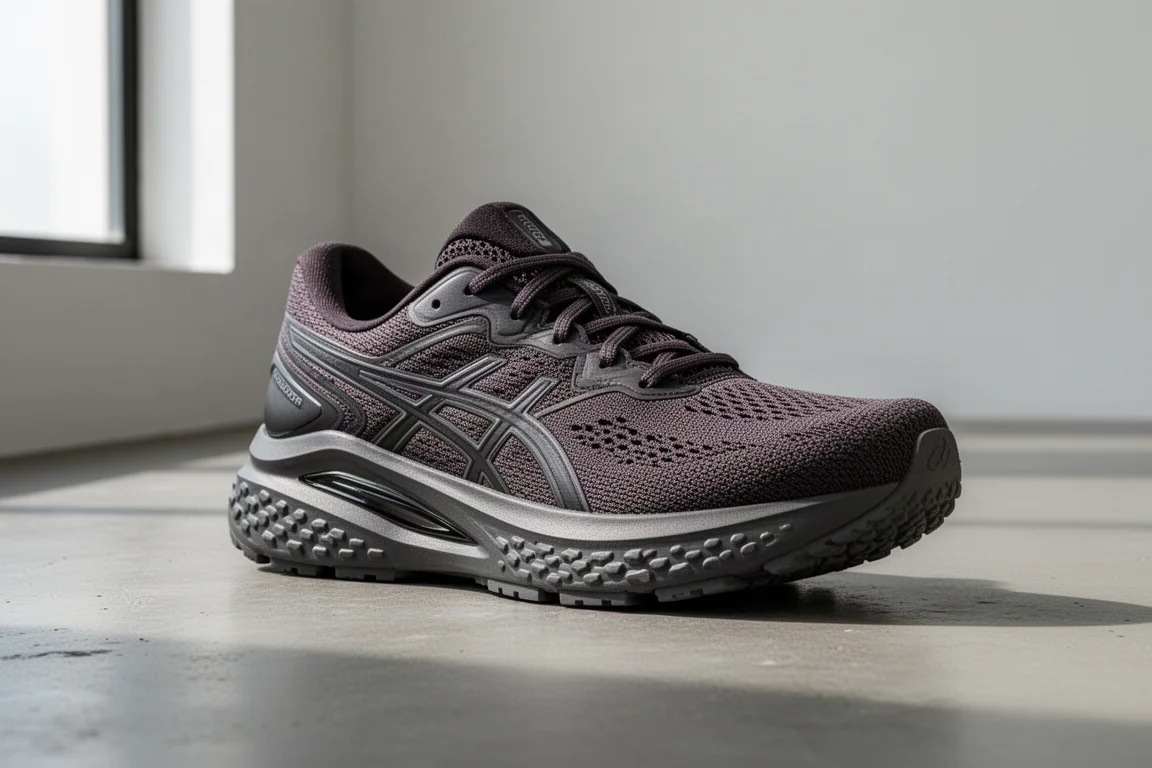
The New Balance SC Trainer V2 is the comfort pick. It is a mega-stacked shoe with a huge amount of soft, bouncy foam under a full-length carbon fiber plate, ideal for relaxed aerobic runs and time on feet. Outsole rubber coverage is its weak point, so watch for wear, but reports of 450 miles from a single pair suggest the foam holds up well. It offers a feeling similar to the Pro 4 at $180 instead of $225.
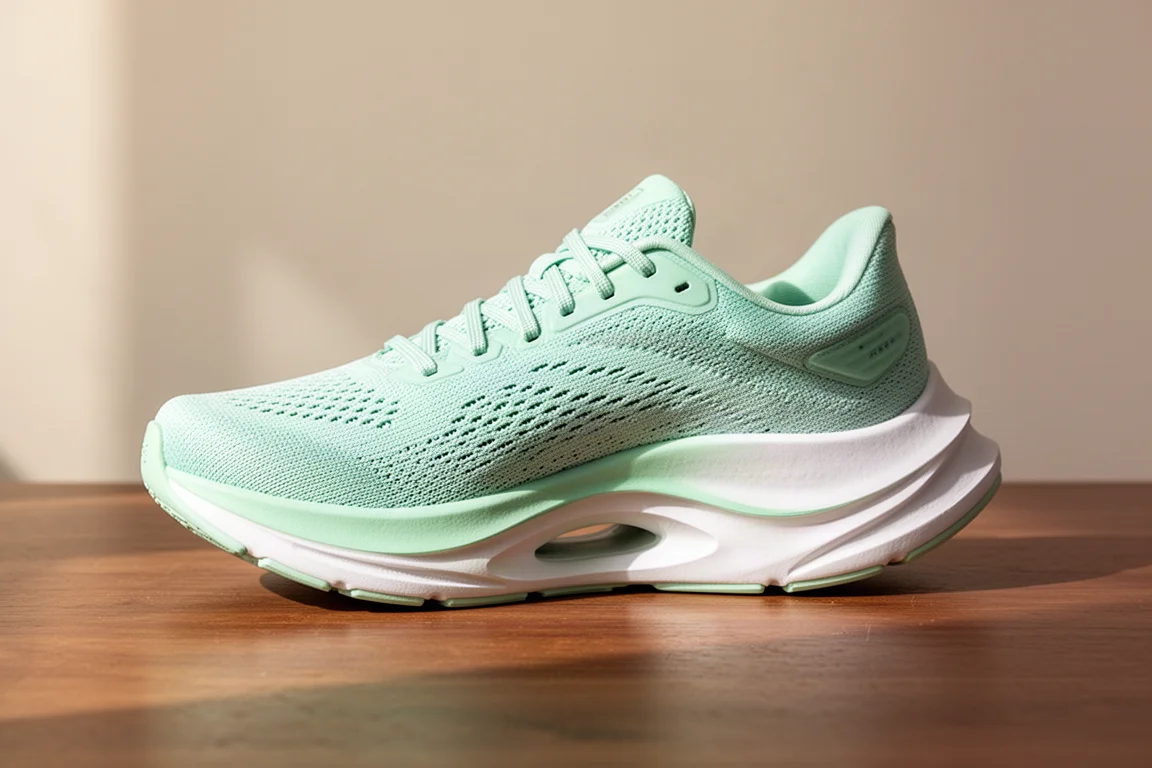
The Adidas Boston 12 is the speed-focused option and a favorite plated trainer overall. It layers top-tier Lightstrike Pro racing foam over firmer, more stable traditional EVA, with energy rods providing pop and a bit of side-to-side flexibility. It needs a break-in period, and it is not the best for everyday easy miles, but for speedwork, marathon-pace long runs, and bigger, stronger runners, it is the most versatile workout shoe of the three.
Conclusion
The Endorphin Pro 4 is the easy recommendation here: a smooth, comfortable, carbon-plated racer that doubles as a long-run shoe and undercut most of its racing competition on price. The Speed 4 is not a bad shoe, but its awkward ride and stiff competition at its price point make it hard to recommend this year. If a plastic-plated trainer is what you are after, the Puma Deviate Nitro 2, New Balance SC Trainer V2, or Adidas Boston 12 will likely serve you better.
Further reading
Related Reviews

Running Shoes
Best Road-to-Trail Running Shoes: Three Versatile Options for Mixed Terrain
A practical guide to three road-to-trail running shoes that handle both pavement and mild trails, with clear strengths and trade-offs for different runner types.

Running Shoes
Best Running Shoes for Achilles Tendonitis: Three Options Explained
Three running shoes with different heel drops and support features designed to help reduce Achilles tendon pain during walking and running.

Running Shoes
Best Running Shoes for Women: Five Top Choices Ranked
A ranked guide to five women's running shoes, from versatile daily trainers to high-performance racing options, with real strengths and trade-offs for each.