Running Shoes
Saucony Endorphin Speed 4 vs New Balance Rebel v4: Two Daily Trainers, Two Very Different Characters
A plated super trainer and a softer unplated daily trainer go head to head. Here is how they compare on ride, fit, versatility and price.
Introduction
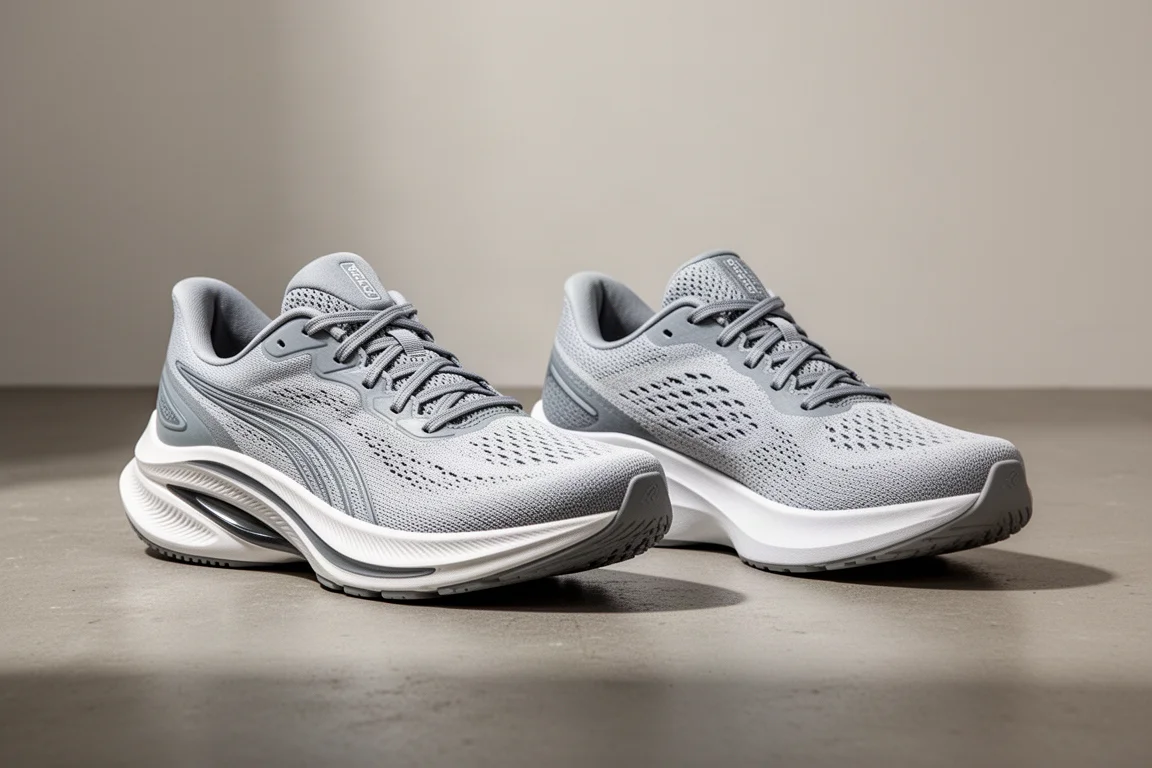
The Saucony Endorphin Speed 4 and the New Balance Rebel v4 are both excellent daily trainers, but they sit at slightly different ends of the training spectrum. One is a plated super trainer built to keep you efficient at faster paces. The other is a softer, wider, unplated shoe that leans into comfort and easy miles. After extensive testing across easy runs, long runs, progression runs, track sessions and marathon training blocks, here is how they stack up.
Key Specs at a Glance
The New Balance Rebel v4 costs £140 or $139.99, weighs 7.3 oz for men in a size 8, and has a 6 mm drop. The Saucony Endorphin Speed 4 costs £180 or $170, weighs 239 g (8.4 oz) for men in a size 8, and has an 8 mm drop.
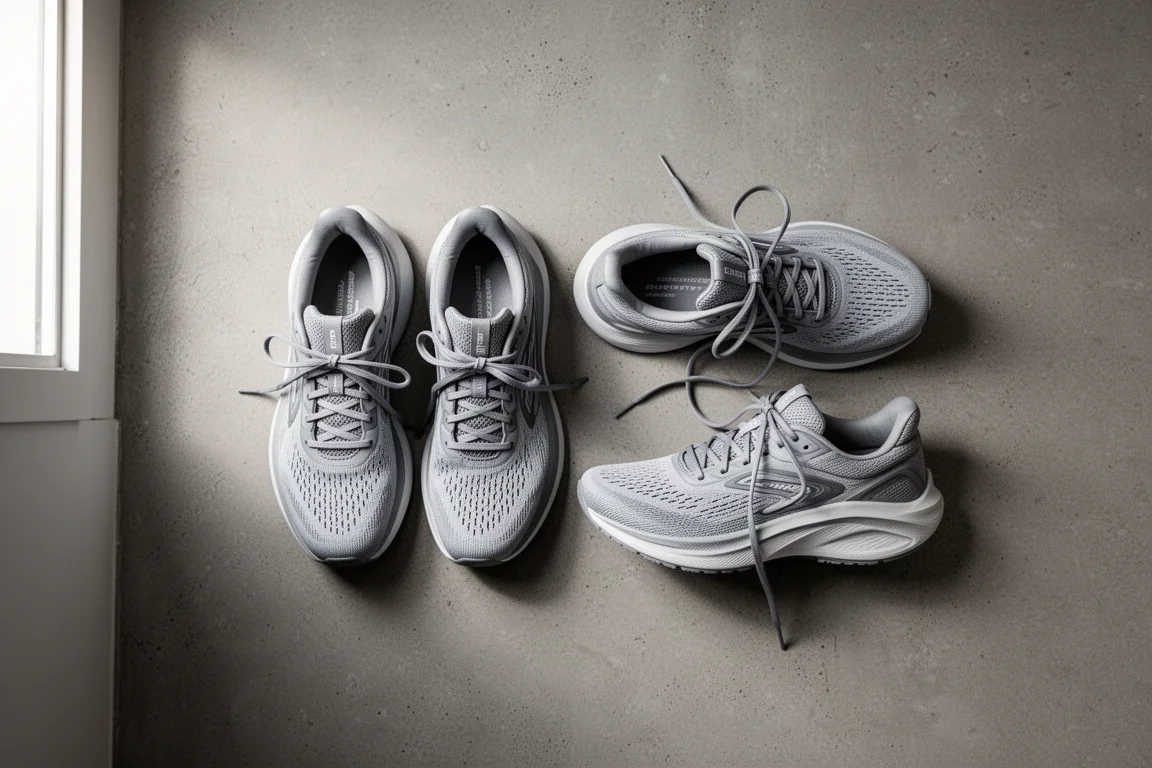
On paper the Rebel is the lighter and cheaper shoe, while the Endorphin Speed carries a taller, plated build designed for propulsion. The Rebel v4 also sits on a 30 mm heel stack, yet it rides noticeably lower than that number suggests.
Saucony Endorphin Speed 4: Ride and Character
The Endorphin Speed 4 is more of the same from a consistently strong line, and that is largely a compliment. It remains one of the most versatile shoes on the market, with a comfortable, relaxed ride for easy runs and enough punch from its re-engineered wing nylon plate to handle fast sessions, longer hard runs and progression workouts.
The plate has been reinforced while maintaining flexibility, the updated mesh upper aims for a more secure fit than the slightly roomy Endorphin Speed 3, and a new outsole rubber improves grip and durability. The PowerRun PB foam and Saucony’s Speedroll geometry deliver the signature rocketed ride that works across a huge variety of runs.
Some testers note a touch more firmness in the ride compared to previous versions, but the overall feel is very close to the Endorphin Speed 3. If you found the jump from the Speed 2 to the Speed 3 significant, expect the Speed 4 to feel even closer to its predecessor.
New Balance Rebel v4: Ride and Performance
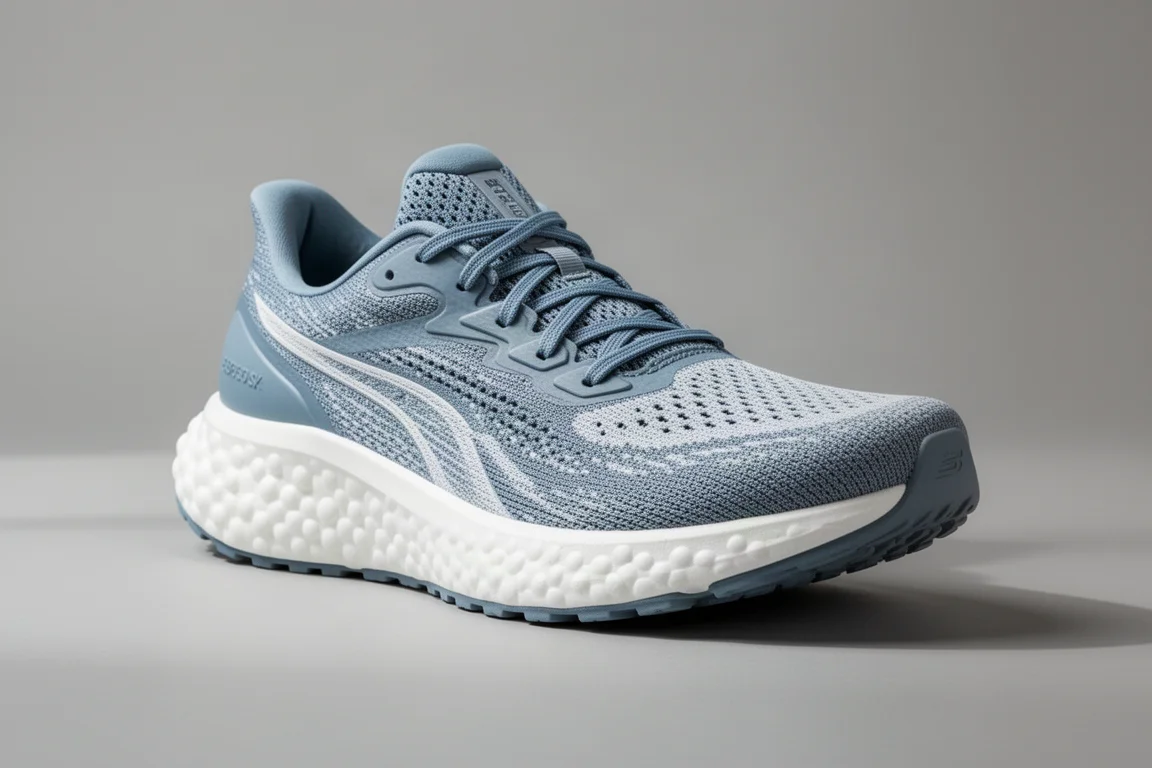
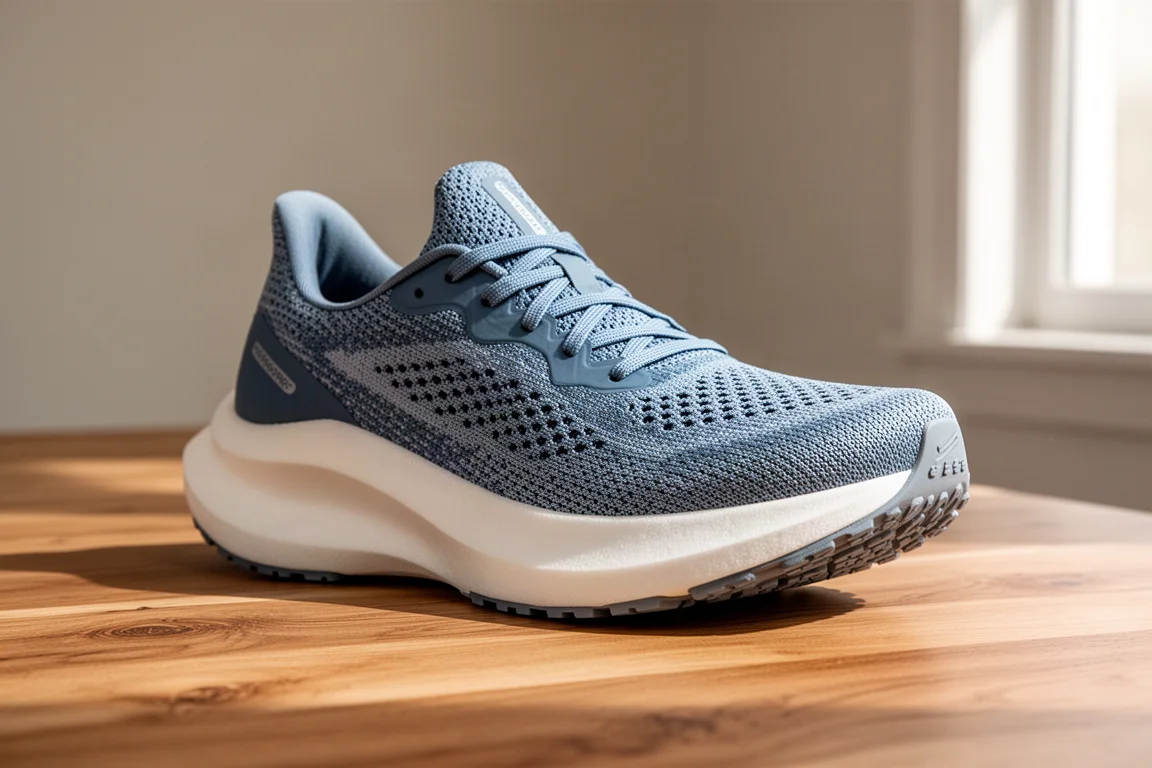
The Rebel has always been a simple, low-stack, nimble shoe with no plate, and that is still true here, but the latest version feels genuinely cushioned. It rides as soft as the Endorphin Speed despite a much lower stack on paper, and the taller, wider geometry compared to its predecessor makes it far more comfortable and supportive on easy runs.
The FuelCell foam is a PEBA-EVA blend that offers a soft ride with a good level of propulsion, and the generous rubber coverage on the outsole adds durability. The v4 keeps the bouncy, quick feel of earlier Rebels for track sessions and short intervals, and it handled a long 50-minute progression run comfortably.
The trade-off is at sustained faster paces. During tempo runs or long blocks at marathon or half marathon pace, the softer foam lets you sink in a little and does not give back as much as the Endorphin Speed’s firmer, more responsive midsole and plate. Short intervals and long, gradually building runs work well, but long steady efforts favour the plated shoe.
Fit and Sizing
Both shoes reward sticking with your normal size, with one important caveat on the Rebel. Testers found the Endorphin Speed 4 true to size with good length, no heel slip and a slightly leaner fit than the Speed 3, which some found too wide.
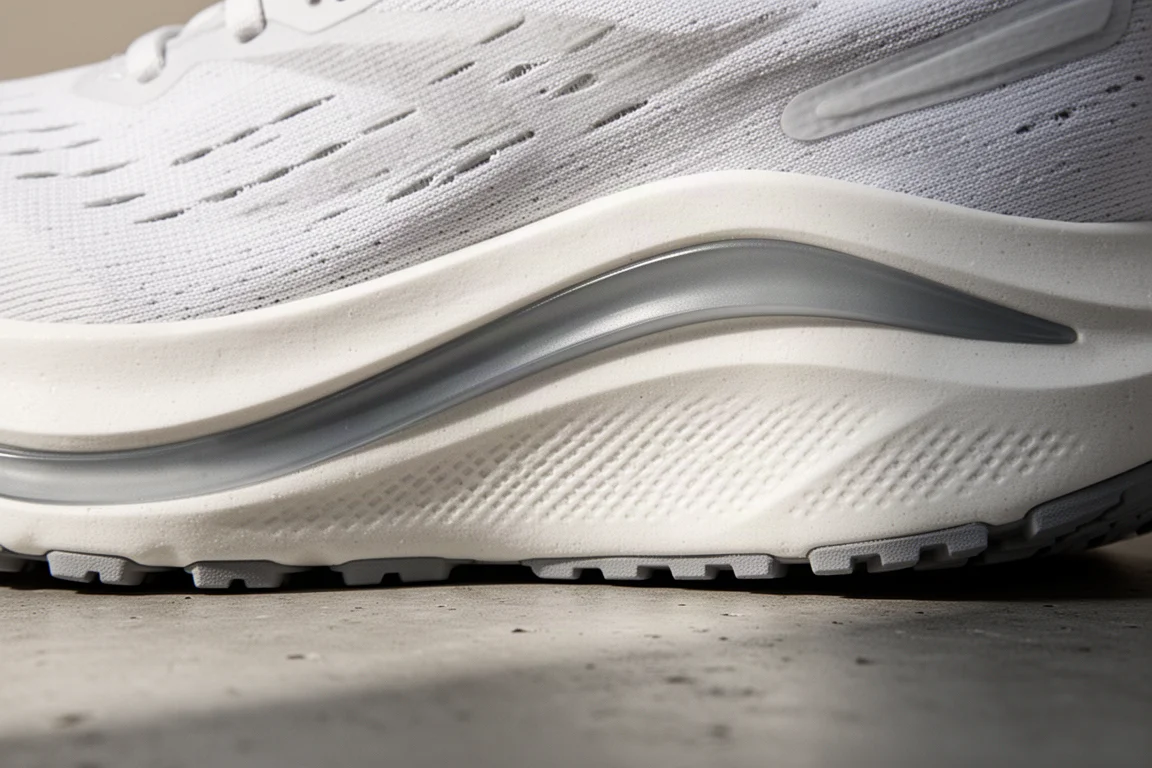
The Rebel v4 has a much wider toe box than previous versions, making it roomier than its reputation suggests. Some runners who sized up half a size in older Rebels found they should have stayed true to size this time. However, New Balance’s UK-to-US sizing runs smaller than Saucony’s, and one tester experienced toe rubbing in a UK 8 and would have gone up half a size. If you have narrow feet or have been cramped in past New Balance shoes, trying a half size up is worth considering.
Durability and Build Quality
The Endorphin Speed 4 adds a new outsole rubber aimed specifically at improving grip and durability, layered generously across the forefoot with strategic coverage at the rear. The Rebel v4 carries a similar approach with a solid rubber layer over the forefoot. Both uppers are breathable engineered mesh, with the Rebel using Phantom knit technology for a supportive fit and solid padding around the ankle collar.
Which One Should You Buy?
If you want the most versatile option, the Endorphin Speed 4 has more range at the higher end. It is the faster shoe, and it shines if your training involves race preparation and long sections at race pace, where the plate keeps you pushing efficiently.

If budget matters more, the Rebel v4 is significantly cheaper and still versatile enough to handle the same sessions, just without quite the same performance at speed. It also has a more relaxed, comfortable feel for easy days and moching around in, and it skews towards runners whose weeks are built on slower, longer runs.
View more details for Saucony Endorphin Speed 4
View more details for New Balance Rebel v4
Conclusion
These are two of the standout daily trainers of the year, and the right pick depends on the kind of runner you are. Choose the Endorphin Speed 4 if your training leans towards faster paces and you want one shoe that can genuinely do everything. Choose the Rebel v4 if you want a softer, more comfortable unplated trainer at a lower price, and your week is dominated by easy and long miles. It is the classic super trainer versus daily trainer decision, and both options here are easy to recommend.
Further reading
Related Reviews

Running Shoes
Best Road-to-Trail Running Shoes: Three Versatile Options for Mixed Terrain
A practical guide to three road-to-trail running shoes that handle both pavement and mild trails, with clear strengths and trade-offs for different runner types.

Running Shoes
Best Running Shoes for Achilles Tendonitis: Three Options Explained
Three running shoes with different heel drops and support features designed to help reduce Achilles tendon pain during walking and running.

Running Shoes
Best Running Shoes for Women: Five Top Choices Ranked
A ranked guide to five women's running shoes, from versatile daily trainers to high-performance racing options, with real strengths and trade-offs for each.