Running Shoes
Saucony Endorphin Speed 4 vs Endorphin Trainer: Which One Fits Your Running?
Two plated, superfoam-equipped trainers from the same family, aimed at noticeably different jobs. Here is how they compare on weight, ride, stability, fit, and durability.
Introduction
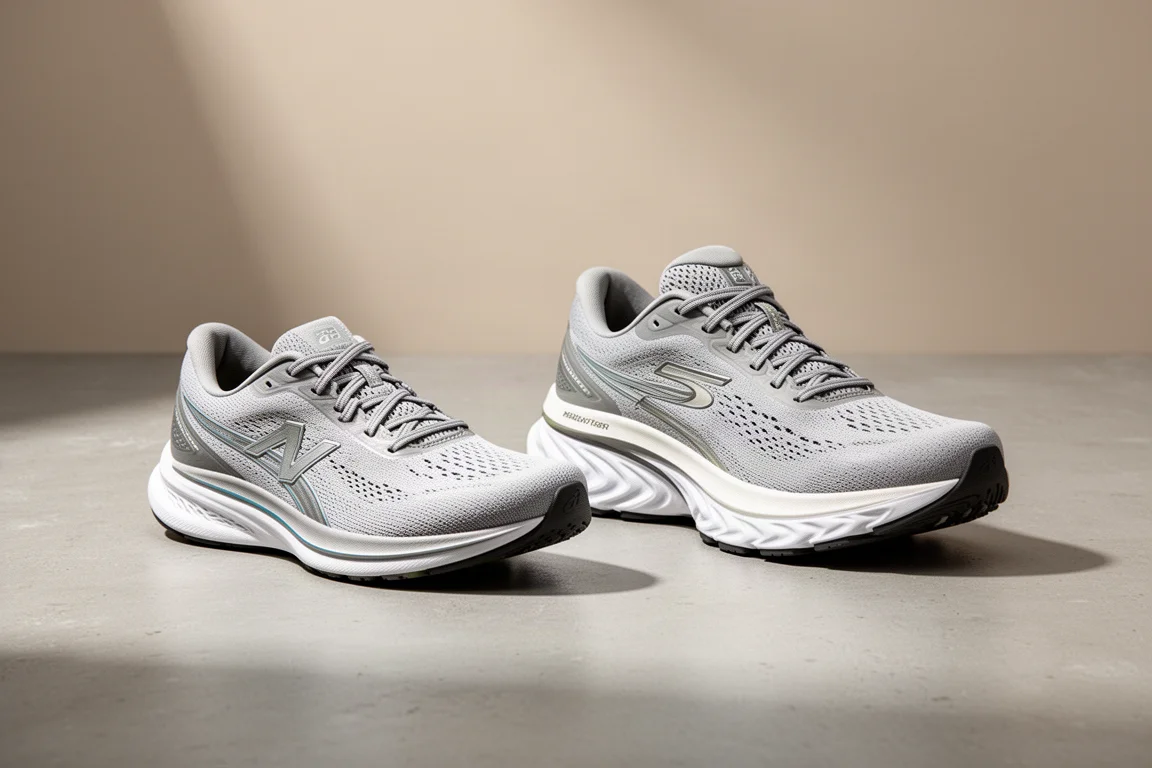
Both of these shoes sit in the uptempo end of the Endorphin line. Each one has a plate and superfoam in the midsole, so on paper they look like close siblings. In practice, they are built for different jobs: one leans toward shorter, faster days, while the other leans toward longer efforts and easier mileage.
This comparison breaks down the specs, ride feel, stability, fit, and durability so you can decide which one deserves a spot in your rotation.
Two Shoes, Two Different Jobs
The specs make the split obvious. In a men’s size 10, the Endorphin Speed 4 comes in at 250 g (about 8.8 oz), while the Endorphin Trainer is noticeably heavier at 302 g (about 10.7 oz). Both share an 8 mm drop, but the stacks differ: the Speed 4 runs 36 mm at the heel and 28 mm at the forefoot, while the Trainer is much taller at 41 mm heel and 33 mm forefoot.

Both shoes also work well for runners who do not get along with aggressively stiff carbon-plated racers. If a full-length carbon plate feels like too much for you, either of these can be a friendlier way to get plated-shoe benefits.
Ride and Foam: Bouncy vs Firmer
The Endorphin Trainer pairs a top layer of new IncrediRun foam with a PowerRun midsole underneath. The IncrediRun layer is appropriately named: it is very bouncy and genuinely fun, and the PowerRun base keeps that bounce in check. The result is a ride that feels controlled and stable rather than unstable, and it works for everything from easy training to proper workouts.
The Endorphin Speed 4 uses full-length PowerRun PB with a nylon plate, which allows more flexibility through the shoe than the Trainer’s three-quarter length carbon fiber plate. That makes the Trainer feel snappier and stiffer, while the Speed 4 transitions with a bit more give, especially at the forefoot.
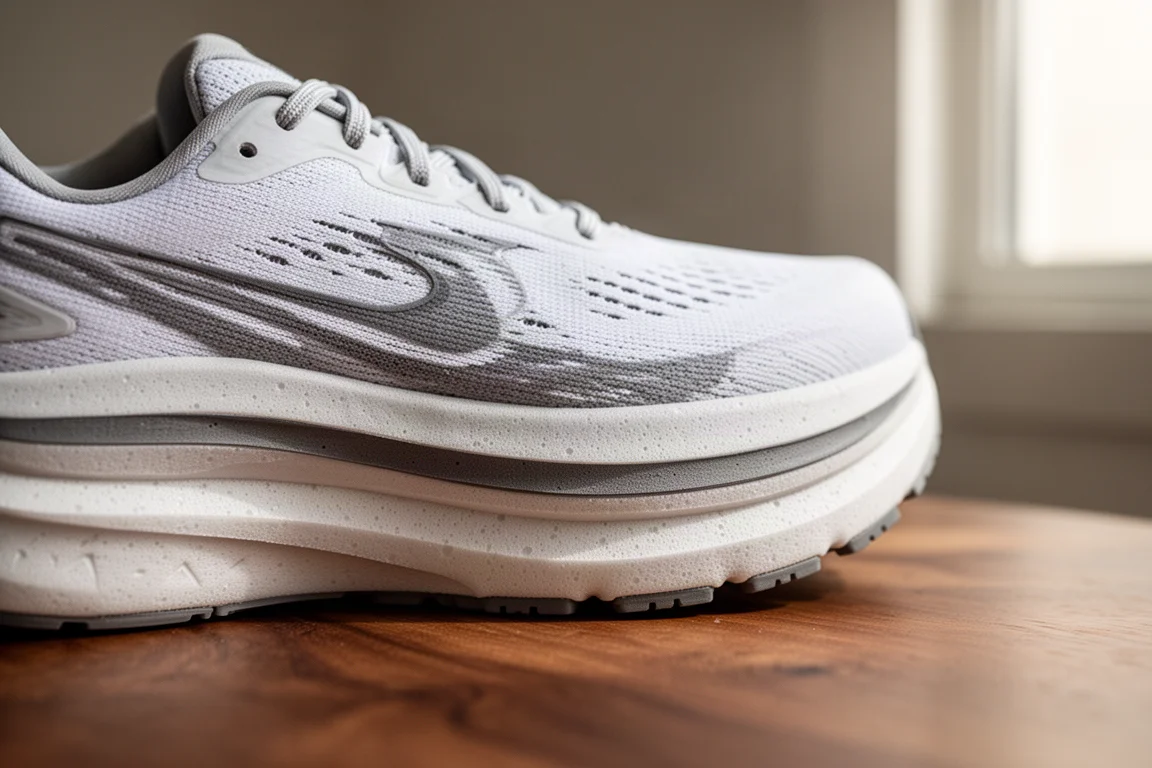
Even though the Trainer only has half of its midsole in superfoam, it is the bouncier ride of the two. The Speed 4 feels relatively firmer against that taller stack and newer foam. After roughly 12 to 14 miles, the Speed 4 starts to bottom out a little, while the Trainer rolls along comfortably over longer distances.
Stability and Fit Differences
Stability is another clear divide. The Speed 4 sits firmly in the neutral camp: the midfoot is fairly narrow with sidewalls that help, and a medial sole flare at the heel resists some medial motion, but it is not an overly stable shoe. The Endorphin Trainer is a solidly stable-neutral shoe, with a filled-in midfoot, good sidewalls, and slightly more medial than lateral sole flare, which helps over longer distances.
Fit follows the same theme. Both uppers have the classic slightly snug Saucony feel and a taper around the pinky toe, so some chafing on the fifth toe can show up in both during longer runs. The Speed 4 is the more snug, racing-style fit that secures without overtightening the laces, gaining a little volume as it breaks in. The Trainer has a wider fit with slightly lower volume; laces need a touch more tension, but there were no slippage issues, and the upper has a bit more stretch for a comfortable training fit.
Best Use Cases: Racing and Training
If you are choosing one as a race shoe, the Trainer is the marathon option, while the Speed 4 suits the half marathon, 10K, or even 5K. The Speed 4 is also the better pick at shorter distances if aggressive carbon-plated shoes like the Endorphin Pro do not work well for you, though both can stretch into longer efforts depending on preference.

In training, the Trainer has shown real versatility across track workouts, fartleks, tempo runs, and long runs. It feels best at uptempo paces, especially longer efforts in the marathon-to-tempo range where it keeps turning over easily. The Speed 4, being lighter and firmer, has the edge for fast work: shorter intervals, track sessions, and quicker paces where easier turnover matters. One tester pair of the Speed 4 logged nearly 200 miles before a second pair was bought, which says a lot about how well it wears in.
Durability and Outsole Coverage
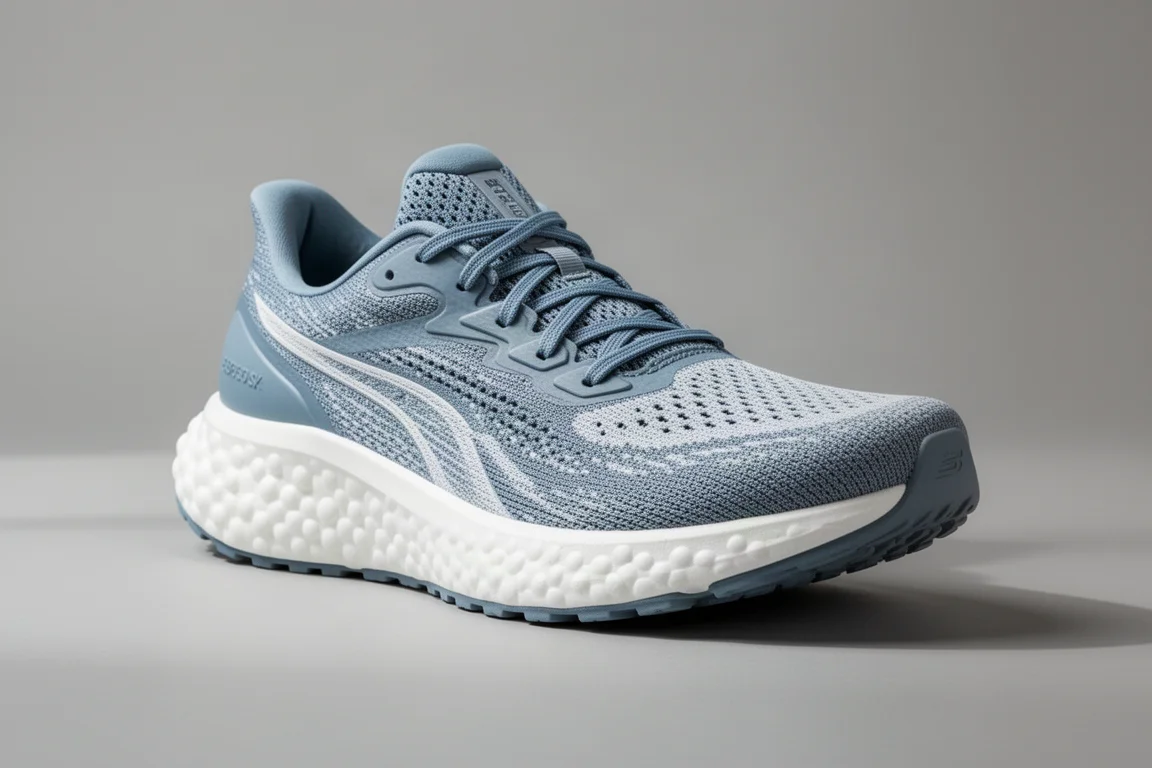
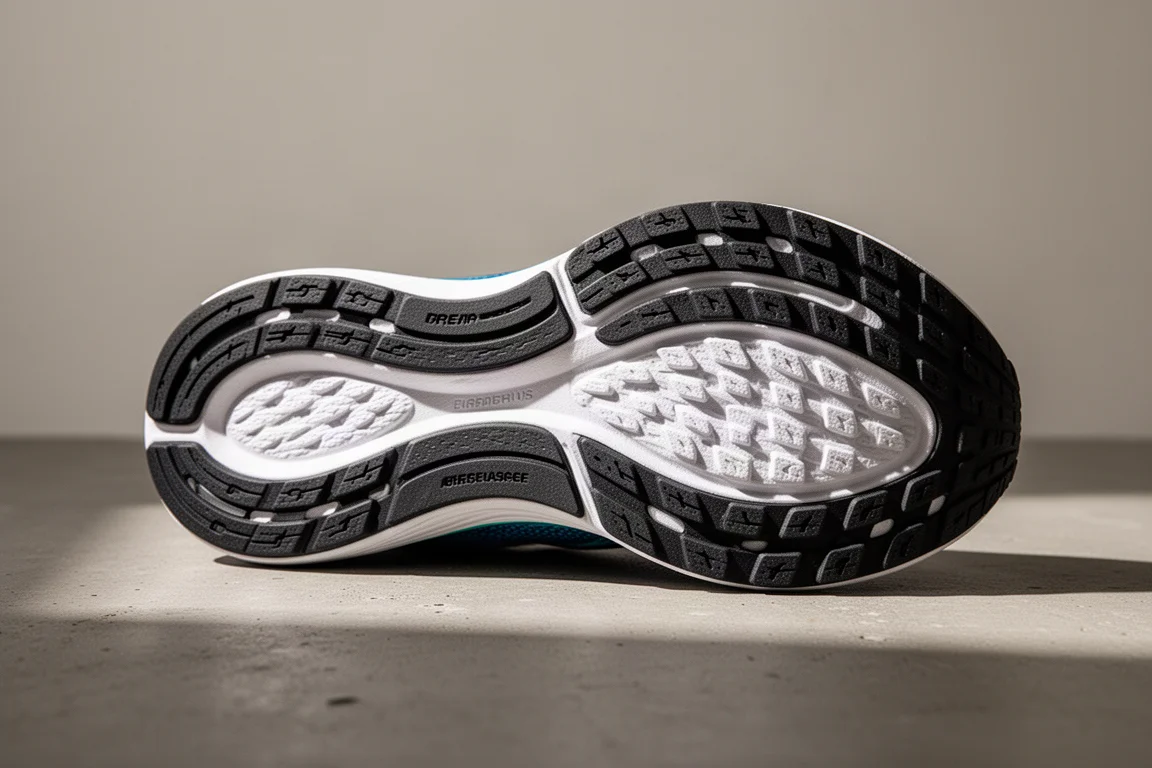
Early durability looks solid for both, with a caveat for forefoot strikers. At 50 miles, the Endorphin Trainer’s outsole is still intact, though a little wear is appearing at the lateral forefoot for a forefoot striker. Heel strikers should fare better. The Speed 4 carries more outsole coverage, so it will likely hold up longer overall depending on where your foot lands.
For recreational runners who want a plated shoe that can double as a genuine trainer, either choice works. The Trainer offers more effortless versatility across paces, while the Speed 4 offers more speed versatility at shorter distances.
Conclusion
These two shoes are close relatives with clearly different personalities. The Endorphin Speed 4 is lighter, firmer, and faster-feeling, best suited to shorter races and quicker workouts. The Endorphin Trainer is taller, bouncier, more stable, and more forgiving over long distances, making it the better marathon and daily uptempo option. If you need guidance and a roomier fit, go Trainer. If you want a snug, speedy shoe for fast days, go Speed 4. Either way, both are strong picks for runners who find full carbon-plated racers too aggressive.
Further reading
Related Reviews

Running Shoes
Best Road-to-Trail Running Shoes: Three Versatile Options for Mixed Terrain
A practical guide to three road-to-trail running shoes that handle both pavement and mild trails, with clear strengths and trade-offs for different runner types.

Running Shoes
Best Running Shoes for Achilles Tendonitis: Three Options Explained
Three running shoes with different heel drops and support features designed to help reduce Achilles tendon pain during walking and running.

Running Shoes
Best Running Shoes for Women: Five Top Choices Ranked
A ranked guide to five women's running shoes, from versatile daily trainers to high-performance racing options, with real strengths and trade-offs for each.