Running Shoes
Saucony Endorphin Speed 4 Revisited: How It Stacks Up Against Today's Best Plated Trainers
The Endorphin Speed 4 is still a mid pick. Here is how it compares to the Kinvara Pro and four other plated trainers that may fit your rotation better.
Introduction
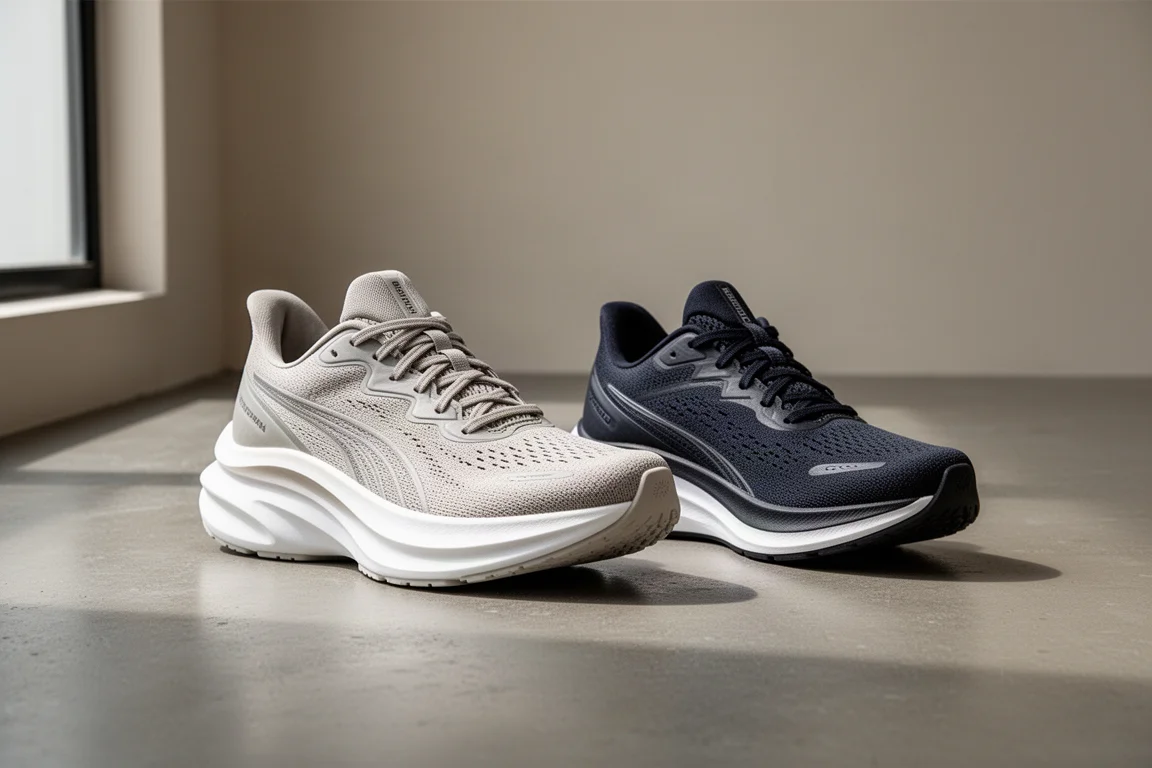
The Saucony Endorphin Speed 4 has turned out to be a complicated revisit. The Endorphin Speed 3 was a favorite, with roughly 600 miles logged across two pairs, but the fourth version changes the rocker geometry and the result is a shoe that feels noticeably different. It is not a bad shoe, but with so many strong plated trainers and daily trainers on the market, it has not been the one reaching for. This post revisits it and compares it against five plated trainers that each solve a different training problem, so you can figure out which one actually fits your running.
Saucony Endorphin Speed 4: Still Mid
The Endorphin Speed 4 uses 100% PowerRun PB foam, a nylon plate, and a heel stack of around 37 to 38 mm with an 8 mm drop. On the scale it comes in at about 225 g, and it has a softer, more flexible feel than most of its competition. At a listed price of $170, it sits in the premium part of the plated trainer market.
The problem is consistency. The ride felt good at some paces and not others, it was not impressive on long runs, and over a 100-mile week it never really locked into a groove. The rocker feels disjointed, slappy, and sloppy at certain paces, which is a strange shift because the Speed 3 was a very smooth shoe. The fit is also narrower and feels less forgiving than some rivals.
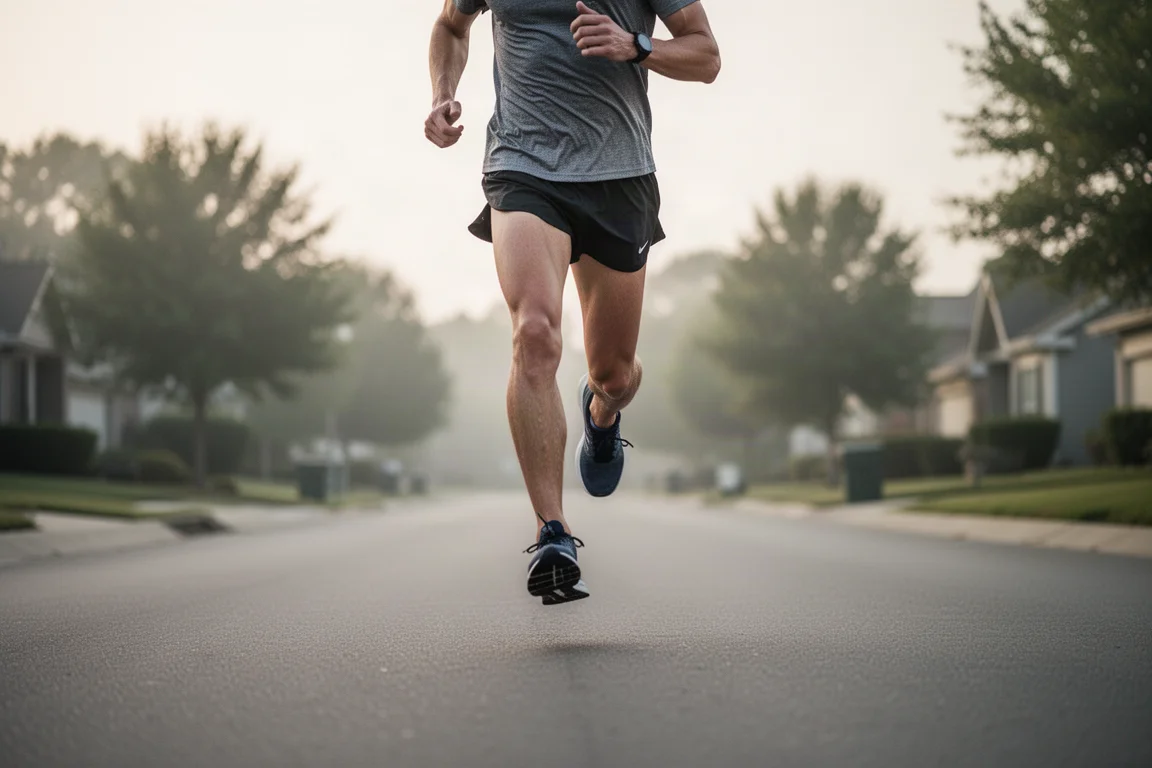
There are genuine upsides. The soft, bouncy foam and flexible plate make it a decent option for lighter runners or for shorter, faster efforts, and the outsole rubber coverage is similar to the Speed 3, which delivered around 300 miles per pair. But at $170, the overall package is hard to recommend over the alternatives below.
Saucony Kinvara Pro: The Tank for Bigger Runners
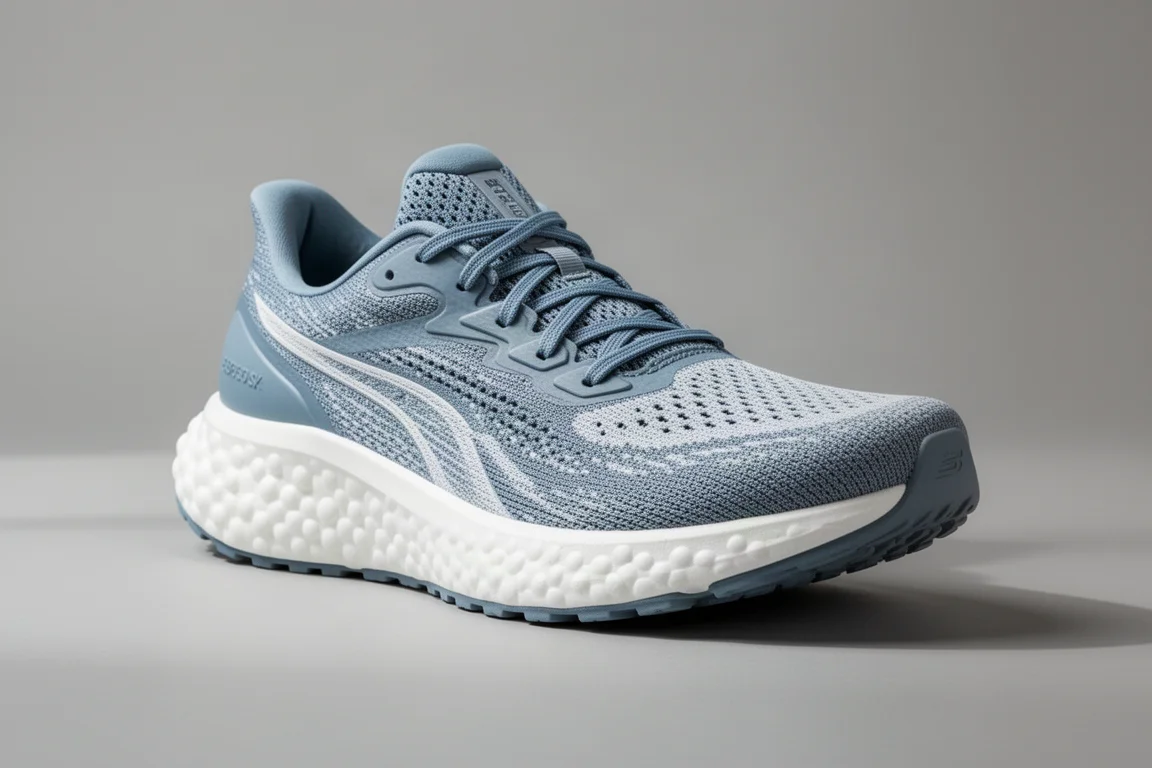
The Kinvara Pro is the opposite philosophy. It combines a bouncy PowerRun PB top layer with a very firm PowerRun bottom layer and a three-quarter length carbon plate, sitting on a taller 42 mm heel with an 8 mm drop. It comes in at about 302.5 g, roughly 50 g heavier than the Speed 4, and it feels like an absolute tank.
First runs can feel too firm and rigid, but around the 30-mile mark the foam softens up and the shoe comes alive. The smooth rolling geometry in the heel and midfoot tips you along beautifully, and the wide, chunky platform plus firmer foam give it real inherent stability. Once you put serious force into the shoe, it responds well rather than squishing under you.
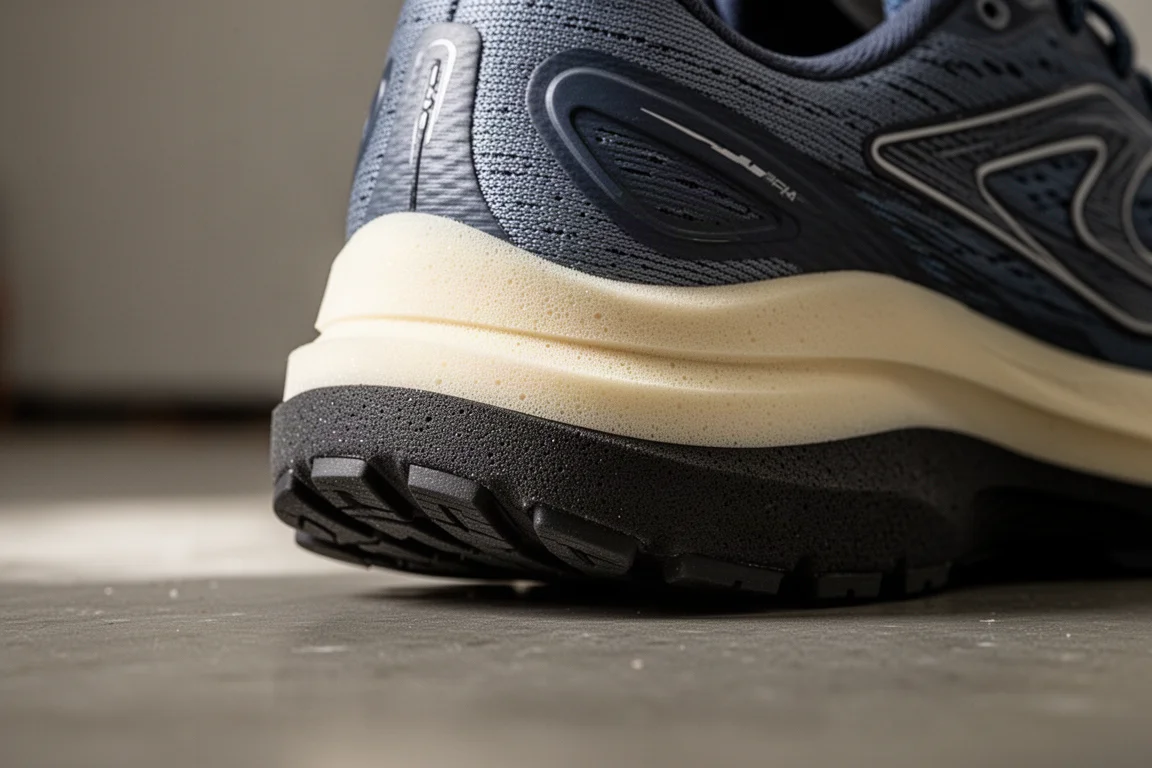
That is why feedback from runners around 200 pounds and above has been overwhelmingly positive, and at a 6:20 to 6:40 pace at 160 pounds, the shoe felt supportive and sturdy. One caveat: there is essentially no outsole rubber, and wear showed through the ridged rubber pattern within about 20 miles, so durability on the bottom is a real concern. It is on sale for $135, down from its regular price, which is rare for a plated trainer at this level.
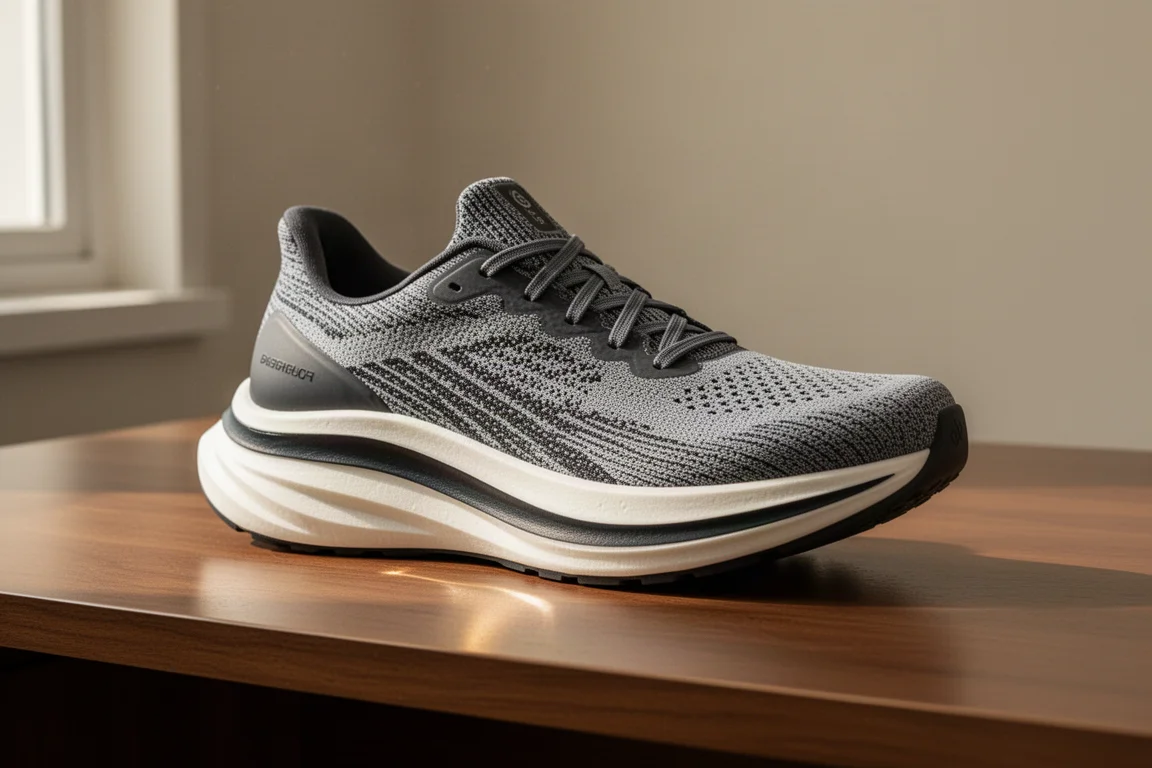
New Balance SC Trainer V2: The Comfort Pick
If soft, bouncy, and comfortable is what you are after, this is the one. For long, steady miles where plushness matters more than snap, the SC Trainer V2 is the stand-out choice in this group and the alternative worth reaching for if the Speed 4’s lack of support puts you off.
View more details for New Balance SC Trainer V2
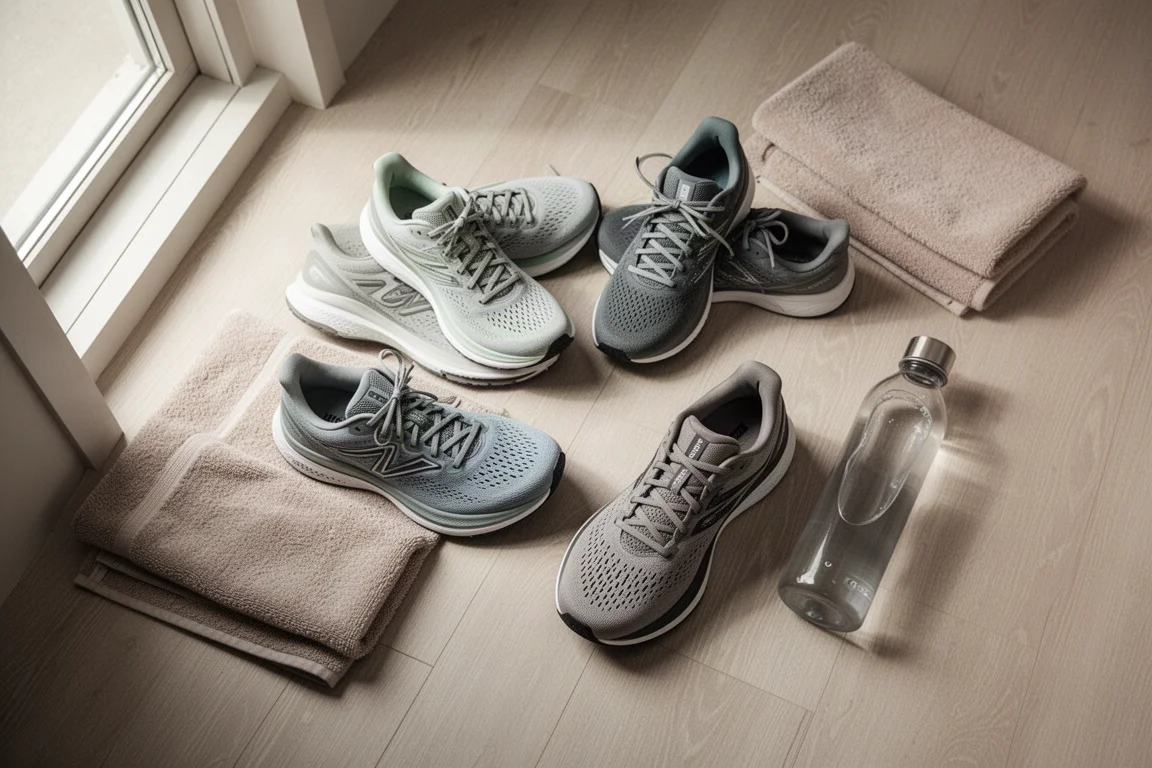
Adidas Boston 12: The In-Between Option
The Boston 12 sits somewhere between the soft Speed 4 and the firm Kinvara Pro. It brings a built-up outsole, a bouncy ride, and a bit more structure, with the usual caveat that it takes some time to break in. If you want structure without going as firm as the Kinvara Pro, this is a sensible middle ground.
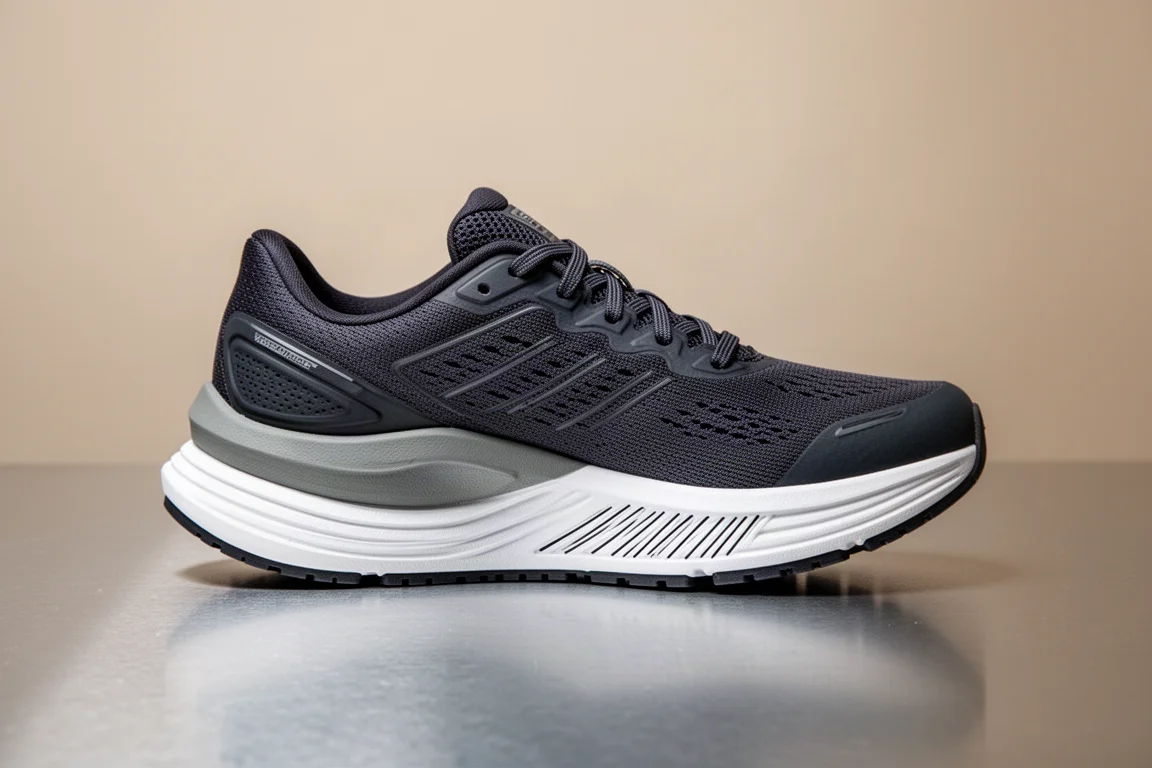
Saucony Endorphin Pro 4: Softer Race-Day Feel
The Endorphin Pro 4 is the pick if you want a race-day shoe with a slightly softer touch. It is firmer than the Speed 4 but not as firm or stable as the Kinvara Pro, and it slots into the lineup as the speed-focused complement rather than a heavy trainer.
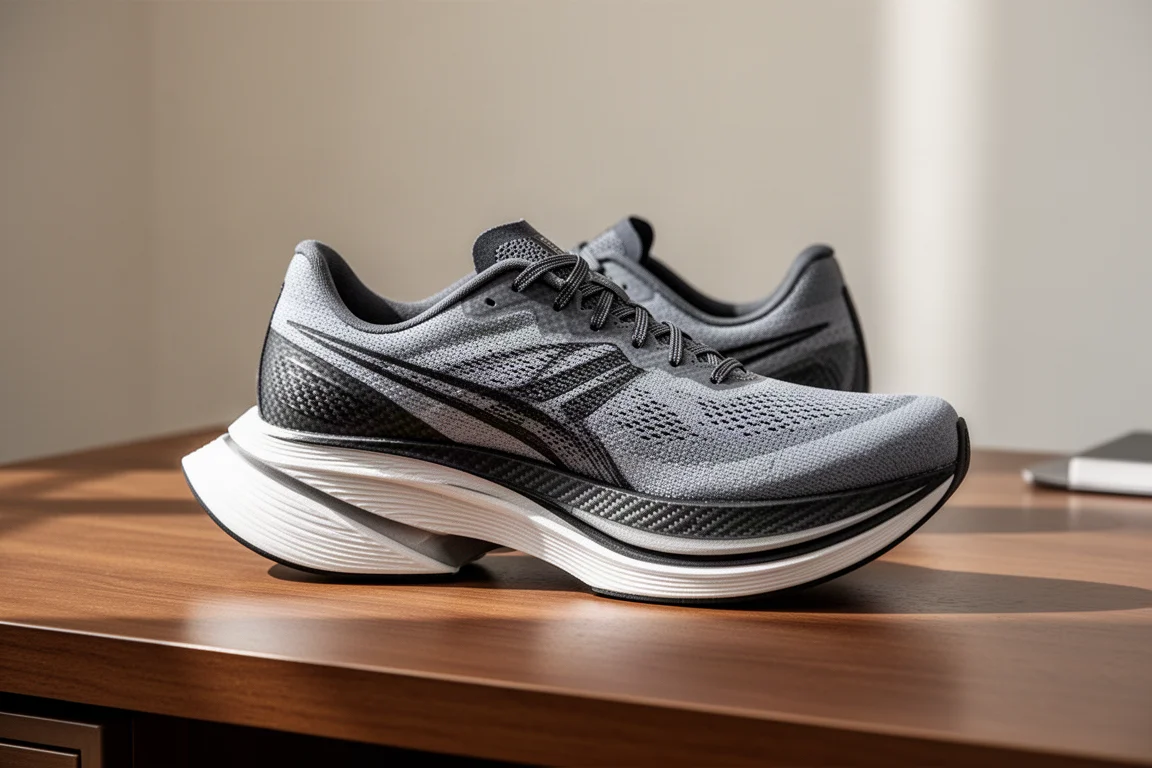
Puma Deviate Nitro 2: The Current Bargain
The Deviate Nitro 2 rounds out the group and is on sale for $90, another unusually good deal on a plated trainer. It is a strong value play if you want a plated ride without paying premium prices.
Which Shoe Should You Buy?
The decision comes down to body type, pace, and what you want from the shoe:
- If you are a bigger runner (around 200 pounds and up) or want a firmer, more stable, structured ride for marathon training, go with the Saucony Kinvara Pro.
- If you want the softest, most comfortable plated trainer for long miles, the New Balance SC Trainer V2 is the pick.
- If you want a built-up outsole with a bouncy, structured ride that sits between soft and firm, the Adidas Boston 12 fits.
- If you want a race-day shoe with a softer touch, the Saucony Endorphin Pro 4 is the option.
- If you want a plated trainer on a tight budget, the Puma Deviate Nitro 2 on sale is hard to beat.
- If you are a lighter runner who wants something soft and flexible for shorter runs, the Endorphin Speed 4 can still work, but at $170 it is no longer the obvious choice.
Conclusion
The verdict after the revisit: the Saucony Endorphin Speed 4 is still mid, while the Kinvara Pro earns its certification as a top pick for bigger runners who want a firmer, stable ride. Match the shoe to your weight, pace, and preferred feel, and every option above has a clear reason to exist. Choose based on the run you actually do most often.
Further reading
Related Reviews

Running Shoes
Best Road-to-Trail Running Shoes: Three Versatile Options for Mixed Terrain
A practical guide to three road-to-trail running shoes that handle both pavement and mild trails, with clear strengths and trade-offs for different runner types.

Running Shoes
Best Running Shoes for Achilles Tendonitis: Three Options Explained
Three running shoes with different heel drops and support features designed to help reduce Achilles tendon pain during walking and running.

Running Shoes
Best Running Shoes for Women: Five Top Choices Ranked
A ranked guide to five women's running shoes, from versatile daily trainers to high-performance racing options, with real strengths and trade-offs for each.