Running Shoes
Saucony Endorphin Speed 4 vs Adidas Boston 12: Which Super Trainer Should You Buy?
Two of the best super trainers on the market go head to head. Here is where each shoe wins, and which one suits your running.
Introduction
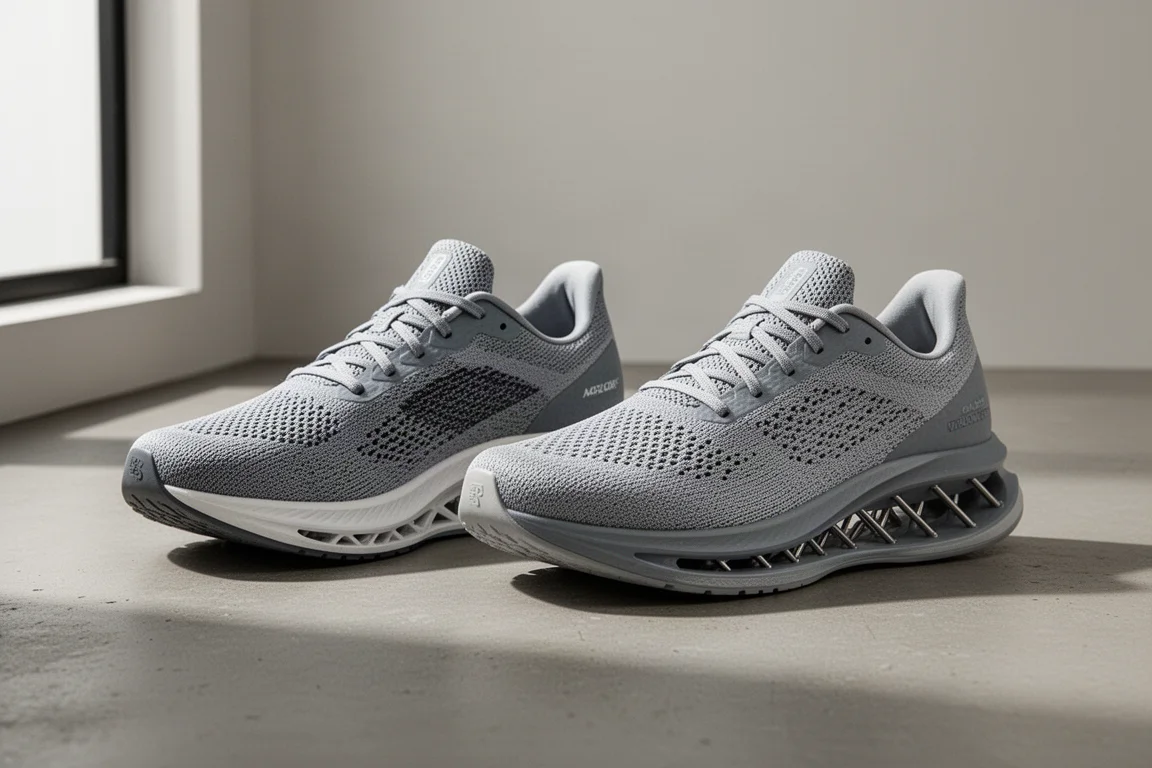
The Saucony Endorphin Speed 4 and the Adidas Boston 12 are two of the best super trainers on the market. These are training shoes that borrow foam and propulsion tech from their brands’ respective carbon racing shoes, and both are versatile enough to handle nearly any type of running. The Boston 12 launched a year earlier than the Endorphin Speed 4, but they now sit side by side at the top of this category.
They are priced differently depending on region. The Endorphin Speed 4 costs £180 or $170, while the Boston 12 is £140 or $160, and the Boston is often reduced. That price gap matters, because performance between the two is very close.
Specs and Fit at a Glance
The Endorphin Speed 4 is the lighter shoe of the pair at 255g (9 oz) in a UK 9, versus 259g (9.1 oz) for the Boston 12 in the same UK size. The geometry differs too: the Boston 12 has a 7mm drop with a 38mm heel stack and 31mm at the forefoot, while the Endorphin Speed 4 has an 8mm drop with a 36mm heel stack and 28mm at the forefoot.
On sizing, the tester’s UK 9 corresponds to a US 10 in the Saucony and a US 9.5 in the Adidas. Both match each brand’s usual sizing. Stick with your normal size in either shoe, but note that Adidas runs slightly tighter in UK sizing.
Design and Construction
The Boston 12 uses a lightweight mesh upper with a very racy feel, minimal padding, and not much structure around the heel. Its midsole is a dual-density setup: a layer of Light Strike Pro foam over Light Strike 2.0 EVA, with Adidas’ energy rods running through the midsole to add propulsion in a similar way to a plate. A Continental rubber outsole gives it very good coverage, especially across the forefoot, with a surprisingly thick layer of foam for such a lightweight shoe.
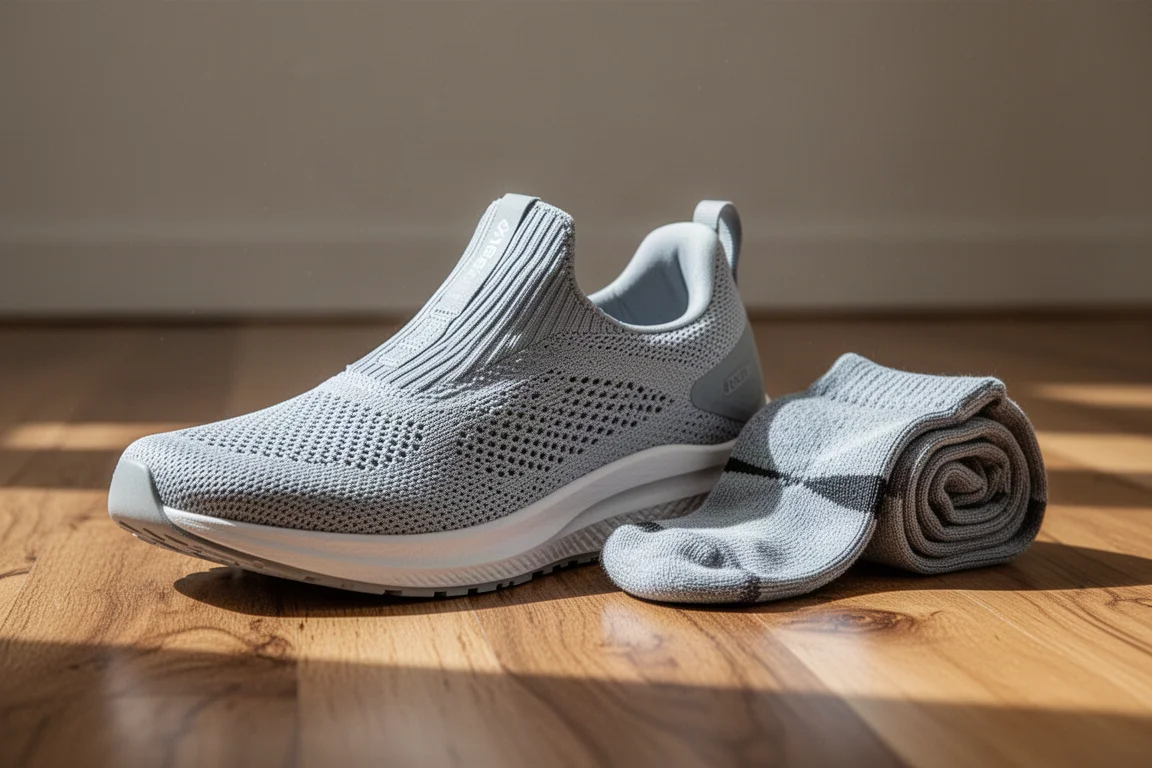
The Endorphin Speed 4 also has a lightweight mesh upper, but with a gusseted tongue, more padding, and noticeably more structure around the heel, including a full internal heel counter. Its midsole uses PWRRUN PB foam, a PEBA-based foam, paired with a winged nylon plate and Saucony’s Speedroll rocker geometry for that rolling ride. The outsole is new for this model: a lattice rubber design with good forefoot coverage, less at the rear, and more exposed foam, plus a midfoot cutout to save weight.
Fit and Upper Comfort
The Boston 12 has a slightly wider fit than past Boston models, but the upper remains fussy. It demands small adjustments almost daily if you train in it: there is some heel rub that often leads wearers to use a heel lock lacing, lace bite from the very thin tongue, and a tongue that is hard to position correctly. Once it is set up it is fine, and it did not cause any lasting discomfort on the run, but it is simply a less comfortable upper all round.
The Endorphin Speed 4 is the easier shoe to live with. The previous version was wide enough to require heel locking for narrow feet, but this model fits more normally, and it feels better suited to daily training as a result.
Ride Feel: Rocker Versus Snap
The Endorphin Speed 4 is the more rocked shoe. Its Speedroll geometry makes it the smoother-feeling shoe at times, and it is the better option for easy cruising. There is a wider base at the heel, and this version is a touch wider than previous models, feeling softer at the back for heel strikers. That makes relaxed paces feel genuinely easy and comfortable. If you plan to hold tempo efforts for an hour or run marathon-pace reps of 4 to 5K, the Endorphin Speed 4 is the more efficient shoe for the job.

The Boston 12, despite its lower drop, has a snappier ride. It gets you onto your forefoot quickly and feels nimble and fast, almost lighter than it actually is. It is the better shoe for short, sharp efforts and all-out interval reps, and some runners may even find it a touch too fast for easy runs. Where it does shine is forefoot comfort on long, hard runs: the higher forefoot stack and deeper wedge of Light Strike Pro feel a bit softer than the PWRRUN PB, and hard runs over an hour feel more forgiving up front, though the Endorphin Speed 4 is not a harsh ride at all.
Grip and Durability
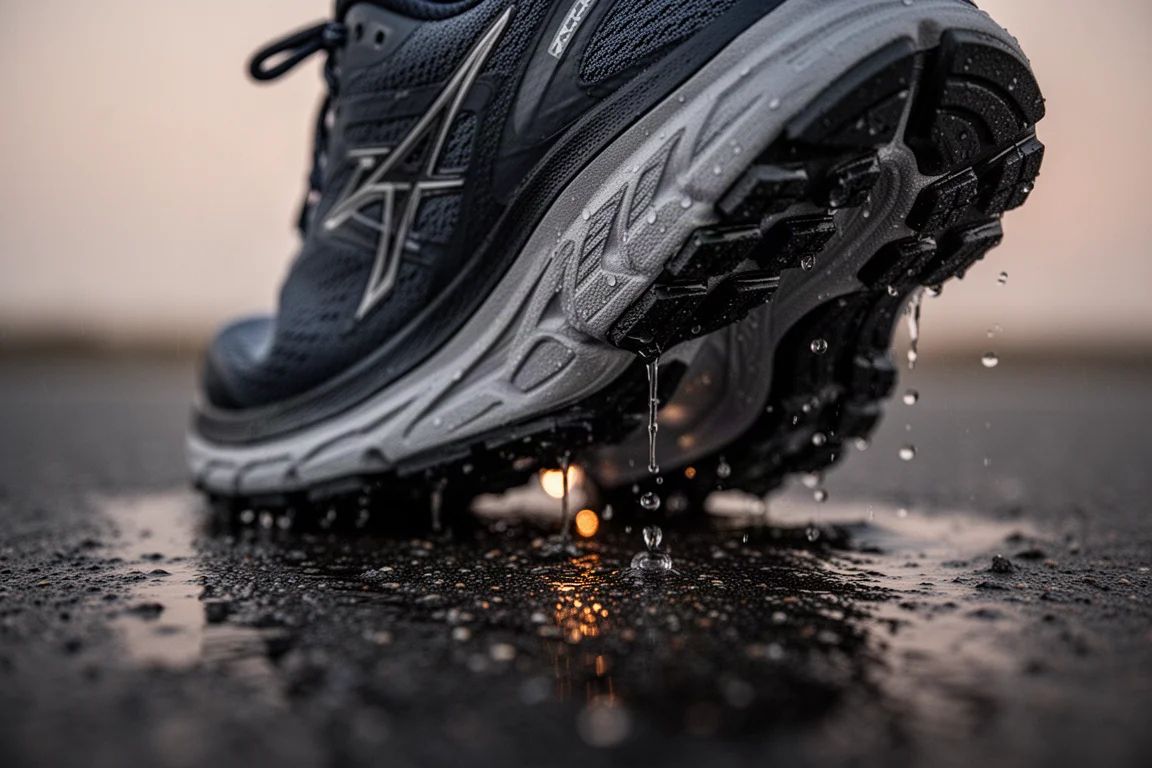
Grip is a clear win for the Boston 12. The Continental rubber outsole is a fantastic, long-proven material, and it delivers noticeably better traction than the Saucony. The Endorphin Speed 4’s new lattice outsole improves on past versions but can still slip a little, especially on a greasy track surface after rain.
Which Shoe Should You Buy?
Both shoes are great all-rounders that can slot into a rotation as a do-everything option or as a fast-session daily trainer. The choice comes down to preference and price. The Boston 12 is cheaper and often heavily discounted, so if you have no strong ride preferences and find it significantly cheaper, it is an easy recommendation, upper quirks aside. It is also the better pick if you want a pure speed-day shoe for interval workouts.

If you are marathon training with lots of long progression runs and hours held at a decent pace, the Endorphin Speed 4 edges it, and it is also the slightly better all-round daily trainer thanks to its more comfortable ride at relaxed paces. But if the Boston is around £50 cheaper, the performance gap is small enough that the Boston is still a very happy purchase.
Conclusion
These are both excellent, versatile super trainers, and the differences between them are marginal. Choose the Boston 12 for its snappier feel, better grip, stronger forefoot comfort on long hard runs, and lower price. Choose the Endorphin Speed 4 for its smoother rocker ride, easier upper, and relaxed-run comfort. Either way, you are getting one of the best super trainers on the market.
Product link
View more details for Saucony Endorphin Speed 4
This product is mentioned in the review. Check the specifications, options, and compatibility before buying.
View more details for Saucony Endorphin Speed 4Further reading
Related Reviews

Running Shoes
Best Road-to-Trail Running Shoes: Three Versatile Options for Mixed Terrain
A practical guide to three road-to-trail running shoes that handle both pavement and mild trails, with clear strengths and trade-offs for different runner types.

Running Shoes
Best Running Shoes for Achilles Tendonitis: Three Options Explained
Three running shoes with different heel drops and support features designed to help reduce Achilles tendon pain during walking and running.

Running Shoes
Best Running Shoes for Women: Five Top Choices Ranked
A ranked guide to five women's running shoes, from versatile daily trainers to high-performance racing options, with real strengths and trade-offs for each.