Running Shoes
Saucony Endorphin Speed 4 vs Endorphin Speed 5: Should You Upgrade?
Two versions of Saucony's popular nylon-plated trainer compared on ride, stability, fit, and who each shoe works best for.
Introduction
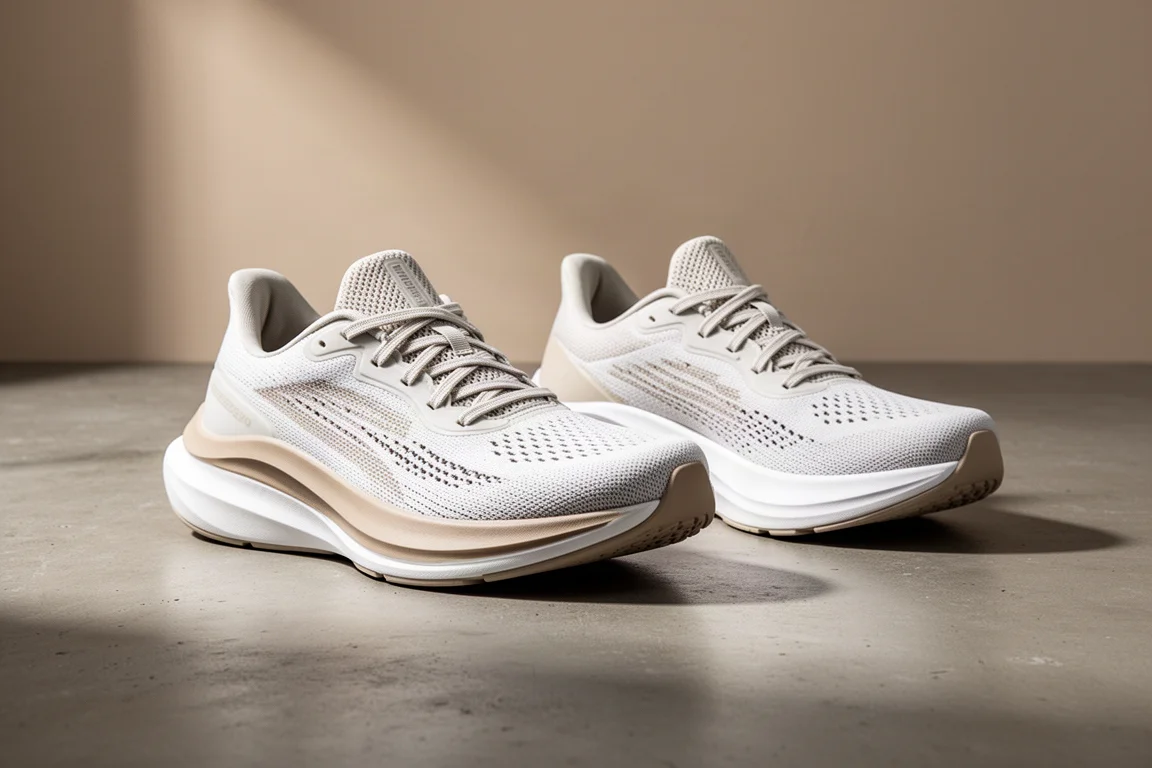
The Saucony Endorphin Speed series has been a favorite among a wide range of runners for years. It was originally positioned as a race-day alternative to the Endorphin Pro, and Saucony’s own research found that different runners respond best to different levels of flexibility: the Endorphin Pro uses a carbon fiber plate, while the Endorphin Speed uses a more forgiving nylon plate. That makes the Speed a versatile option that can handle easy runs, long runs, and even workouts for many recreational runners.
Version 5 looks similar to version 4, but it is not the same shoe. After roughly 25 miles of break-in on the newer pair, the differences in heel transition, stability, and fit become clear. This comparison walks through the specs, the ride, the fit, and who each version suits best, so you can decide whether to buy version 4 on sale or pay for the updates in version 5.
Specs
Measured in a men’s size 10, both shoes share the same stack: 36 mm in the heel and 28 mm in the forefoot for an 8 mm drop. The weights differ slightly. Version 4 comes in at 8.8 oz (about 240 g), while version 5 gains a little at 9 oz (about 256 g). Individually these are small differences, but together with geometry changes they noticeably alter how each shoe transitions through the stride.
Ride and Transition
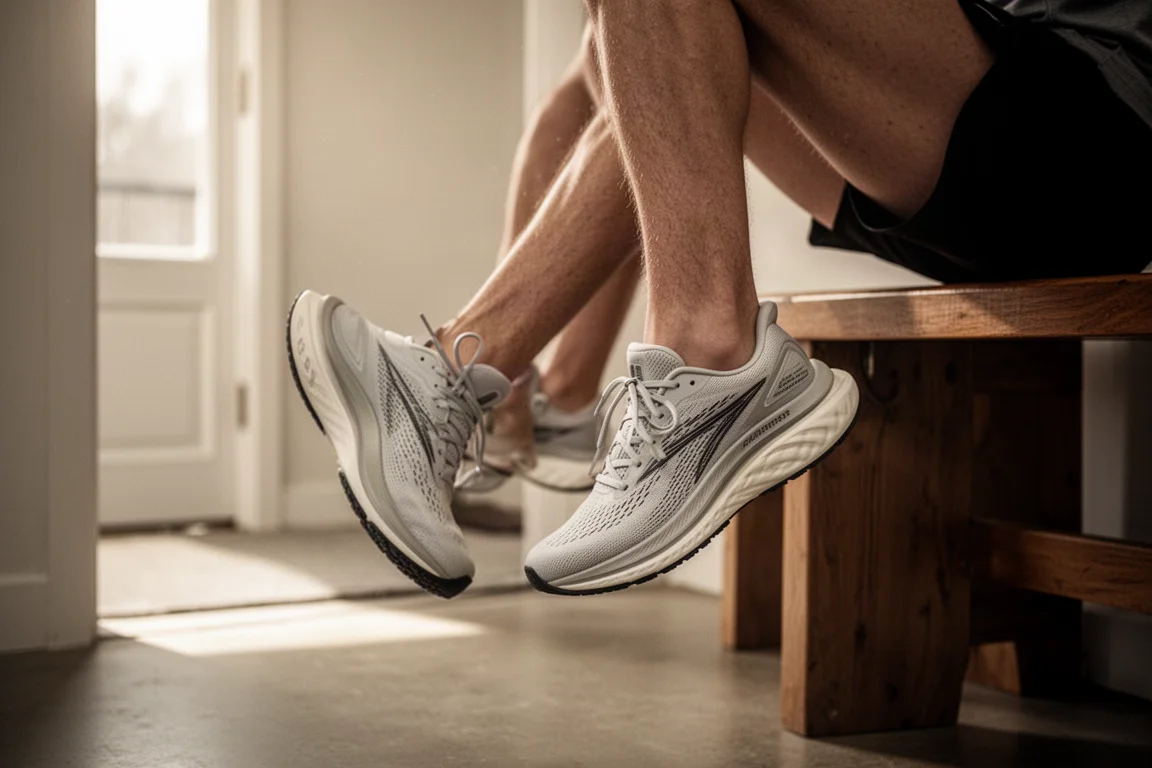
Version 4 has a heel that can feel a bit clunky before it breaks in. The sole flares laterally quite a bit, and the lateral extension of the plate, which does a good job of preventing runners from rolling too far outward, adds to that initial clunk. Once broken in, it still feels light and snappy, with a nylon plate that is surprisingly stiff underfoot and really shines during workouts. The trade-off is a firmer forefoot that can feel a little hard over longer runs.
Version 5 changes the geometry meaningfully. Saucony removed the lateral part of the plate, leaving only the medial extension, and shifted the bevel angle slightly while making the lateral midsole collapse more easily. The result is a noticeably smoother heel transition and a more flexible ride overall. That flexibility makes version 5 feel better on easy runs and long runs, and the forefoot no longer feels like it bottoms out. The cost is some top-end speed: version 4 is the faster, snappier shoe at hard paces, while version 5 is more comfortable everywhere below that ceiling.
Stability and Underfoot Feel
Version 4 sits fairly centered, with roughly equal flare on both sides, and it is the better pick if you have any lateral sensitivity. Version 5 moves in a different direction: there is more medial flare in the heel and a lateral midsole cutout to save weight, which keeps the foot slightly more to the outside. That lateral bias makes version 5 feel like a stable-neutral shoe for runners who need mild medial guidance, though it may not suit runners with lateral stability needs.
Version 5 also adds a bit more room in the forefoot, which is slightly wider than version 4. Neither shoe is a stability shoe in the midfoot or forefoot, but version 5 transitions better underfoot and feels a touch more stable there despite being more flexible.
Upper and Fit
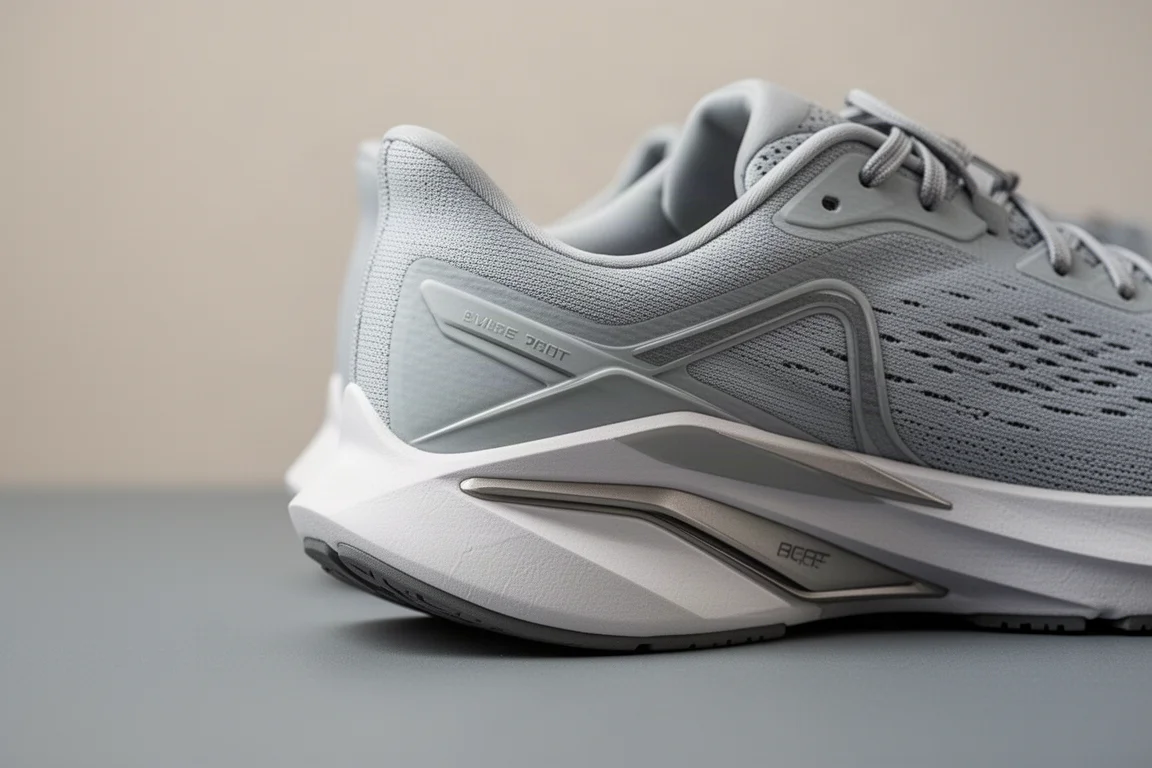
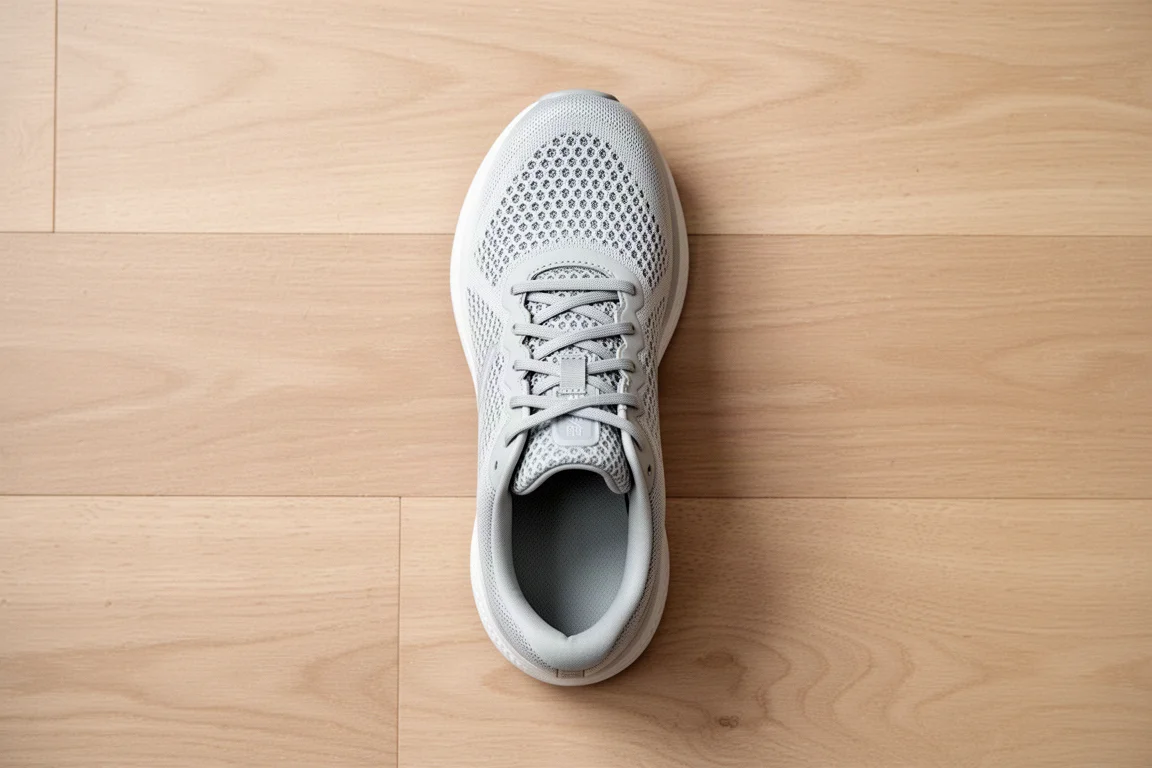
The uppers share a similar heel counter, but the fit changes noticeably. Version 5 runs a bit more snug at first for wider feet, but the update widens the shoe throughout: more room at the pinky toe, a more rounded toe box, and a little more space in the heel and midfoot as well. The hexagonal mesh is slightly lighter yet feels similar, and the tongue has a bit more girth in version 5.
Runners who found version 4 just a tad too tight will appreciate the extra room in version 5. Runners with genuinely narrow feet may prefer version 4, since they might find themselves cinching the laces down tighter on the newer version.
Buying Advice
Choose version 4 if you want a stiffer, snappier, faster ride, a more centered platform, or you have narrow feet or any lateral stability sensitivity. It remains the better speed-day weapon of the two.
Choose version 5 if you want a shoe that still handles workouts but feels more comfortable at easier paces and over longer runs, does not bottom out in the forefoot, gives you a little more toe box room, or offers mild medial guidance in the heel. Both remain strong alternatives to the Endorphin Pro for everyday runners, and the Speed series continues to be the more versatile pick for most.

Conclusion
Version 5 is not a cosmetic refresh. The reworked plate, smoother heel transition, added medial guidance, and roomier upper make it a genuinely different shoe. If speed and a centered, snappy ride matter most, stick with version 4. If comfort, long-run ease, and a touch of stability appeal to you, version 5 is the better bet. Either way, you are getting one of the most versatile nylon-plated trainers available.
Product link
View more details for Saucony Endorphin Speed 4
This product is mentioned in the review. Check the specifications, options, and compatibility before buying.
View more details for Saucony Endorphin Speed 4Further reading
Related Reviews

Running Shoes
Best Road-to-Trail Running Shoes: Three Versatile Options for Mixed Terrain
A practical guide to three road-to-trail running shoes that handle both pavement and mild trails, with clear strengths and trade-offs for different runner types.

Running Shoes
Best Running Shoes for Achilles Tendonitis: Three Options Explained
Three running shoes with different heel drops and support features designed to help reduce Achilles tendon pain during walking and running.

Running Shoes
Best Running Shoes for Women: Five Top Choices Ranked
A ranked guide to five women's running shoes, from versatile daily trainers to high-performance racing options, with real strengths and trade-offs for each.