Running Shoes
Saucony Endorphin Speed 4 vs Endorphin Speed 3: Which One Deserves Your Miles?
A back-to-back comparison of the Saucony Endorphin Speed 4 and the Endorphin Speed 3, covering fit, midsole changes, weight, and price.
Introduction
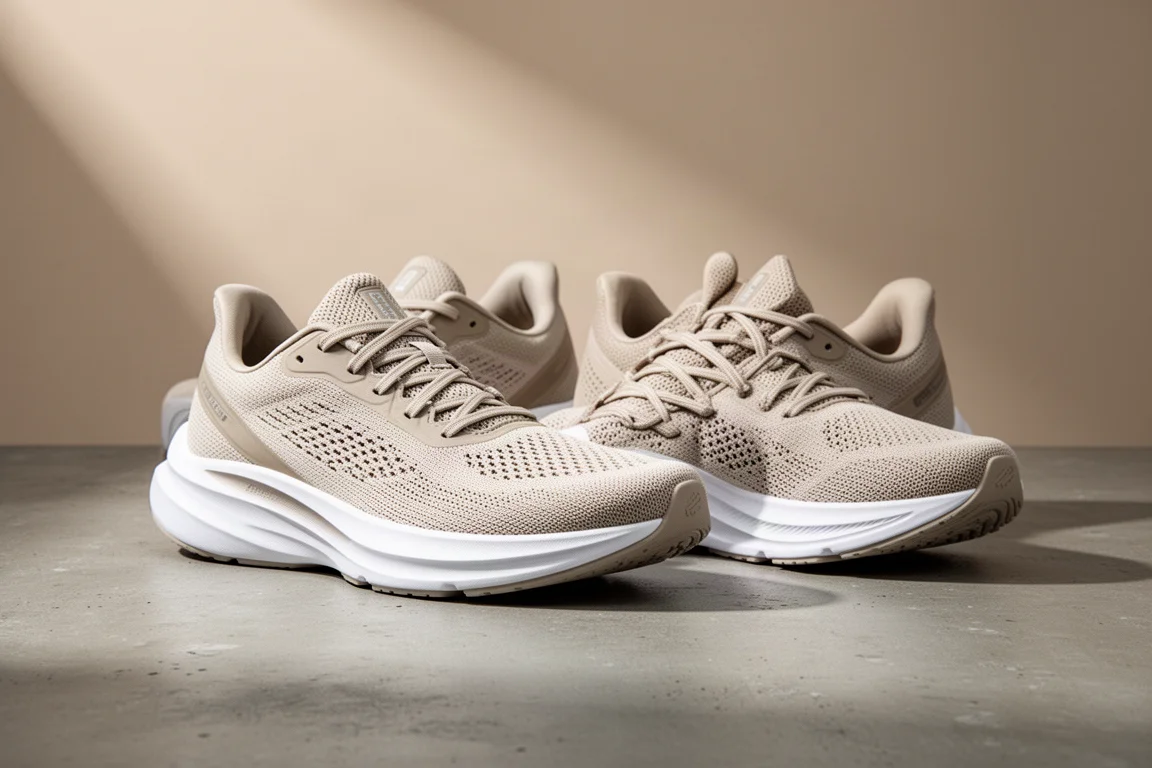
The Saucony Endorphin Speed line has a loyal following, and for good reason: the original model is widely credited with putting Saucony back on the performance running map. But the story has not been a straight line upward. The Endorphin Speed 2 kept most of that magic, the Speed 3 lost some of it, and the new Endorphin Speed 4 is the brand’s attempt to bring the energy back.
This comparison looks at how the Speed 4 stacks up against the Speed 3 after running the same session in both shoes: a steady two-mile warm-up followed by three quicker tempo miles.
First Look at the Endorphin Speed 4
The Endorphin Speed 4 is designed as a neutral performance trainer. It is built to handle quicker sessions throughout the week, such as intervals and tempo runs, but it can also serve as a daily trainer or even be laced up on race day. That versatility has always been the appeal of the Speed line.
This time around, the shoe has gone through a complete redesign, and not all the changes are welcome. The price has risen to £180 in the UK, a £15 increase over the Endorphin Speed 3. The weight is up too: a UK 9.5 tips the scales at 262g, roughly 20g heavier than the previous version. Neither move is ideal for a performance-driven trainer, though on the road the shoe still ran light and nimble.
What Changed in the Midsole
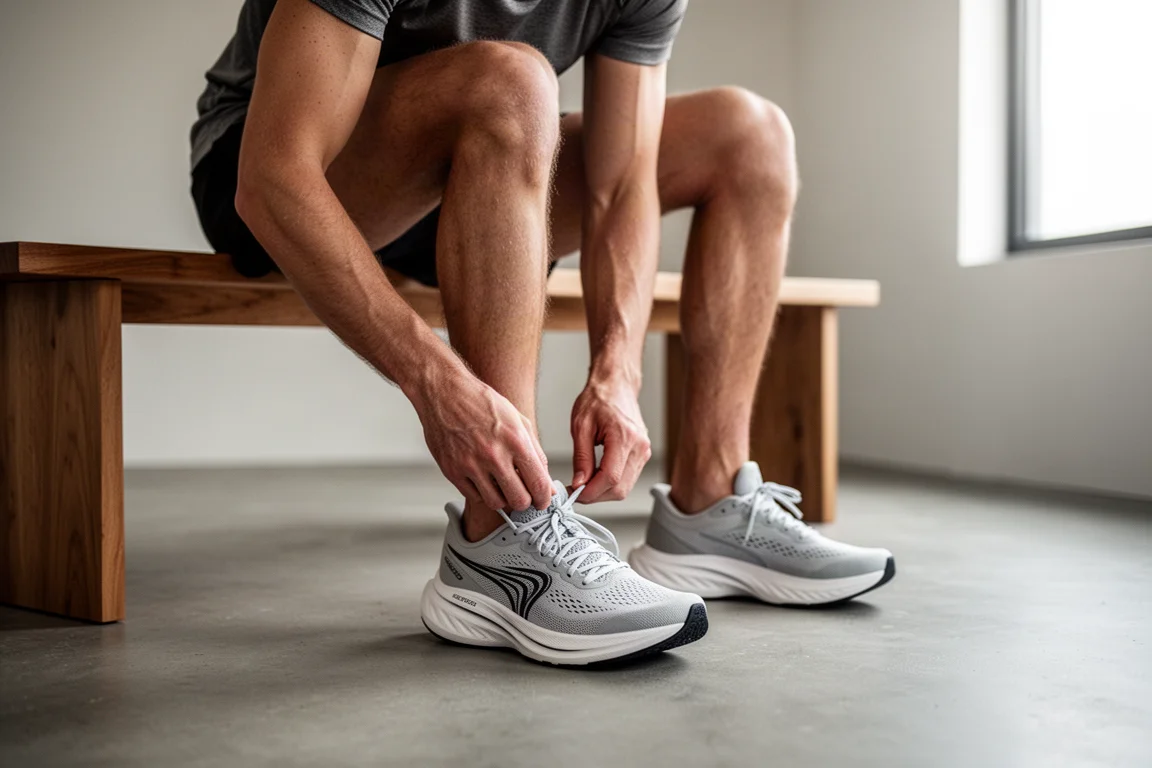
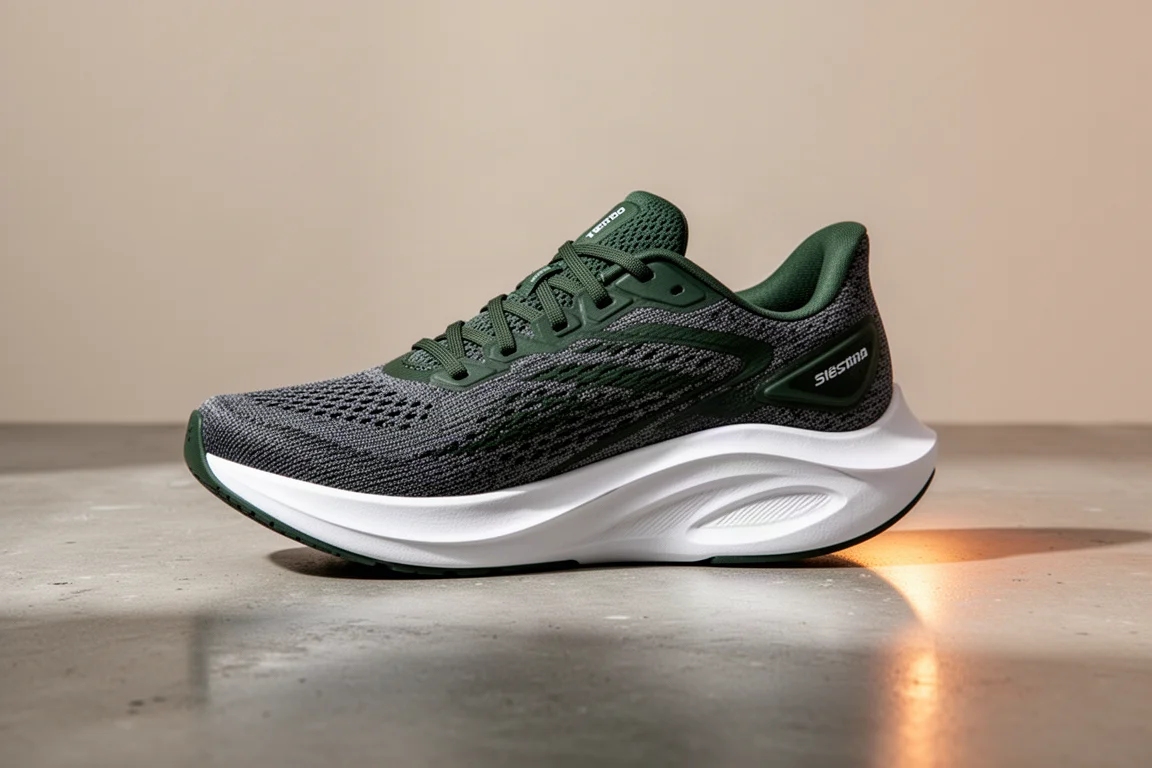
The stack height stays the same at 36mm at the heel and 28mm under the forefoot, keeping the 8mm heel offset. The nylon winged plate has been re-engineered, and it remains a nylon plate rather than the carbon plate you get in the Endorphin Pro, which keeps the shoe a little more flexible and forgiving for training miles. The plate is still housed in Saucony’s PWRRUN PB foam, and the SpeedRoll rocker geometry returns to help with smoother turnover and forward motion.
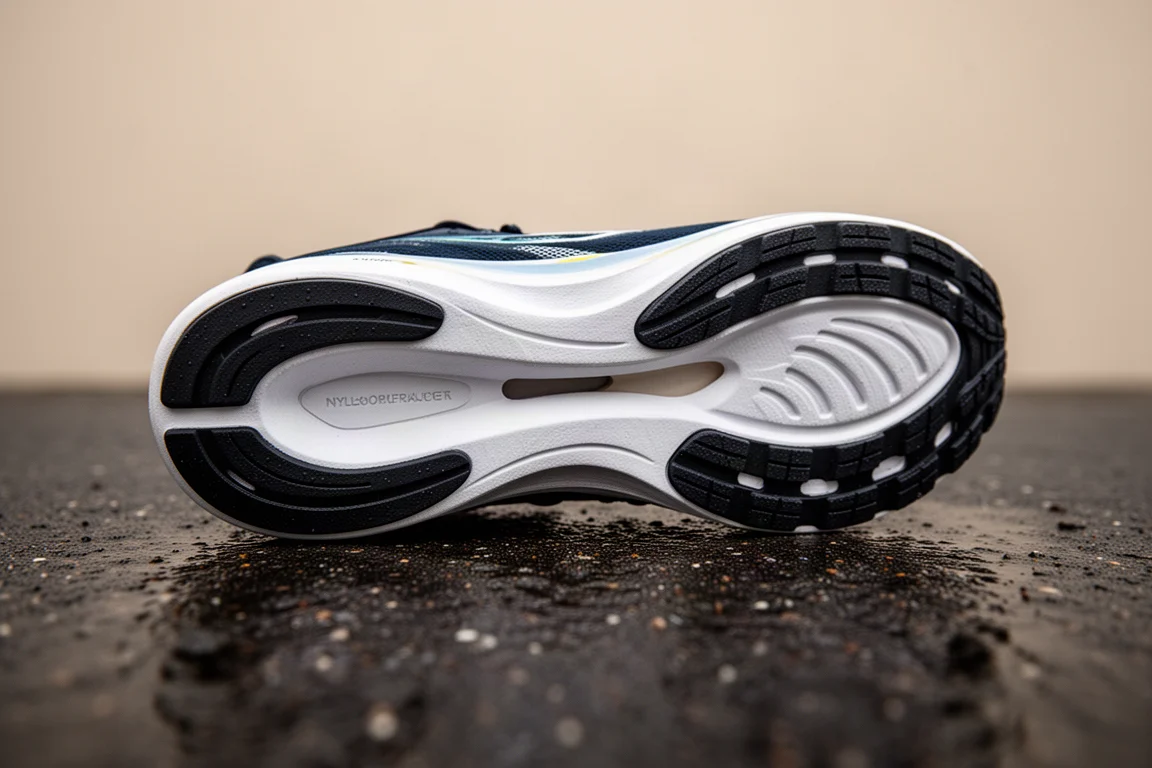
The overall midsole design is quite different, though. There is a new split wing design at the heel, and a cut-out at the shank now exposes the nylon plate on the outsole. Visible voids in the outsole are not for everyone, and there is a fair question about whether that cut-out could become a stone trap over time.
Saucony XT carbon rubber covers the high-wear areas, while the forefoot gets a new lugged design aimed at grip in all weather conditions plus extra durability for training miles.
Upper, Fit, and Comfort
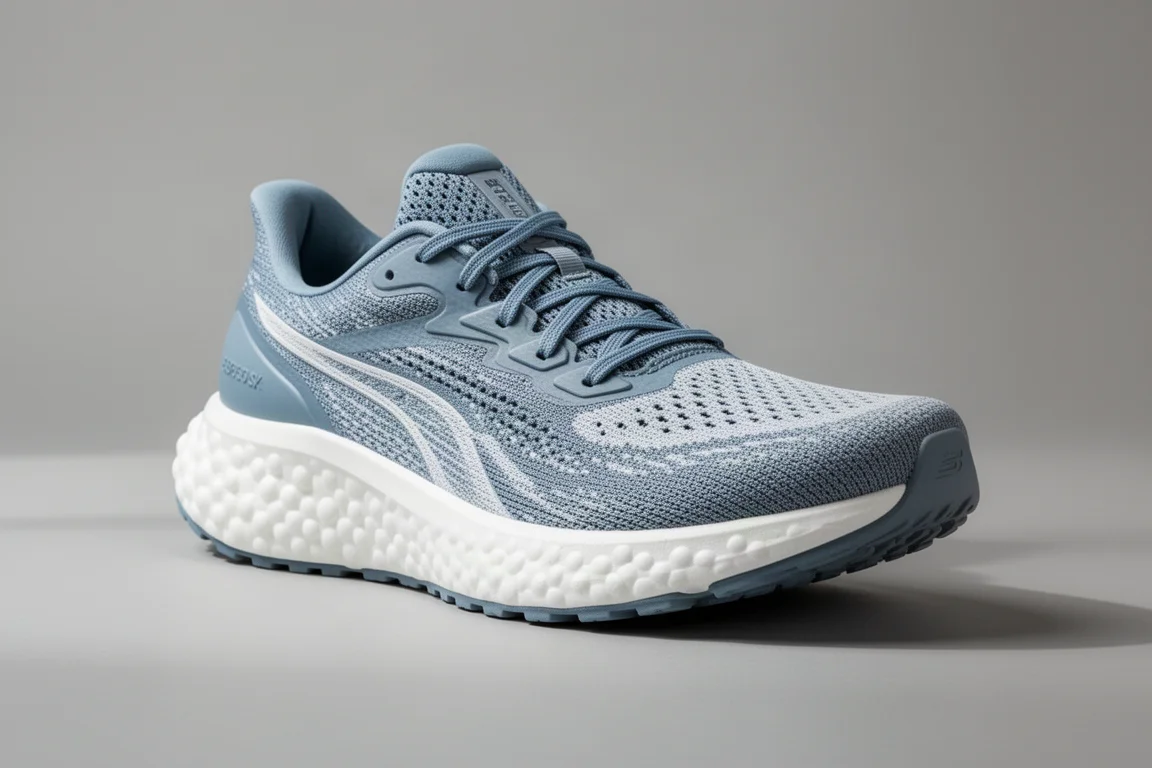
The new upper is all about being lightweight and breathable. It uses zonal engineered mesh with plenty of perforations across the toe box and midfoot, plus a very lightweight tongue built from three independent layers of mesh with larger perforations worked in. The tongue is gusseted inside the upper for a foot-hugging performance feel, and Saucony added padding across the top of the tongue where the laces pull down tight, which keeps it comfortable across the instep.
Padding around the ankle collar and heel cup is moderate but sufficient, with overlays around the heel and lace eyelets plus internal inlays around the toe box giving the soft upper some structure. A lockdown system in the laces secures the midfoot and reduces in-shoe slippage, and the heel cradle felt secure even at tempo.
In terms of fit, the Speed 4 runs true to size with an average to narrow toe box. Runners with particularly wide feet may struggle, as the toe box is not the roomiest, even for someone with a relatively narrow foot shape.
Running the Speed 4 Back to Back With the Speed 3
Running the same warm-up and tempo session in both shoes made the differences easy to feel. The Speed 3 ran exactly as remembered: not bad at slower tempos, but once the pace went up it felt flat, lacking energy return and pop compared to the original Endorphin Speed and the Speed 2. It felt closer to a plainer daily trainer than an exciting performance shoe.
The Speed 4 told a different story. Even during a steady two-mile warm-up, it felt a little lighter and nimbler despite the added weight. At tempo, it delivered more forward momentum, more efficiency underfoot, and noticeably more energy return from the PWRRUN PB foam. Those three tempo miles came out quicker than in the Speed 3, yet felt easier.

It is not quite the same thrill as the original Endorphin Speed, which set a road 5K personal best in these pages, but the winged plate does make the Speed 4 feel more planted and stable than that very soft, stripped-back original. For a training shoe meant to handle every aspect of your running, that stability is arguably a fair trade.
Should You Buy the Endorphin Speed 3 Instead?
The Speed 3 is not a bad shoe, and the uppers of the two models fit very similarly, so there is no meaningful difference there. But its midsole performance is the reason the Speed line lost some of its reputation. If you can still find it at a discount, it remains a competent neutral trainer for everyday miles.
Buying Advice
For most runners looking for one versatile shoe, the Speed 4 is the better pick. It outperformed the Speed 3 on every level in this comparison: better energy return, a more efficient ride at pace, and a more planted feel thanks to the winged plate. The upper is light, airy, and comfortable, with no fit issues across the whole range over the years.
The trade-offs are real, though. The £180 price tag is expensive for a training shoe, even a versatile one, and the 20g weight increase is a small but genuine disappointment. If budget is the priority and you do not mind a flatter ride at tempo, the older Speed 3 still holds up for easy and everyday running.
Conclusion
The Endorphin Speed 4 puts a bit of life back into the model. It is a big step in the right direction and a clear improvement over the Speed 3, even if it does not fully recapture the original’s magic. If you have been holding off since the Speed 3 era, this is a good time to come back to the line, as long as the price increase does not put you off.
Further reading
Related Reviews

Running Shoes
Best Road-to-Trail Running Shoes: Three Versatile Options for Mixed Terrain
A practical guide to three road-to-trail running shoes that handle both pavement and mild trails, with clear strengths and trade-offs for different runner types.

Running Shoes
Best Running Shoes for Achilles Tendonitis: Three Options Explained
Three running shoes with different heel drops and support features designed to help reduce Achilles tendon pain during walking and running.

Running Shoes
Best Running Shoes for Women: Five Top Choices Ranked
A ranked guide to five women's running shoes, from versatile daily trainers to high-performance racing options, with real strengths and trade-offs for each.