Running Shoes
Saucony Endorphin Speed 4 Review: 100 Miles in a Versatile Tempo Trainer
After a full week of heavy use covering around 100 miles, here is how the Endorphin Speed 4 handles daily miles, steady runs, long efforts, and when it falls short.
Introduction
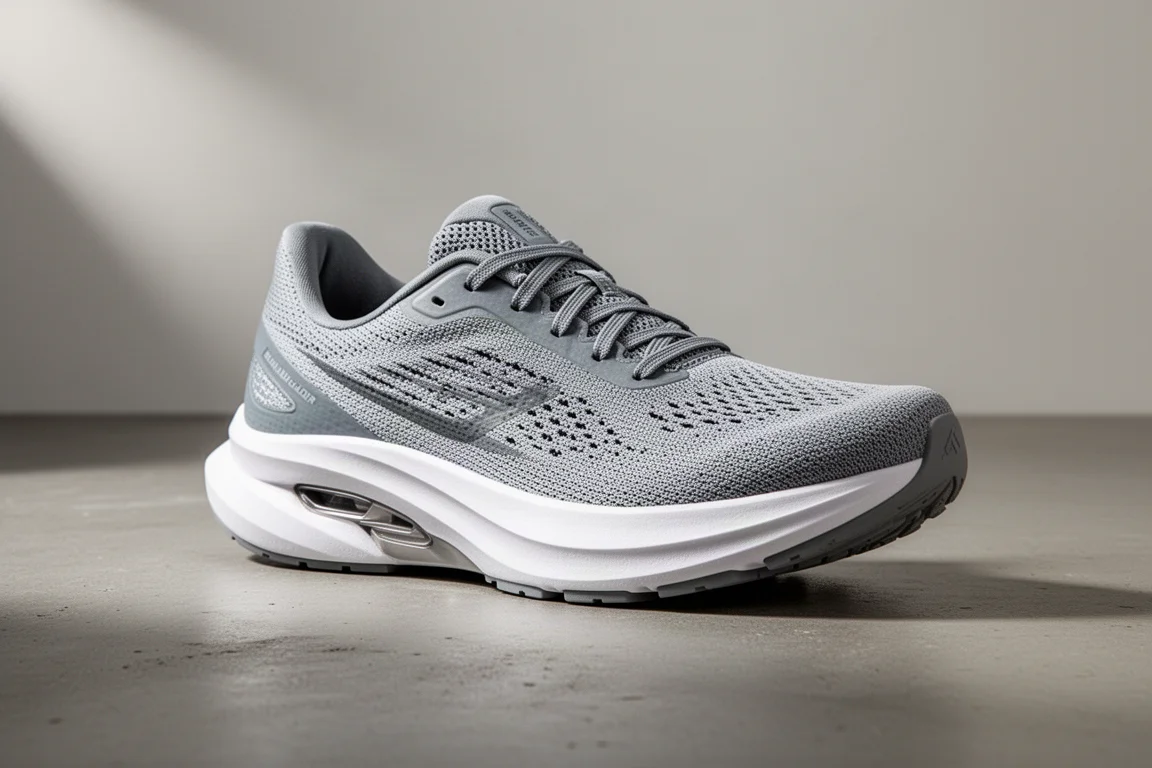
After a full week of daily running that added up to roughly 100 miles, the Saucony Endorphin Speed 4 has been through a serious stress test. This is a tempo-oriented daily trainer with a winged nylon plate and Saucony’s bouncy PWRRUN PB foam, and it sits in a segment with two distinct philosophies: firmer, more structured speed shoes like the Adidas Boston 12 and Asics Magic Speed 3, or softer, more forgiving everyday-plated shoes like the New Balance SC Trainer V2 and the previous Endorphin Speed 3.
On paper, the Speed 4 changes very little. Saucony kept the same 8mm drop, the same wide base, and the same general feel as the Speed 3, while adding a bit more rubber to the outsole. The big question is whether it retains the fun, versatile character that made the line popular, and whether it works for your pace and body type.
Who This Shoe Is For
The honest answer is that this shoe can work for almost everyone, as long as you place it correctly in your rotation. For lighter, more graceful runners, it can genuinely be a do-it-all shoe. It handles daily miles, strides, progression runs, and moderate steady efforts comfortably, and it can even serve as a half marathon race shoe if you want more comfort than a Vaporfly or Endorphin Pro, particularly for a sub-2-hour half marathon target.
For bigger, more powerful runners, the picture narrows a bit. At very fast paces and on runs beyond around 90 minutes, the midsole can feel like it is going flat, and a firmer, more supportive option like the Boston 12 or a carbon-plated shoe is a better match for long runs with marathon-pace work.
The Upper and Fit
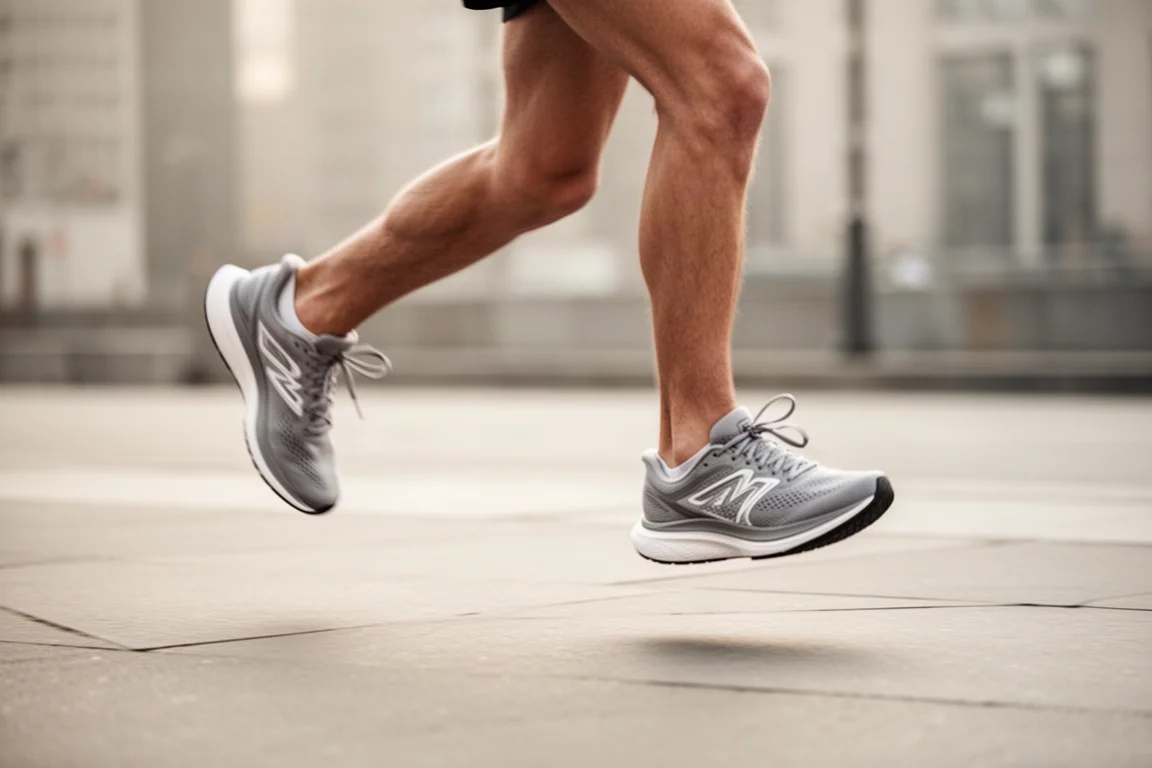
The upper is a genuine highlight. It is extremely lightweight, highly breathable thanks to plenty of perforations, and has just the right amount of stretch: never sloppy, never claustrophobic. Length is true to size and the lockdown is excellent. The soft, slightly stretchy laces mean you do not have to crank them down, and there was no need to re-tie across an entire week of runs, hills, treadmill sessions, and wet weather.
The one real weakness is a narrow toebox, carried over unchanged from the Speed 3. On very high mileage this can create friction points along the outside of the forefoot. Runners with wider feet should know that a wide version of the Speed 3 existed, and a wide Speed 4 is expected to arrive as well. The heel counter is solid and secure with zero heel slip, even on climbs and varied terrain.
Midsole and Plate
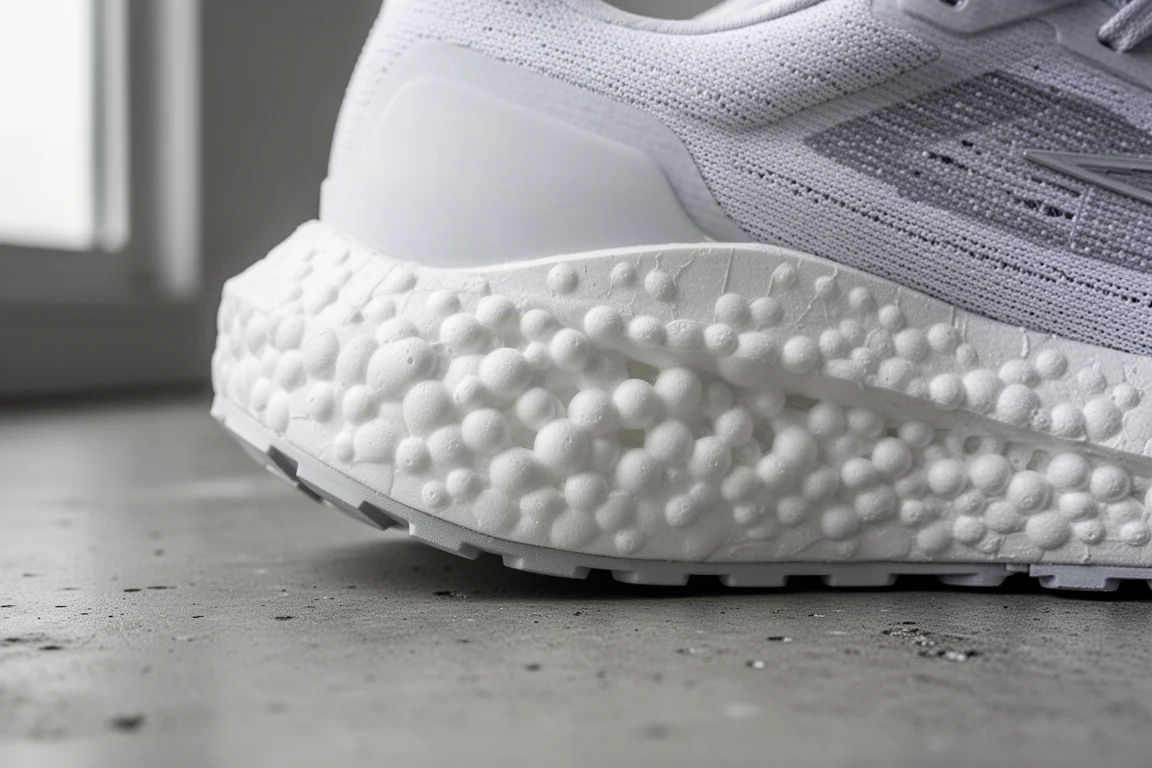
The midsole is nearly identical to the Speed 3: the same 8mm drop, the same full PWRRUN PB foam, and the same winged nylon plate, with a small wing visible at the sidewall that improves lockdown through corners and reduces twisting compared to the Speed 2. The shoe remains notably flexible for a plated trainer, bending far more in the midfoot than a firmer glass-fiber-plated shoe like the Boston 12.
The main midsole change is at the heel, where Saucony flared and split the foam at the back. It adds a slightly more planted landing at faster speeds, which may appeal if you want a touch of light stability, but at slower paces it can feel a bit awkward and clunky. A durometer comparison against the Speed 3 showed the two foams reading in the same general range, so the ride character has not fundamentally changed.
Ride and Performance
The Speed 4 shines in the steady-running zone, roughly between recovery pace and marathon pace, where it feels fun, bouncy, and comfortably hard. Compared to the Speed 3, the rocker feels slightly toned down, so it rolls you along a little less, and the unbridled bounce at slower paces is a touch more restrained. At marathon effort it remains a genuinely enjoyable option.
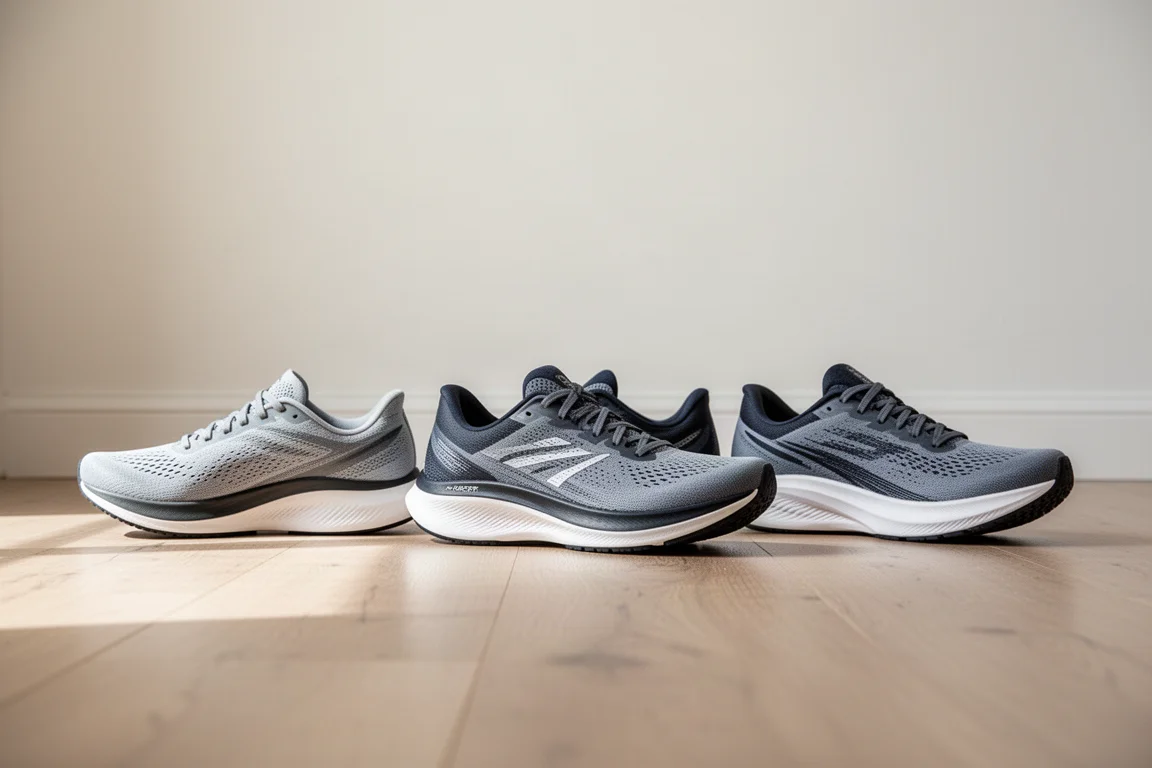
At very fast 5K and 10K paces, heavier and more powerful runners may find the foam lacking support, especially deep into long runs past the two-hour mark. Lighter runners should not hit this wall. What stands out most is comfort: no break-in period, and legs felt fresh throughout a 100-mile week, even when the shoe softened at the tail end of long efforts. It is a poor match for true recovery pace around 8:00 to 8:30 per mile, where the heel flare feels awkward and better dedicated easy-day shoes exist.
Outsole and Durability
PEBAX-type PE foam is never a durability champion, and after about 100 miles there is visible wear at the rear and the rubber has worn thin in spots. The Speed 3 had to be retired near the 300-mile mark, which is below average, and this version will likely land at average to slightly below average for heavier runners. Lighter forefoot strikers should get more life thanks to the added rubber at the front.
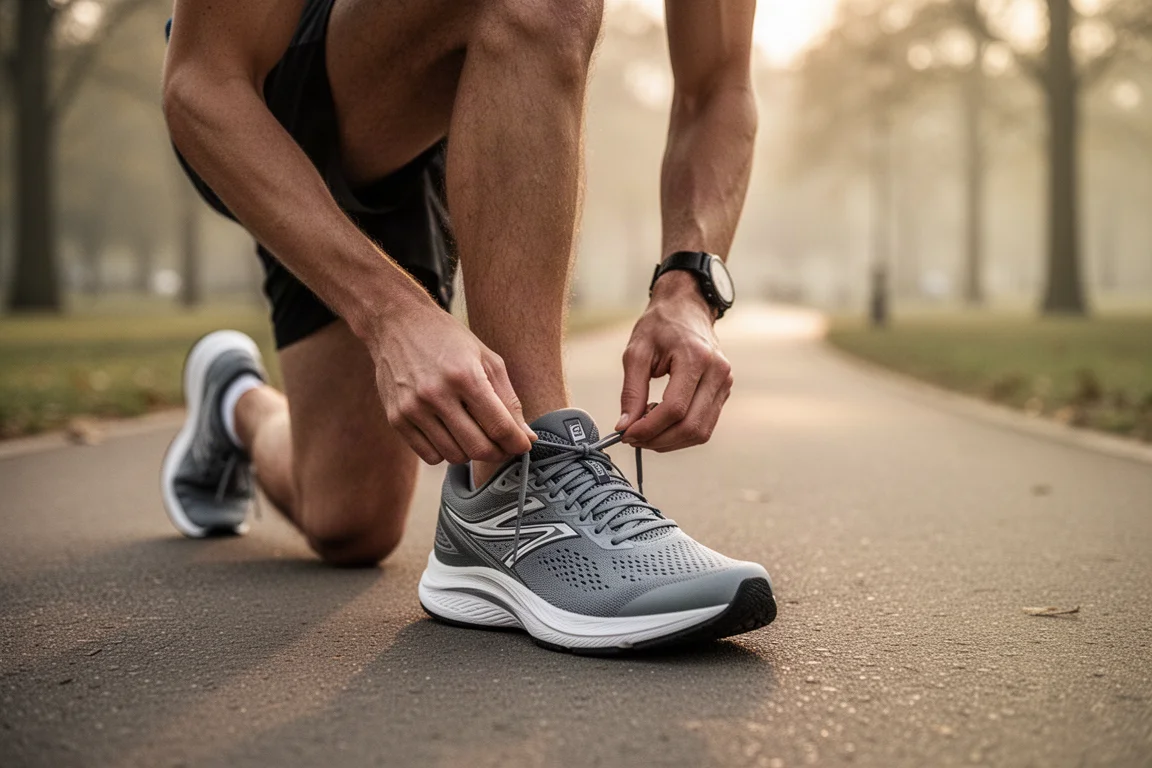
Grip is solid but not elite. It held up well in wet everyday running, with no slipping at normal paces, but for fast workouts on slick roads the Continental rubber on Adidas shoes or Puma’s grip is the safer bet. Avoid this shoe for very fast efforts in wet winter conditions.
Buying Advice
If you are a sub-3-hour marathon runner looking for a protective daily trainer, this is an excellent fit. In the 3:30 to 4-hour marathon range, it can be a great do-it-all option. For most runners, pairing it with a plush easy-day shoe like the New Balance 1080v13 makes a strong two-shoe rotation, and adding a carbon racer like a Vaporfly or Rocket X completes a well-rounded three-shoe setup.
Skip it if you want a dedicated recovery shoe, a maximum-support long-run partner for 20-plus-mile weekends, or a race shoe for a sub-90-minute half or sub-3 marathon. As a daily, steady, and tempo workhorse for everything up to about 90 minutes, it is one of the best choices available.
Conclusion
The Saucony Endorphin Speed 4 keeps the versatile, fun identity of the Speed 3 with a slightly tamer rocker, a superb upper, and a touch more outsole rubber. Pushed to extremes, it gives ground to firmer trainers and carbon racers, but for daily miles, strides, and steady work, it earns its place in most rotations.
Product link
View more details for Saucony Endorphin Speed 4
This product is mentioned in the review. Check the specifications, options, and compatibility before buying.
View more details for Saucony Endorphin Speed 4Further reading
Related Reviews

Running Shoes
Best Road-to-Trail Running Shoes: Three Versatile Options for Mixed Terrain
A practical guide to three road-to-trail running shoes that handle both pavement and mild trails, with clear strengths and trade-offs for different runner types.

Running Shoes
Best Running Shoes for Achilles Tendonitis: Three Options Explained
Three running shoes with different heel drops and support features designed to help reduce Achilles tendon pain during walking and running.

Running Shoes
Best Running Shoes for Women: Five Top Choices Ranked
A ranked guide to five women's running shoes, from versatile daily trainers to high-performance racing options, with real strengths and trade-offs for each.