Running Shoes
Saucony Endorphin Speed 3 vs Endorphin Pro 3: Which One Belongs on Your Feet?
Two Saucony speed-day shoes built on the same PWRRUN PB foam but tuned for different jobs. Here is how the Speed 3 and Pro 3 differ and who each one suits.
Introduction
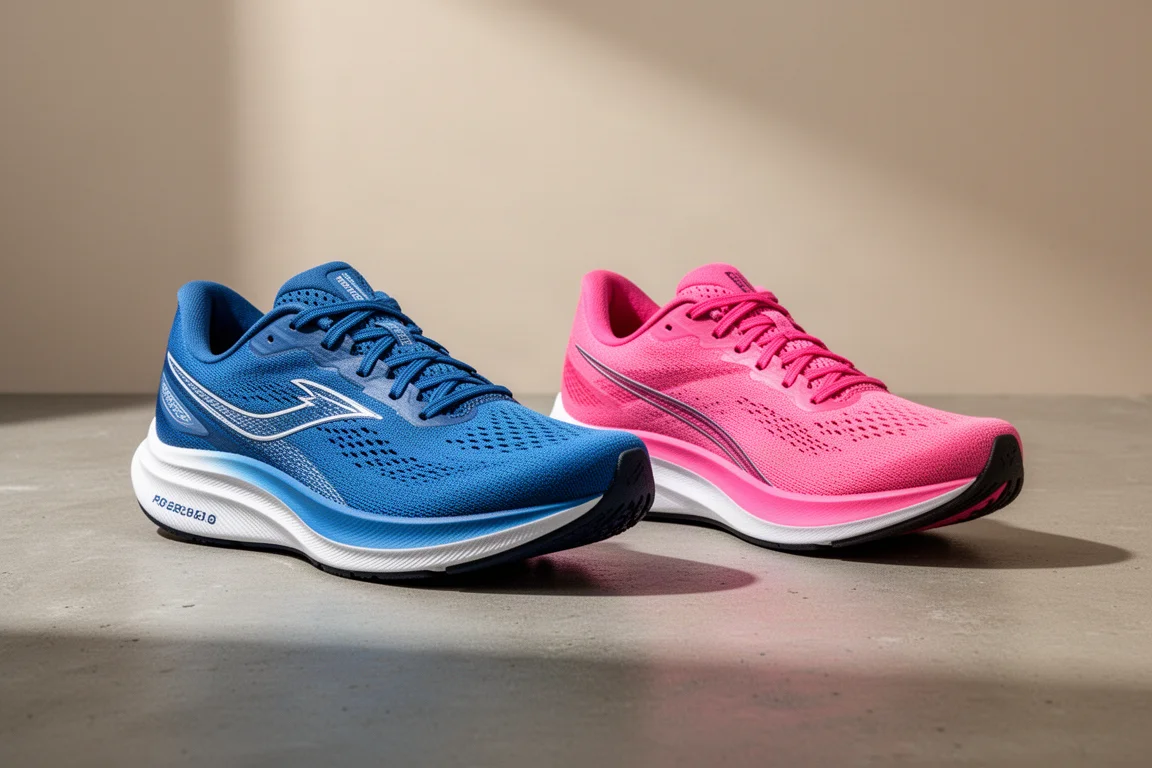
The Saucony Endorphin series is the brand’s attempt to climb back into the top tier of performance running shoes, and the Endorphin Speed 3 and Endorphin Pro 3 are its two headline acts. They look like siblings and share the same core technology, but Saucony has deliberately driven a wedge between them in recent generations.
The short version: the Speed 3 is the softer, more stable, more versatile option for fast training, while the Pro 3 is the sharper carbon-plated racer built for race days and quality long runs. Picking between them comes down to what you actually want the shoe to do.
The Shared Foundation: PWRRUN PB Foam and Speedroll
Both shoes are built on the same midsole compound, PWRRUN PB. It is Saucony’s peba-based super foam with a distinctive beaded texture you can see up close, and in both models it delivers a soft, bouncy, cushioned and responsive ride.
What makes an Endorphin an Endorphin is the Speedroll geometry. That is Saucony’s trademarked name for the rocker platform at the front of the shoe: the forefoot swoops upward on both models. When you land on your heel or midfoot, the platform rolls you gently forward into toe-off instead of making you do all the pushing yourself. The practical result is that the work of running feels a bit easier, especially as fatigue sets in.
Saucony Endorphin Speed 3: The Versatile Trainer-Racer
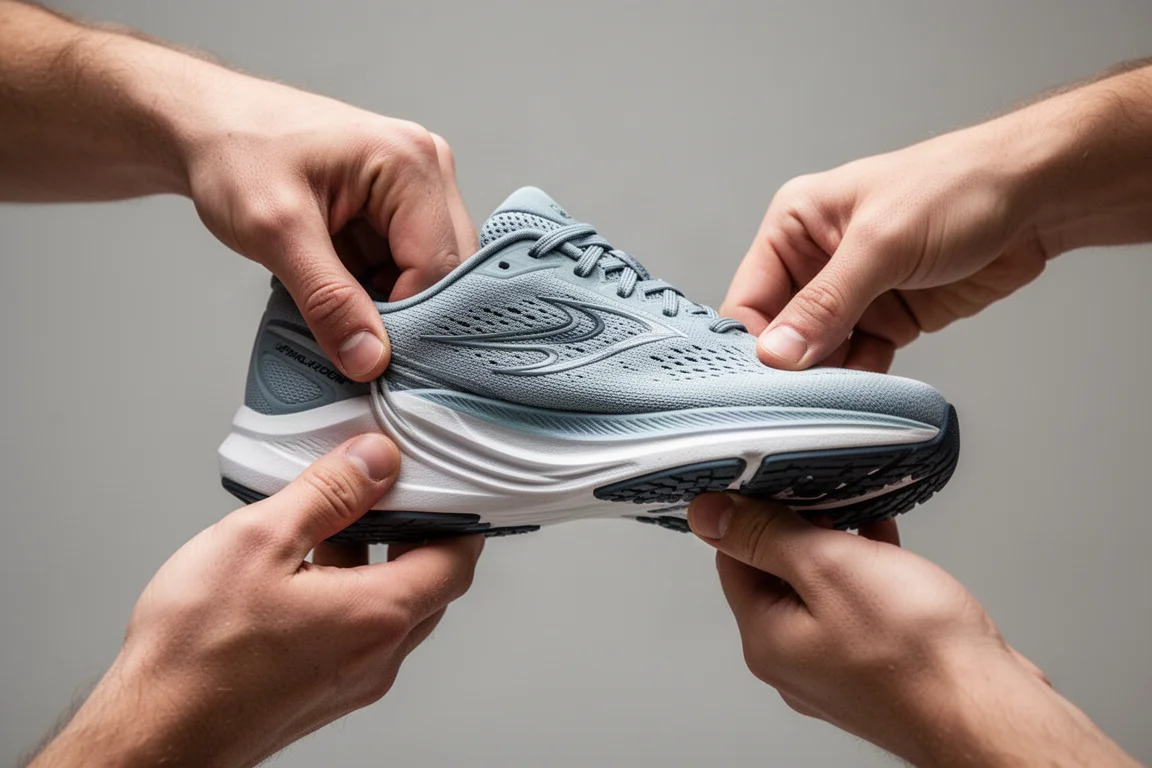
The Speed 3 uses a nylon plate instead of a carbon plate. The nylon adds a touch of stability and structure to the platform, but it does not deliver a whole lot of pop or bounce on its own. The fast feel of this shoe comes from the PWRRUN PB foam itself and the Speedroll rocker at the front. On the run, you cannot really feel the plate working, and at some paces the ride can feel a touch soft, particularly for heavier or more powerful runners.
The upper is a stretchy knit with softer, stretchier laces, and it stays comfortable without any lace bite even when cinched down. The heel counter has a plastic reflective component that allows some side-to-side collapse while keeping vertical structure. Visually it shares the same design language as the Pro 3, with a few more flourishes, including a visible winglet plate piece on the side and some reflective detailing.
As a daily-adjacent speed shoe, it is genuinely versatile. It works well for progression runs, strides and faster training days. For a runner doing roughly 120 to 125 miles per week training for a half marathon at around five-and-change minute mile pace and weighing around 160 to 165 pounds, it can feel a bit soft on the fastest efforts. It also does the work of running for you, so it is not an ideal everyday shoe; most runners will want a firmer daily trainer in the rotation to keep some muscles working.
For beginner runners who already own a daily trainer and want a single shoe that can handle faster efforts in training and double as a race shoe for a first training block, the Speed 3 is a very good fit.
View more details for Saucony Endorphin Speed 3
Saucony Endorphin Pro 3: The Race Day Weapon
The Pro 3 is Saucony’s top-tier racer, and this generation put it firmly in the upper echelon of performance racing shoes. Saucony reformulated the PWRRUN PB foam, revamped the upper and reworked the entire ride architecture. The carbon fiber plate interacts with the foam beautifully, striking a blend of soft, responsive and rigid that works at both slow and fast paces.
The upper is more of a structured, rigid mesh with an iridescent material woven through it, closer to a basketball jersey in feel than a knit. The stock laces are firmer and slightly scratchier than the Speed 3’s, so if you cinch them down hard on race day you may get some lace bite. The heel collar collapses completely under pressure, giving a very unstructured, comfortable feel at the back. Aesthetically, the Pro 3 is the cleaner of the two, with fewer design flourishes and a simpler look.
Where the Pro 3 really earns its place is the long run with race-pace work mixed in. A typical use case: a 16-mile run with a four-mile warm-up, six miles of marathon race pace or faster in the middle, and a six-mile cool down. The Pro 3 handles that beautifully because it has a slightly wider base than some other super shoes, and the Speedroll geometry keeps it working well at slower speeds as well as faster ones, with smooth transitions between the two.
As a racer, it is a credible choice whether you are picking up your first carbon-plated shoe or adding another option to your collection. Some runners prefer rivals like the Nike Vaporfly for out-and-out racing; the honest framing is that they are close to neck and neck, and the better pick is whichever one gave you that magic on your last big training block. The Pro 3 has a clear identity as the reliable, comfortable and fast long-run and race-day shoe.
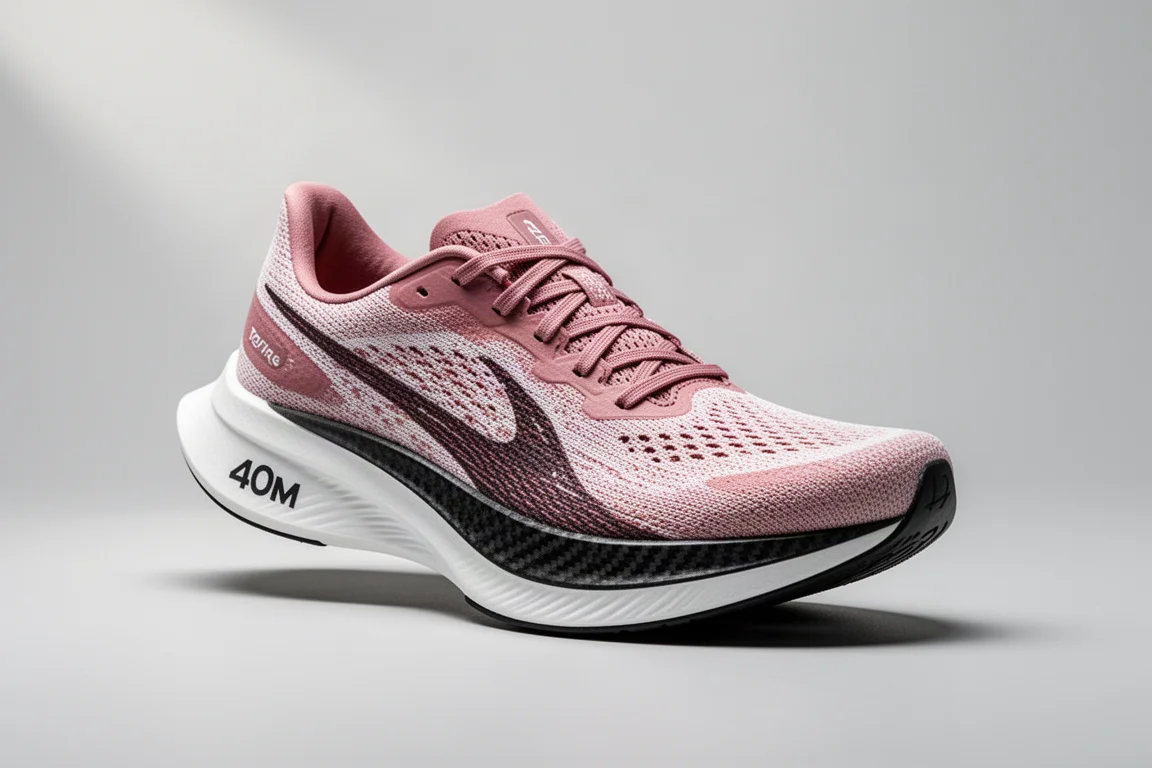
Outsoles: A Surprising Reversal
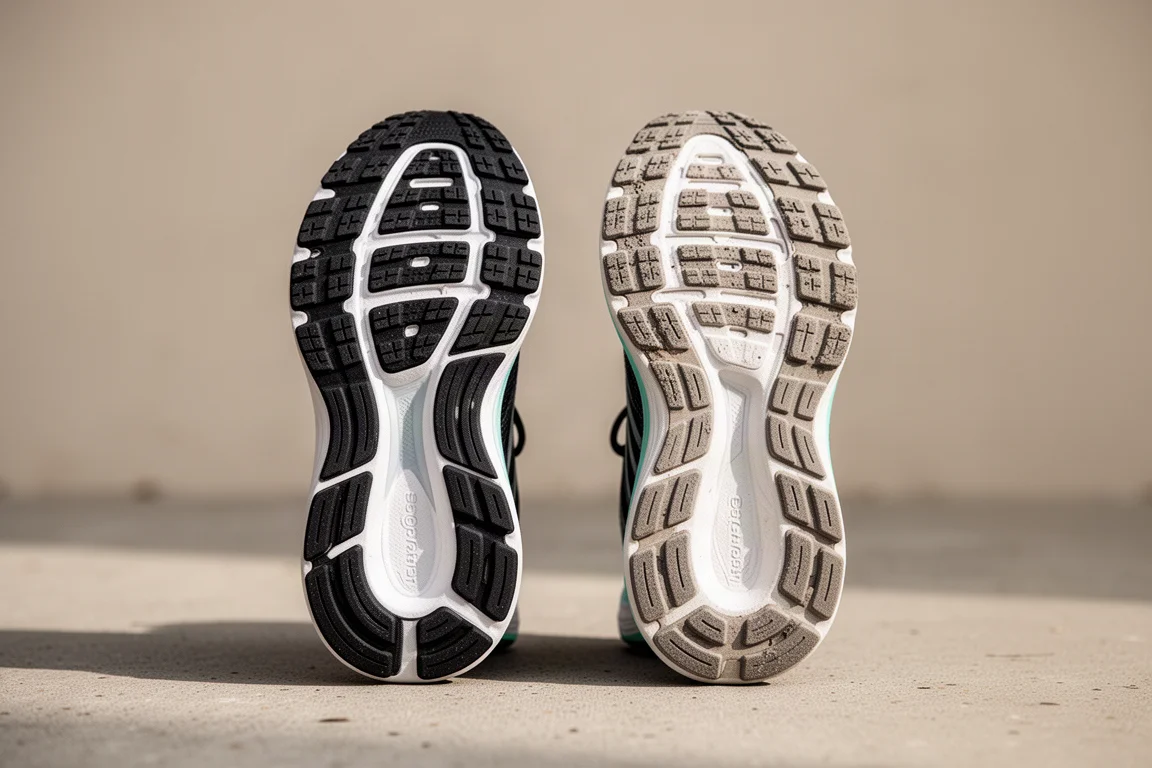
Usually race shoes skimp on outsole coverage, but Saucony flips the script here. The Pro 3 actually has more surface area covered, in both the forefoot and the rear, using a thinner layer of XT-900 rubber applied generously enough to give traction for all types of race-day conditions. The Speed 3 has less coverage but a thicker layer of the same rubber.
Both shoes carry visible Speedroll technology branding on the outsole pieces, and the Pro 3’s carbon fiber plate can be seen through the middle of the sole.
Durability: The One Clear Weak Spot
Here is the frustrating part. The Speed 3 pair shown with roughly 280 miles on it has already chewed through the XT-900 rubber and is starting to eat into the foam, realistically falling short of the 300-mile mark. The Pro 3 at around 200 miles is already wearing nearly through one patch of rubber, with a realistic lifespan somewhere between 200 and 250 miles before the rubber gives out.

The encouraging news is that the foam itself holds up well: PWRRUN PB appears more resilient than something like Nike ZoomX, with little squish or collapse visible at the sidewalls even on worn pairs. The rubber, however, is the clear weak link, and durability-minded runners should factor a shorter outsole life into the true cost of ownership.
Overall Buying Advice
Choose the Speed 3 if you want one versatile shoe for fast training days, progression runs and your first race, especially if you are newer to structured training and already have a firmer daily trainer. Avoid running in it every day; its bouncy, rockered platform does some of the work for you, and your legs benefit from time in a firmer trainer.
Choose the Pro 3 if you want a carbon-plated racer for marathon or half marathon race day, or a fast, comfortable, reliable long-run shoe with race-pace work built in. If you already own a rival carbon racer and love it, the Pro 3 still earns a spot as the long-run companion in your rotation.
Conclusion
The Endorphin Speed 3 and Pro 3 share PWRRUN PB foam, Speedroll geometry and a very similar look, but they serve different runners. The Speed 3 is the approachable, softer, nylon-plated option for training and first races. The Pro 3 is the sharper carbon racer that shines at race pace and on long quality runs. Both deliver a genuinely fast ride, just keep an eye on that XT-900 outsole, because the rubber wears out well before the foam does.
Further reading
Related Reviews
Running Shoes
Best Road-to-Trail Running Shoes: Three Versatile Options for Mixed Terrain
A practical guide to three road-to-trail running shoes that handle both pavement and mild trails, with clear strengths and trade-offs for different runner types.
Running Shoes
Best Running Shoes for Achilles Tendonitis: Three Options Explained
Three running shoes with different heel drops and support features designed to help reduce Achilles tendon pain during walking and running.
Running Shoes
Best Running Shoes for Women: Five Top Choices Ranked
A ranked guide to five women's running shoes, from versatile daily trainers to high-performance racing options, with real strengths and trade-offs for each.