Running Shoes
Saucony Endorphin Speed 3 vs New Balance FuelCell SuperComp Trainer: Which Plated Trainer Deserves Your Money?
Two carbon-adjacent training shoes with very different personalities. We compare stack, weight, fit, ride and value to help you pick the right one for your rotation.
Introduction
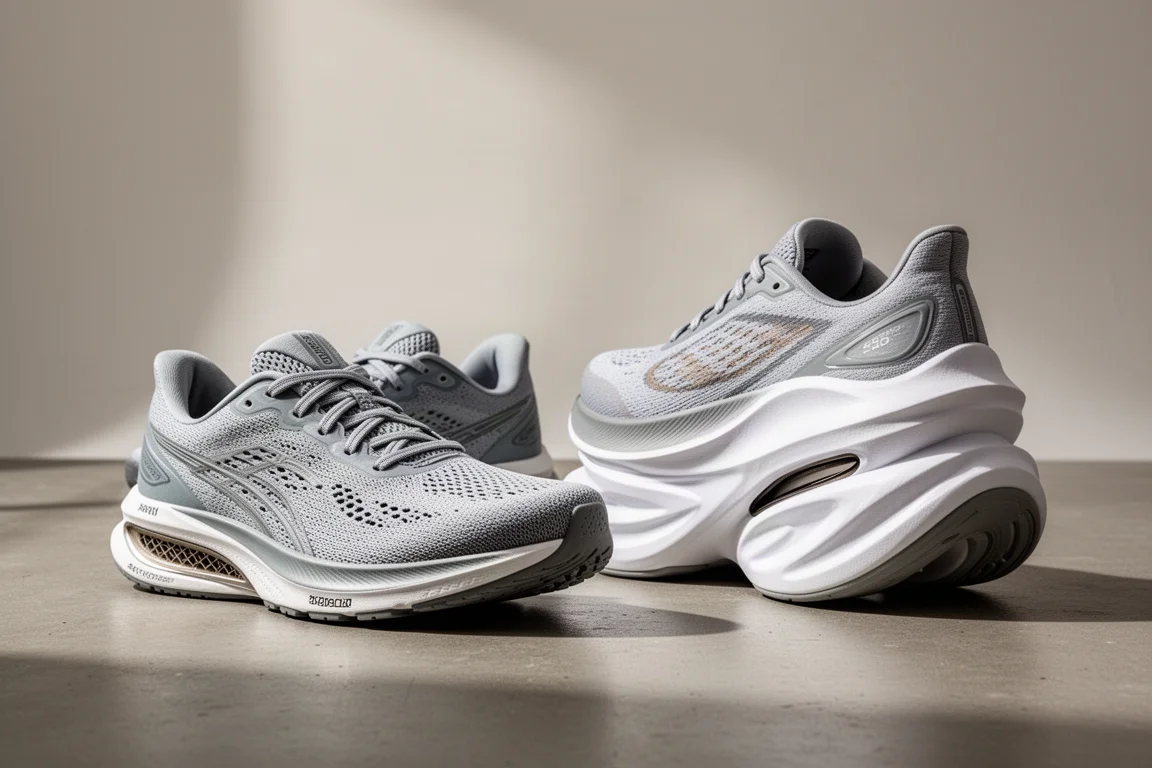
The Saucony Endorphin Speed 3 and the New Balance FuelCell SuperComp Trainer are both super trainers built to sit alongside a race-day shoe in a rotation. On paper they share a lot: a full-length plate, a big slab of premium foam, and a premium price. In practice they ride in completely different ways, and that difference decides which one deserves a spot in your collection.
Key Specs: Stack, Weight and Price
The SuperComp Trainer is the headline act on paper. It sits at 47mm at the heel and 39mm at the forefoot for an 8mm drop, and it costs £210 in the UK or $180 in the US. It also carries real weight: 307g (10.8 oz) in a UK size 9.
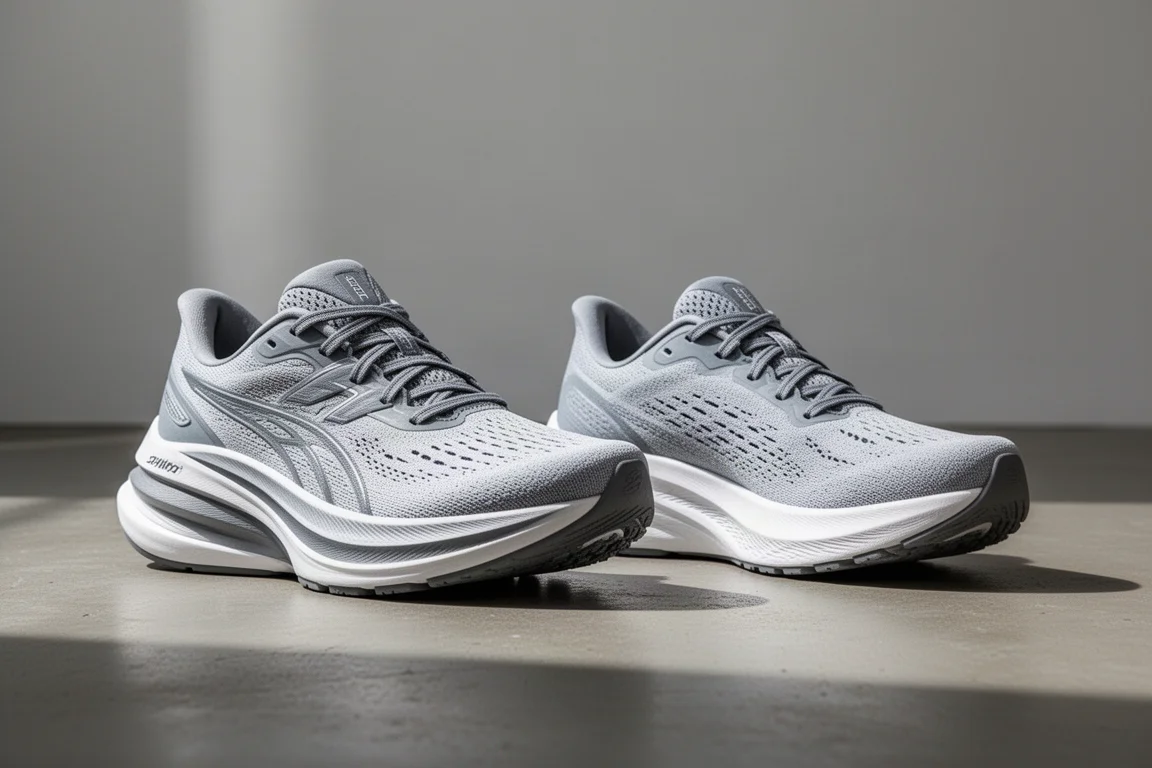
The Endorphin Speed 3 is the lighter, lower option at 36mm heel and 28mm forefoot, the same 8mm drop, and 240g (8.5 oz) in a UK size 9. It costs £165 in the UK or $170 in the US. That weight gap of nearly 70 grams shapes everything about how these two shoes run.
Saucony Endorphin Speed 3
The Speed 3 gets a fairly normal mesh upper with a wider fit than previous versions and a wider base in general, plus a touch of cushioning around the collar and tongue. Underneath sits a full-length PowerRun PB midsole, Saucony’s best foam, shaped with SpeedRoll geometry for a smooth rocker effect. A full-length nylon plate replaces the carbon plate of the Pro 3, with small side winglets to help center your foot and add stability. The outsole is fairly minimal with plenty of exposed foam, but rubber covers the key impact zones in the forefoot and heel.
On the run, the Speed 3 is a genuinely do-it-all trainer. Easy runs are possible in it even if dedicated easy-day shoes do that job better, but where it shines is tempo work, sessions, daily miles and even races. It feels quick, with a fluid roll from the SpeedRoll geometry, real punch at toe-off, a firmer foam feel, and that lightness making fast work genuinely enjoyable. As a training partner to the Endorphin Pro 3, it slots neatly into the middle of a rotation.
View more details for Saucony Endorphin Speed 3
New Balance FuelCell SuperComp Trainer
The SuperComp Trainer is built around a huge stack of New Balance’s soft, springy FuelCell foam with a carbon plate that sits close to the top of the foam at the heel for a firmer, more stable feel. The Energy Arc setup, with the plate scooping up through the shoe, gives a rocker character, and a large midsole cutout plus tall sidewalls creates a bucket-seat effect that pushes your foot into the center of the foam. Stability is clearly a priority given how high the stack is. The upper is minimal and light with a reinforced heel, and the outsole has rubber at the front and back plus a small patch on the plate itself to protect it.
The ride is bouncy to an almost absurd degree, and it never bottoms out. For short to medium base runs and steady, controlled marathon-pace efforts, it feels protective and comfortable. But it is heavy, and on long runs many testers found themselves tiring of managing the plate and the height, slowing down and losing the benefits past around 10 to 12 miles. It also does not feel quick in the way the Speed 3 does, even when the pace is genuinely fast. You have to watch the ground constantly, especially on uneven pavement, cambers or trails, because the tall soft stack can feel unstable.

Fit and Sizing
The Speed 3 runs wider in the midsection than the Speed 2. That is a genuine upgrade for runners who found the previous version too narrow, but runners with narrow feet may find it roomy, with extra lacing tension needed and some heel rubbing reported. Sizing is still true to size, and the toe box fit works at your normal size.
The SuperComp Trainer is a comfortable, true-to-size fit with no major complaints, secure at the heel thanks to the reinforced counter, and sits toward the friendlier end of the New Balance range rather than the tight racing-shoe end.
How They Ride
Put side by side, the split is simple: the Speed 3 leans toward the fast stuff, the SuperComp Trainer leans toward the slow stuff. The Speed 3 feels like it is pushing you forward and makes tempo sessions and speedwork enjoyable, while remaining relaxed enough for easy base runs.

The SuperComp Trainer works best at a controlled medium pace, sitting just under tempo, where its comfort and bounce shine. Take it to the track and it delivers quick splits without feeling quick, and take it past the 12-mile mark and the weight and height start to wear on you mentally as much as physically.
Long Runs and Everyday Use
On long runs, the Speed 3 stays fluid and forgettable in a good way. The SuperComp Trainer demands attention: the plate and bounce help you run efficiently at a consistent pace, but they also feel like something you have to manage, and the awareness of the tall stack on anything less than smooth road becomes tiring.

For pure easy runs of an hour or so, the SuperComp Trainer is genuinely pleasant and leaves your legs feeling fresh the next day. If every run is on smooth pavement and you want maximum protection, it can work. If you mix in towpaths, forest tracks, cambered pavement or pothole-riddled streets, the constant ground-watching becomes a real drawback.
Verdict: Which Should You Buy?
This one is not close. The Endorphin Speed 3 delivers on what it promises: a plated trainer that can do nearly everything, slots into any rotation, and is genuinely quick. At around £165 or $170, it is strong value for a shoe this capable, and it is probably one of the best ways to spend that money in running.
The FuelCell SuperComp Trainer is a good shoe, but at £210 or $180 it is a difficult purchase. It is niche: excellent for short steady base runs, mediocre for long runs, not fast enough for sessions, and heavy enough that a plain cushioned easy-day shoe could replace it for less. If you want a comfortable easy-run trainer, cheaper and more versatile options exist in New Balance’s own lineup.
Choose the Speed 3 if you want one shoe that handles daily miles, tempo, sessions and racing. Choose the SuperComp Trainer only if short, steady, highly cushioned runs are exactly what your rotation is missing, and the premium price does not bother you.
Conclusion
The Saucony Endorphin Speed 3 is the more versatile, more enjoyable and better-value plated trainer of the two, and the easier recommendation for almost any runner. The New Balance FuelCell SuperComp Trainer has a thrillingly bouncy ride and real comfort at controlled paces, but its weight, height and niche personality make it hard to justify at its price.
Further reading
Related Reviews

Running Shoes
Best Road-to-Trail Running Shoes: Three Versatile Options for Mixed Terrain
A practical guide to three road-to-trail running shoes that handle both pavement and mild trails, with clear strengths and trade-offs for different runner types.

Running Shoes
Best Running Shoes for Achilles Tendonitis: Three Options Explained
Three running shoes with different heel drops and support features designed to help reduce Achilles tendon pain during walking and running.

Running Shoes
Best Running Shoes for Women: Five Top Choices Ranked
A ranked guide to five women's running shoes, from versatile daily trainers to high-performance racing options, with real strengths and trade-offs for each.