Running Shoes
Saucony Endorphin Speed 3 vs Mizuno Metaspeed Sky Plus: Which Shoe Earns a Spot in Your Fall Racing Plan?
A flexible nylon-plate trainer that can toe the start line, against a lighter carbon-plated racer. We compare weight, lockdown, midsole, fit, and price to help you pick.
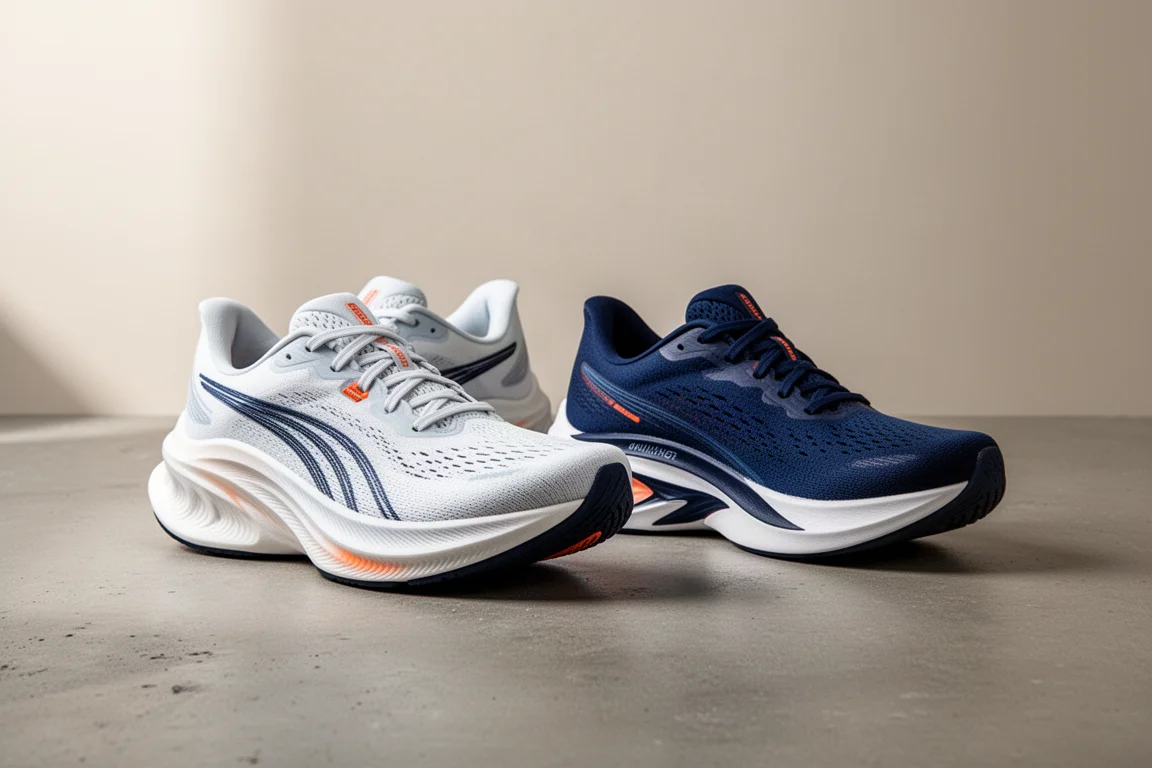
Two Shoes, One Decision
Fall racing season has a way of forcing a decision: do you buy a dedicated racing shoe and train in something else, or find one shoe that can do both jobs? That is exactly the question this comparison answers. The Saucony Endorphin Speed 3 is marketed as a training shoe that can pick up the pace, and it has a genuine case as a crossover option for racing. The Mizuno Metaspeed Sky Plus sits on the racing side of the line, built around a carbon plate and a premium foam midsole.
The core appeal for many runners is simple: not everyone wants to shell out around $250 for a racing shoe while also buying a daily trainer. If you are pinching pennies for a fall half or full marathon, the crossover category matters, and the Endorphin Speed 3 lives right in that space.

Weight and Plate Choice
Weight is the first obvious difference. The Metaspeed Sky Plus comes in about an ounce lighter, which is significant when you are picking up the paces or chasing a PR on race day. Every ounce counts as the miles stack up in the closing kilometers of a marathon.
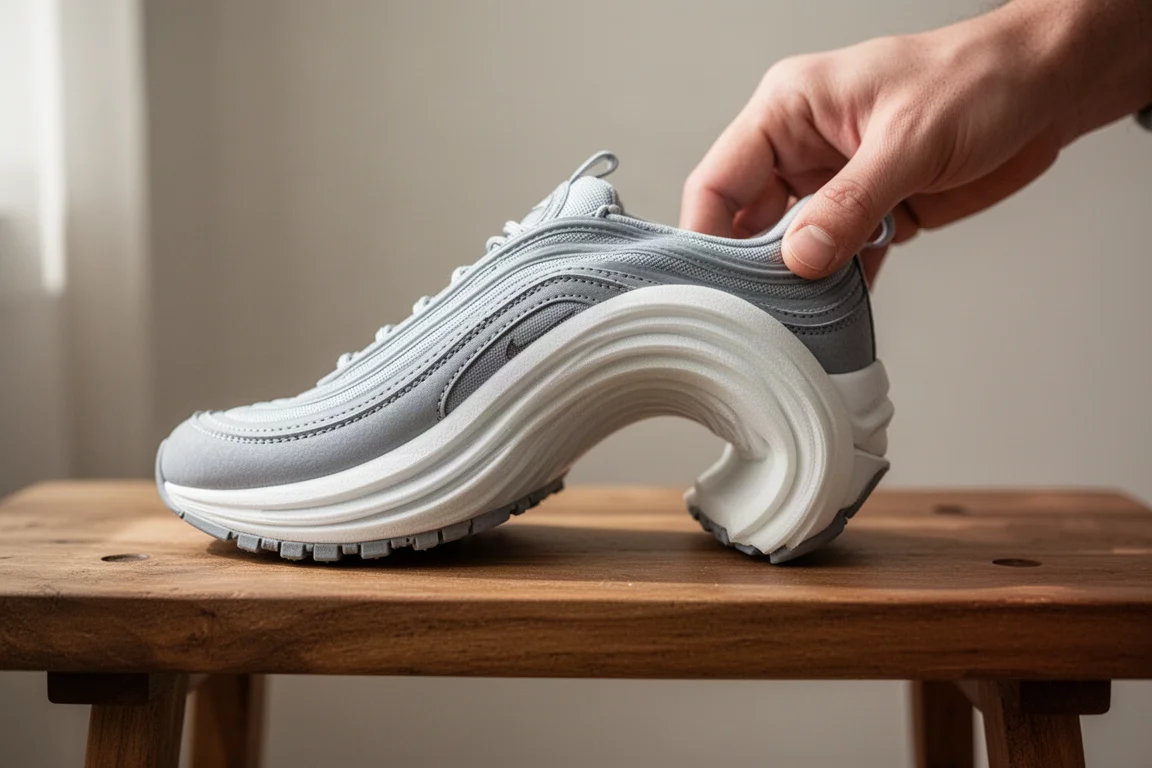
The bigger story, though, is what sits inside the midsole. The Sky Plus uses Mizuno’s premium turbo foam with a carbon fiber plate, while the Endorphin Speed 3 carries a nylon plate. In a simple bend test, the difference is not close: the nylon plate allows noticeably more flexibility through the foot strike. If you prefer a little more bend underfoot, and depending on your biomechanics and whether you are a forefoot, midfoot, or heel striker, a nylon plate shoe may simply work better for you. It can take years of testing to dial in what plate style suits your stride, so flexibility is worth taking seriously rather than defaulting to carbon.
Lockdown and Fit
Lockdown goes to the Endorphin Speed 3. The engineering and materials used through the tongue in particular give it a slightly more secure, dialed-in feel than the Sky Plus, whose lockdown was less convincing. Neither shoe is a locker-room favorite here, with fit scores landing at sevens across the board, but the Saucony edges it.
On the midsole side, the ride and energy return scores are very similar, and the outsole wear comparison ends in a tie as well. One thing worth noting if you are upgrading from the previous generation: the Endorphin Speed 3 picked up a bit of midsole volume compared to the Speed 2. If you preferred a slimmer, leaner midsole, the older model may still be worth a look.
Durability Expectations
Durability is the catch with both of these. These are plated performance shoes, not cruisers you can run into the ground, and the practical expectation is that they are worth trusting up to roughly 250 miles. Some runners have already pushed the Endorphin Speed 3 past that mark, and the results vary. Softer midsoles generally break down faster, so treat the 250-mile figure as a reasonable planning number rather than a guarantee.

Overall Verdict
This comparison is close, with the overall scores separated by a tenth of a point. But the deciding factor for most runners will be price and purpose. The Endorphin Speed 3 sits at $160, and it earns its tweener label: you can train in it all week and still wear it to the starting line of a half or full marathon. The Sky Plus is a dedicated racer at roughly $250, lighter on the foot but harder to justify if you only want to buy one shoe this fall.
There is also a longer-term observation worth making: Saucony kept its carbon-plated racing flagship under the $250 mark at $225, and if other brands do not respond to that price point, Saucony shoes are likely to keep showing up in greater numbers on starting lines at half and full marathons.
What Midsole Creasing Means
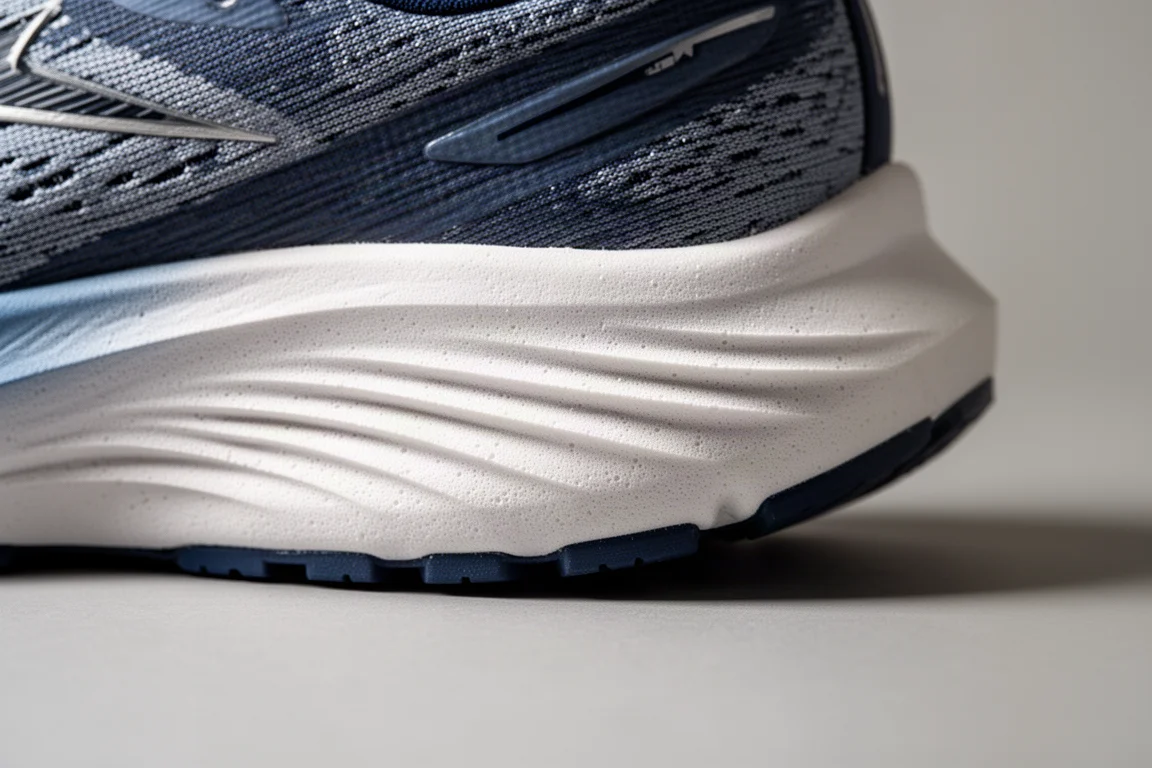
A recurring question with plated shoes involves midsole creasing after a relatively short time. The explanation is straightforward: creasing means the midsole foam is already starting to lose some structural integrity. The more creases you see, the more the foam is breaking down. In some cases this happens before even 50 miles of use. Softer midsoles usually break down quicker, which is one reason softer-riding shoes can age faster than firmer ones.
Conclusion
If you want one shoe to handle training and racing without a $250 price tag, the Endorphin Speed 3 is the easier recommendation, thanks to its nylon-plate flexibility, better lockdown, and $160 price. If you want the lightest option for race day itself and you are comfortable paying racer money, the Metaspeed Sky Plus brings the lower weight and a carbon plate. Buy soon either way: fall marathon start lines fill up fast, and the best crossover deals do not sit around.
Product link
View more details for Saucony Endorphin Speed 3
This product is mentioned in the review. Check the specifications, options, and compatibility before buying.
View more details for Saucony Endorphin Speed 3Further reading
Related Reviews

Running Shoes
Best Road-to-Trail Running Shoes: Three Versatile Options for Mixed Terrain
A practical guide to three road-to-trail running shoes that handle both pavement and mild trails, with clear strengths and trade-offs for different runner types.

Running Shoes
Best Running Shoes for Achilles Tendonitis: Three Options Explained
Three running shoes with different heel drops and support features designed to help reduce Achilles tendon pain during walking and running.

Running Shoes
Best Running Shoes for Women: Five Top Choices Ranked
A ranked guide to five women's running shoes, from versatile daily trainers to high-performance racing options, with real strengths and trade-offs for each.