Running Shoes
Saucony Endorphin Speed 3 vs Kinvara Pro: Two Plated Trainers, Two Very Different Shoes
Both sit in Saucony's plated trainer lineup, but the Endorphin Speed 3 and Kinvara Pro deliver very different rides. Here is how they compare and which one makes sense for you.
Introduction
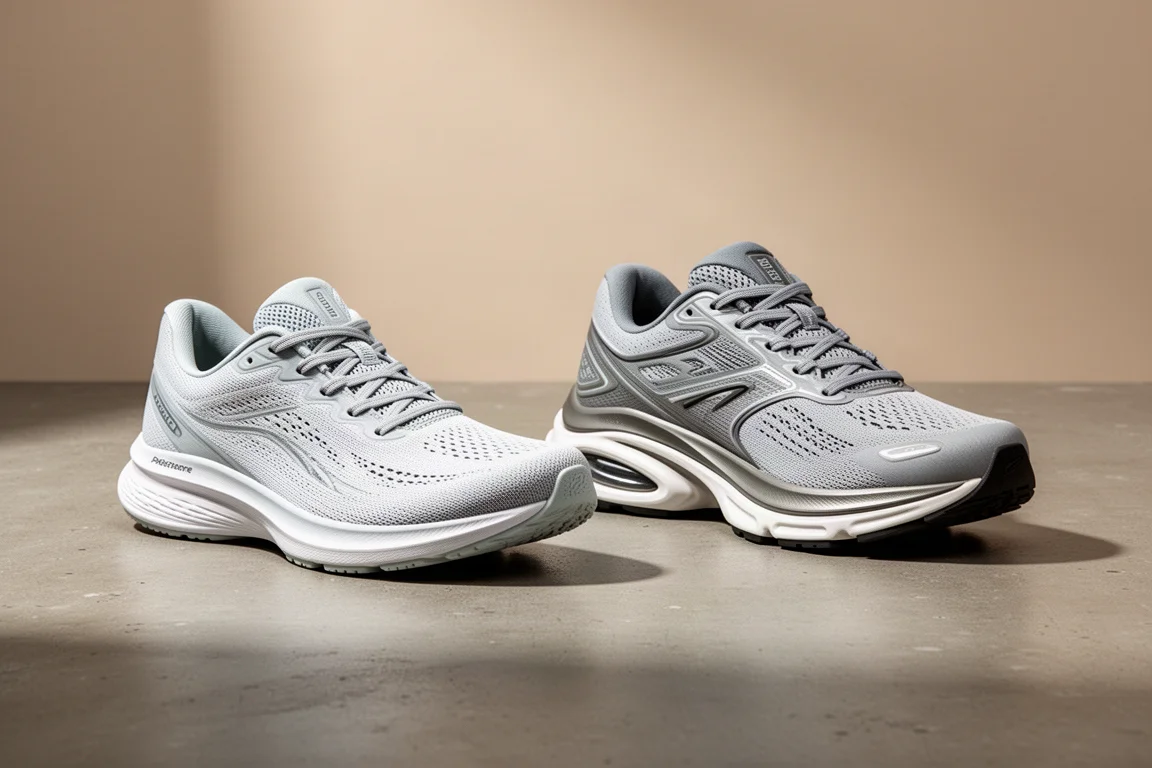
On paper, the Saucony Endorphin Speed 3 and Saucony Kinvara Pro look like close relatives. Both are plated trainers built for versatile use, both use Saucony’s PWRRUN PB foam and Speedroll rocker geometry, and both share an eight millimeter drop. In practice, they are very different shoes aimed at different runners, and after logging real miles in both, the comparison turns out to be far more one-sided than the spec sheets suggest.
Specs and Construction: Where They Differ
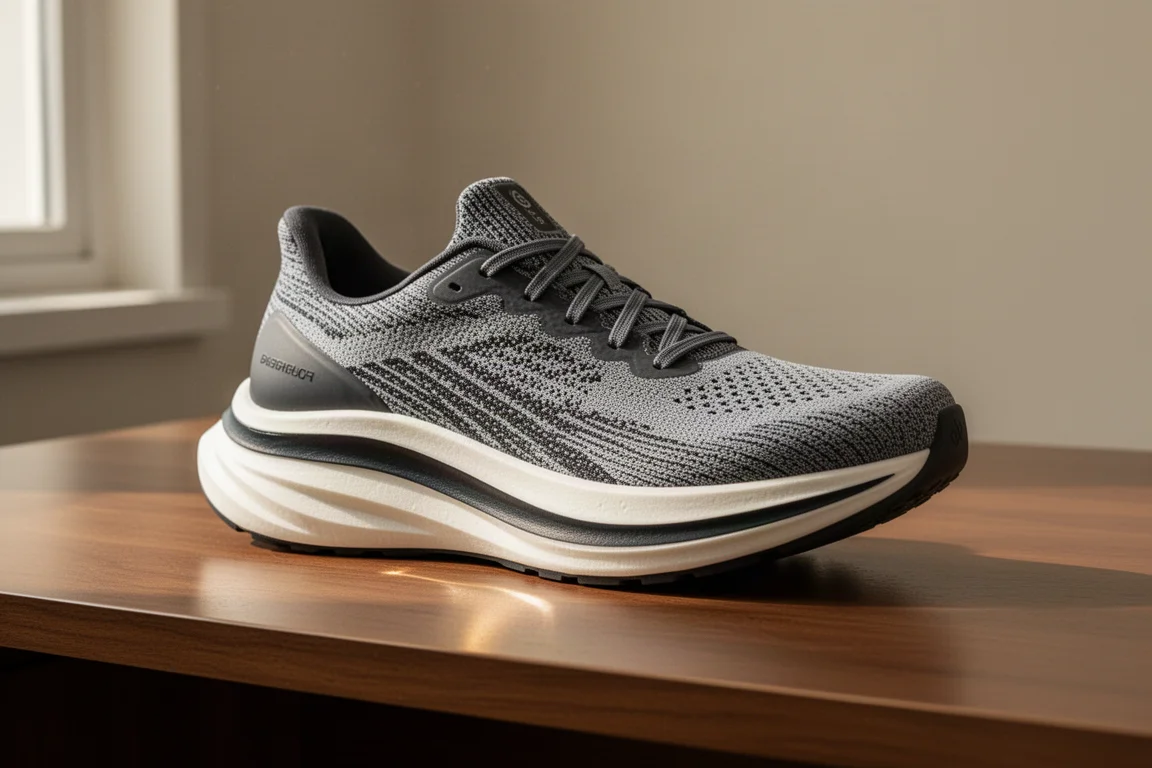
The Speed 3 is the cheaper and lighter of the pair. It costs £165 or $170 and weighs 240 grams (8.5 ounces) in a UK size 9, with a 36 mm heel and 28 mm forefoot stack. It uses a lightweight mesh upper, a full-length PWRRUN PB midsole with a nylon plate featuring small side winglets for stability, Speedroll geometry, and a rubber outsole with limited but well-placed coverage across the key impact zones. Exposed foam in the midfoot has shown no durability issues.
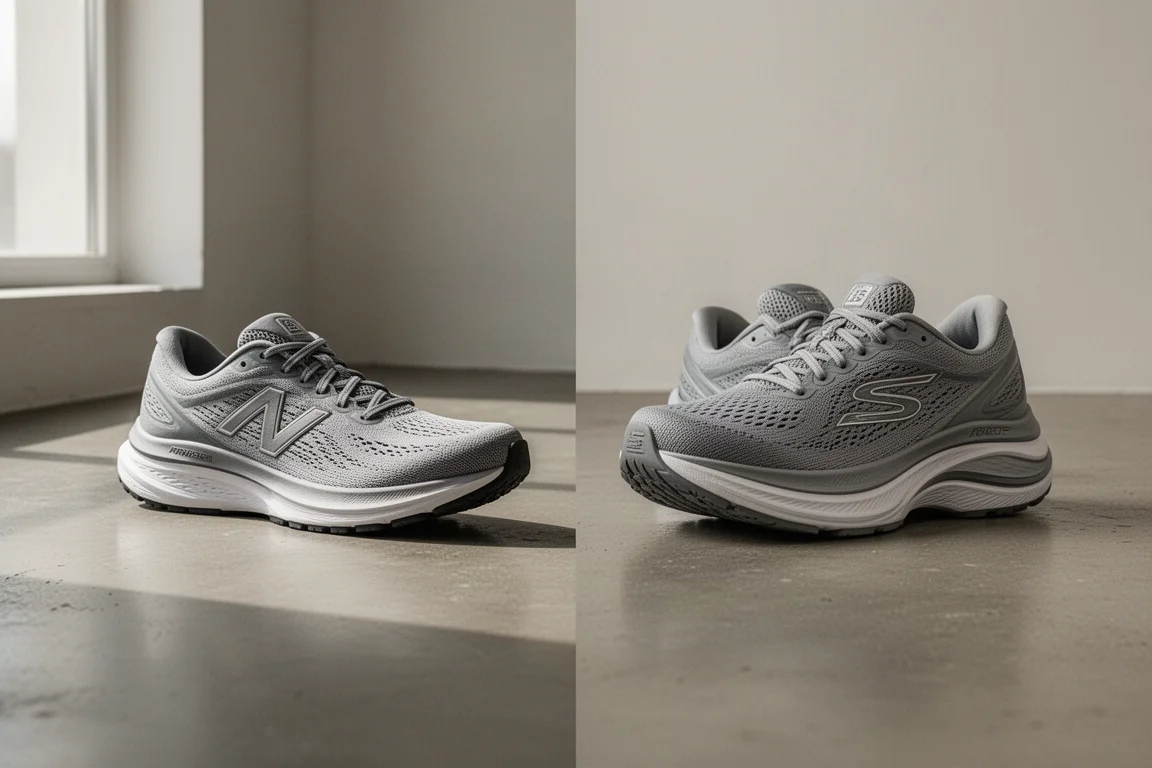
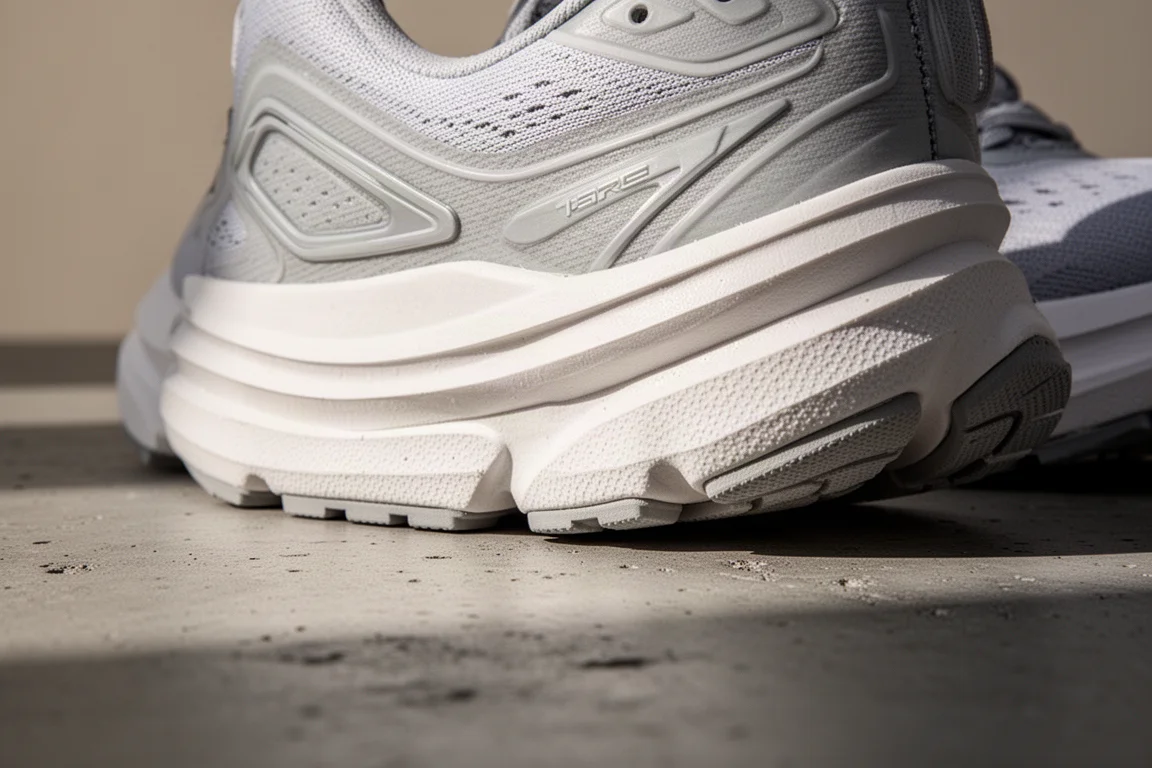
The Kinvara Pro costs £200 or $180 and weighs 303 grams (10.7 ounces) in the same size, with a taller 42 mm heel and 34 mm forefoot stack. Its upper is more built up, with extra heel padding and a large internal heel counter for structure. The midsole is dual density: PWRRUN PB on top, firmer PWRRUN foam below, plus a PWRRUN Plus insole. A three-quarter length carbon plate runs through the middle, and notably there is no rubber outsole at all, just molded PWRRUN foam for grip.
Fit and Sizing
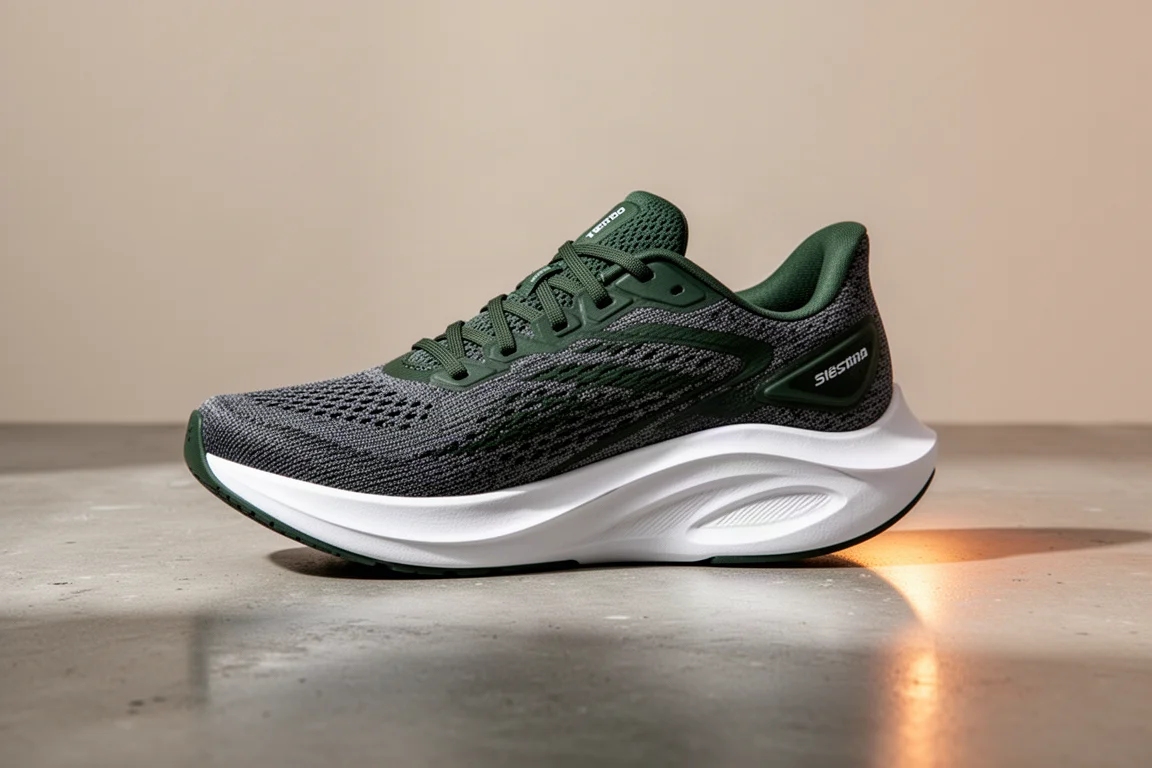
Both shoes fit true to size, and both testers recommend going with your normal Saucony size. Length in the toe box is generous in both.
The differences show up in feel. The Speed 3 is a wider shoe with more flex across the top of the toes, giving more wiggle room for broader feet, though some testers with narrow feet report heel slippage on it. The Kinvara Pro feels more snug and structured with slightly less toe box room, and some testers actually prefer its more dialed-in, secure fit despite the shoe’s overall width.
How They Feel on the Run
This is where the two shoes truly part ways. The Speed 3 rides low to the ground with a strong sense of connection, and the plate and foam work together noticeably well. It is light, nimble and punchy, delivering plenty of cushioning and protection while still responding when you push the pace. It works from slow recovery runs all the way up to race pace, which is exactly why it has become such a beloved all-rounder. One tester even covered 1,800 miles along the Danube in them across a full range of paces.

The Kinvara Pro is a stranger proposition. The high stack puts a big volume of foam underfoot, but the ride feels squishy, soft and somewhat sluggish rather than springy. The plate is hard to feel, the Speedroll geometry is less pronounced, and the overall sensation is more labored. It is heavier, less stable around the heel for some testers, and duller underfoot thanks to the firmer dual-density mix. It is comfortable enough for long easy cruising, and possibly a touch more stable than the Speed 3 for heel strikers, but it never feels fast and loses a lot of speed in the trade.
Verdict: The Easy Call
If you want one shoe that does everything, the Endorphin Speed 3 remains one of the best daily versatile trainers available. It is fast, bouncy, responsive, cushioned enough, and genuinely capable from easy runs through workouts and race day. It lives up to its price tag.
The Kinvara Pro is harder to recommend. It is not a versatile daily trainer, offers no meaningful propulsion or bounce for the money, and at £200 there are more conventional cushioned shoes that do a similar job for less. The one niche where it might earn a place is ultra-distance running, where its extra stack could offer more protection deep into very long miles, and heavier runners may get more out of its dense stable platform. For everything shorter, the Speed 3 is the clear pick.
Conclusion
The Speed 3 and Kinvara Pro share a foam, a plate concept and a geometry name, but they deliver completely different experiences. The Endorphin Speed 3 is a genuinely great super trainer that handles nearly anything you throw at it. The Kinvara Pro is a comfortable but ponderous high-stack shoe with a premium price and a limited use case. For most runners, this is not a close call: the Endorphin Speed 3 is the shoe to buy.
Further reading
Related Reviews

Running Shoes
Best Road-to-Trail Running Shoes: Three Versatile Options for Mixed Terrain
A practical guide to three road-to-trail running shoes that handle both pavement and mild trails, with clear strengths and trade-offs for different runner types.

Running Shoes
Best Running Shoes for Achilles Tendonitis: Three Options Explained
Three running shoes with different heel drops and support features designed to help reduce Achilles tendon pain during walking and running.

Running Shoes
Best Running Shoes for Women: Five Top Choices Ranked
A ranked guide to five women's running shoes, from versatile daily trainers to high-performance racing options, with real strengths and trade-offs for each.