Running Shoes
Saucony Endorphin Speed 3 vs Brooks Hyperion Max: Which Tempo Trainer Should You Buy?
Two $170 up-tempo training shoes with very different personalities: one soft, bouncy and plated, the other firm, rigid and unforgiving. Here is how they compare.
Introduction
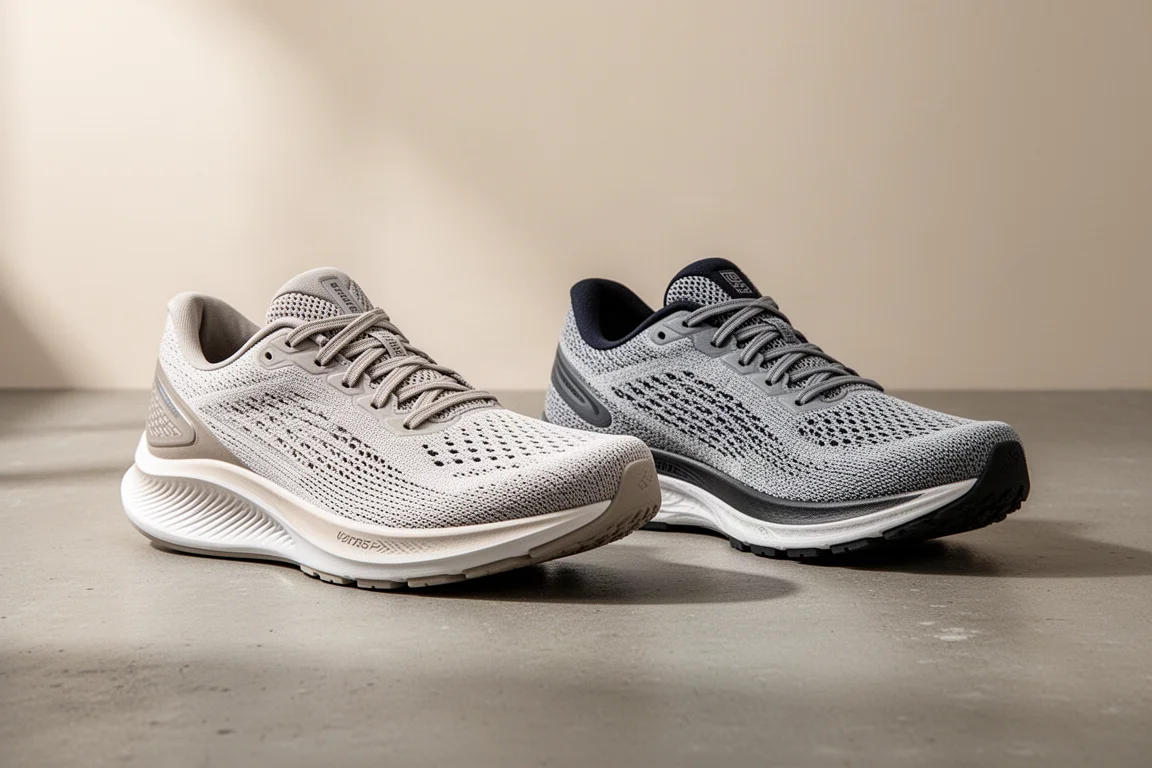
If you are shopping for an up-tempo training shoe, the Saucony Endorphin Speed 3 and the Brooks Hyperion Max sit at the same $170 price point but take almost opposite approaches. One is soft, bouncy and plated; the other is firm, rigid and non-plated. Both belong to their brands’ speed-oriented lineups: the Speed 3 is part of Saucony’s Endorphin family alongside the Shift, the Pro and the newer Endorphin Elite, while the Hyperion Max slots into Brooks’ Hyperion range between the Hyperion daily trainer and the Hyperion Elite race day shoe.
This comparison looks at the midsole, the ride, the upper and the outsole so you can pick the one that matches your running style.
Midsole and Plate: Two Very Different Philosophies
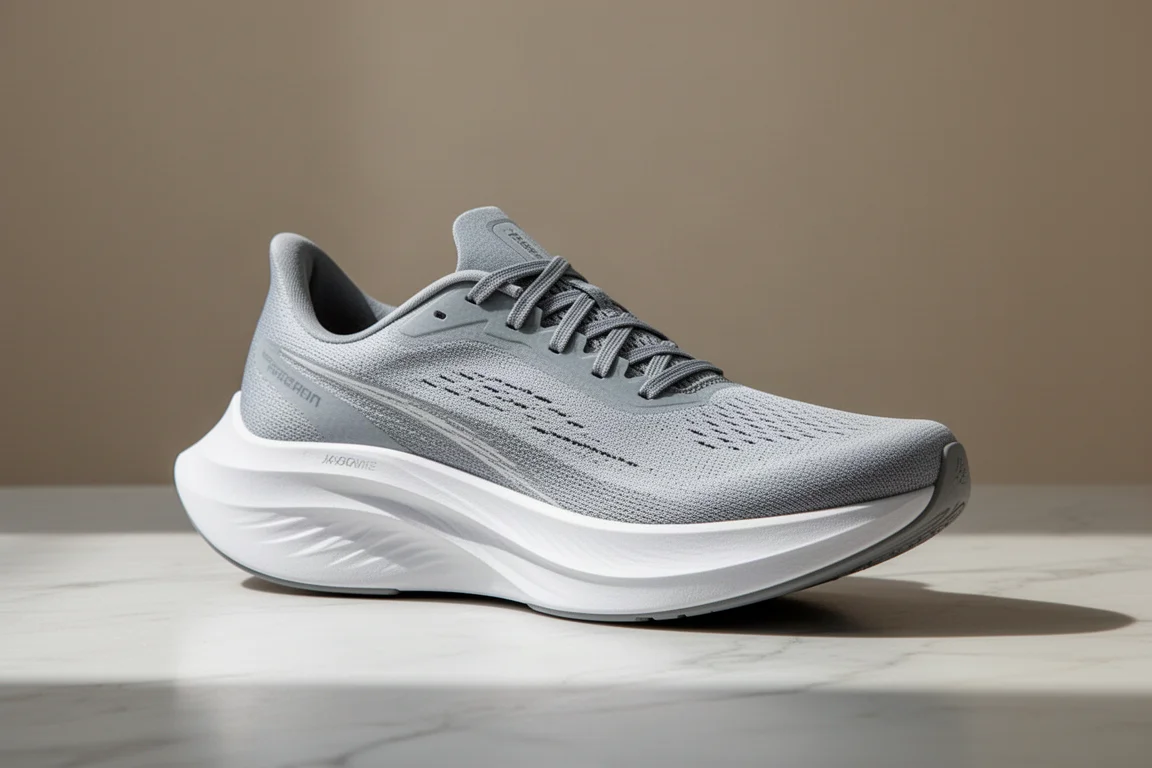
The Endorphin Speed 3 uses a soft, beaded PWRRUN PB foam with a nylon plate in the midsole. Push into it and the foam gives plenty of feedback, creating a snappy, bouncy experience underfoot. Combined with Saucony’s SpeedRoll rocker geometry, which gives the whole Endorphin series its smooth and fast feeling, it makes for a genuinely quick everyday and tempo option. The wings of the black nylon plate also add a nice touch of stability.
The Hyperion Max, by contrast, uses a non-plated stack of supercritical DNA Flash foam on the other end of the spectrum. The foam is firm rather than dead, but it is not as bouncy as the PWRRUN PB in the Saucony. At slower paces you have to put a lot of force into it to get feedback; once you are cranking at 10K to half marathon pace, it does deliver responsiveness.

Ride Feel: Snappy Versus Rigid
On the run, the Speed 3 is snappy, soft and bouncy, and it keeps that character across a wide range of paces. The Hyperion Max rewards only real effort: you need to get up on your toes and push the pace to get the most out of it. Even though it has no plate, it feels almost like running in a plated shoe, just without the full benefits that softer PWRRUN PB and carbon-plated shoes provide.
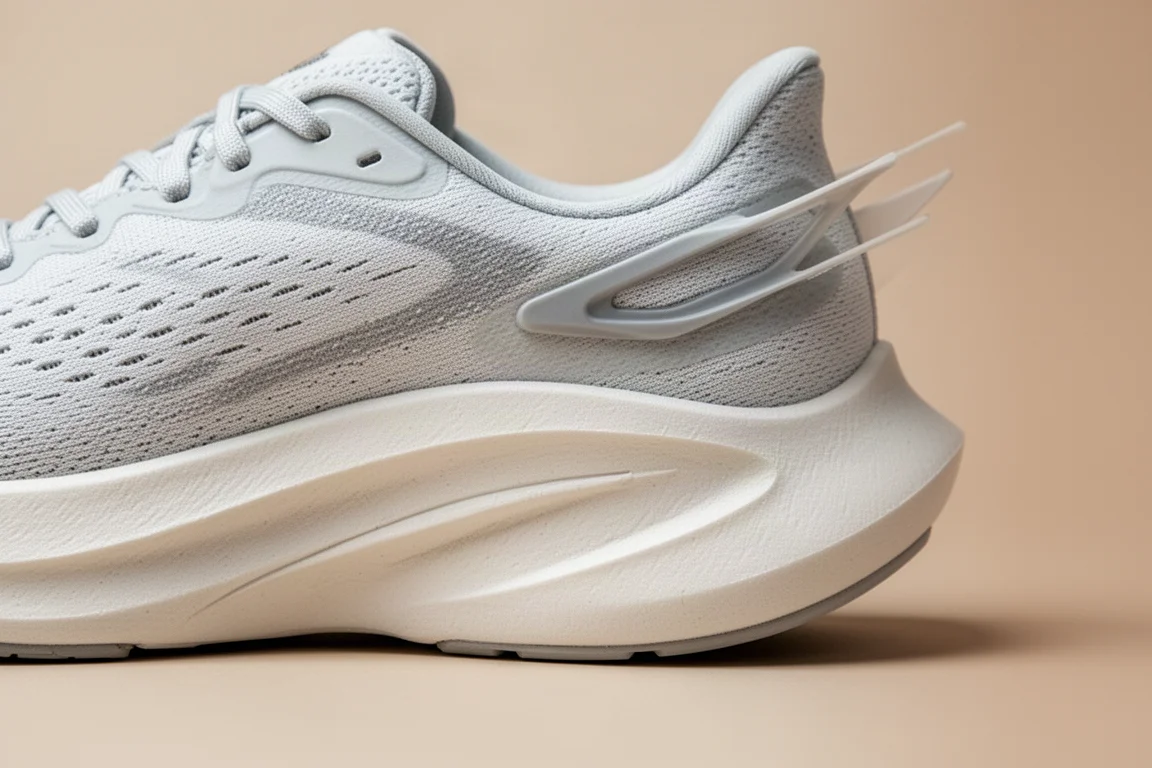
The other big difference is at the heel. The Speed 3 has a smooth heel that makes landings feel planted and stable while still allowing you to pick up the pace. The Hyperion Max has a sharp drop-off at the back of the shoe, which can be awkward for heel strikers. Landing at the back of that platform puts noticeable pressure on the calf, a complaint echoed by other runners as well. If the heel geometry sounds like it could be an issue for you, it is worth buying from a retailer with a solid return policy.
Overall, the Speed 3 is the easier shoe to like. It is the crowd-pleasing option of the two, and the Hyperion Max is best appreciated by a narrower set of runners.
Upper and Fit
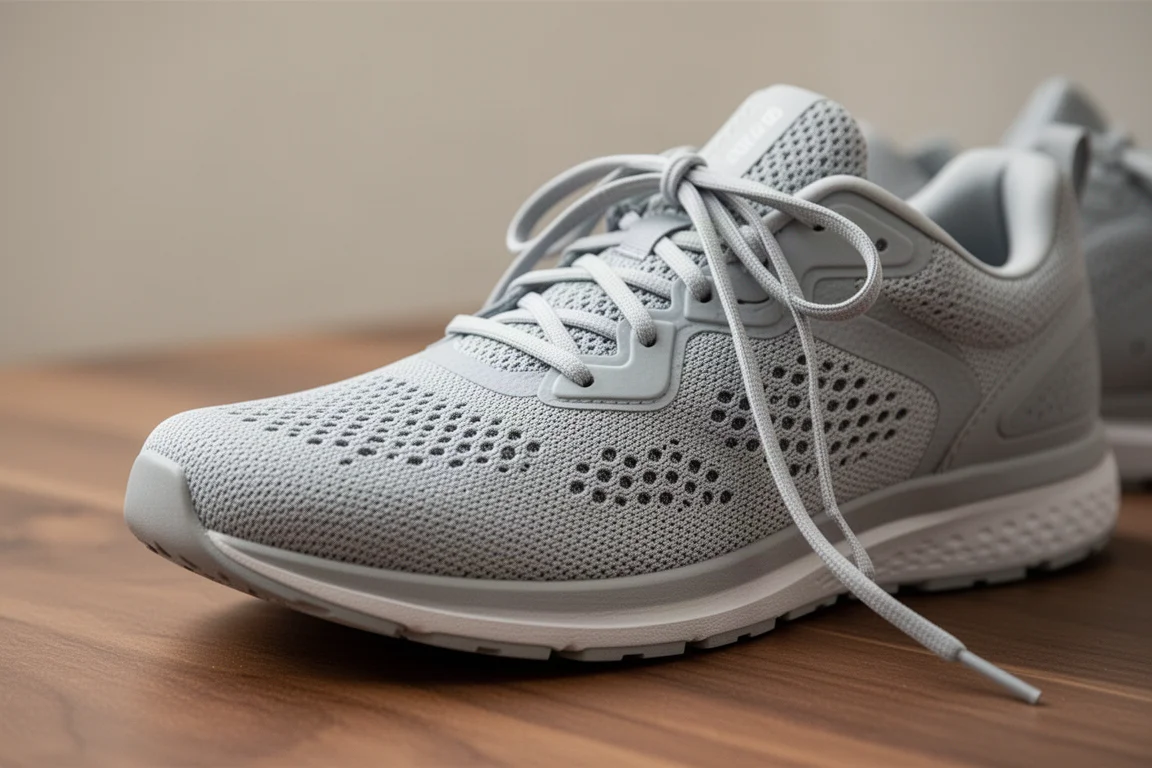
The Endorphin Speed 3 has a stretchy engineered mesh upper that is very breathable, with light overlays and exceptionally soft laces. The lockdown is among the best available, and the fit is glove-like. At the rear there is a solid heel counter with a small plastic reflective piece, and padding is similar to what the Hyperion Max offers.
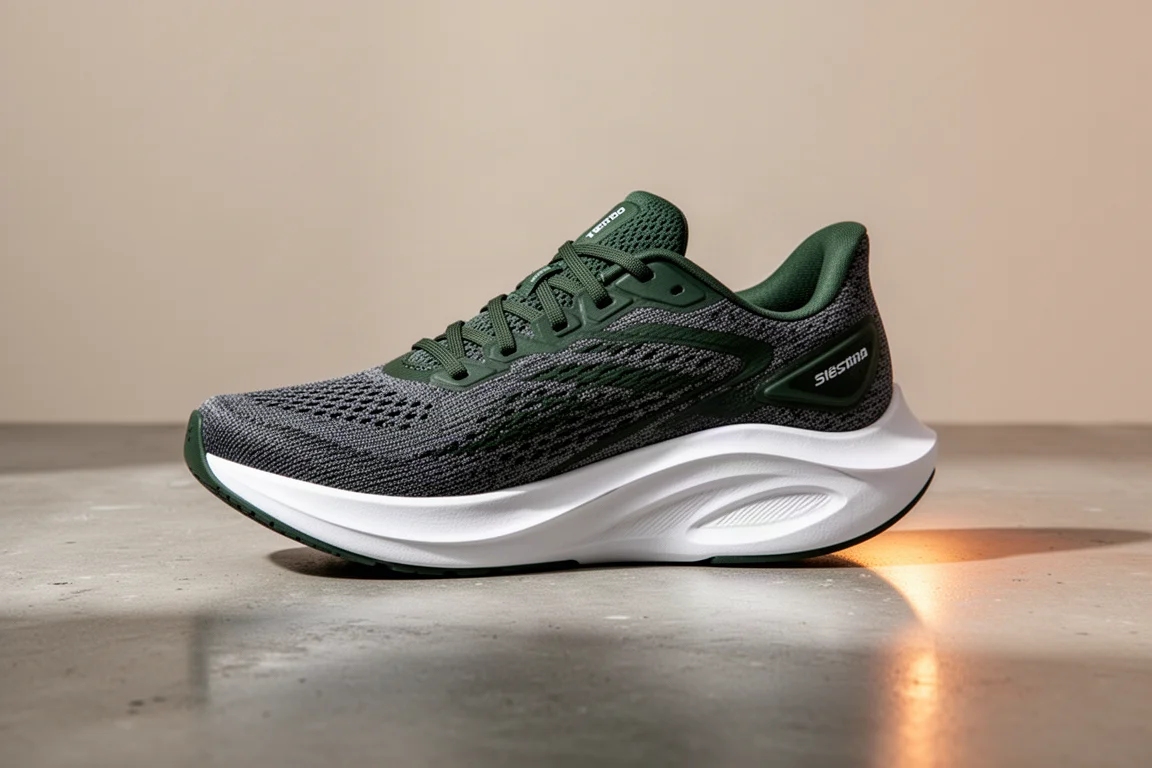
The Hyperion Max uses a scratchier woven mesh with more of a traditional, canvassy athletic feel. The fit is far more structured than the stretchy Speed 3, and it runs a little long, leaving roughly a quarter to half an inch of extra space in the toe box. Its laces are firmer and more structured too, in contrast to the very soft laces on the Saucony.
Outsole and Durability
Both shoes share a similar outsole layout: plenty of rubber in the forefoot and much less in the heel. The big difference is thickness. The Hyperion Max has noticeably thicker rubber with more attention to detail in the coverage, while the Speed 3’s XT-900 rubber was never as thick to begin with.
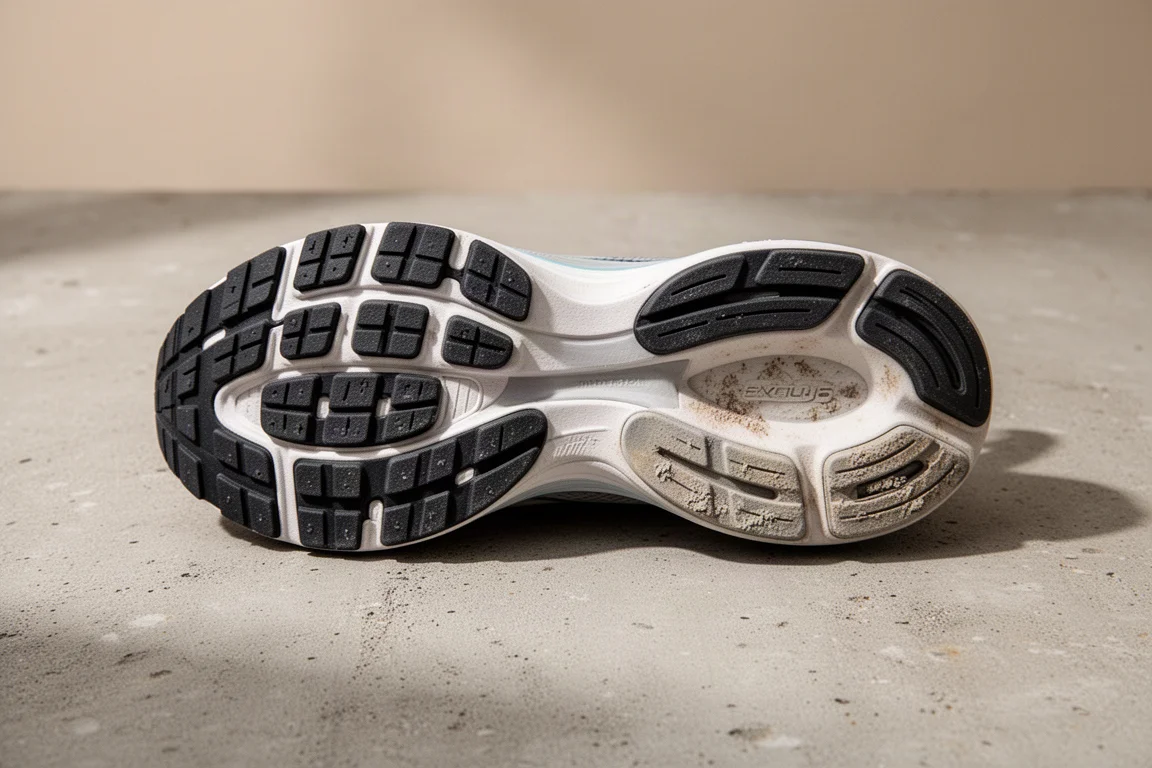
That shows up in real wear. The Speed 3 wears through the heel rubber at around 300 miles, which happened on both pairs tested. The Hyperion Max, at 40 to 50 miles with minimal wear, looks like it could stretch to roughly 350 to 400 miles before retirement. Durability is a genuine point in the Brooks’ favor.
Who Each Shoe Is Best For
The Endorphin Speed 3 suits almost everyone, which is exactly the problem: it feels so good that running it every day is tempting, and that is not advisable. A super bouncy, rockered PWRRUN PB shoe should be part of a rotation, not the whole rotation, so your biomechanics get a chance to adapt to different platforms. It is great for long runs, tempo work, and as a first racing shoe. If you are targeting a sub-three-hour marathon or running your second or third marathon, it is a strong choice for marathon pace work without going carbon-plated.
The Hyperion Max is a good fit for bigger or taller runners who prefer a firm platform, and it pairs well with the Saucony Endorphin Shift as a companion tempo shoe. It also encourages a midfoot to forefoot strike, which makes it an excellent tool if you want to build that strength and practice faster paces without a plated shoe. If you are a heel striker, though, that aggressive heel may simply not work for you.
Conclusion
Both shoes cost $170, but they serve different runners. The Saucony Endorphin Speed 3 is the safer, more versatile pick: soft, snappy, with excellent lockdown and a smooth rocker, though its outsole rubber gives out around 300 miles. The Brooks Hyperion Max counters with a firmer, more structured ride, a better fitting option for structured-shoe lovers, and much thicker outsole rubber, but its sharp heel drop-off and demanding ride make it a specialist tool. If you can only buy one, the Speed 3 is the shoe more runners will be happy in.
Further reading
Related Reviews

Running Shoes
Best Road-to-Trail Running Shoes: Three Versatile Options for Mixed Terrain
A practical guide to three road-to-trail running shoes that handle both pavement and mild trails, with clear strengths and trade-offs for different runner types.

Running Shoes
Best Running Shoes for Achilles Tendonitis: Three Options Explained
Three running shoes with different heel drops and support features designed to help reduce Achilles tendon pain during walking and running.

Running Shoes
Best Running Shoes for Women: Five Top Choices Ranked
A ranked guide to five women's running shoes, from versatile daily trainers to high-performance racing options, with real strengths and trade-offs for each.