Running Shoes
Saucony Endorphin Speed 3 Durability Test: 650 Miles in One Pair
After 650 miles across Europe in a single pair, the Endorphin Speed 3 held its ride almost unchanged, with a strong upper and a few wear points worth knowing about.
Introduction
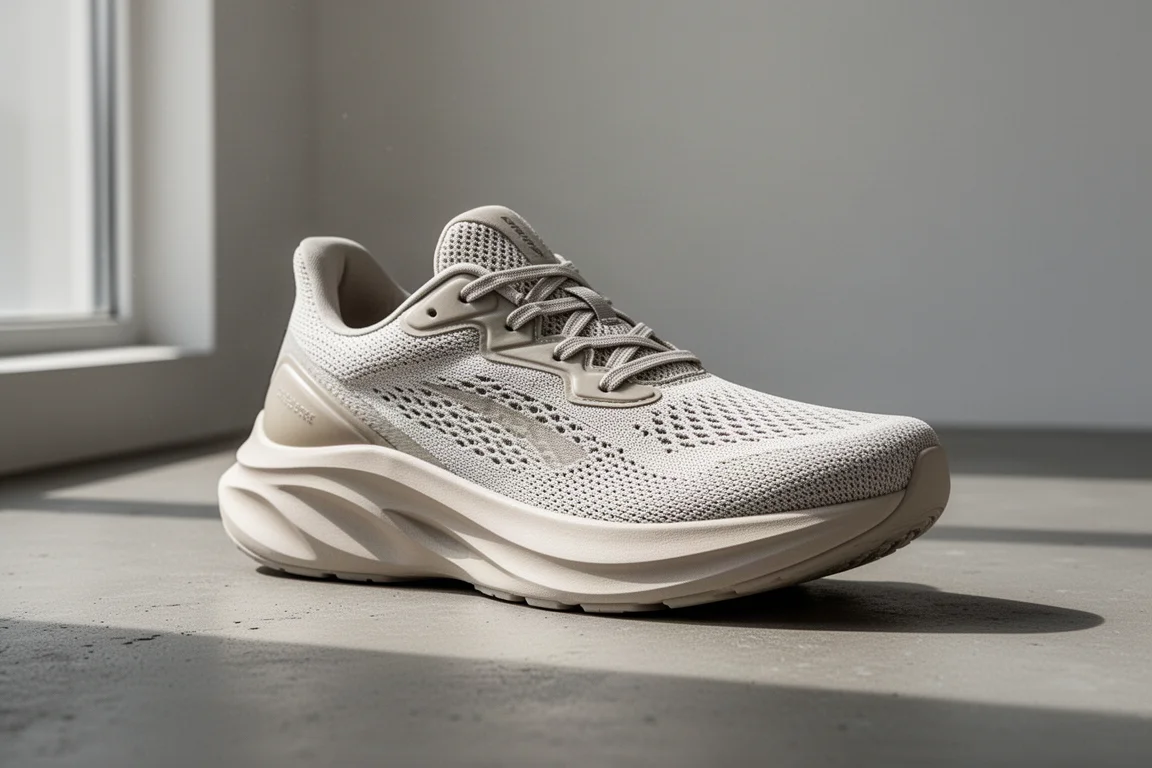
Some shoes get a gentle life. This pair did not. The Saucony Endorphin Speed 3 was worn as the only shoe for 25 days of a long multi-stage run along a European river route, covering 650 of roughly 1,830 total miles. There was no rotation, no rest days for the foam, and no backup pair for walking around town.
That makes this about as demanding a durability test as a running shoe can face. Here is how the Speed 3 held up, what impressed, and where the wear finally showed.
Quick Specs and Key Features
The Speed 3 launched at 165 pounds in the UK (around 170 in other markets). It has a 36mm heel stack and 28mm forefoot for an 8mm drop, and weighs 8.1 ounces (229 grams).
Key features include PWRRUN PB foam in the midsole, a slightly wider forefoot base, and an S-curve winged nylon plate, the latter two carried over from the Speed 2 to add stability. The upper is a fairly dense but breathable mesh, and the outsole uses XT-900 rubber in strategic areas for grip and to protect the midsole foam underneath.
The Test: 650 Miles, One Pair, No Rotation
The mileage came on a genuine mix of terrain: heavy, gritty tarmac and carriageway-style roads down to stony, gravelly river paths and a little off-road trail. Temperatures ranged from 25°C up to 40°C, so the foam and glue lines took sustained heat as well as impact.
Paces ranged from 12-minute miles down to about 8:30 pace, mostly at slower speeds, with a 10 to 12kg pack on board. At a body weight of roughly 78kg, that put around 90kg of load through the midsole day after day.

Worse still for the shoes, they never came off. Six to seven hours of running a day, plus walking around for the rest of the day, meant roughly 12 hours of wear daily. Most experts recommend rotating shoes so midsole foam can relax and recover between runs. These got none of that courtesy.
Ride and Midsole: Consistency to 650 Miles
The biggest surprise was how little the ride changed. From mile one to mile 650, the comfort, underfoot feel, midsole response, and the speed roll geometry stayed remarkably consistent. There was no noticeable early degradation around the 300 or 400 mile mark that so often marks the point where cushioned shoes start to flatten.
Looking at the midsole directly after the test, aside from dirt and smell, there is some crinkling and minor cosmetic marks, but nothing that looks overly compressed. For around 90 percent of the miles, the PWRRUN PB foam showed no meaningful degradation and no extra impact coming through from the ground.
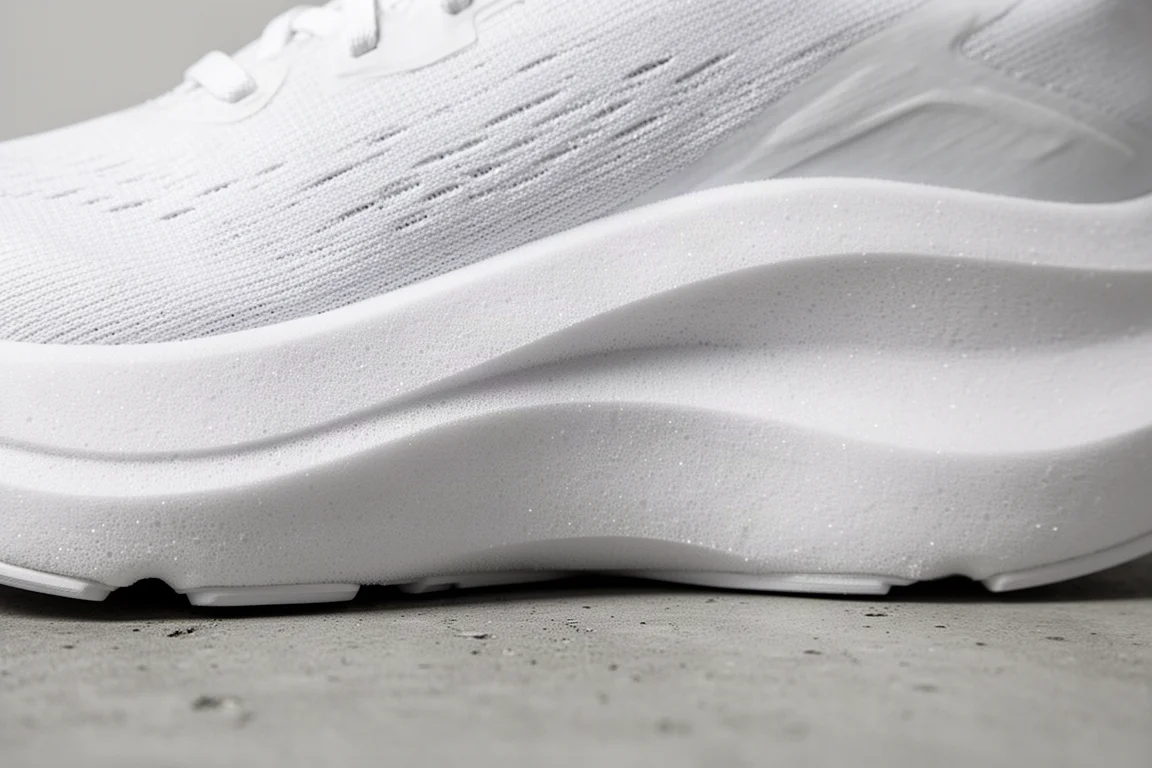
The one warning sign arrived late. Around 500 to 600 miles in, and about three to four days before swapping to a fresh pair, a burning sensation appeared across the plantar area, as if arch support had faded. The insoles felt fine and the foam showed no obvious collapse, so the likely culprit is the nylon plate finally fatiguing. As soon as a new pair went on, the sensation disappeared, which points to the shoes rather than an injury.
Upper and Heel Collar: Near Perfect After 650 Miles
If the uppers were cleaned up, you would struggle to spot the mileage. No holes where toes press through, no rips, no tears, and only minimal edge wear. The heel collar, a common failure point on high-mileage shoes where rubbing wears through to the internal plastic stiffener, shows zero damage. The internal plates have not pushed through, and the tongue is unchanged from day one.
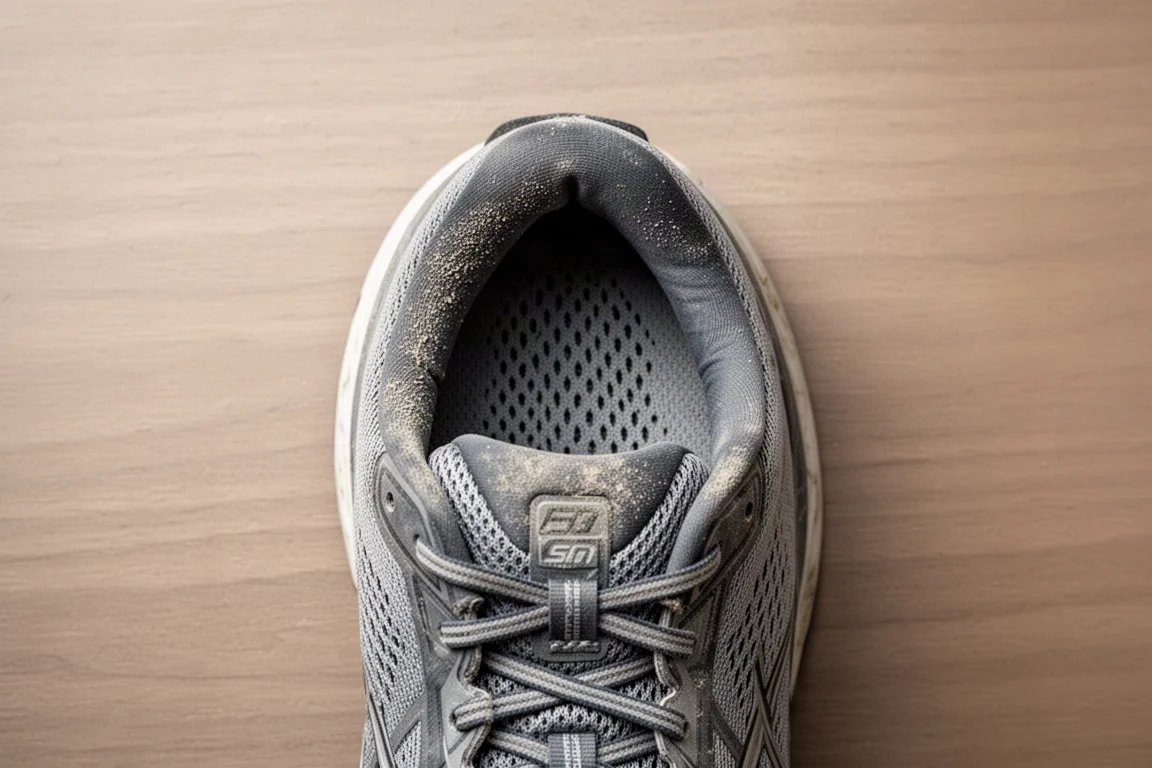
Just as important, there is no separation anywhere: the upper is still locked rigidly to the midsole with no signs of peeling or adhesive failure. After 650 brutal miles, this is genuinely impressive upper durability.
Outsole: The Weakest Link
This is where the Speed 2 drew criticism, and the Speed 3 has not fully fixed it. There is clear wear at the heel strike zones, where protective XT-900 rubber has worn through and exposed the midsole foam underneath. On some of the cut-up, stony paths, that exposed foam has been eaten away at the rear section of the shoe. Grip contact points have also smoothed off at the heel and forefoot.
In fairness, much of this wear likely accumulated late in the 650 miles, and it is not unreasonable for the mileage and terrain involved. Running was done in dry conditions at moderate speeds, so even with the worn grip there were no traction problems, and the shoe ran perfectly fine despite the wear. Heavy walking in the shoes also shifts load back onto the heels, which explains some of the extra heel wear compared with a mid-to-forefoot striker running only.
Verdict: Excellent Durability With One Caveat
It is hard to fault these shoes. They handled everything thrown at them across 650 punishing miles, and aside from the loss of arch support somewhere after 500 to 550 miles, everything held up exceptionally well. In terms of durability, this is as good as anything on the shelves right now, and it represents strong value for money at its launch price.
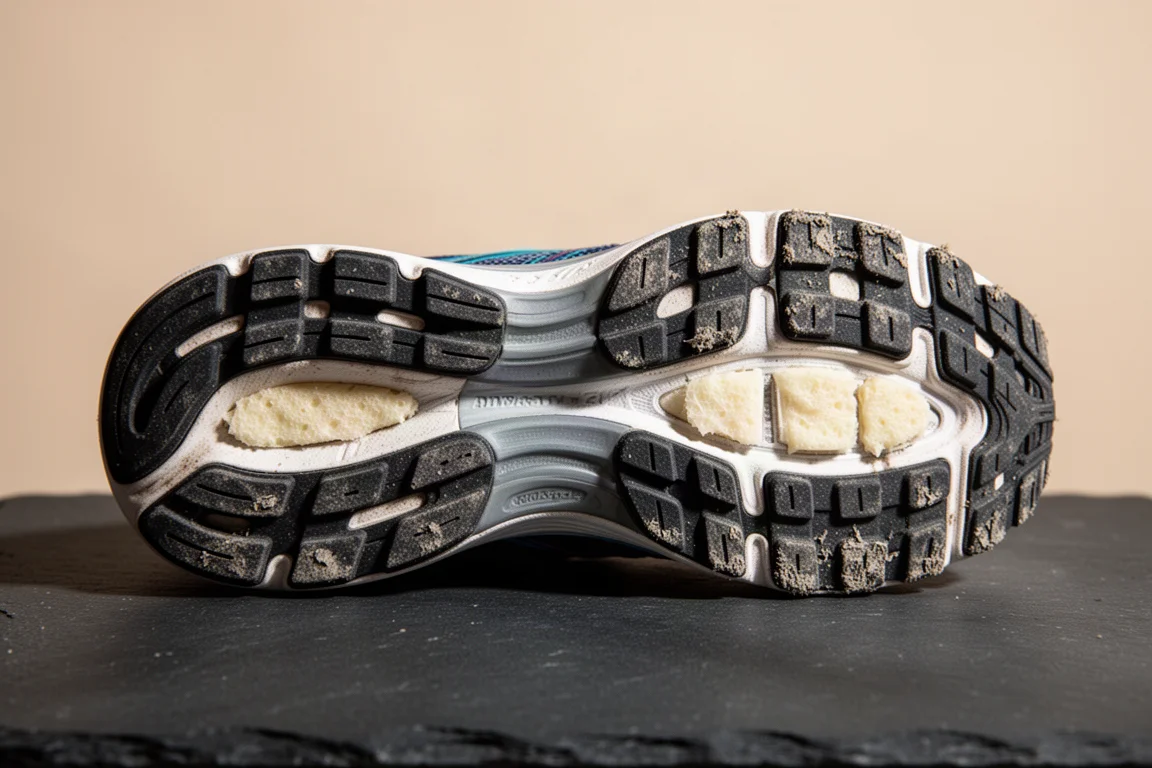
Significant heel strikers may want a little more outsole rubber over the heel to protect that midsole foam, and that would be a sensible tweak for the next version. For everyone else, expect a shoe that runs well from mile one well beyond 500 miles.
Buying Advice
If you want a versatile tempo-to-easy-day trainer with a plated, bouncy ride and you plan to keep it for high mileage, the Endorphin Speed 3 is a confident pick. Heel strikers logging big miles on abrasive tarmac should keep an eye on the outsole after a few hundred miles. If you are between sizes or usage patterns, note that this test involved extreme daily wear, so a typical rotated-use runner should get even longer life from a pair.
Conclusion
The Saucony Endorphin Speed 3 survived one of the harshest real-world tests a running shoe can face with its ride, upper, and structure almost intact. The midsole barely degraded, the upper stayed effectively perfect, and the only real weaknesses were fading arch support late in the shoe’s life and thin heel outsole coverage. For durability alone, this is a shoe worth shortlisting.
Product link
View more details for Saucony Endorphin Speed 3
This product is mentioned in the review. Check the specifications, options, and compatibility before buying.
View more details for Saucony Endorphin Speed 3Further reading
Related Reviews

Running Shoes
Best Road-to-Trail Running Shoes: Three Versatile Options for Mixed Terrain
A practical guide to three road-to-trail running shoes that handle both pavement and mild trails, with clear strengths and trade-offs for different runner types.

Running Shoes
Best Running Shoes for Achilles Tendonitis: Three Options Explained
Three running shoes with different heel drops and support features designed to help reduce Achilles tendon pain during walking and running.

Running Shoes
Best Running Shoes for Women: Five Top Choices Ranked
A ranked guide to five women's running shoes, from versatile daily trainers to high-performance racing options, with real strengths and trade-offs for each.