Running Shoes
Saucony Endorphin Speed 2 vs New Balance Rebel v2: Which Daily Trainer Deserves Your Money?
Two of the best lightweight daily trainers go head to head on price, weight, ride quality and long-run comfort to help you pick the right one.
Introduction
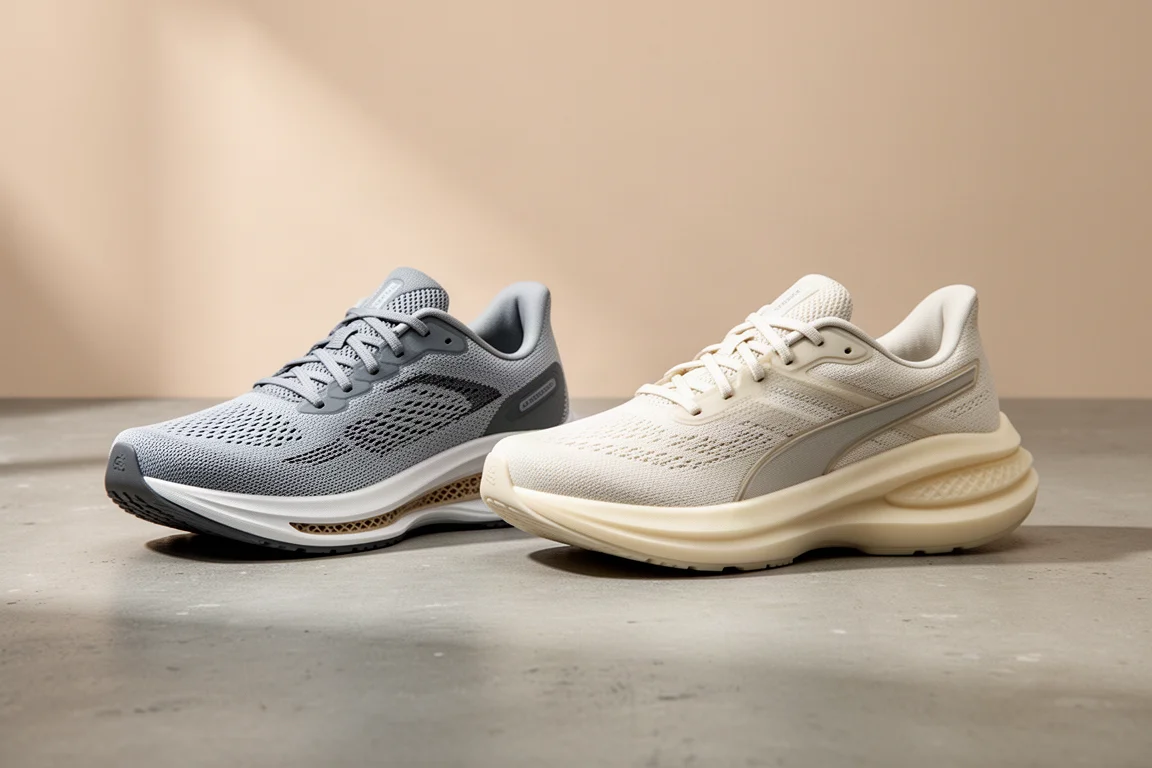
If you are hunting for a lightweight daily trainer right now, the Saucony Endorphin Speed 2 and the New Balance Rebel v2 are two names that keep coming up. Both sit firmly in the fast everyday training category rather than being out-and-out racers, and both can cover a surprisingly wide range of runs. But they approach the job differently: one leans on a nylon plate and efficiency, the other on soft, big-stack comfort without any plate at all. Here is how they compare when it comes to picking one for your rotation.
Saucony Endorphin Speed 2 vs New Balance Rebel v2 at a Glance
On price, the Endorphin Speed 2 is the more expensive option at £155 in the UK or $160 in the US, while the Rebel v2 comes in at £120 in the UK or $130 in the US. Weight also separates them clearly: the Rebel is the lightest of the pair at 204 grams in a UK size 9, while the Endorphin Speed weighs 235 grams in the same size, or 8.3 ounces.
Geometry differences are worth noting too. The Speed 2 has an 8mm drop and a 35.5mm stack height, whereas the Rebel runs slightly lower with a 6mm drop and a 26mm stack. That lower stack partly comes down to construction: the Rebel has no plate of any kind, while the Speed 2 uses a nylon plate that differentiates it from Saucony’s stiffer, firmer Endorphin Pro.
Saucony Endorphin Speed 2: Plated Speed for Fast Days
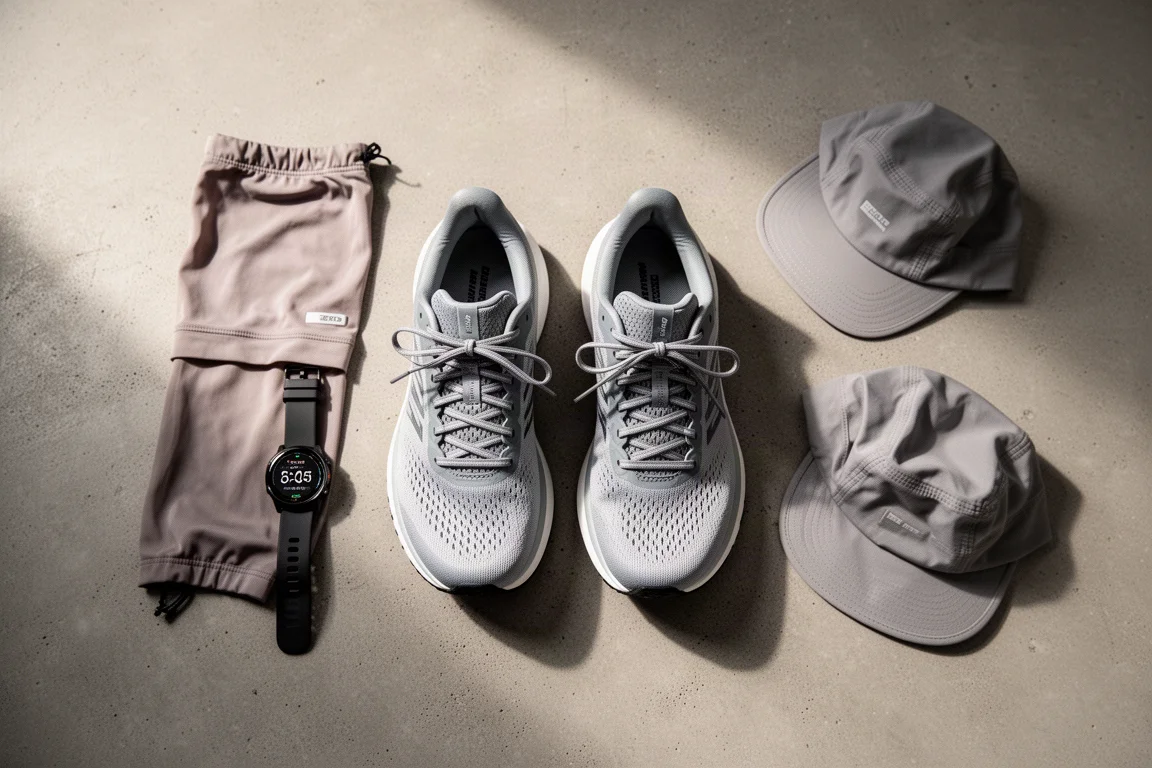
The headline change from the Endorphin Speed 1 is the upper. The Speed 2 gets a nice monomesh upper and a slightly more developed heel counter that is also reflective on this version. Around the heel and tongue, padding is generous, and the fit is completely true to size. For narrower feet, expect to pull the laces tighter over time, but lockdown around the midfoot is never an issue.
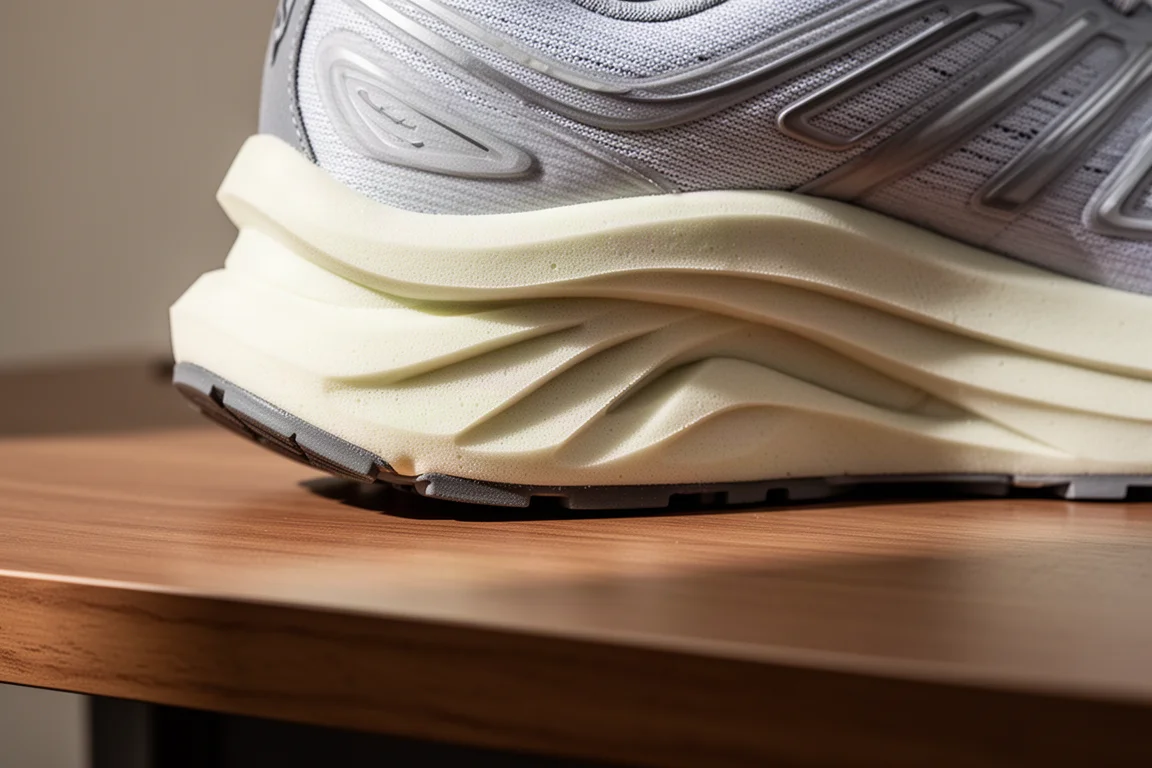
Underfoot, you get PWRRUN PB foam, a PEBA-based midsole, plus a nylon plate and Speedroll technology that creates a very efficient, very fluid gait. The outsole has a decent covering of rubber with some exposed foam, but it holds up well even with occasional off-road sections, and the grip has proven surprisingly reliable in all kinds of conditions despite the thin rubber layer.
On the run, this is the shoe that produces the goods on fast days. It is not too firm or harsh, yet it is very fast and very efficient, letting you roll through your miles without thinking about pace. Run an easy hour by feel and the paces come back surprisingly quick. When you want to push on, the plate makes it snappy in a way that is not far off a full carbon shoe, with a slightly more cushioned feel and less money spent. It even handles 30k at a hard effort comfortably, and it has been raced over 5k. The main caveat: on long, slow easy runs, some runners may notice a little pressure under the forefoot over time.
New Balance Rebel v2: Soft, Light and Fun on Easy Days
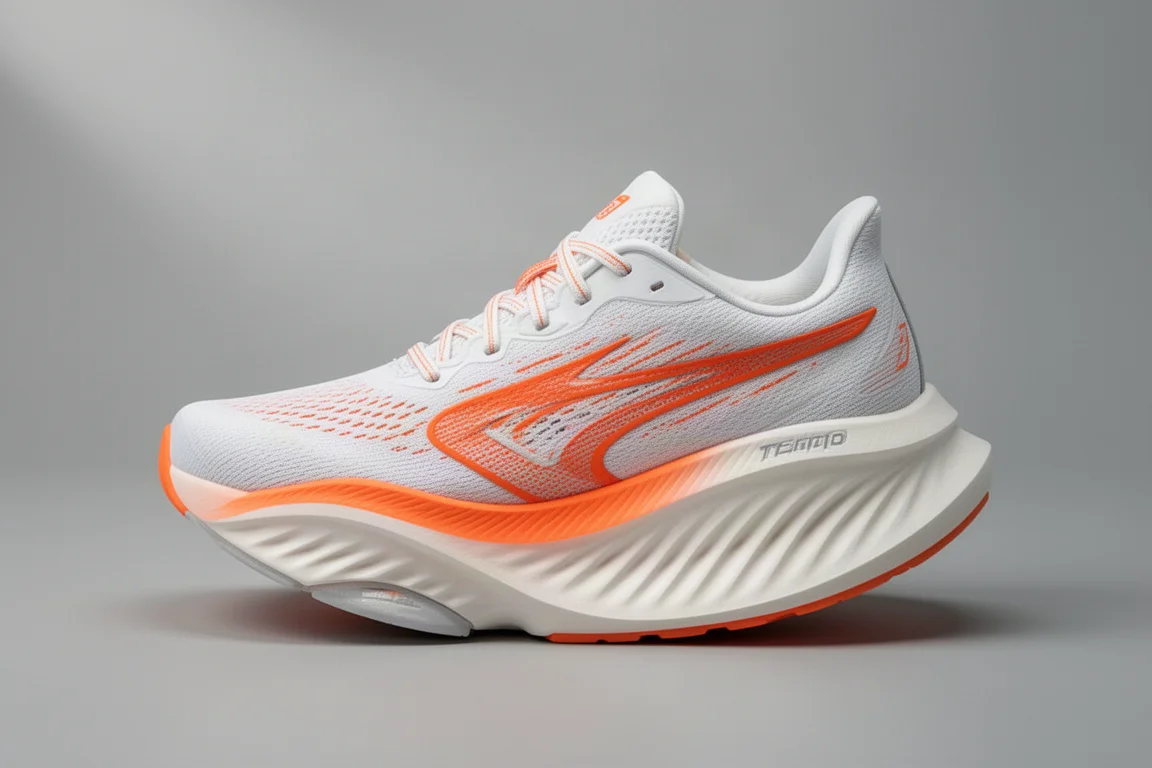
The Rebel v2 also gets a mesh upper, moving on from the bootie design of the first version, with an off-center stripe on each side that angles the foot slightly inward. Padding around the heel and tongue is generous as well, and the fit is just about true to size, though it runs slightly short and a half size up could be a comfortable option. Close fit at the toes on first wear eases off once you start running.
The big story here is the large stack of FuelCell foam with no plate to direct it. At 26mm with nothing steering the energy, a soft foam like this can feel a touch unstable at times, although that has not been a real problem in practice. The flange from the Rebel v1 is gone, and the outsole offers a really nice rubber covering with key impact zones at the rear and plenty up front. Grip in all conditions is excellent, arguably slightly better than the Speed 2, and the exposed foam has held up well in use.

Where the Rebel surprised is in its character. It looks like a fast trainer, and it is light enough to pick up the pace, but over the miles it performs best as a cruising, everyday shoe. It is very comfortable on easy runs, fun to run in, and a lovely shoe to chew up daily miles. On the track or at hard paces, though, it lacks a bit of direction and pop because that huge slab of soft cushioning has no plate to drive it forward. Push past half marathon distance at speed and it can feel a little mushy and drain you slightly, with the soft foam bottoming out a bit. For short sessions and long easy runs, it shines.
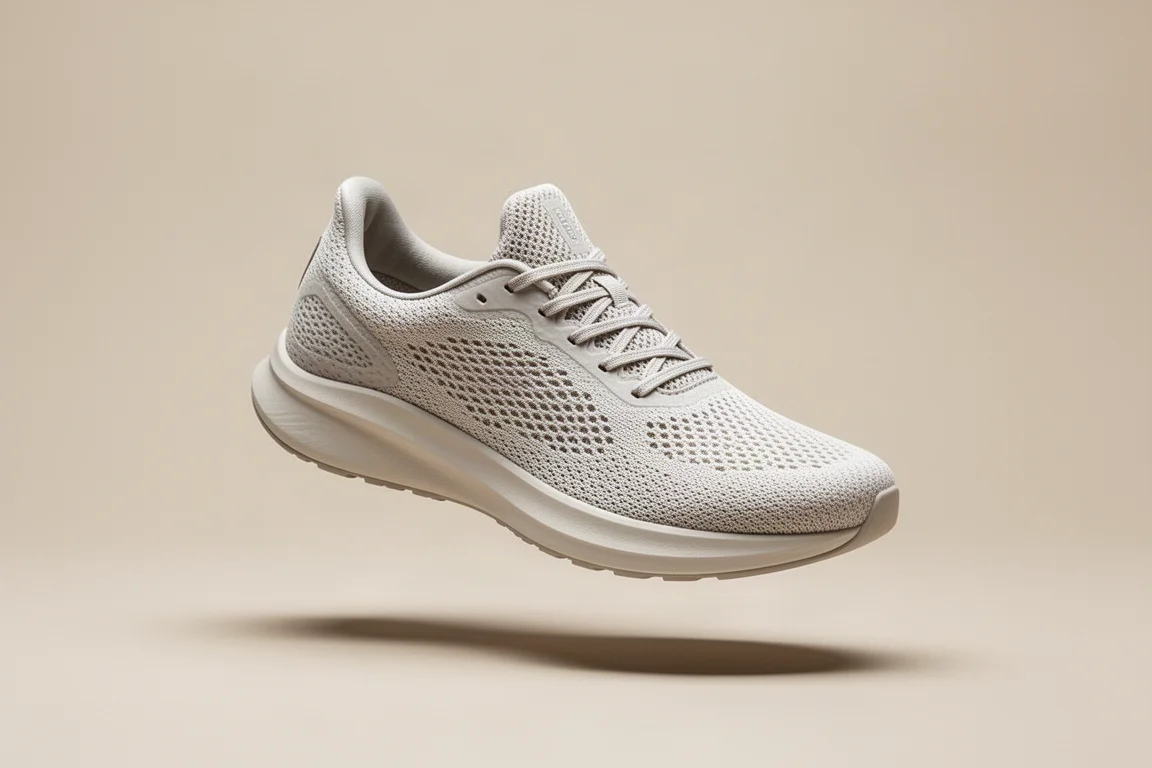
Which One Should You Buy?
Overall, the Endorphin Speed 2 is the stronger all-rounder and the preferred pick if you are only buying one. It is a great fast trainer, still comfortable on daily runs, and it produces the goods on hard long runs, short track sessions and even racing. For runners who do not want to spend big on a full carbon shoe, it would make a genuinely good half marathon or marathon racer. The trade-offs are the higher price, the extra weight and a slightly firmer ride.
The Rebel v2 clearly has its own place, though. It is the better easy-day shoe: soft, comfortable, lightweight and genuinely fun, to the point that some runners may prefer it as a general daily trainer and find the Speed 2 a bit too peppy and speed-focused. It is also the cheaper and lighter of the two, with superb grip. If you want a two-shoe rotation, these pair beautifully, since each covers the other’s strength reasonably well. But if one shoe has to do everything, the plated, faster Endorphin Speed 2 gets the nod.

Conclusion
The Endorphin Speed 2 is the more versatile shoe: faster on hard days, better over long distances at pace, and capable of racing. The Rebel v2 is the softer, lighter, more affordable option that rewards runners who value comfort on everyday miles. Both rank among the best daily trainers available right now, and together they make an excellent rotation. If you can only pick one, the Endorphin Speed 2 is the safer bet.
Further reading
Related Reviews

Running Shoes
Best Road-to-Trail Running Shoes: Three Versatile Options for Mixed Terrain
A practical guide to three road-to-trail running shoes that handle both pavement and mild trails, with clear strengths and trade-offs for different runner types.

Running Shoes
Best Running Shoes for Achilles Tendonitis: Three Options Explained
Three running shoes with different heel drops and support features designed to help reduce Achilles tendon pain during walking and running.

Running Shoes
Best Running Shoes for Women: Five Top Choices Ranked
A ranked guide to five women's running shoes, from versatile daily trainers to high-performance racing options, with real strengths and trade-offs for each.