Running Shoes
Saucony Endorphin Speed 2 vs Speed 3: A Long-Distance Comparison
One runner covered well over 1,700 miles across Europe in the Endorphin Speed 2 and Speed 3. Here is how the two shoes compare after extreme mileage.
Introduction
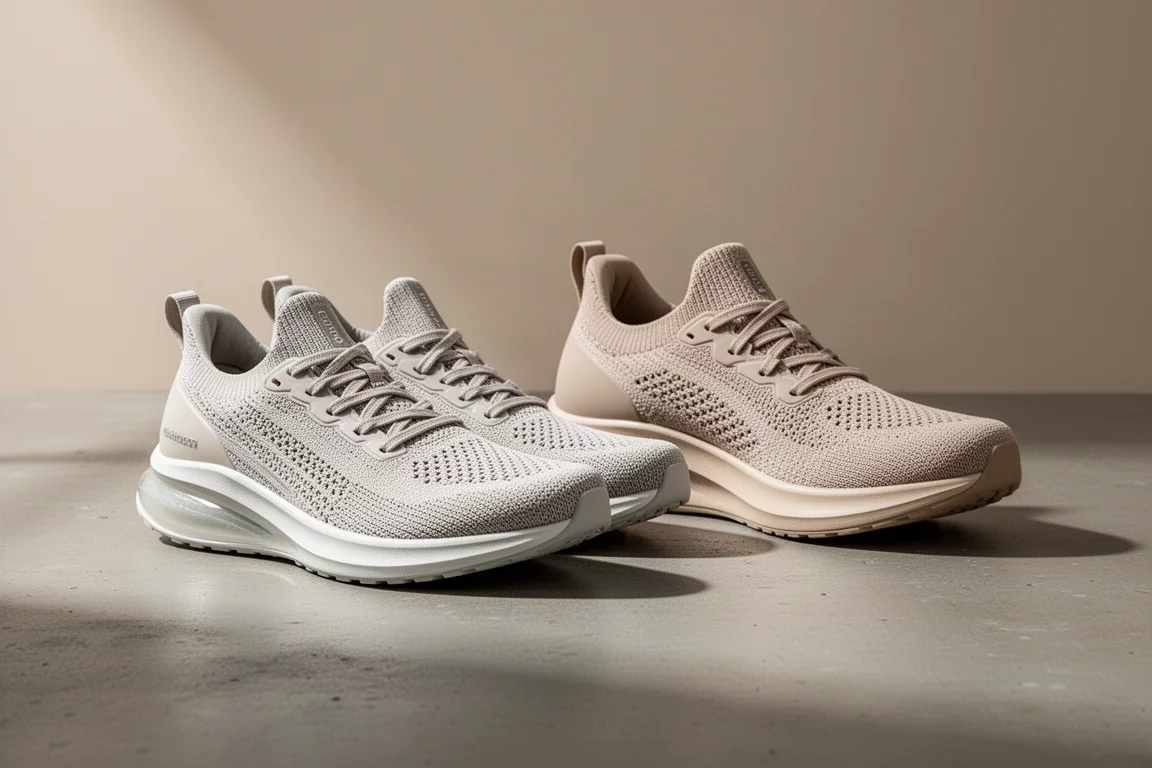
Testing running shoes across a few hundred miles is common. Testing them across more than 1,700 miles is not. During an extreme long-distance run covering 1,830 miles over 67 days, roughly a marathon per day, the Saucony Endorphin Speed 2 and Endorphin Speed 3 became the only two models used: 880 miles in the Speed 2, followed by more than 900 miles in the Speed 3 across two pairs.
The terrain was a genuinely mixed bag: smooth pavements, rough and stony asphalt on high-traffic roads, hard compacted gravelly trails, and rutted mud. Conditions reached up to 35 degrees Celsius, and a pack weighing between 8 and 10 kilos added load to every stride. Both shoes were run true to size and tested under near-identical conditions, which makes this a useful comparison for anyone choosing between them.
Saucony Endorphin Speed 2: 880 Miles of Performance
The Speed 2 was chosen for being versatile and balanced: comfortable for long mileage, light and nimble, yet still capable of picking up the pace when needed. It delivered largely as expected.

The fit runs slightly narrower, particularly around the toe box. With about 100 miles logged in the first three days, that narrowness caused pressure on the outside toes, something worth noting if you have a wider forefoot. Elsewhere the shoe was excellent: the heel collar is well padded, lockdown was secure, and blistering stayed minimal while running.
The main quirk appeared while walking. The insole rises to a joint where it meets the heel, and during walk breaks that rise rubbed the back of the heel badly enough to blister, though it settled down over time. The midsole feels slightly shallower than the Speed 3’s, which may explain the difference.
Underfoot, performance was solid throughout. There was enough cushioning for slow plods at 10 to 11 minute miles and enough response for faster sections, all while absorbing the load of a loaded backpack in high heat. Around 780 miles in, cushioning began to flatten, especially on hard tarmac, and protection noticeably dropped before the switch was made.
Saucony Endorphin Speed 3: Comfort and Versatility
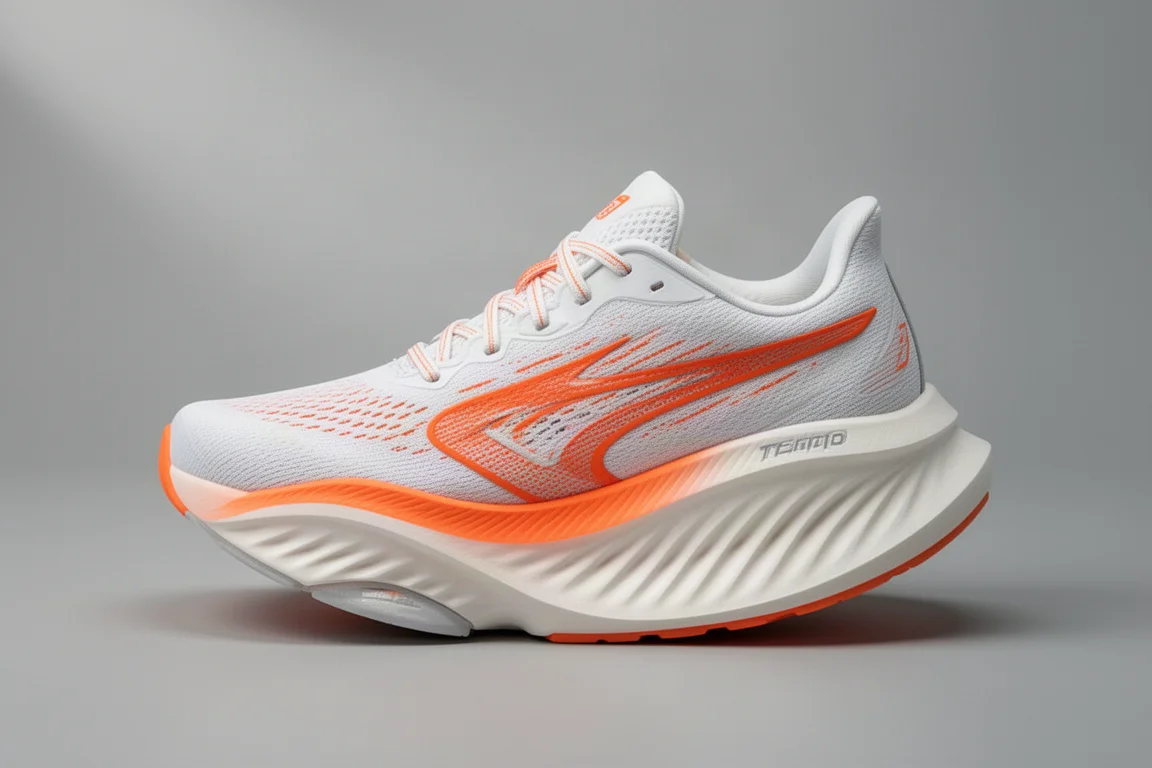
The Speed 3 immediately fixed the toe-box problem: more width up front, more room for the toes to spread, and an upper that sits less low over the toes. Comfort around the heel collar and overall lockdown carried over from the Speed 2.
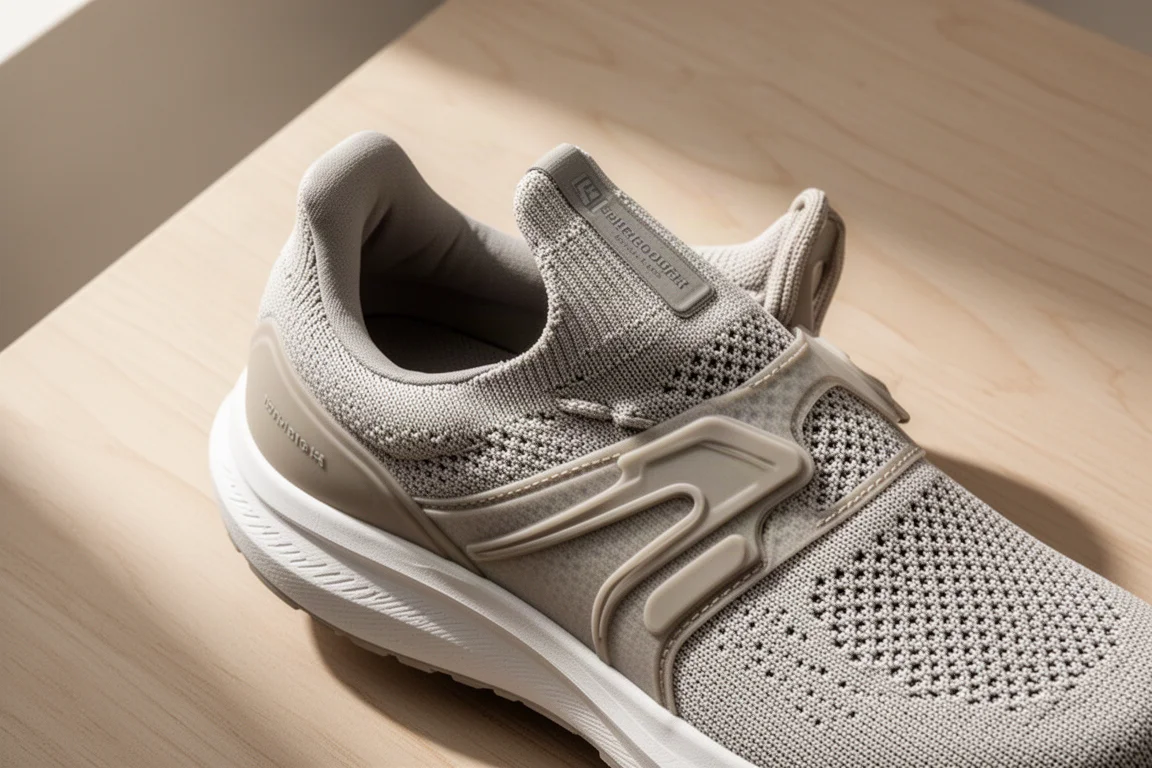
Underfoot is where the real difference shows. The Speed 3 has clearly more cushioning without feeling heavier, plus extra width through the midfoot that adds stability and protection. It still feels springy, responsive, and light, but there is marginally more shoe overall. On 30-mile days and even a longest run of around 40-plus miles, it felt more protective, more breathable, and more comfortable across the full distance.
Its versatility range is also broader. Late in the run, while still carrying the 10-kilo pack, the pace picked up to around 8.5 to 9 minute miles and the shoe coped admirably, matching what the Speed 2 offered at faster paces while adding more comfort at slow ones. The highest compliment: after the first few runs, the shoe essentially disappeared on the foot, even during weeks exceeding 200 miles.
Durability: How Each Shoe Held Up
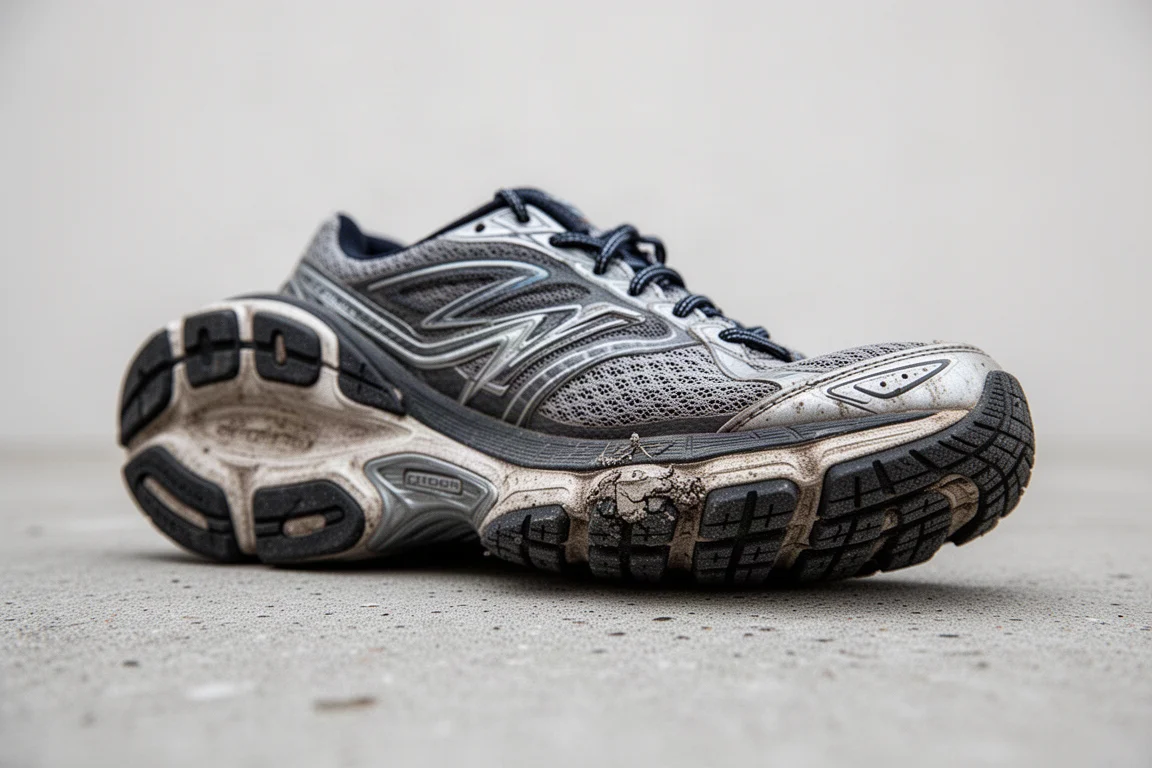
Both models held their shape impressively over extreme mileage. The Speed 2’s uppers took a visible battering, wearing thin on the outside with some wear-through at the toe, and outsole grip wore down at the heel landing zone, but the shoe kept its structure.
The Speed 3’s uppers barely show wear at all, with only a few decorative overlays peeling off. There is slightly more heel midsole scrape and more forefoot grip wear than on the Speed 2, though part of that comes from more off-road and gravel use in the second pair, which covered around 330 miles.
The key difference is in the ride. The Speed 2’s midsole foam produced a clear collapsing sensation and loss of protection near the end of its 880 miles. The Speed 3 never produced that same foam collapse; instead, after about 500 miles, the plate appeared to give out, felt as a stretched, burnt sensation underfoot that vanished the moment a fresh pair went on. Overall, the Speed 3’s midsole looks likely to keep protecting you for longer, while its plate may give up slightly sooner.
Which One Should You Buy?
The differences are marginal, but they point in clear directions. The Speed 2 arguably remains the snappier race shoe: more agile, more nimble, with a touch more punch, best suited to faster running in good form. If your priority is racing a marathon or half marathon, it remains the pick.

The Speed 3 wins on versatility. Extra cushioning, a wider base, more room up top, and more stability make it ideal for long, slower training miles, and it works well as a daily trainer or for ultras mixing tarmac and mild off-road, provided conditions are not too slippery, wet, or steep.
Put simply: for pure racing, lean Speed 2. For one shoe that covers daily training through to racing and distances beyond the marathon up to 40 or 50 miles, the Speed 3 is the stronger all-rounder.
View more details for Saucony Endorphin Speed 3
Conclusion
Both shoes performed exceptionally at distances most pairs never see. The Speed 2 rewards racers who want a nimble, punchy ride, while the Speed 3 offers more cushioning, width, and stability for long mileage and everyday use, and stands as a superb go-to trainer. Neither disappointed over 1,700 miles of mixed, punishing terrain.
Further reading
Related Reviews

Running Shoes
Best Road-to-Trail Running Shoes: Three Versatile Options for Mixed Terrain
A practical guide to three road-to-trail running shoes that handle both pavement and mild trails, with clear strengths and trade-offs for different runner types.

Running Shoes
Best Running Shoes for Achilles Tendonitis: Three Options Explained
Three running shoes with different heel drops and support features designed to help reduce Achilles tendon pain during walking and running.

Running Shoes
Best Running Shoes for Women: Five Top Choices Ranked
A ranked guide to five women's running shoes, from versatile daily trainers to high-performance racing options, with real strengths and trade-offs for each.