Running Shoes
Saucony Endorphin Shift 3 vs Saucony Triumph 20: Two Max Cushion Cruisers Compared
Two of Saucony's max cushioned daily trainers take very different routes to long-haul comfort. Here is how they compare and which one suits your rotation.
Introduction
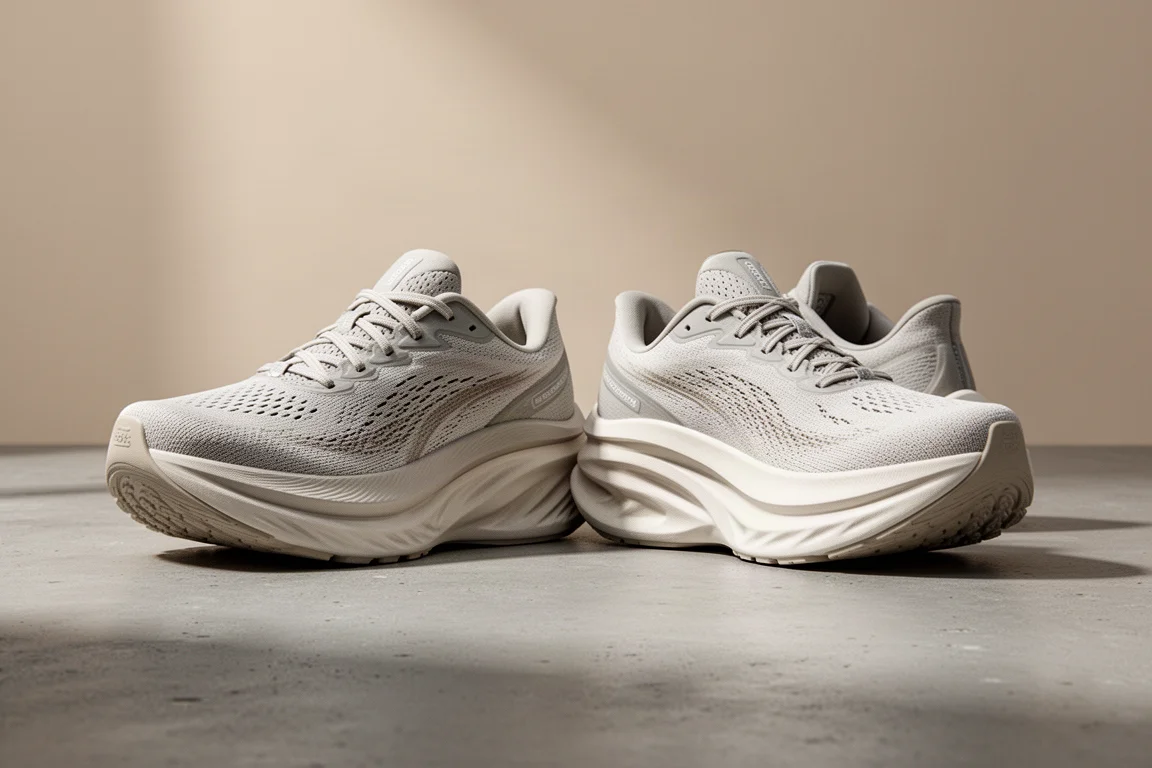
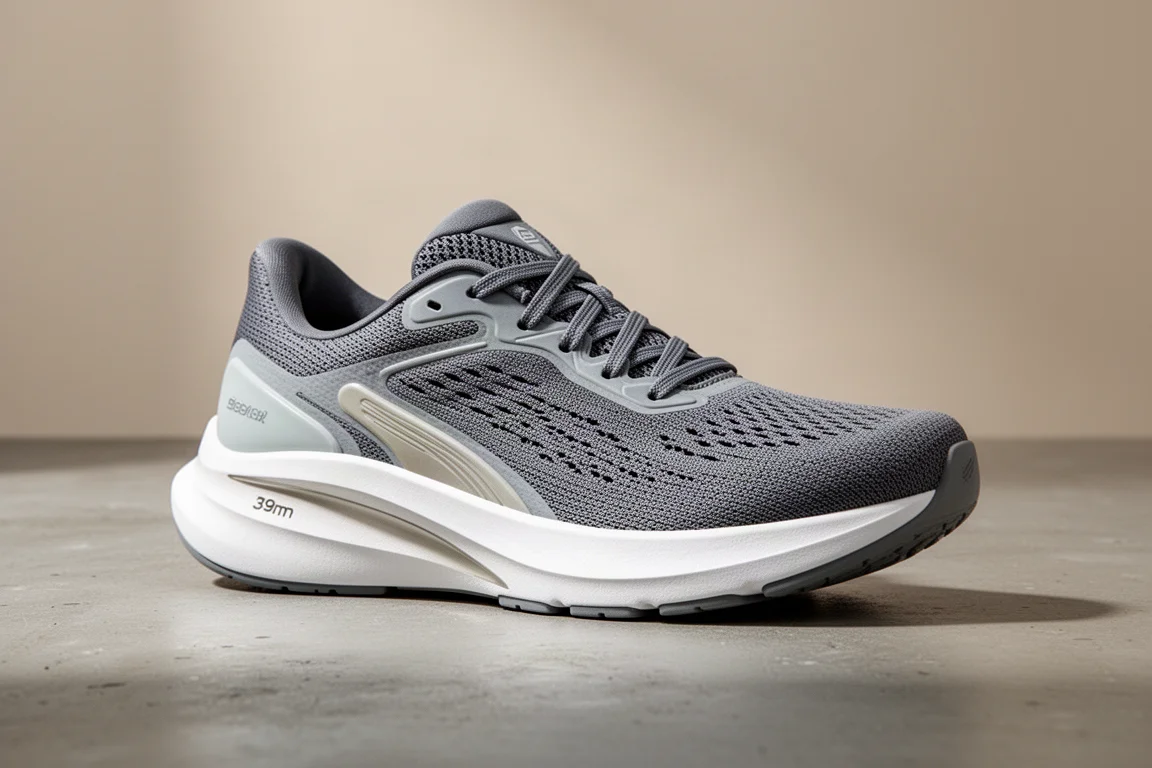
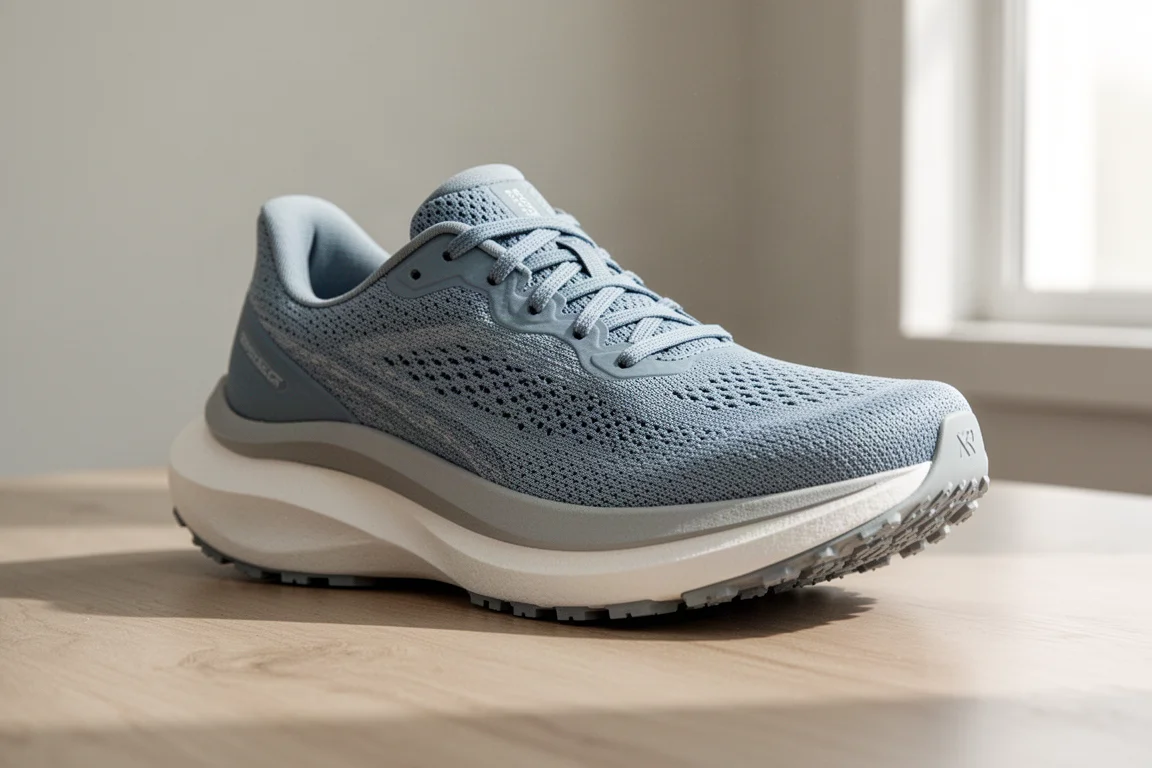
The Saucony Endorphin Shift 3 and the Saucony Triumph 20 are two max cushioned cruisers that ask the same question in different ways: how do you keep a runner cushioned and comfortable over the long haul? Both are high-mileage eater shoes, but the Shift leans on a rockered, firmer, more stable platform, while the Triumph goes for plush, bouncy foam.
Two Approaches to Long-Haul Comfort
The Shift 3 is part of Saucony’s Endorphin series, which is characterized by a big four-foot rocker up front. It builds comfort through that rockered platform, adds stability with a plastic heel clip at the back, and delivers a firmer, more planted ride. The Triumph 20 is the brand’s long-standing premium cushioned daily trainer, and it approaches comfort through soft, bouncy foam that keeps you rolling along through long miles.

Specs and Stack: Rocker vs Soft Foam
The Shift 3 uses PWRRUN, an EVA-based compound that is durable, responsive, and on the firmer side. The Triumph 20 uses PWRRUN+ foam, a beaded TPU similar in feel to adidas Boost, which is softer and more cushioned underfoot. Both have a max stack, but the Shift has a lower drop because the rocker up front provides a similar effect, which means noticeably more cushion in the forefoot of the Shift.
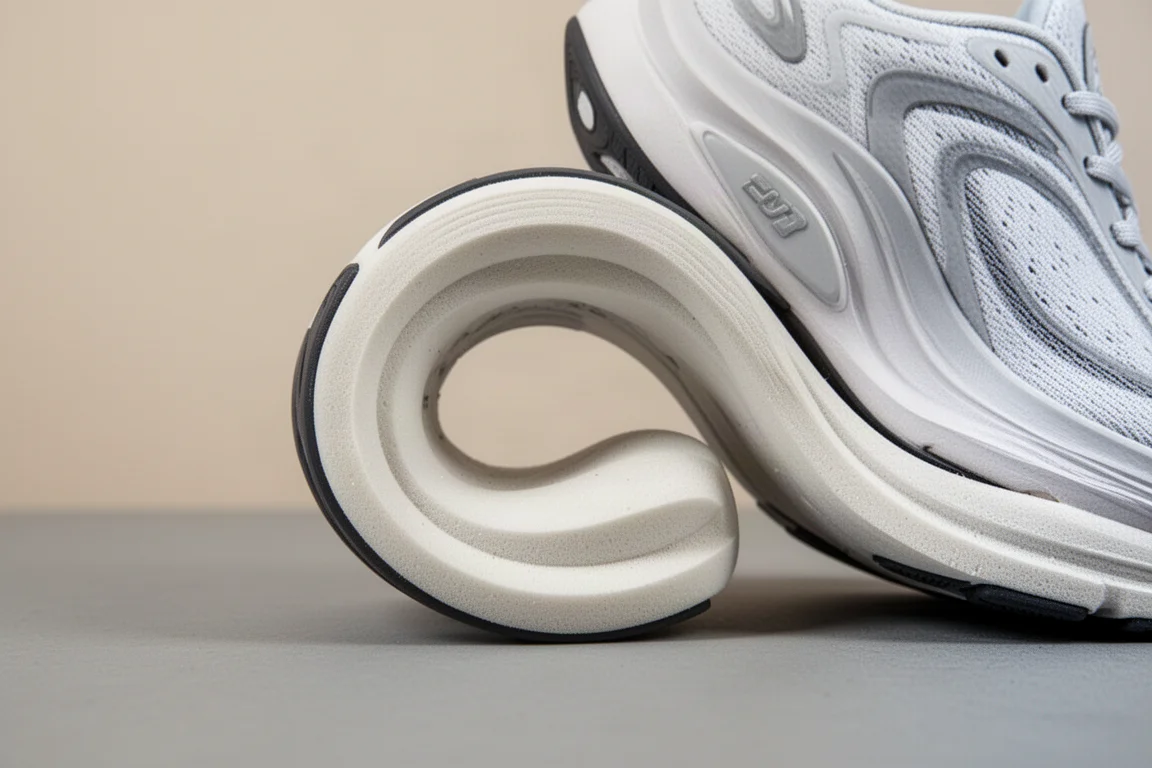
Out on the run, the Shift offers almost no ground contact feel at all, while the Triumph gives you a bit more sensation through the forefoot. The Triumph is also the more flexible platform because of its softer foam: in a bend test the Triumph bends all the way back, while the Shift gets stuck at roughly a 45-degree angle thanks to its thick, rigid stack of PWRRUN.
Upper, Fit, and Stability
The toe box of the Triumph is wider than the toe box of the Shift, but the midfoot of the Shift is wider than the midfoot of the Triumph. This is a quirk of the Triumph’s last, which tapers down noticeably in the midfoot and is narrower than a lot of other Saucony shoes. The Shift offers a nicely fitting wider heel and midfoot, but its front end runs a bit snug, like the rest of the Endorphin series, which is geared toward a fast race-day sensation.
At the heel, both have relatively padded heel collars and a decent amount of structure. The Shift adds a plastic heel clip, while the Triumph relies on a very puffy stack of PWRRUN+ foam. The result: the Shift’s wider base and heel clip give solid, planted, stable landings in any contact situation, while the Triumph’s heel can feel a bit squirrely because it is narrower and sits on softer, less resilient foam.
Durability and Outsole
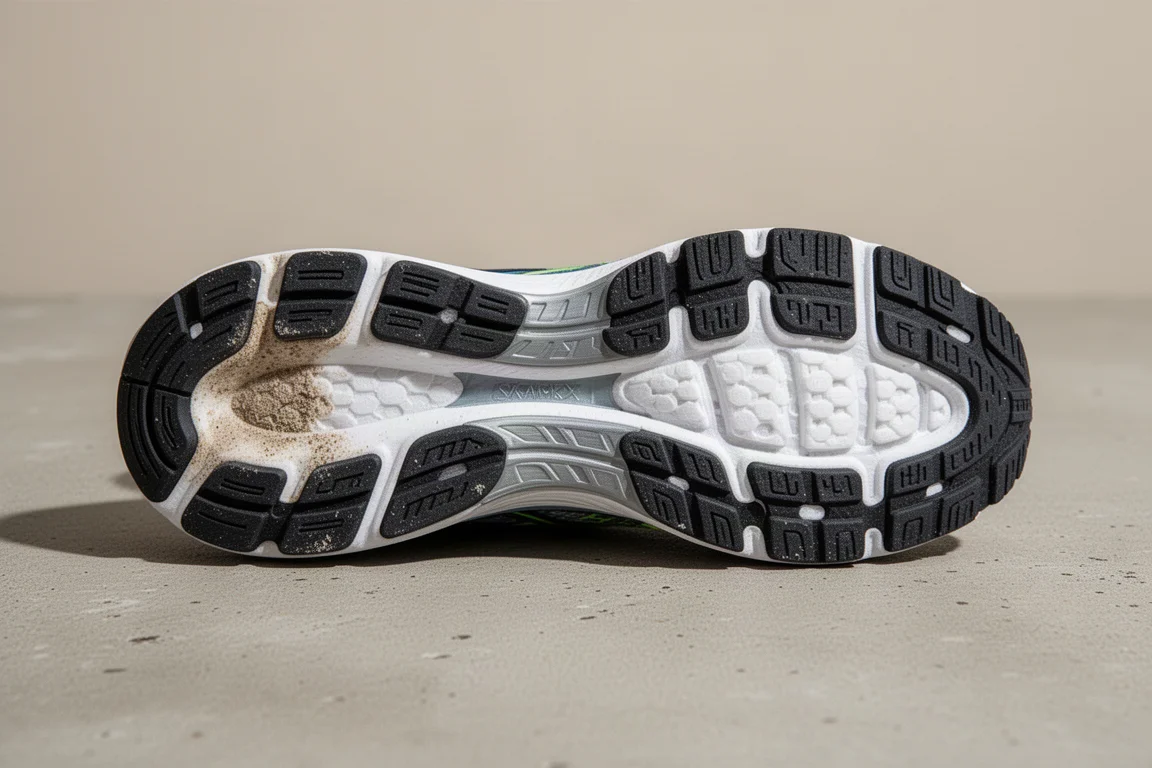
The Triumph has more XT-900 rubber coverage, with the whole forefoot covered and some cutouts to save weight. The Shift uses more strategically placed rubber. Both shoes showed wear through the lateral heel rubber at around 300 miles. For most runners, both should last about 300 to 400 miles, possibly more if you are efficient, and heel strikers can absolutely get more miles out of the Triumph thanks to its thick rubber coating up front, with the lateral heel being the key area of weakness.
How They Ride
The Shift is firmer underfoot, delivers gentle rolling transitions through the rocker, and feels solid, stable, and steady at any pace, with more energy return and feedback when you put out power. It works well as an everyday trainer. The Triumph is bouncier, softer, and squishier: less suited to picking up the pace or strides, and better reserved for recovery runs and long easy efforts. Its soft foam can produce a quicksand feeling where you sink a little on each step, which is common in max cushion soft shoes.
Which One Should You Buy?
The Shift 3 is the recommended daily trainer for runners who are bigger or taller, or who prefer a firmer, more supportive platform for everyday runs. Just note that the last is a bit narrow up front, so runners with wide feet may want to look elsewhere for a max cushion shoe.
The Triumph 20 is a great option if you already own a firmer daily trainer, such as the Nike Pegasus, the Saucony Ride, or the Adizero SL, and want something softer for recovery runs and long runs. It is not recommended as an everyday shoe because it is so soft, and rotating between firmer and softer shoes tends to work best.
On value, the Shift 3 at $150 is actually a slight discount, since most max cushion cruisers this year are priced at $160. The Triumph 20 is on sale for $120, a great buy, and since the Triumph 21 only changed the upper, the 20 represents real value. If you want better heel lockdown and more stability through the back of the platform, the Triumph 21 is available at its $160 full price.
Conclusion
Both shoes earn their place in a rotation: the Endorphin Shift 3 as a firm, stable, rockered daily trainer, and the Triumph 20 as a soft, bouncy companion for recovery days and long runs. Pick based on the gap you need to fill.
Further reading
Related Reviews

Running Shoes
Best Road-to-Trail Running Shoes: Three Versatile Options for Mixed Terrain
A practical guide to three road-to-trail running shoes that handle both pavement and mild trails, with clear strengths and trade-offs for different runner types.

Running Shoes
Best Running Shoes for Achilles Tendonitis: Three Options Explained
Three running shoes with different heel drops and support features designed to help reduce Achilles tendon pain during walking and running.

Running Shoes
Best Running Shoes for Women: Five Top Choices Ranked
A ranked guide to five women's running shoes, from versatile daily trainers to high-performance racing options, with real strengths and trade-offs for each.