Running Shoes
Saucony Endorphin Shift 3 Review: A Surprising Daily Cruiser with Big Cushion
Saucony's Endorphin Shift 3 turns out to be far more versatile than its recovery-shoe reputation suggests, with a smooth roll, stable ride and premium comfort.
Introduction
The Endorphin Shift has always carried a reputation as the slow, recovery-day shoe in Saucony’s Endorphin line, sitting behind the Speed and the Pro for faster work. The Shift 3 completely changes that view. It turns out to be a smooth, comfortable daily trainer that handles easy runs and long miles far better than expected, and it earns its place as a shoe that does a lot of things quite well.
First Impressions and Specs
In a UK size 11 / US size 12, the Shift 3 weighs 309 grams or 10.9 ounces. The heel stack measures approximately 42 millimeters, with around six millimeters of that coming from the eTPU insole Saucony includes. The midsole is made of PWRRUN foam, and the measurements on Saucony’s site list 39 millimeters in the heel and 35 in the forefoot, giving roughly a 4 millimeter drop.
The interesting part is that eTPU PWRRUN+ insole layer. It has a compressive, energetic feel underfoot and appears to be Saucony’s way of giving the durable EVA midsole a new lease of life. This approach of layering foam under the insole is something Saucony has experimented with before, and it works nicely here.
Upper: Comfortable but Heavy When Wet
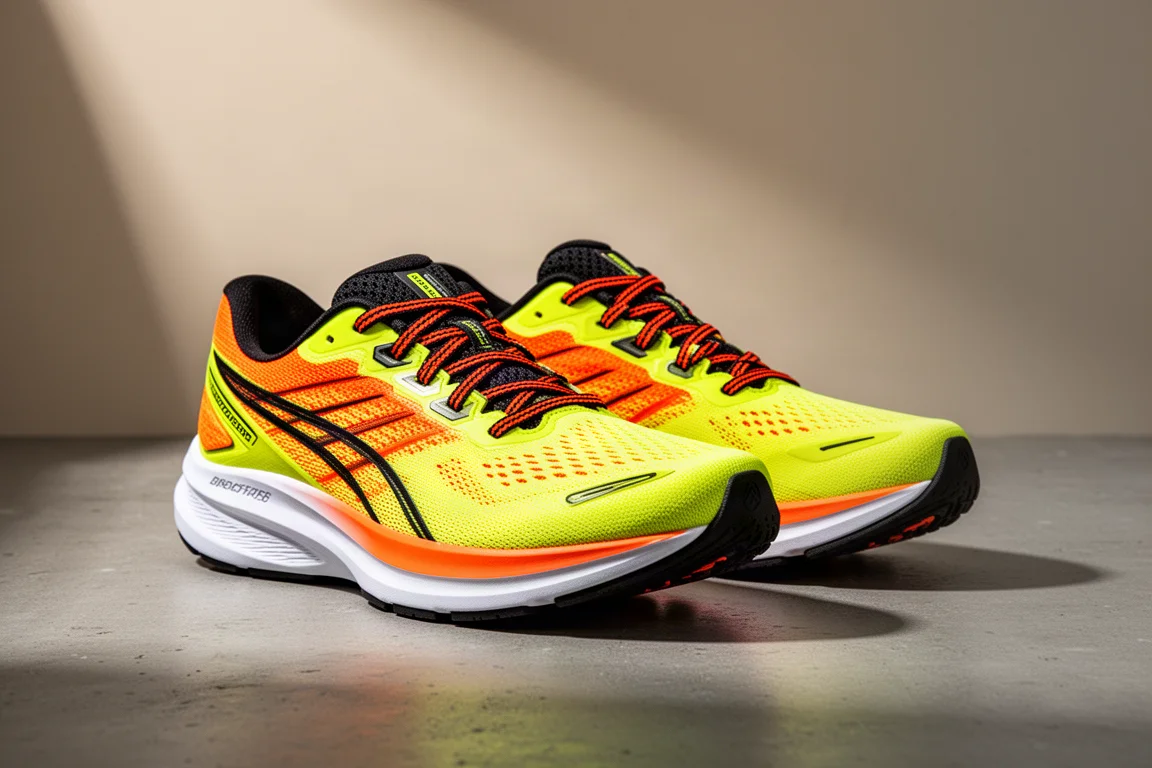
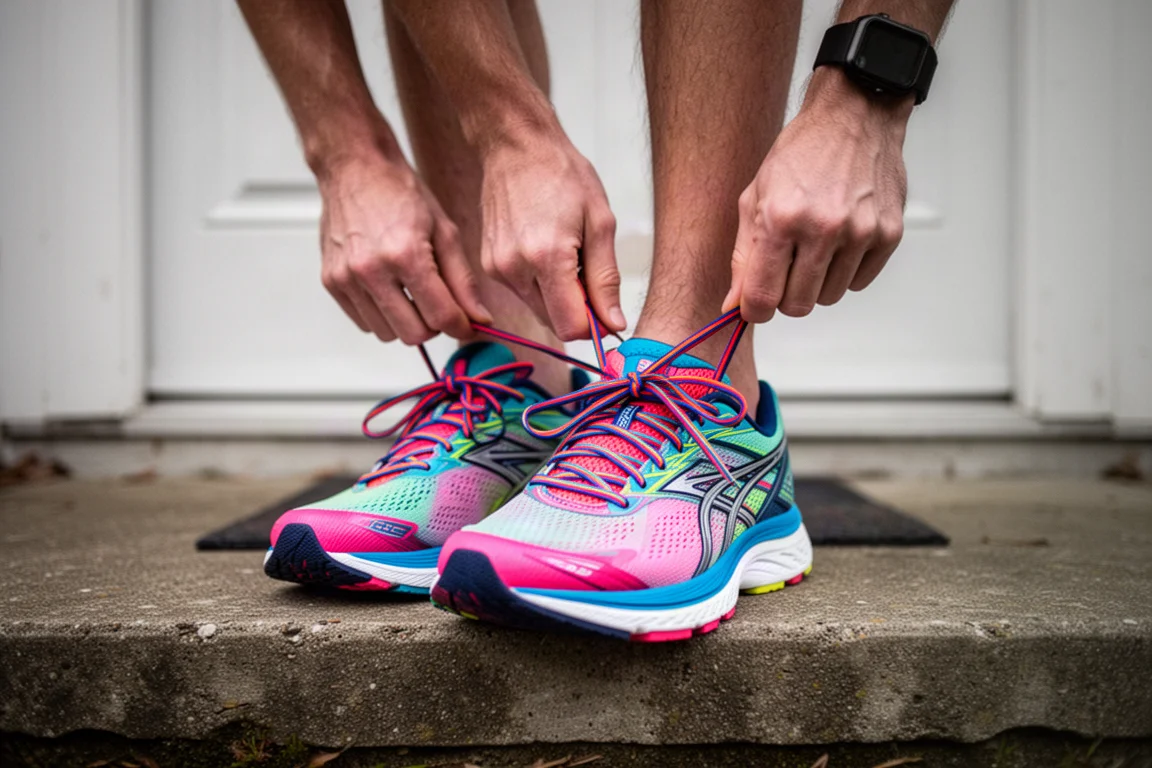
The mesh on the Shift 3 feels closer to the original Endorphin Speed than to previous Shift models. The odd tube-like rainbow-colored laces add a splash of color to the Vizi Pro colorway, and there is a generous amount of reflective material throughout, which makes the shoe well suited to early morning or evening running in low light.
There is plenty of padding through the tongue, which relieves the tension from those slightly odd laces, and the gusseted design creates a two-layer upper feel. The heel has a considerable counter with a lot of padding, plus a suede-like patch just behind the pull tab. The pull tab itself sits flush against the heel rather than protruding, which is a nice touch.

Two things to watch: the padded heel section absorbs water like a sponge, adding noticeable weight in wet conditions, and the light-colored mesh stains quickly in muddy winter weather. After roughly 10 miles or 16 kilometers, grime already looks well embedded. On the plus side, the upper is not overly generous, so there is less need to cinch it in compared to the Speed 3 or Pro 3, and it has a comfortable trainer-like feel. The tongue padding rides up around the ankle just enough to relieve pressure. Swapping the laces for something more standard is an easy customization if the tube laces are not to your taste.
Midsole: Smooth, Stable and Not What You Expect
The ride is very different from what the Shift’s reputation suggests. PWRRUN foam paired with the Speedroll geometry delivers a smooth, rolling action that is more forgiving than the Glide Ride 2 and closer to what the Glide Ride 3 offers. There is no plate of any sort here; the denser, firmer-yet-forgiving foam provides the rigidity the geometry needs.
At easy paces around 8:15 per mile (about 5:10 per kilometer), the shoe presents a stable yet cushioned ride that does not feel overly guided. Oddly, it does not feel like there is a massive slab of foam under the foot. The foam wraps up around the sides, particularly in the heel, so the foot sits lower than the raw stack suggests, much like many super trainers and plated shoes.
For runners who want a hint of stability without it being in your face, this is a strong option. It is not a true stability shoe, but the foam cut-up and medial outsole rubber give a controlled, stable feeling in the heel, somewhat reminiscent of a guided neutral trainer. Do not expect the deep squish of the bounciest super foams; this feels firmer and more controlled. The ride really hits its stride around 7:30 per mile (about 4:40 per kilometer) in an easy aerobic zone, which makes it far more versatile than a pure recovery shoe.
The only caveats: it softens noticeably toward the bottom of the midsole, and it is not a shoe for fast intervals or tempo work. There is also a slight question mark over how the midsole and that PWRRUN+ insole hold up over high mileage, since the insole plays an important part in the underfoot feel.
Outsole: Grippy in Grim Conditions
The outsole uses XT-900 rubber, but there is not a huge amount of it. Saucony relies on exposed midsole foam in places for extra traction, with the rubber lugs slightly deeper than the foam sections rather than sitting flush. There is extra rubber around the medial side, adding to those stability hints.
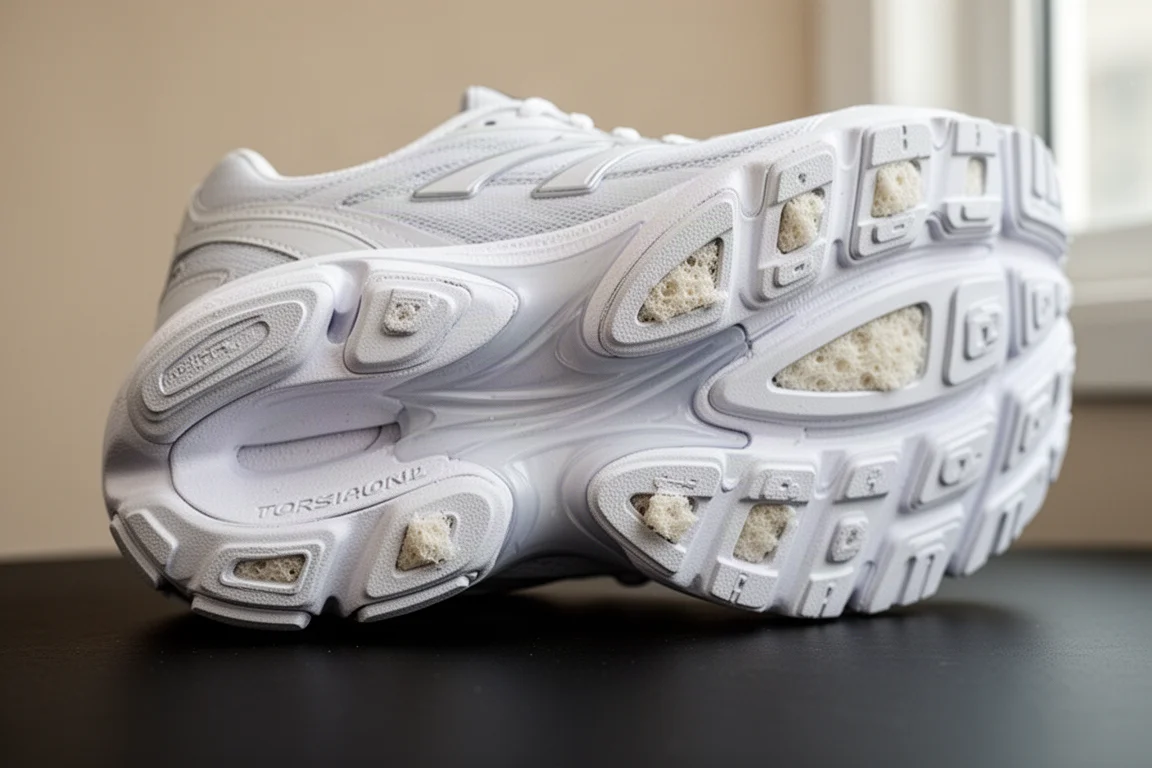
Does it work? Yes. Even on slippery autumn surfaces covered in slushy yellow leaves and hidden mud patches, there were no issues during initial runs. It performs equally well in dry or wet conditions on roads and pavements, and Saucony’s outsole rubber has a strong reputation for durability. The main long-term question is how the exposed EVA wears down over time. One design quirk: a channel running from the midfoot back to the heel acts as a magnet for debris and needs regular cleaning.
Value and Buying Advice
The Shift 3 retails at £140 in the UK, which is above the typical £100 to £120 price of many daily trainers. That higher price may put some people off, but it covers more bases than most shoes in this bracket. It is more versatile than the Velocity Nitro 2 from Puma and the Pegasus from Nike, and it offers a far nicer ride than the Adistar from Adidas.

This is the shoe for runners in a marathon or half marathon training block who want a comfortable, rolling long-run option that can double as an easy-day shoe. If you want subtle stability elements woven into a neutral ride, it delivers. If you are chasing fast 5K intervals, look elsewhere; this is not aimed at that use. It sits closer in character to a Glide Ride or some Hoka daily trainers, though it feels more comfortable and like there is a bit more shoe underfoot. Build quality is excellent, with no glue marks, hanging threads or poorly punched eyelets straight out of the box.
Conclusion
The Saucony Endorphin Shift 3 is a genuine surprise: a shoe once pigeonholed as a recovery trainer that turns out to be a smooth, stable and comfortable daily workhorse. With a score of 10.6 out of 12 after initial runs, it is well worth considering for easy runs and long miles, provided you accept the higher price, the wet-weather weight gain and the limited fast-pace use case.
Product link
View more details for Saucony Endorphin Shift 3
This product is mentioned in the review. Check the specifications, options, and compatibility before buying.
View more details for Saucony Endorphin Shift 3Further reading
Related Reviews

Running Shoes
Best Road-to-Trail Running Shoes: Three Versatile Options for Mixed Terrain
A practical guide to three road-to-trail running shoes that handle both pavement and mild trails, with clear strengths and trade-offs for different runner types.

Running Shoes
Best Running Shoes for Achilles Tendonitis: Three Options Explained
Three running shoes with different heel drops and support features designed to help reduce Achilles tendon pain during walking and running.

Running Shoes
Best Running Shoes for Women: Five Top Choices Ranked
A ranked guide to five women's running shoes, from versatile daily trainers to high-performance racing options, with real strengths and trade-offs for each.