Trail Running Shoes
Saucony Endorphin Rift First Run Review: A Speed-Focused Trail Shoe With Trade-Offs
The Endorphin Rift brings PWRRUN PB foam and a Speed Roll rocker to the trails, but its price and overlap with Saucony's own range raise fair questions.
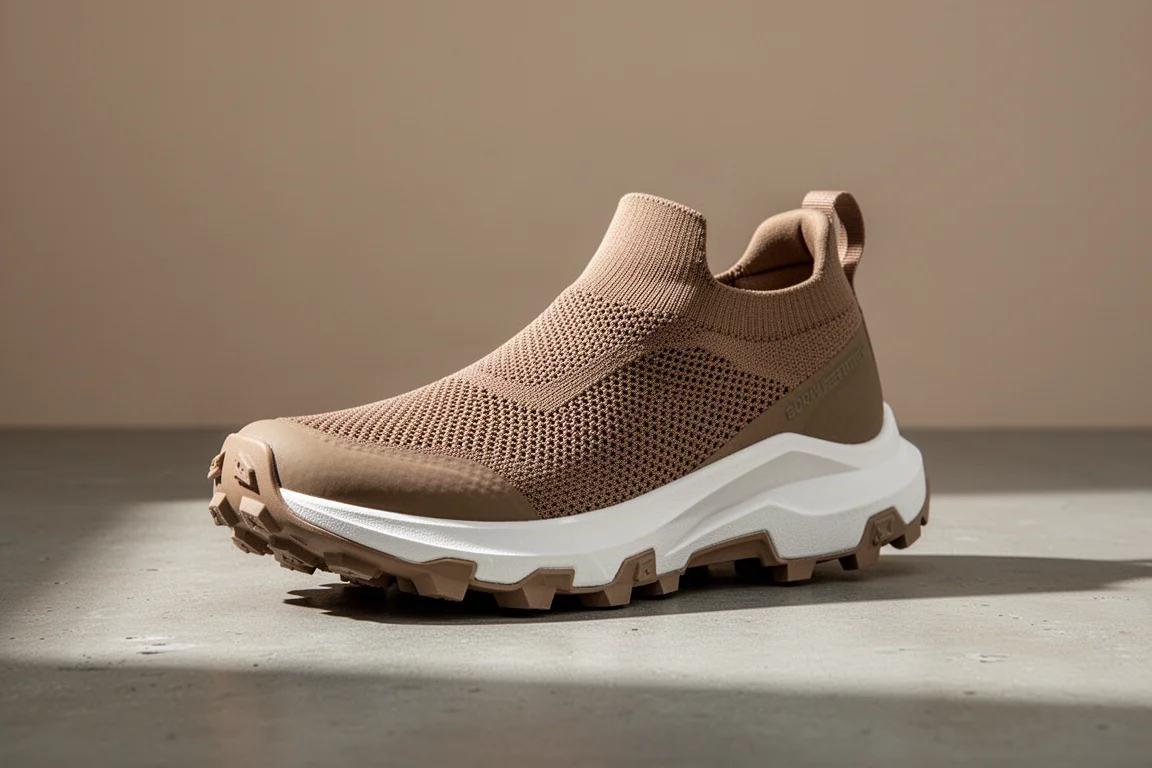
Introduction
The Endorphin Rift is a new addition to Saucony’s Endorphin range, positioned as the trail version of the Endorphin Speed. It sits below the carbon-plated Endorphin Edge in the lineup, and while it skips the carbon plate, it keeps the same speed-focused brief that defines the road shoes in the family. That promise, combined with a high price tag, makes it a shoe worth examining carefully before buying.
What the Endorphin Rift Is Designed to Be
Saucony bills the Rift as a speed-focused trail shoe, built around the same midsole formula as the Endorphin Speed and Endorphin Pro: PEBAX-based PWRRUN PB foam paired with a Speed Roll rocker for a fluid, rolling ride. In UK size 9 it weighs 281 g (9.9 oz), which is respectable for a shoe with such extensive lugs. The geometry is a 6 mm drop with a 33 mm heel and 27 mm forefoot stack.
Instead of a carbon plate, the Rift uses a woven rock plate under the forefoot, visible through the gaps in the outsole. It should offer protection while keeping the shoe more flexible than a plated racer.

The upper is a sock-like, stretchy mesh with no traditional tongue, generous padding, and a roomy feel. At the rear, an extra layer of material creates a cradle fit, and a high collar with an extensive internal heel counter keeps the heel stable. There is a pull tab and a lace garage for tidy storage.
Fit and Comfort
In testing at normal size, the fit offered about a thumb’s width of toe room, plus generous midfoot and forefoot space. That makes it comfortable and a reasonable option for wider feet, though the stretchy upper is not ideal for achieving a really tight lockdown. Some foot movement was noticeable at pace, even after cinching the laces down.
One caution: for a trail shoe it is not the roomiest in the toe box on the run. On even short downhills, a tester’s foot pressed into the front of the shoe with some toe discomfort. The fit also feels slightly tighter and more cramped than the Endorphin Edge. Trying heel-lock adjustments may help prevent forward slip, but worth bearing in mind if you often size conservatively.
Outsole and Grip
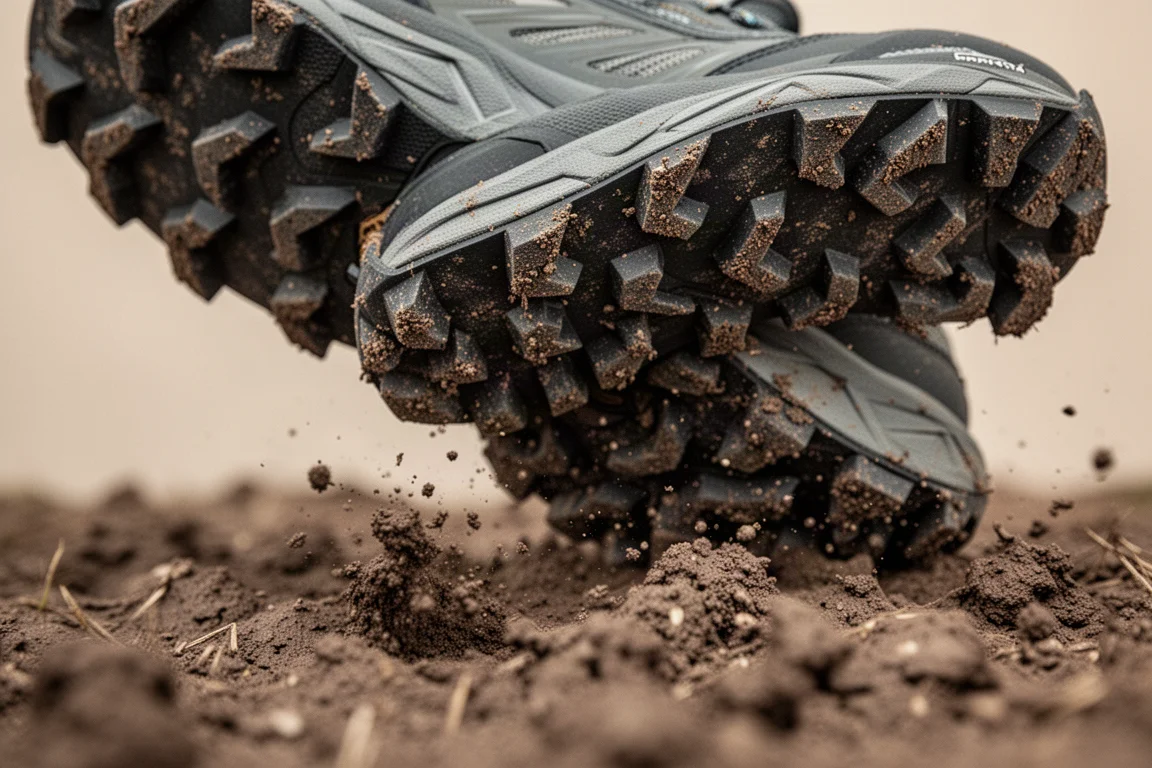
The PWRTRAC outsole carries 4.5 mm lugs, which are substantial for a speed-focused shoe. They bite well into soft ground and mud, and grip on easier terrain feels comparable to the Saucony Peregrine range. On dry forest trails the lugs never felt long or sketchy.
The trade-off is weight. The big outsole adds heft and slightly dilutes the speed and fun of the shoe. A shorter lug could have made it lighter and more distinctly quick, though at the cost of soft-ground versatility.
How It Feels on the Run
On a steady five-mile run mixing grass, forest paths, and a little single track, the Rift felt fluid and comfortable. The PWRRUN PB midsole is noticeably soft, which is a bonus on harder ground and even on short road sections. The Speed Roll rocker ticks you along nicely at a cruising pace, and there is enough bounce to encourage picking the pace up.
On softer ground the ride becomes a bit more sluggish, as is typical for a trail shoe with a softer midsole, but the relatively light feel keeps it from being a real problem. Hilly sections were handled without issue on dry trails.

How It Compares Within the Saucony Range
This is where things get tricky. The Rift is expensive at £180 in the UK and $170 in the US, more than the road-focused Endorphin Speed, and Saucony already offers several strong trail shoes with overlapping roles:
- Endorphin Edge: The carbon-plated trail racer, often cheaper because it is slightly older, with a higher stack and a bit more pop from its plate. It also feels slightly lighter in use.
- Exodus Ultra 2: Cheaper, with a PWRRUN PB core in a PWRRUN frame, so less bouncy but still a good cruising shoe for similar training runs.
- Peregrine: A solid all-round trail shoe, slightly less lively underfoot, but capable across the same kind of terrain.
The honest concern is that the Rift does not yet clearly stand out from this crowd. It is a very good, comfortable, versatile shoe, but whether it justifies its premium over the Edge or Exodus Ultra 2 depends on what longer, faster runs reveal.
Should You Buy the Endorphin Rift?
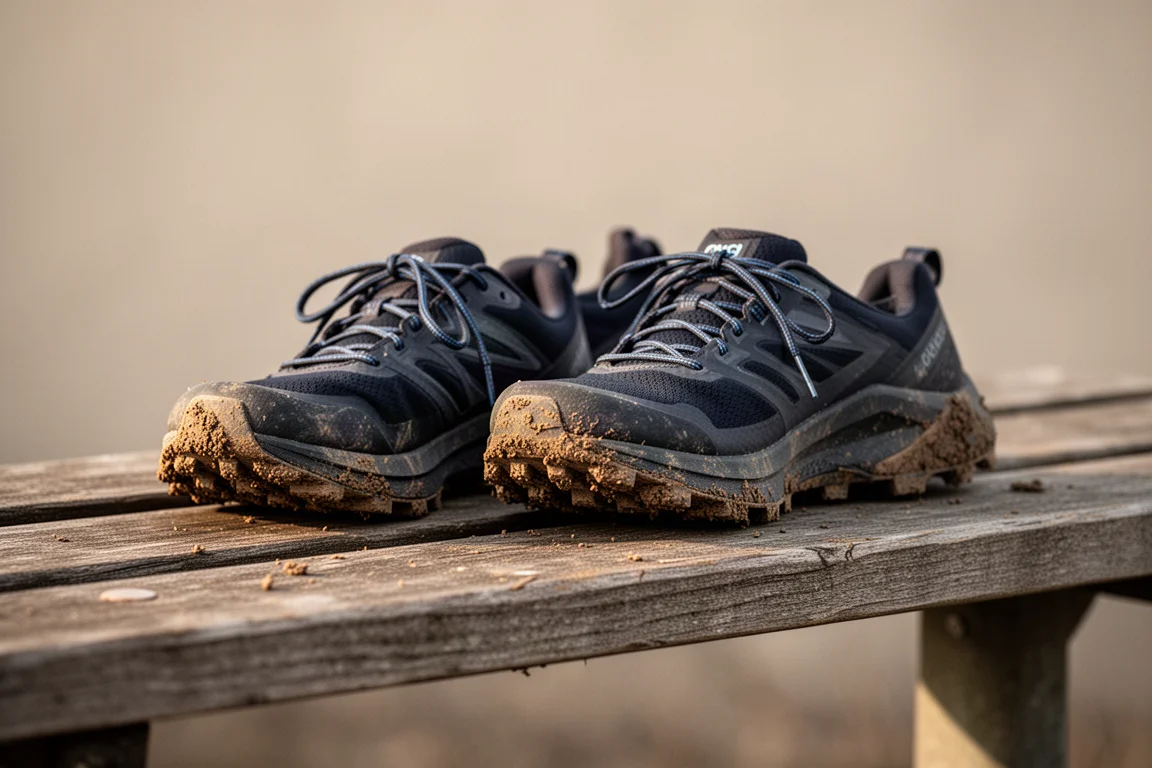
If you want one trail shoe that can handle hard-packed ground, softer trails, and even a bit of road, the Rift does that job very well. It is comfortable, roomy, stable at the heel, and pleasant to run in across varied terrain.
If you are chasing a genuinely fast trail racing shoe, or you want maximum value, the Endorphin Edge or Exodus Ultra 2 may be smarter picks, particularly while the Edge often sells for less. The Rift earns its price only if its lighter, more flexible ride proves meaningfully better for you over longer and faster runs.
Conclusion
The Saucony Endorphin Rift is an enjoyable, comfortable, versatile trail shoe with excellent cushioning and a smooth rolling ride. Its weak points are a stretchy upper that resists a firm lockdown, a fit that can feel tight over the toes on downhills, and a price that sits awkwardly next to very capable stablemates. As a first impression, it is a likeable shoe with a case to prove.
Product link
View more details for Saucony Endorphin Rift
This product is mentioned in the review. Check the specifications, options, and compatibility before buying.
View more details for Saucony Endorphin RiftFurther reading
Related Reviews
Trail Running Shoes
Adidas Terrex Agravic TT Review: A Technical Trail Shoe Built for Rocky Terrain
The Adidas Terrex Agravic TT combines a full-coverage rock plate with a firmer midsole to deliver protection and stability on technical, rocky trails. A capable choice for runners who prioritize underfoot defense over lightweight cushioning.
Trail Running Shoes
Arc'teryx Sylan Pro Review: A Rocker-Focused Mountain Running Shoe Tested on 20 Miles
The Arc'teryx Sylan Pro brings a pronounced rocker geometry and secure fit to mountain terrain. We tested it on a 20-mile Sawtooth loop to evaluate its climbing efficiency, protection, and handling of technical descents.
Trail Running Shoes
Best All-Mountain Trail Running Shoes: Three Versatile Options for Any Trail
A focused roundup of three all-mountain trail running shoes that handle technical terrain, long distances, and variable conditions with real strengths and practical trade-offs.