Running Shoes
Saucony Endorphin Pro 3 vs Pro 1 and 2: Which Racing Shoe Makes Sense for You
A close look at how the Saucony Endorphin Pro 3 differs from the Pro 1 and 2 in weight, stack height, ride feel, fit, and stability.
Introduction
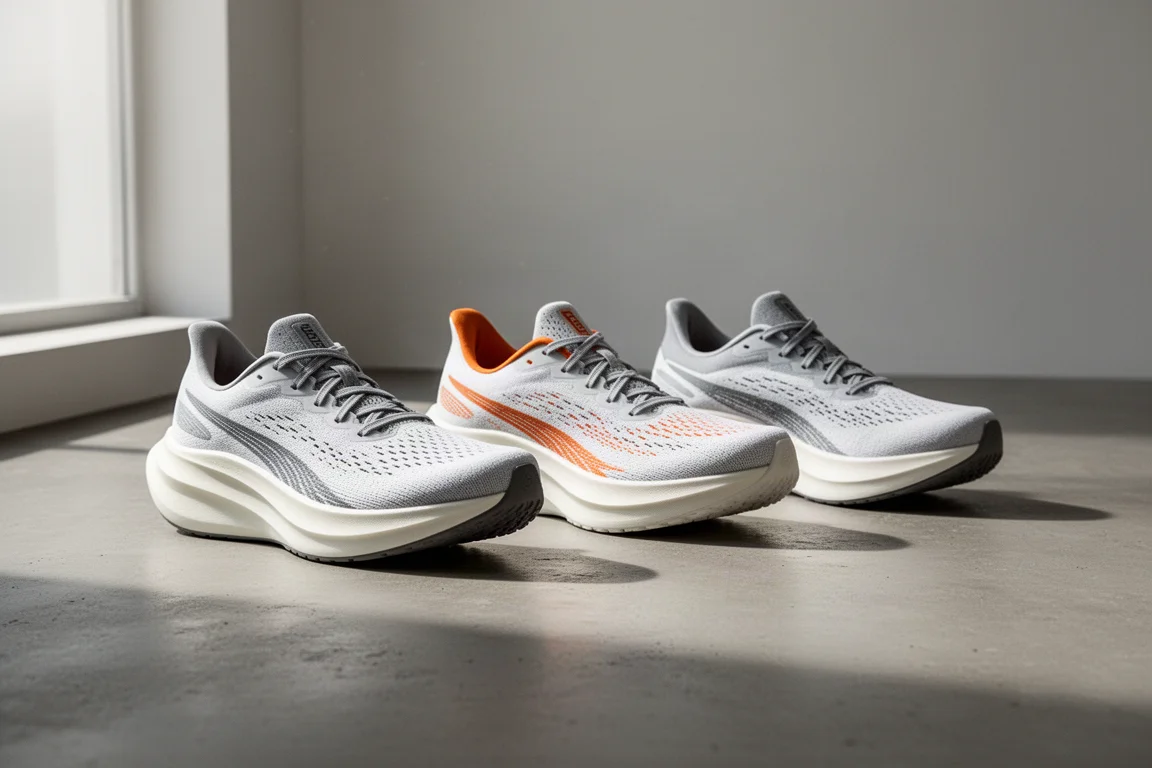
The Saucony Endorphin Pro line has evolved noticeably from its first two versions to the current Pro 3, and the differences are bigger than a simple upper refresh. The Pro 1 and 2 were close siblings, sharing the same midsole setup and differing mainly in minor upper details. The Pro 3, by contrast, changes the formula in almost every meaningful way: it is lighter, sits on a much taller stack, and delivers a far bouncier ride. If you are deciding between the generations, understanding those shifts matters more than any spec sheet number.
What Changed in the Endorphin Pro 3
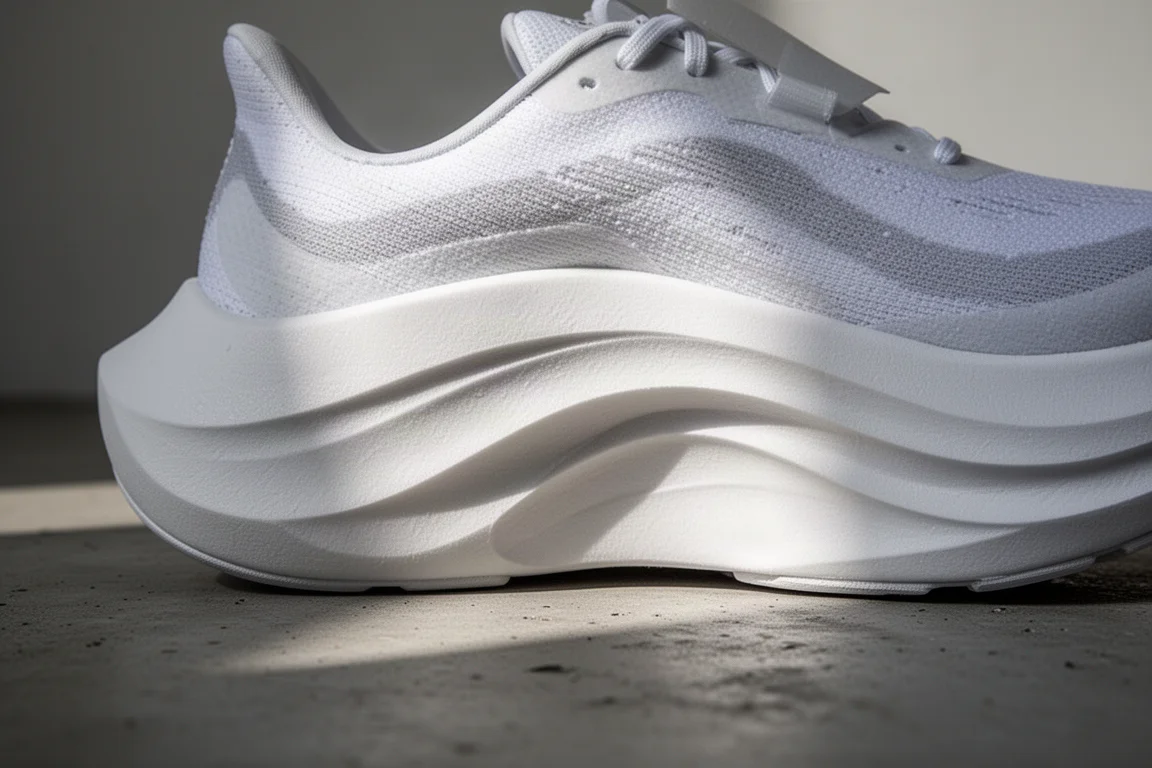
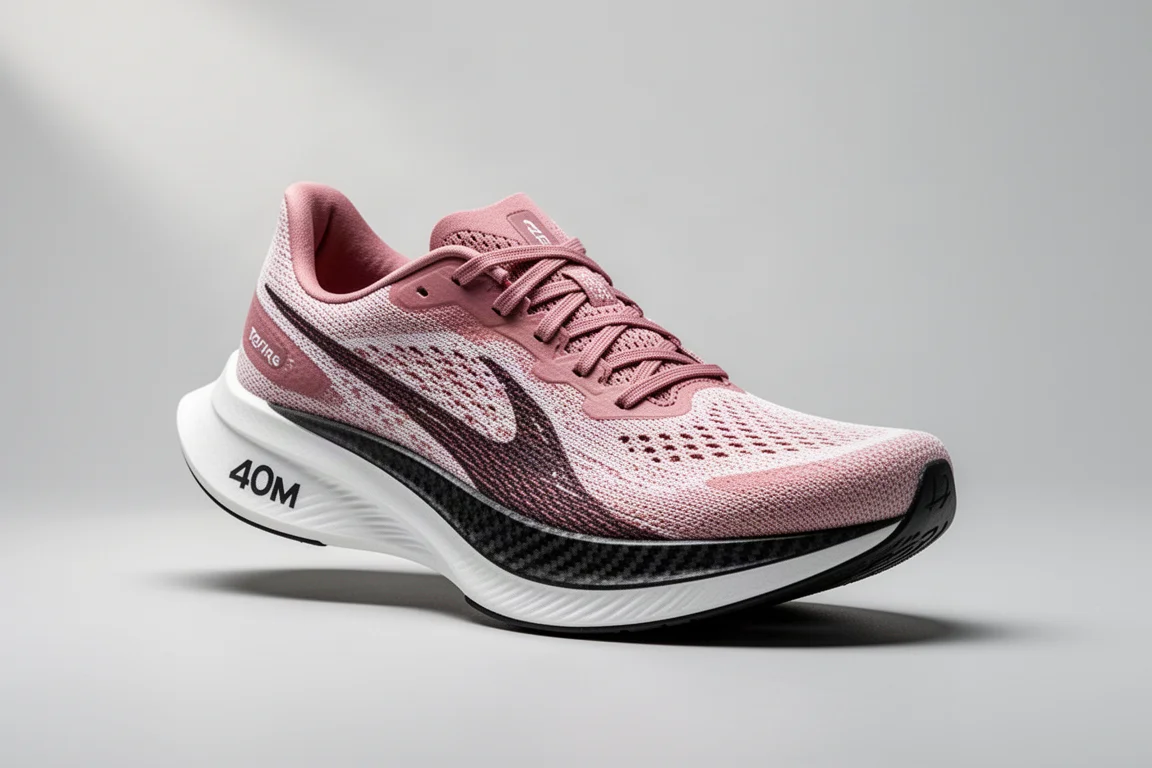
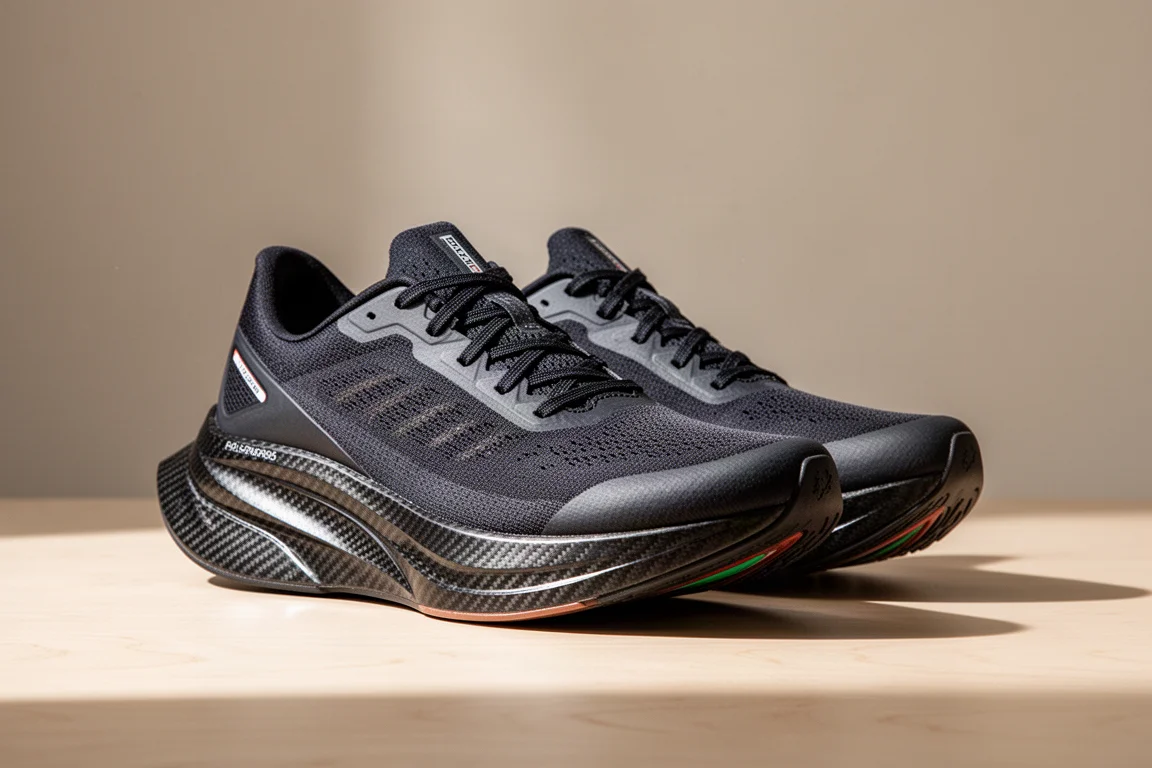
On the scale, the Pro 3 comes in at 7.2 oz versus 7.5 oz for the Pro 1 and 2. The stack height tells the bigger story: the Pro 3 measures 39.5 mm in the heel and 31.5 mm in the forefoot, while the Pro 1 and 2 sat at 35.5 mm and 27.5 mm. Both versions keep an 8 mm drop, but the Pro 3 clearly puts more foam under your foot.
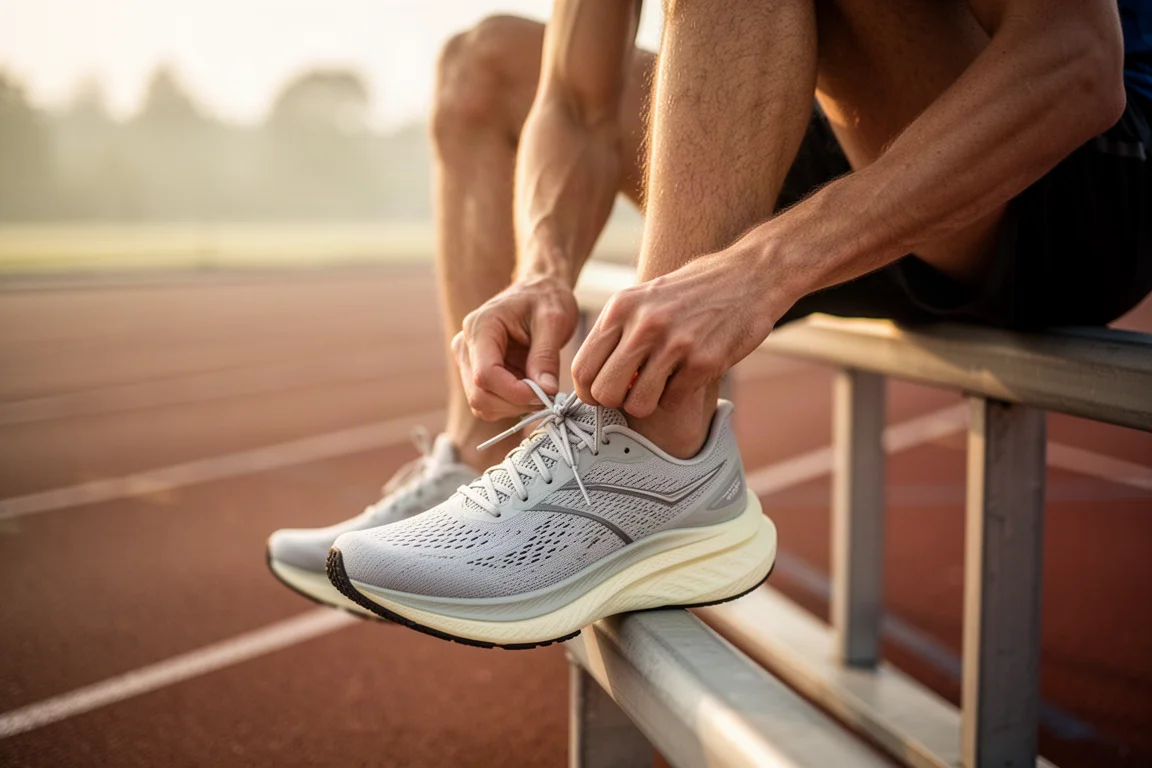
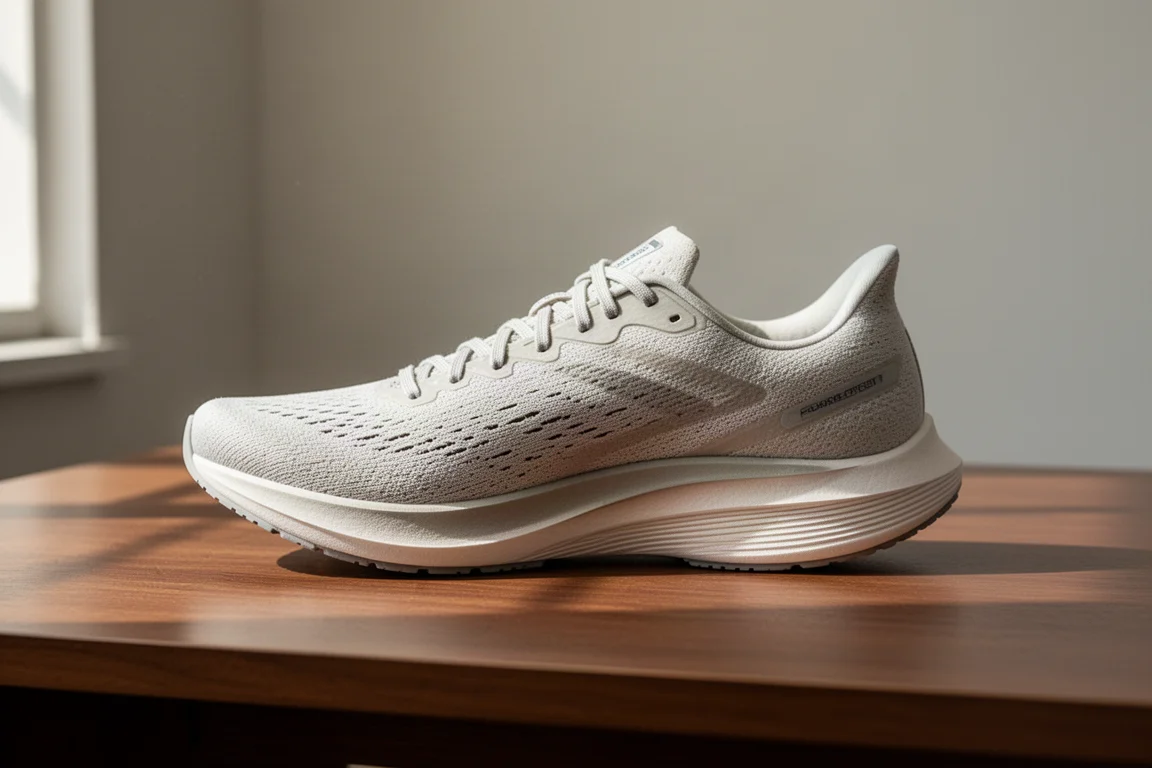
The fit is snug on the Pro 3, but in a still-comfortable way. The Pro 1 and 2 offered a little less structure, while the Pro 3 tightens things up through the midfoot with a small heel counter that improves lockdown without causing hot spots.
Ride and Performance
This is where the generations really split. The Pro 3 feels way softer and noticeably bouncier, driven by more PB foam underfoot, and it does so in a fast, energetic way. The Pro 1 and 2 lean the other direction: a firmer, more rockered ride. Many runners found the older versions excellent from 5K up to the half marathon, but felt the firmness became noticeable beyond that distance.
The Pro 3 covers more ground. It works for a 5K, and it has proven itself on longer efforts up to the marathon, which is why it has become a go-to racing shoe across a variety of distances. The older shoes reward runners who specifically want a strongly rockered feel, while the Pro 3 rewards those who want bounce and speed in one package. One caveat: the Pro 3 is aggressive enough that it is best kept for racing and fast efforts rather than everyday training, whereas the Pro 1 and 2 were forgiving enough to absorb some training miles.
Fit and Stability
Stability is another major point of separation. The Pro 1 and 2 had a noticeably narrower midsole, which some runners found wanted for width in the midfoot. The Pro 3 addresses this directly: the midfoot is filled in and the overall platform is wider, without adding clunk or weight.
The result is a shoe that feels planted and secure at speed while remaining quick on toe-off. If you found the narrower platform of the original versions unsettling during hard efforts, the Pro 3 is a meaningful improvement. If you prefer a snug, locked-in racing fit, the Pro 3 delivers that as well.
Buying Advice
Choosing between generations comes down to how and where you race. If you want one shoe that spans everything from a fast 5K to a full marathon, the Endorphin Pro 3 is the stronger pick thanks to its lighter weight, taller stack, and bouncy yet controlled ride.

If your priorities are a rockered, firmer feel and a shoe that can also take on some training miles, the Pro 1 or Pro 2 still make sense, especially where they remain available. Runners sensitive to midfoot width should favor the Pro 3 for its wider, more filled-in platform.
Conclusion
The Endorphin Pro 3 is the faster, more versatile shoe of the line: lighter, higher stacked, bouncier, more stable, and capable across race distances from 5K to the marathon. The Pro 1 and 2 remain appealing for runners who want a firmer, rockered ride and a shoe tolerant of occasional training miles. For most race-day use, the Pro 3 earns the edge.
Further reading
Related Reviews

Running Shoes
Best Road-to-Trail Running Shoes: Three Versatile Options for Mixed Terrain
A practical guide to three road-to-trail running shoes that handle both pavement and mild trails, with clear strengths and trade-offs for different runner types.

Running Shoes
Best Running Shoes for Achilles Tendonitis: Three Options Explained
Three running shoes with different heel drops and support features designed to help reduce Achilles tendon pain during walking and running.

Running Shoes
Best Running Shoes for Women: Five Top Choices Ranked
A ranked guide to five women's running shoes, from versatile daily trainers to high-performance racing options, with real strengths and trade-offs for each.