Running Shoes
Saucony Endorphin Pro 5 vs Puma Fast-R Nitro Elite 3, Asics Metaspeed Sky Tokyo and Adidas Adios Pro 4
Four top carbon racing shoes compared head to head: ride feel, stability, durability and which one suits your race day.
Introduction
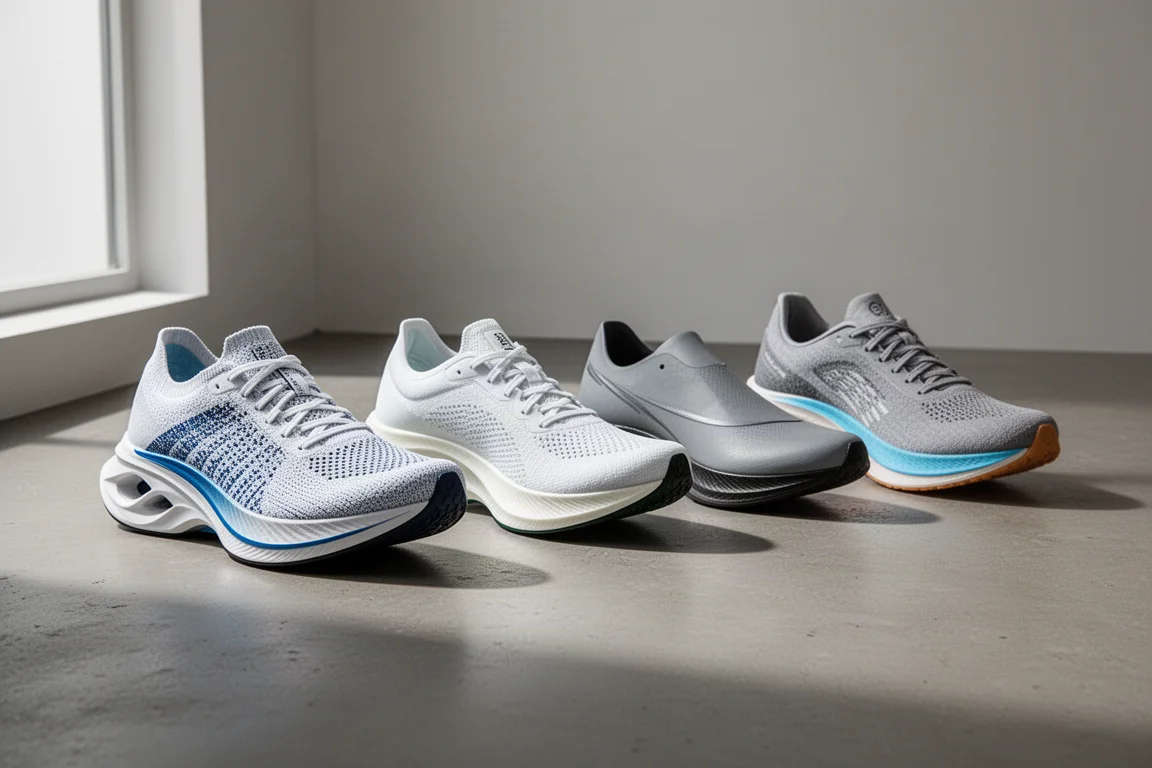
The Saucony Endorphin Pro 5 has landed, and the obvious question every racer is asking is simple: how does it stack up against the shoes it will share start lines with? We compared it directly against three of the strongest rivals in the super shoe category: the Puma Fast-R Nitro Elite 3, the Asics Metaspeed Sky Tokyo, and the now year-old but still beloved Adidas Adios Pro 4.
The headline takeaway is that the Endorphin Pro 5 positions itself as a wider, more stable alternative to the softer and more demanding Endorphin Elite 2. That stability focus shapes almost every comparison below.
How We Compared Them
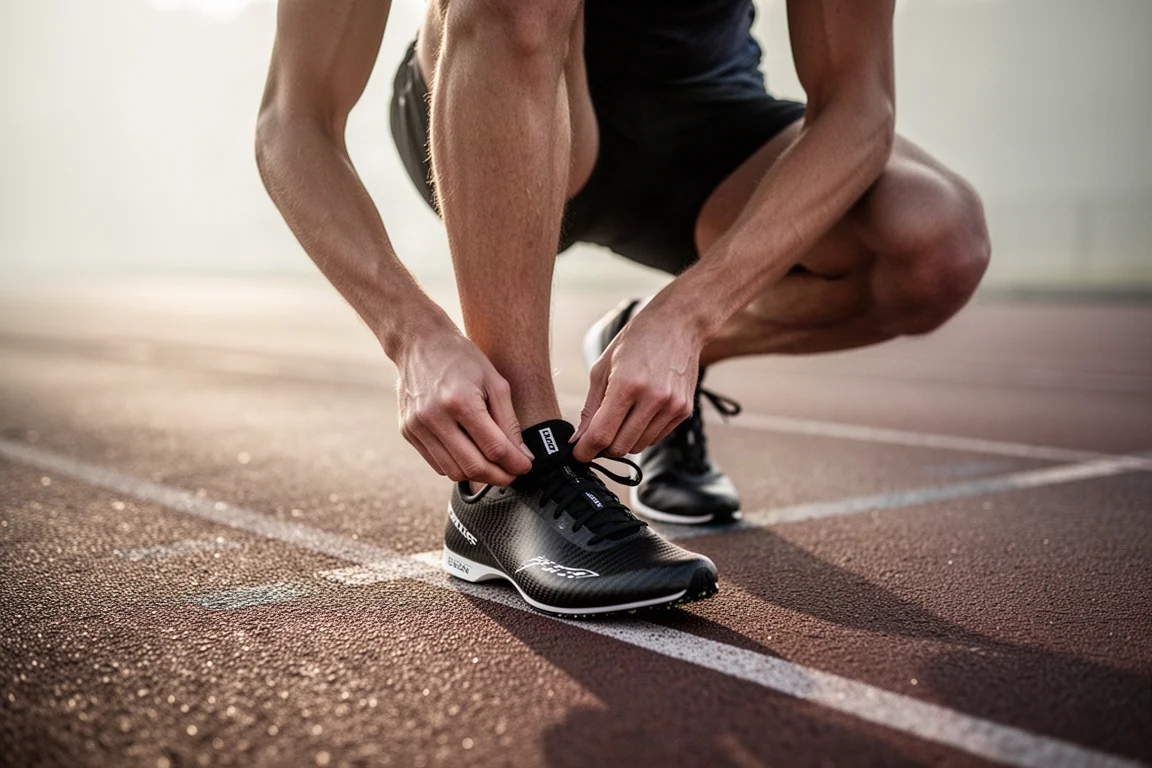
Four things mattered most in this head to head: ride feel, stability, outsole durability and weight. Stack heights come out fairly similar between several of these shoes, but the way each brand uses its foam and plate could not be more different. Some are aggressive and unpredictable, others are smooth and forgiving. Where your race day falls on that spectrum should drive your choice.
Saucony Endorphin Pro 5
Saucony’s newest racer is the widest in the heel of the four by some margin, and that extra landing platform pays off when form starts to break down late in a long race. The foam is a touch more resilient and less squashy than softer rivals, and the PWRRUN PB material stands out as one of the most longevity-friendly foams around: while some super shoe foams start to dull around 100 miles, this one holds onto its properties far longer.
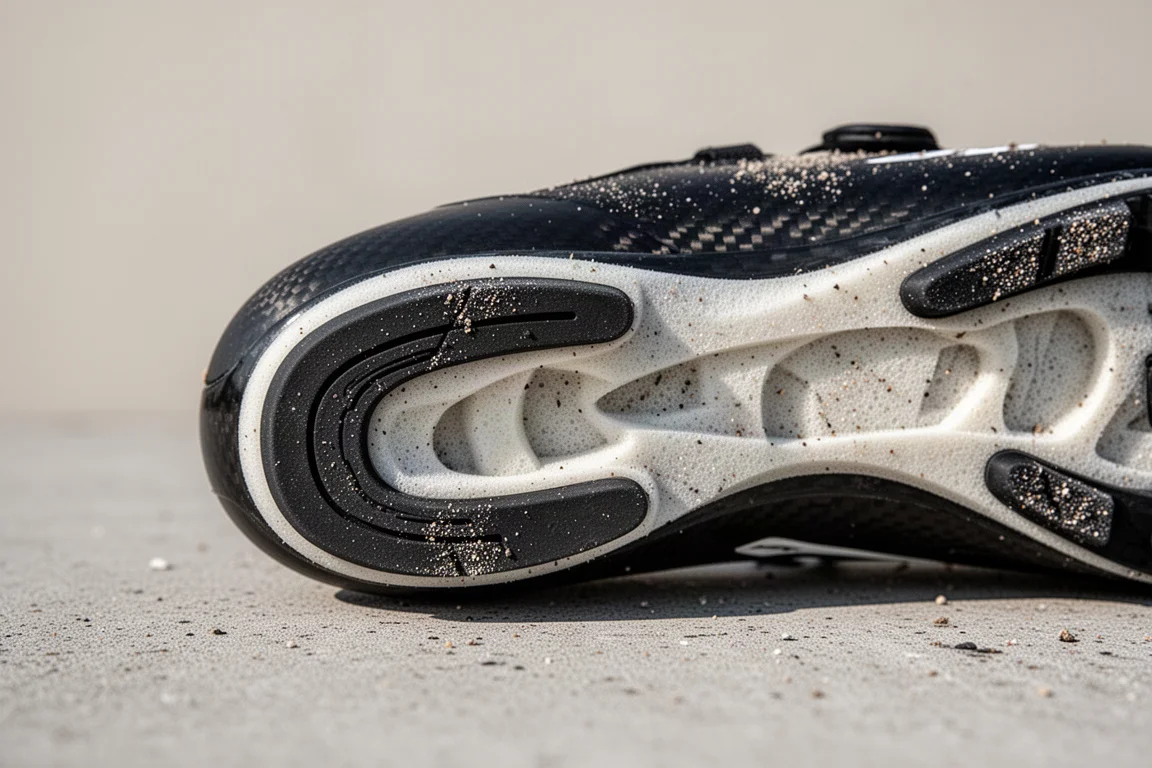
It comes in slightly heavier than the Adios Pro 4, but that is largely because the upper has real structure. Strategically placed overlays around the toe box and proper sidewalls give the foot something to lean on, and the shoe is far more forgiving with lace tension than its rivals. The outsole carries a generous amount of heel rubber and a full PowerTrac-style grip surface, a big upgrade over previous versions, and it beats both the Puma and the Asics decisively on traction across varied surfaces.
Against the Fast-R Nitro Elite 3 the Pro 5 is the more traditional, smoother ride: less aggressive, but much more durable, more stable, and easily capable of half or full marathon duty. It is not the wildest shoe here, and some may find the extended carbon plate off-putting at first, though in practice it never feels odd underfoot. For most runners, it is the safer and longer-lasting pick.
Puma Fast-R Nitro Elite 3
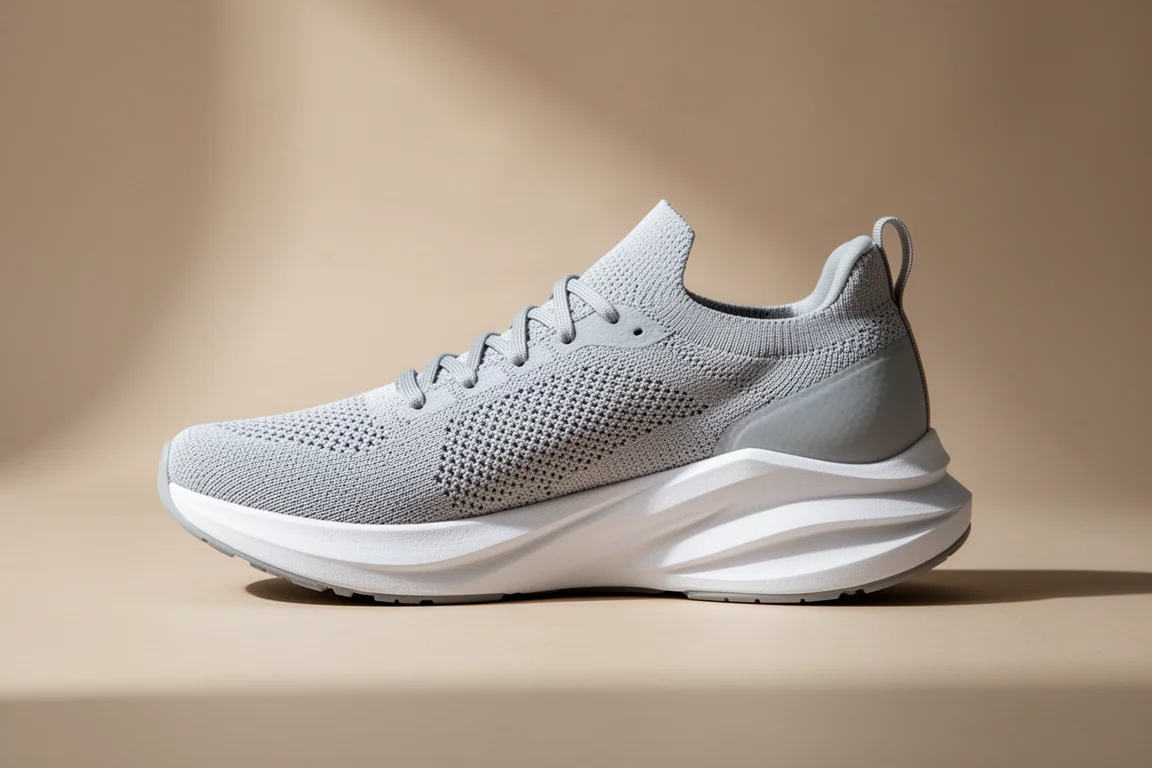
Puma’s racer is the aggressive outlier of the group. The magic, if there is any, is not mysterious: Puma carved out a huge amount of midsole foam to strip weight, and that minimal approach is what makes it so light. The stack is similar to the Endorphin Pro 5 on paper, but the carved-out midsole and extended plate make for a very aggressive, very niche ride with plenty of energy return.
The trade-offs are significant. The low-profile heel rubber takes a pounding quickly, the foam starts to rip, and durability is a genuine concern. Availability is also bewilderingly limited: pairs sell out in seconds, especially in typical men’s sizing, which puts a lot of people off entirely. It is a shoe for top-level club runners chasing a podium, and even then, only if you can actually get hold of one.
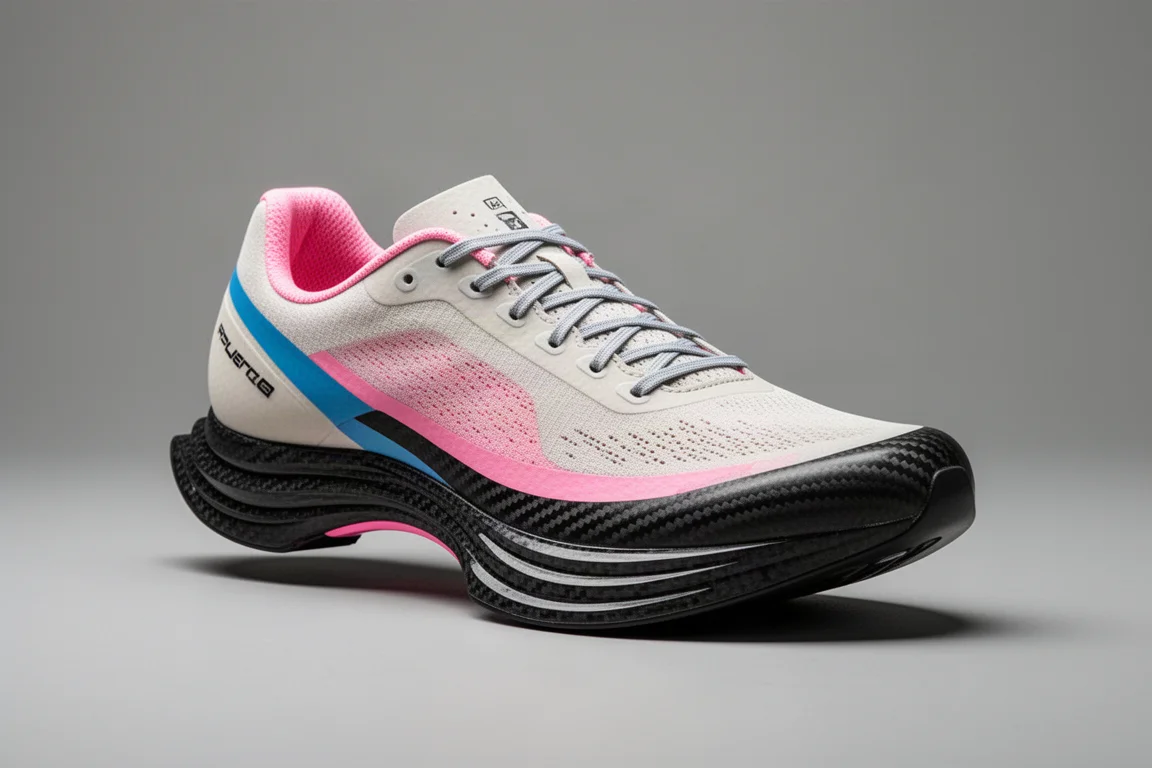
Asics Metaspeed Sky Tokyo
The Metaspeed Sky Tokyo is the featherweight of the group, with a significant weight drop versus the Endorphin Pro 5. On foot it almost disappears, and the bouncy Flight Foam material underfoot delivers a wild, trampoline-like ride: very compressive, very squashy, with a flatter plate that engages more as you put more energy into your foot strike. It is exciting, but also somewhat unpredictable and not especially consistent across the foot despite the plate sitting close to it.
That lightness comes at a cost. There are no sidewalls and almost no upper structure, with very thin materials especially on the tongue, so getting the lace tension exactly right is critical. The Endorphin Pro 5 is far more forgiving here. Heel width is also much narrower on the Asics, while the Pro 5 offers far more surface area for landings.
Lighter runners who can hold their form deep into longer races will get the most from this shoe. Heavier-built runners, or anyone whose form deteriorates late in a race, will likely get more out of the Pro 5. Grip is another clear win for the Saucony, with far superior traction on a variety of surfaces.
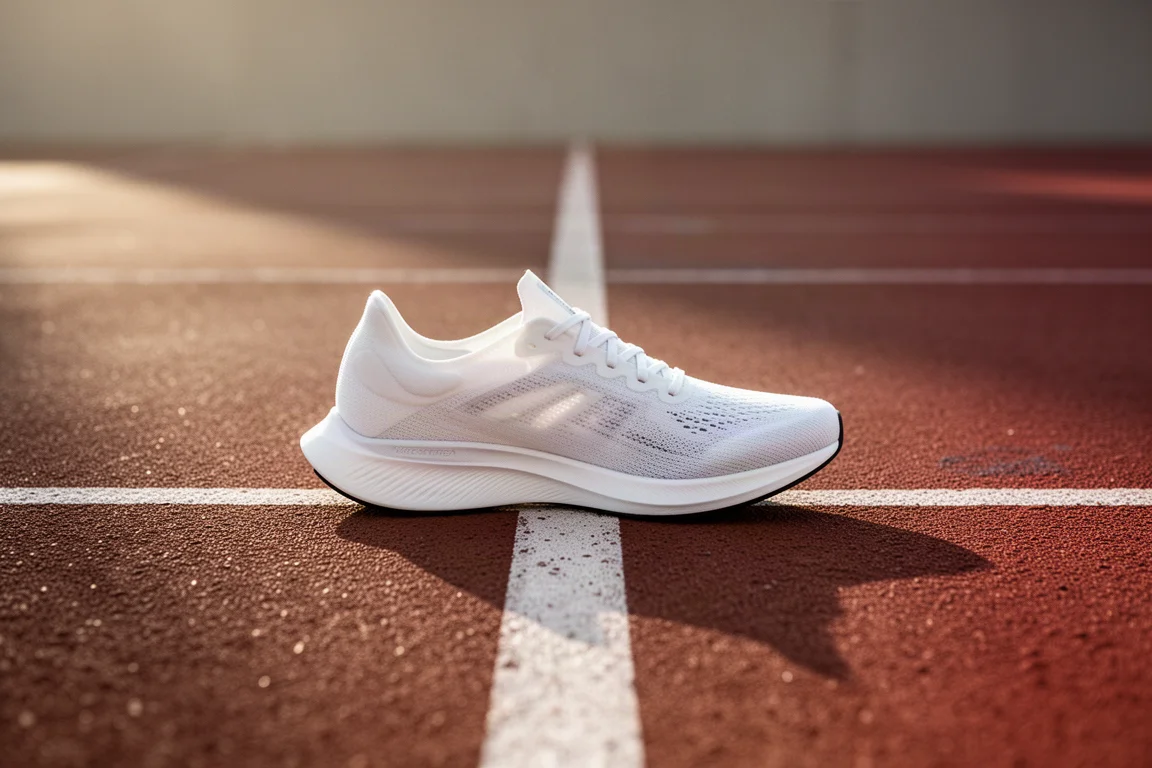
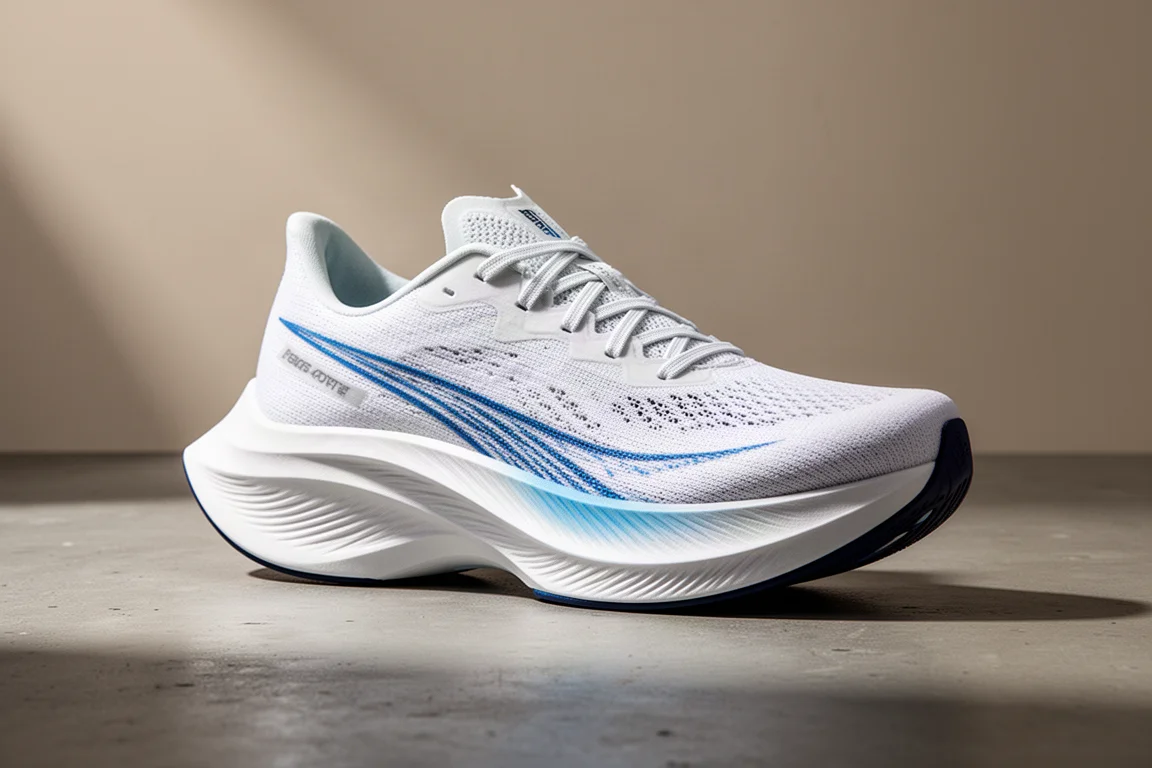
Adidas Adios Pro 4
The Adios Pro 4 is roughly a year old now, still widely loved, and frequently discounted. Its outsole is insanely durable, arguably the best in this entire comparison, with incredible versatility even if it lacks the aggressive ridges and patterns of the Saucony. It is slightly lighter than the Endorphin Pro 5, though not by a huge amount, and it retails a bit cheaper with plenty of discounts floating around.
Its weaknesses are worth knowing before race day. The softer Lightstrike Pro foam dulls quicker over time than its rivals, and durability issues have plagued the shoe, with many reported broken energy rods, likely a consequence of that softer foam allowing too much flex. The ride is very soft, and some runners report knee trouble setting in around the 15 to 16 mile mark. The minimal upper also lacks structure, and some suggest going up half a size, though that risks your foot sliding forward and causing toe problems on marathon day.
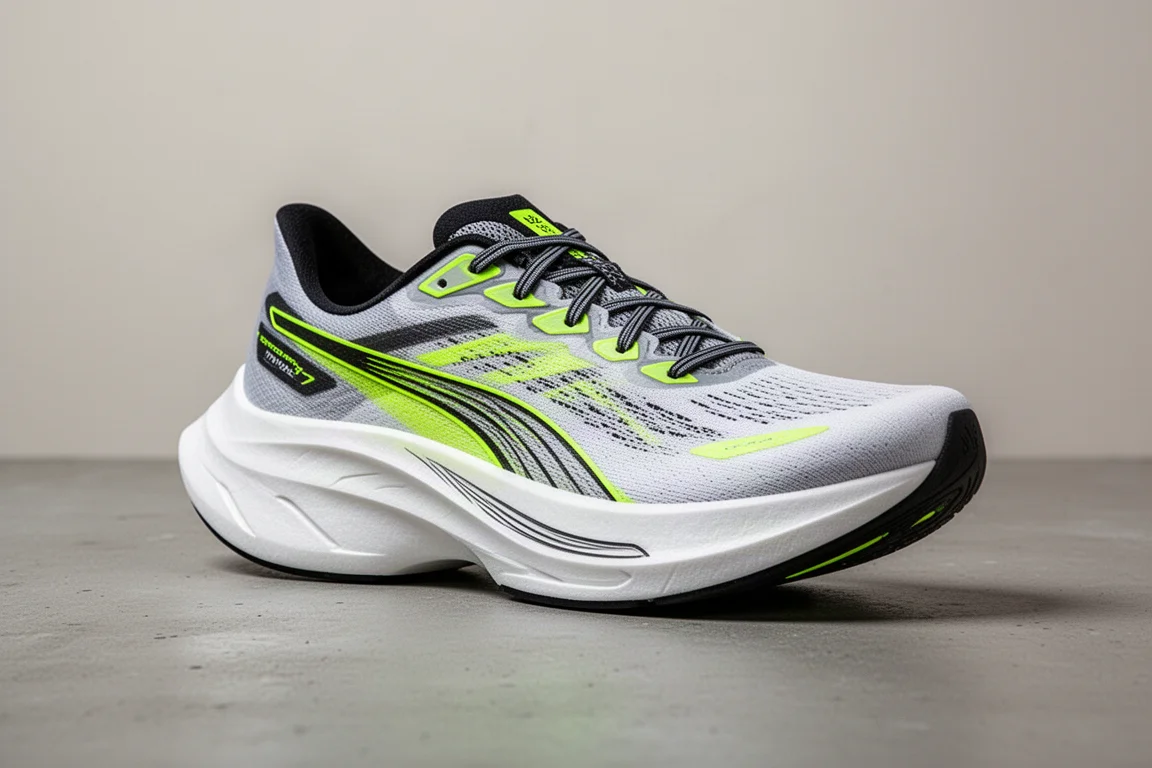
Buying Advice: Which One Should You Pick?
If consistency and durability top your list, the Endorphin Pro 5 is the most complete all-rounder here: smooth, stable, grippy and built to last well past the 100-mile mark. If you are a lighter runner with solid form who wants the lightest, most exciting ride, the Metaspeed Sky Tokyo is the more thrilling choice, provided you accept the narrow heel and minimal upper.
The Adios Pro 4 remains a strong option for marathoners on a budget, particularly at discounted prices, as long as you can live with its softer ride and reported durability issues. The Fast-R Nitro Elite 3 is only worth pursuing if you are a top-level racer who can find a pair, and you accept it is best suited to shorter distances.
Conclusion
There is no single winner across all four, but the Saucony Endorphin Pro 5 makes the strongest overall case: it is the most stable, the most durable and the most forgiving of the group, which matters most when a race gets long. Choose the Asics for weight, the Adidas for value, and the Puma only if you are chasing pure aggression at shorter distances.
Further reading
Related Reviews

Running Shoes
Best Road-to-Trail Running Shoes: Three Versatile Options for Mixed Terrain
A practical guide to three road-to-trail running shoes that handle both pavement and mild trails, with clear strengths and trade-offs for different runner types.

Running Shoes
Best Running Shoes for Achilles Tendonitis: Three Options Explained
Three running shoes with different heel drops and support features designed to help reduce Achilles tendon pain during walking and running.

Running Shoes
Best Running Shoes for Women: Five Top Choices Ranked
A ranked guide to five women's running shoes, from versatile daily trainers to high-performance racing options, with real strengths and trade-offs for each.