Running Shoes
Saucony Endorphin Pro 5 First Run Review: A Stable Marathon Racer Refined
Saucony reworks the carbon plate, widens the platform, and polishes the upper on its marathon workhorse, but a high heel kick and a price bump give buyers pause.
Introduction
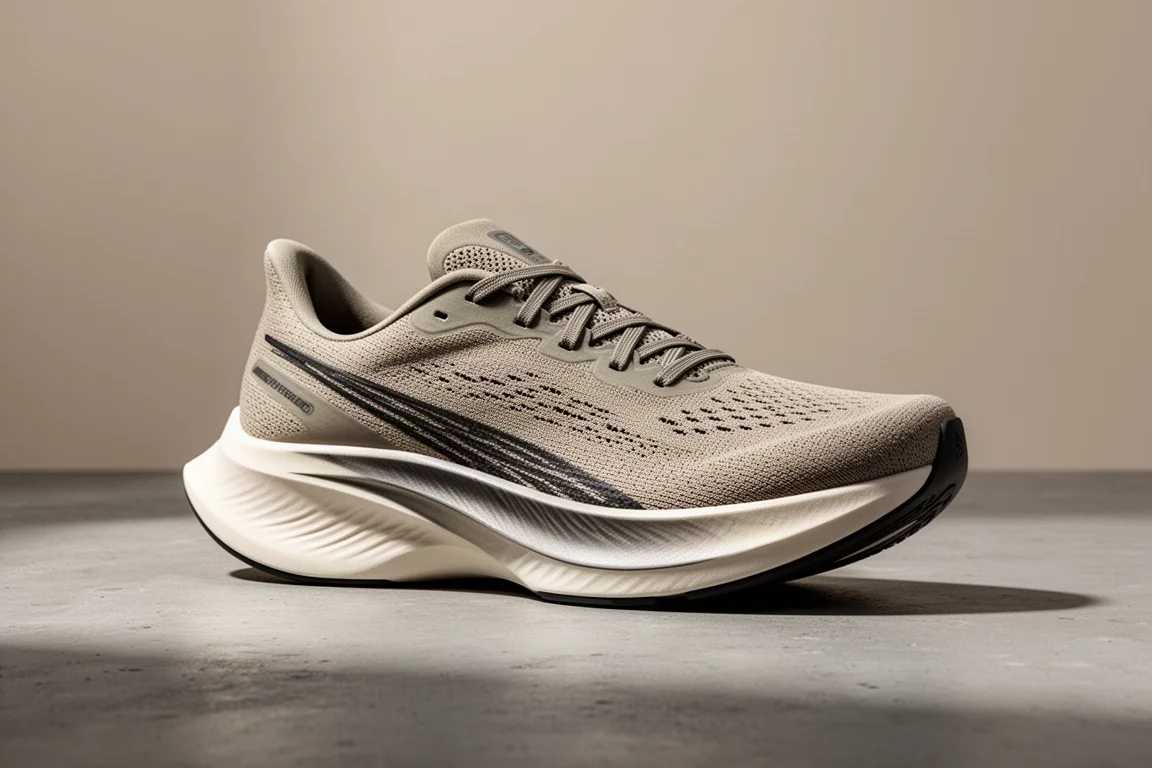
The Saucony Endorphin Pro 5 arrives as the marathon racing and training workhorse of the Endorphin lineup, and this first run look suggests Saucony is refining rather than reinventing. Key changes include a reworked slotted carbon plate, a wider platform, and upper enhancements aimed at boosting stability and security. After two early test runs on wet roads, the picture is of a dependable, mildly energetic race shoe that puts comfort, security, and stability ahead of all-out aggression.
Key Specs and Pricing
The Endorphin Pro 5 packs 39.5 mm of foam in the heel and 31.5 mm in the forefoot for an 8 mm drop. It weighs 7.8 oz (220 g) in a UK 8.5 / US 9.5 test shoe. Pricing has jumped to £250 in the UK and $240 in the US, up £20 or $15 from the Endorphin Pro 4, placing it in the second tier of top-priced carbon race shoes, below the Adidas Pro Evo 2 but at the pricier end of that group.
What Changed in the Pro 5
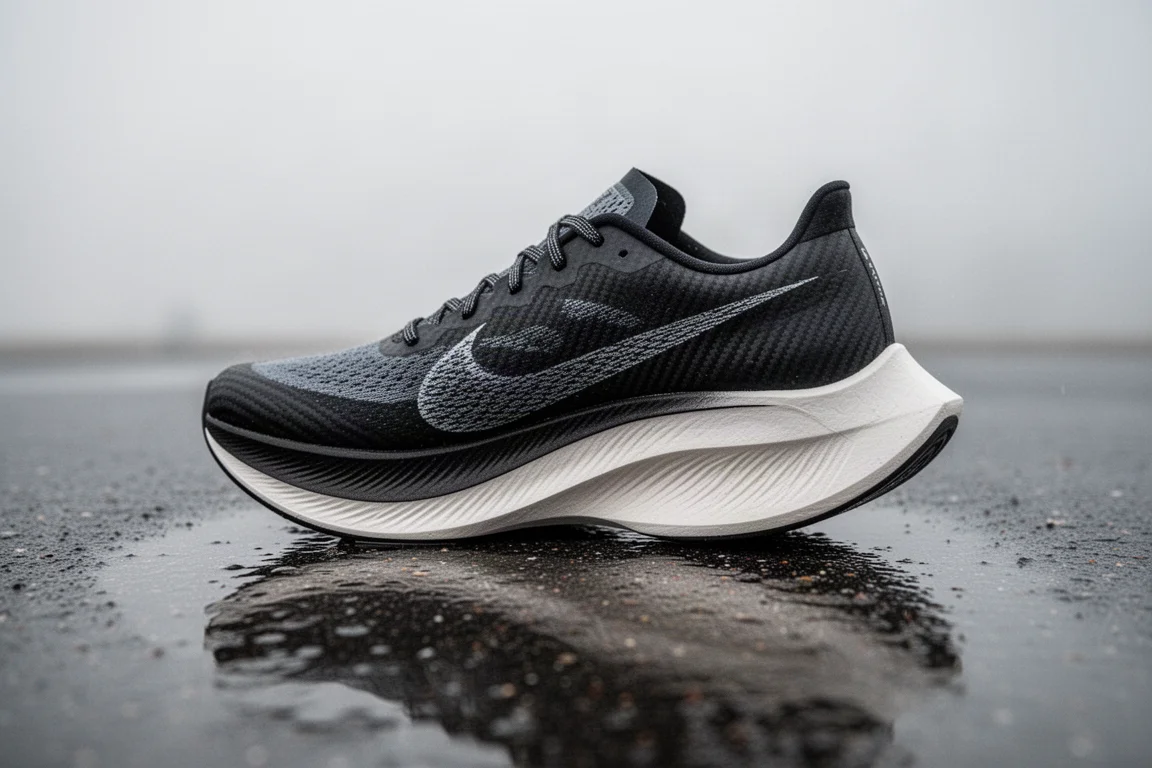
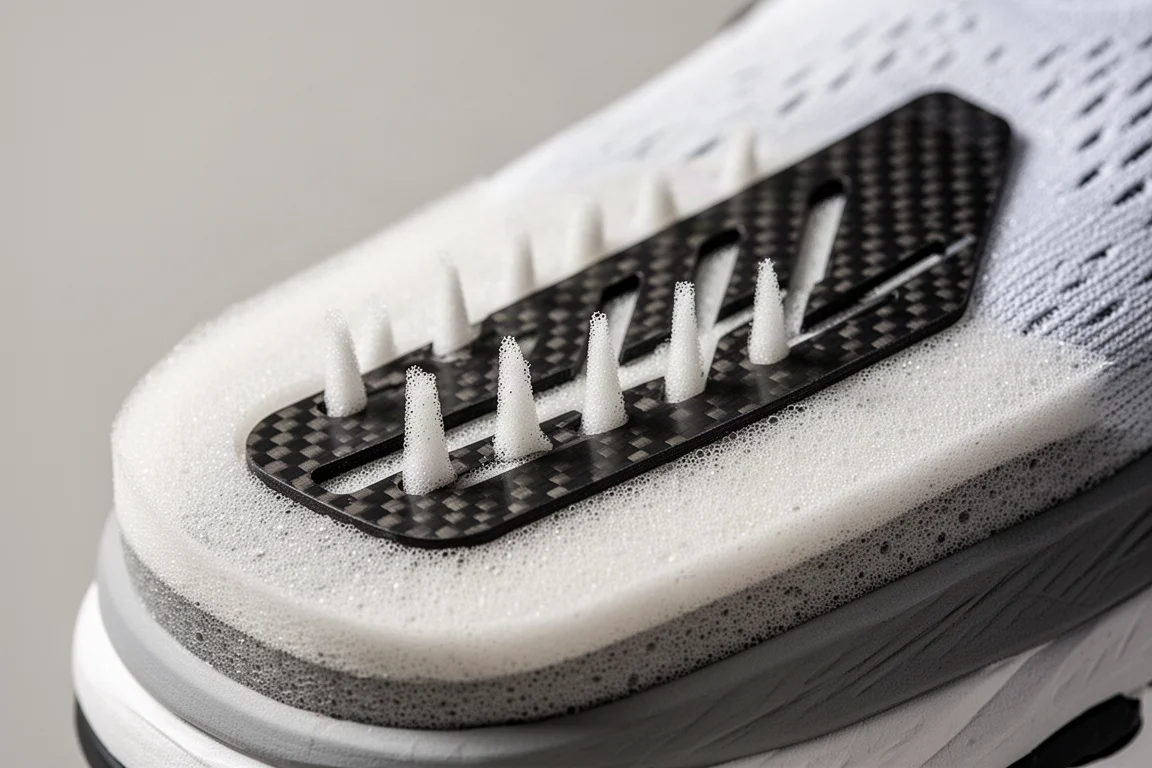
The midsole keeps the dual foam setup of the Pro 4: a PowerRun PB base with a supercritical PowerRun HD top layer, without the Incredisole foam found in the Endorphin Elite 2. The real change is the carbon plate, which now has a slotted design with forked fingers that Saucony says makes for a more aggressive plate, adding flex and push-off at toe-off and enhancing the brand’s curved speed roll geometry for a faster, smoother ride.
Up top, a lightweight breathable engineered mesh looks more closed in than the heavily perforated Pro 4 upper. The booty-style tongue comes up slightly higher, and the lacing area is more reinforced where the tongue joins the lacing, which should improve durability. The heel collars are more traditionally padded than some carbon race shoes, though with less cushion than the previous generation and marginally narrower heels. Underfoot, the outsole rubber changed too: the forefoot remains fairly fully covered with a new traction pattern in the middle, the lateral heel patches are fuller, but there is now only an outer sweep of rubber on the medial side, which will be worth watching over longer mileage.
Fit and Sizing
In terms of length, the Pro 5 matches the previous generation, with about a thumb’s width of toe box room and clearance around the toes. It is not the widest toe box, but it is also far from the tightest race-hugging fit, and the midfoot security is good thanks to extra structure at the laces. The booty-style tongue now holds more rigidity when lacing down, an improvement over the Pro 4, where that area tended to flap and bunch.
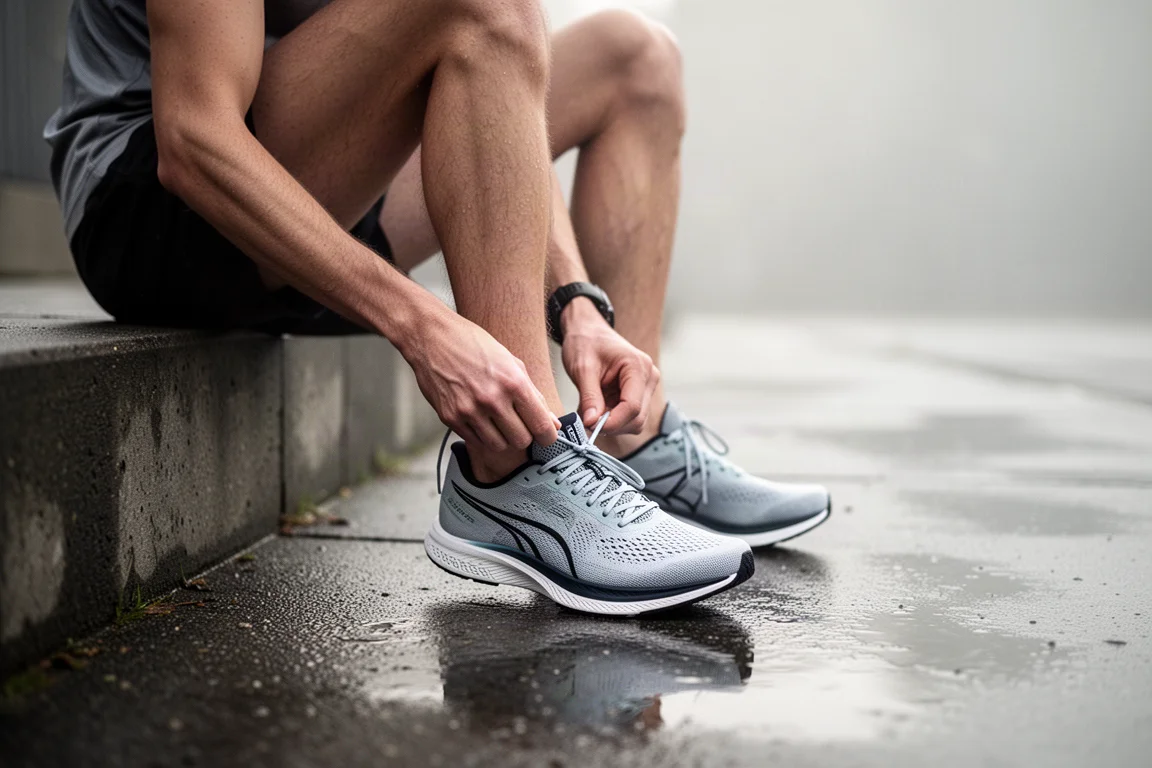
The trade-offs sit at the heel. Padding under the ankle is reduced, the cuffs look sharper, and the heel kick comes up quite high under the Achilles. In early testing this caused noticeable rubbing at the base of the Achilles on both sides, regardless of lacing adjustments. On sizing, going true to size is the recommendation: the tester ran comfortably in a regular UK 8.5 / US 9.5.
Ride and Performance
Two early runs, a 7-mile mixed pace session with marathon pace miles and a slower run close to 10K, both on wet roads, reinforce what fans of the Pro already know: this remains one of the more stable carbon racers. It is happy at slower paces, protective and cushioned across the platform, and comes to life as you move up through the gears.

What you do not get is an overly aggressive, bouncy, or snappy ride. Instead, the Pro 5 delivers controlled energy return and a smooth, efficient heel-to-toe roll, slightly understated next to the softer Endorphin Elite 2 or the stiffer Puma Fast-R 3. It is not the most propulsive carbon racer, and it feels like a small step up from faster trainers such as the Endorphin Speed 5. In wet conditions, the new traction pattern coped well, inspiring confidence through turns and on greasy patches.
Buying Advice
The Pro 5 builds on past versions rather than changing identity. The tweaks add up to a positive step: smoother transitions, more stability from the wider platform, and a conservative race shoe ride that will look after tired legs at mile 22 while still returning energy when you have something left to give. It also looks like a strong option for tempo and marathon pace workouts and mixed pace runs.
The snag is price. At £250 / $240, it is not cheap, and if you already get on with the lower profile of the Endorphin Speed 5 and can run long in it, the £70 / $70 saving may be hard to argue with. More testing is needed before a final verdict, but for runners who want a stable, hedged-bets marathon shoe, the Pro 5 remains a strong contender.
Conclusion
The Saucony Endorphin Pro 5 is more of the same in the best sense: a reliable, mildly energetic carbon racer that prioritizes comfort, security, and stability over raw aggression. The slotted plate, wider platform, and improved upper take a positive step forward, but the high heel kick causing Achilles rubbing and the higher price are worth checking before you commit.
Product link
View more details for Saucony Endorphin Pro 5
This product is mentioned in the review. Check the specifications, options, and compatibility before buying.
View more details for Saucony Endorphin Pro 5Further reading
Related Reviews

Running Shoes
Best Road-to-Trail Running Shoes: Three Versatile Options for Mixed Terrain
A practical guide to three road-to-trail running shoes that handle both pavement and mild trails, with clear strengths and trade-offs for different runner types.

Running Shoes
Best Running Shoes for Achilles Tendonitis: Three Options Explained
Three running shoes with different heel drops and support features designed to help reduce Achilles tendon pain during walking and running.

Running Shoes
Best Running Shoes for Women: Five Top Choices Ranked
A ranked guide to five women's running shoes, from versatile daily trainers to high-performance racing options, with real strengths and trade-offs for each.