Running Shoes
Saucony Endorphin Pro 4 vs Pro 5: Which Racing Shoe Should You Buy?
Two very different super racers share a name. We compare stack, weight, ride, stability, and fit to help you pick between the Endorphin Pro 4 and the new Pro 5.
Introduction
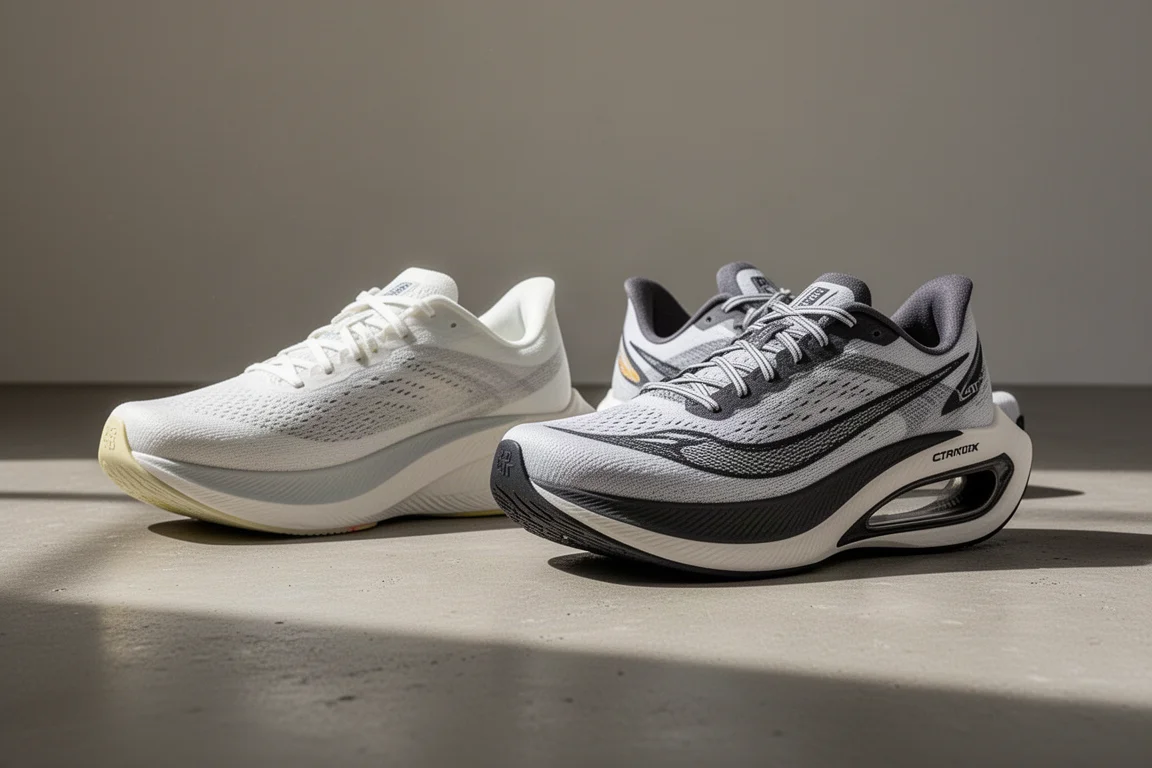
The Endorphin Pro series is Saucony’s flagship super racing shoe, and one of the earliest true super shoes to reach the market after the Nike Vaporfly. It combined the three elements that define the category: a super foam, a carbon fiber plate, and a maximal geometry. The first two versions were decent but not category-leading. Version three changed that perception entirely, and version four carved out its own niche as a softer, more stable neutral racer.
Version five, despite sharing most of the same component names, is a genuinely different shoe. If you loved the Pro 4, the question is whether the Pro 5 is worth upgrading to, or whether buying another pair of Pro 4s makes more sense. These two shoes serve noticeably different purposes, so this comparison should help you decide which one fits your racing and training style.
Specs and First Impressions
In a men’s size 10, the two shoes share exactly the same stack height: 39.5 mm in the heel, 31.5 mm in the forefoot, for an 8 mm drop, which matches how the shoes feel underfoot. Weight is where they start to separate. The Pro 4 comes in slightly lighter at 7.9 oz (about 226 g), while the Pro 5 ticks up to 8.1 oz (about 228 g). That small difference likely comes down to changes in the outsole.
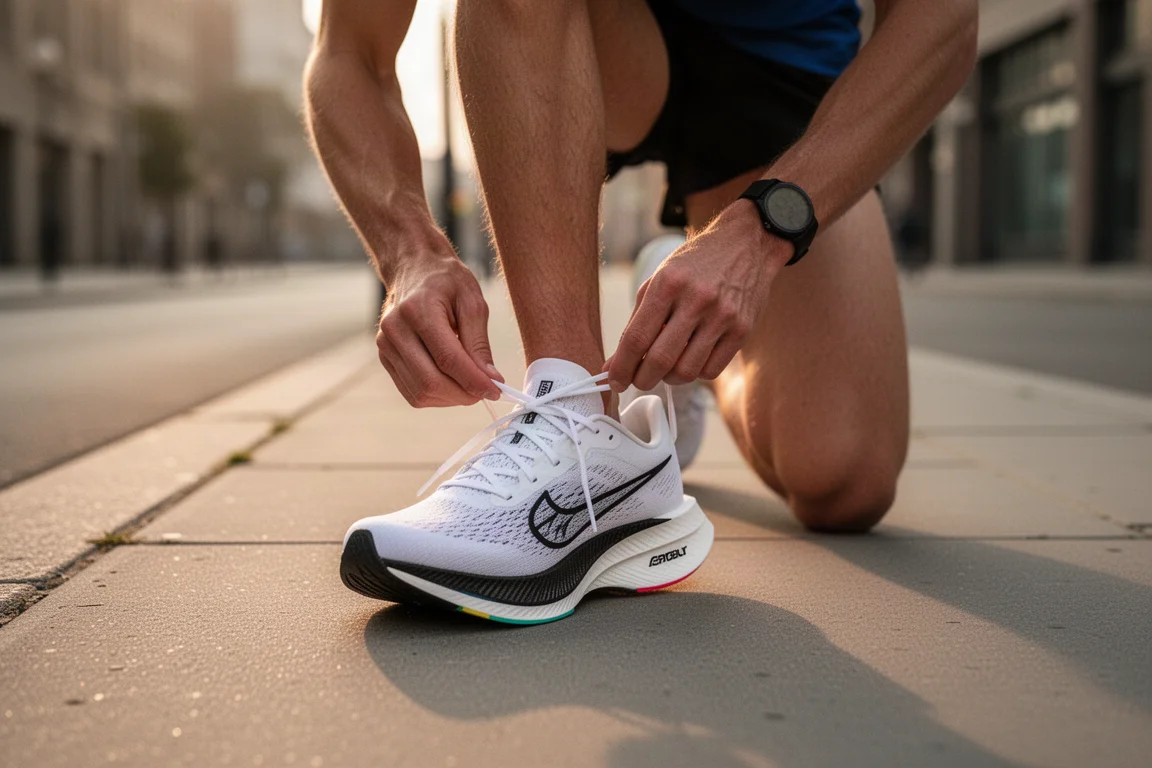
On paper, then, the shoes look nearly identical. Underfoot, they are anything but.
Outsole, Traction, and Midsole Firmness
If you struggled with outsole traction on wet roads in the Pro 4, the Pro 5 addresses it directly. Saucony moved to Pwrtrac rubber, the same compound used across many of its trail shoes. Wet-ground traction is significantly improved, and durability is holding up well: after 40 miles, the outsole shows essentially no wear. The firmer compound likely helps here.
The midsole story is just as significant. The Pro 4 kept a slightly soft Pwrrun PB feel, a touch more forgiving than the firmer setup of the Endorphin Pro 3. The Pro 5 runs much firmer underfoot. Yes, it adds a top layer of Pwrrun HG for bounce, but that layer was already present in the Pro 4, so the net effect is a noticeably firmer, snappier ride.
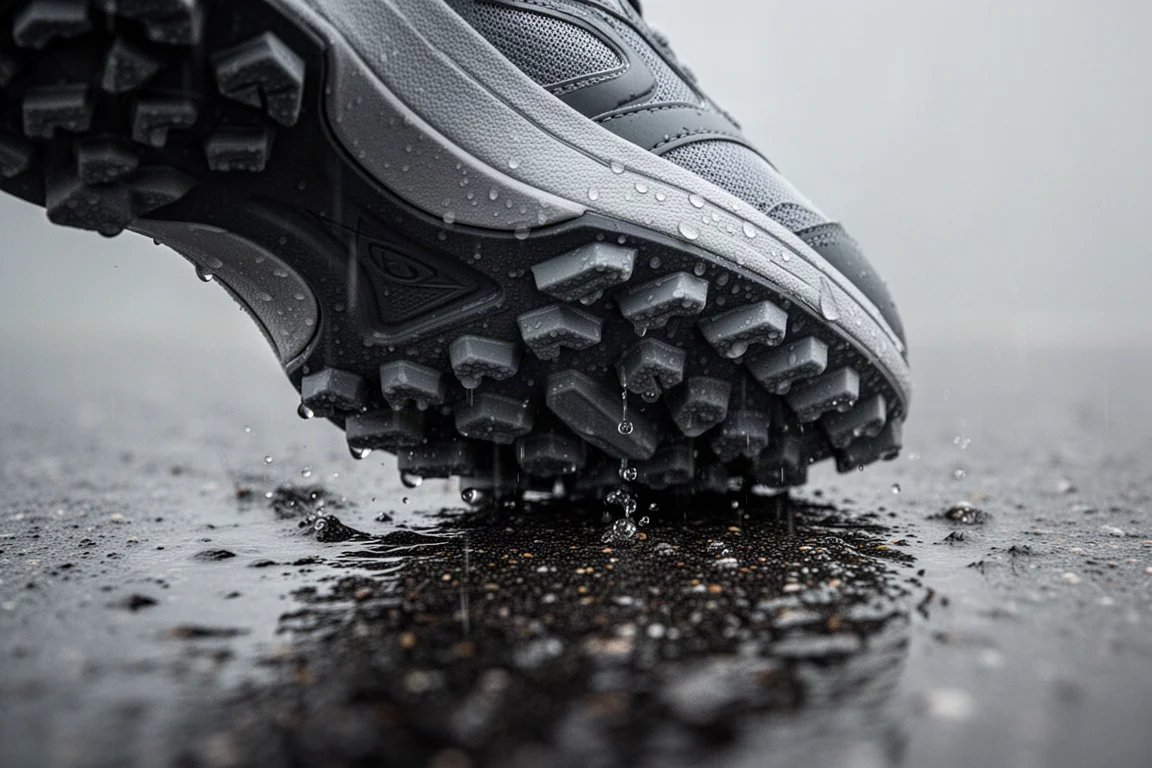
That firmness makes the Pro 5 a faster shoe. The Pro 4, by contrast, is the more comfortable super racer, especially for longer tempo runs and easy miles.
Ride and Performance Differences
The Pro 4 never felt like the most aggressive shoe in the series. Its softer midsole made it a comfortable option for easy runs, long runs, and long tempo work. Fast efforts were possible, but it took some figuring out, and it was never the best tool for the job. Think of it as a comfortable super racer that shines from the half marathon up through the marathon.
The Pro 5 is a completely different animal. It has a more pronounced long forefoot rocker and rewards heel and midfoot striking with a smooth roll forward. Landing on the forefoot feels less natural than in the Pro 4, which allowed heel, midfoot, or forefoot landings equally. The firmer, stiffer ride brings out the Pwrrun HG bounce and makes the Pro 5 genuinely quick, particularly at 5K through half marathon pace. One long tempo session in this shoe produced some of the fastest miles recorded on it in a long time, including a 5:18 mile at the end of a tempo run.

The trade-off: the Pro 5 does not feel good running easy. Warm-ups are uncomfortable, and one long run in the shoe ranked among the least enjoyable in recent memory. The heel takes some breaking in, similar to the Endorphin Speed 4’s geometry, and the ride only really comes alive at faster paces. It is no longer the democratic super shoe the Pro 4 was; it is a racing and workout tool.
Stability: A Real Point of Separation
The Pro 4 earned a reputation as one of the most stable neutral super racers available. A wide base, good sidewalls, and a stiff plate made it stable neutral from heel to forefoot, which is why it worked so well for longer efforts and for runners with mild stability needs.
The Pro 5 keeps some of those elements. There are sidewalls, a wider midfoot, a centering groove, and a wider forefoot, and the heel and midfoot still offer a degree of stability. But the forefoot plate is slotted from lateral to medial side. That maintains longitudinal bending stiffness and keeps the shoe snappy, but it makes the forefoot more torsionally flexible.
For runners with forefoot instabilities, especially medially, this is a genuine concern. The shoe can feel like it drops off the medial side under the forefoot until the plate breaks in. For shorter efforts that pivot off the big toe, this may feel fine, but runners with hallux rigidus or medial forefoot stability needs should be cautious. Saucony’s stated goal was to make the transition for lateral forefoot strikers smoother and more natural, which may work well for some runners, but the Pro 5 is no longer as stable over the full length of the shoe as its predecessor.
Upper Fit and Comfort
The Pro 4’s upper was initially frustrating because of its very high volume, but once dialed in it was genuinely comfortable. For wider or higher-volume feet, it remains a standout, since most super shoes run thin, snug, and narrow.
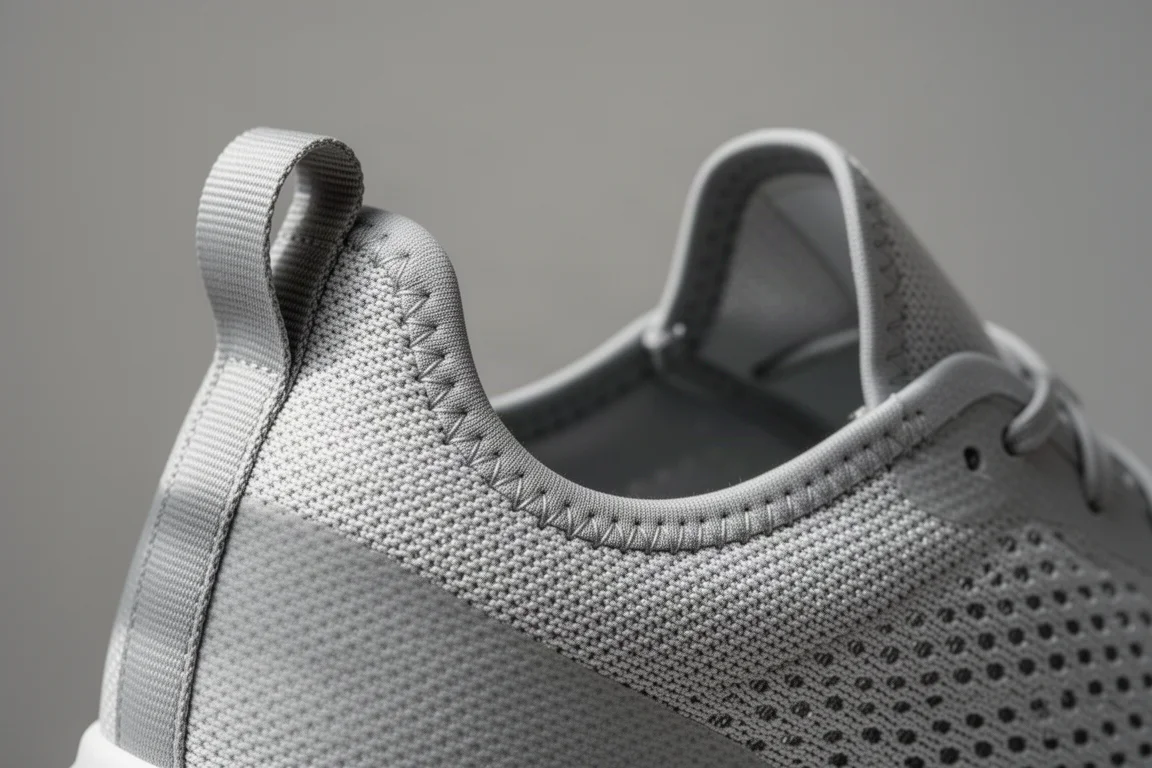
The Pro 5 narrows up noticeably. There is still some extra volume, and the fit is fairly normal for a super racing shoe, but the creasing over the midfoot means you have to be careful with lacing. Tying the laces tighter produced immediate lace bite on top of the foot, so keeping the laces looser was necessary, which slightly reduced lockdown. The heel tab on the Pro 5 is also aggressive and can dig into the Achilles, so tall socks are strongly recommended; without them, some testers experienced significant chafing. The Pro 5’s recycled mesh upper is thinner and stiffer than the Pro 4’s softer, more comfortable material, so the whole shoe feels more aggressive overall.
Which One Should You Buy?
If you want a stable neutral racer with a softer, more comfortable ride that suits the half marathon through the marathon, the Endorphin Pro 4 is the better choice. It is roomier, more forgiving, and more stable, with the trade-off that it is less sharp at very fast paces.
If you want a faster, more aggressive shoe for workouts and shorter races, with much better wet-road traction and you do not mind a firmer ride, a stiffer upper, and less forefoot stability, the Endorphin Pro 5 is the stronger pick. It is best treated as a racer-trainer for faster days rather than an everyday do-everything shoe.
Conclusion
The Endorphin Pro 4 and Pro 5 are far more different than their shared specs suggest. The Pro 4 remains the comfortable, stable, marathon-friendly option with a roomier upper. The Pro 5 is firmer, snappier, and faster, with improved traction but reduced stability and a more demanding fit. Choosing between them comes down to where you want the shoe to shine: long and comfortable, or short and fast.
Product link
View more details for Saucony Endorphin Pro 4
This product is mentioned in the review. Check the specifications, options, and compatibility before buying.
View more details for Saucony Endorphin Pro 4Further reading
Related Reviews

Running Shoes
Best Road-to-Trail Running Shoes: Three Versatile Options for Mixed Terrain
A practical guide to three road-to-trail running shoes that handle both pavement and mild trails, with clear strengths and trade-offs for different runner types.

Running Shoes
Best Running Shoes for Achilles Tendonitis: Three Options Explained
Three running shoes with different heel drops and support features designed to help reduce Achilles tendon pain during walking and running.

Running Shoes
Best Running Shoes for Women: Five Top Choices Ranked
A ranked guide to five women's running shoes, from versatile daily trainers to high-performance racing options, with real strengths and trade-offs for each.