Running Shoes
Saucony Endorphin Pro 4 First Run Review: A Comfortable Racer That Lost Some of Its Edge
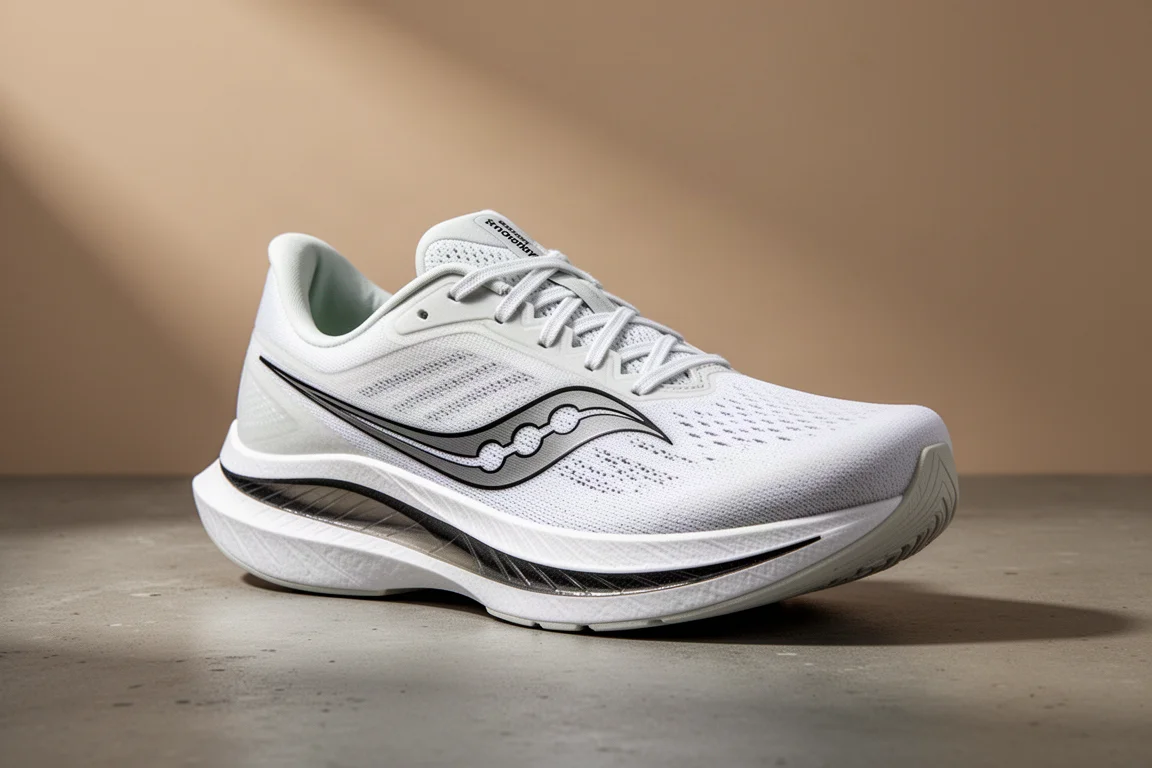
Twenty miles into the Saucony Endorphin Pro 4, the verdict is nuanced: a great upper and a forgiving ride, but less aggressive and less stable than the Endorphin Pro 3.
Introduction
The Saucony Endorphin Pro 3 is a special shoe for a lot of runners. It has a Marathon PR attached to it, a hilly course conquered, and nearly 300 miles of training logged in a pair that still held up well. So the Endorphin Pro 4 arrives with a lot to live up to, especially in a marathon racer market that has become fiercely competitive.
After unboxing, weighing, and logging 20 miles across a treadmill steady run and a wet-road stroller run, the picture is complicated. The Pro 4 is not a bad shoe. In fact, it is a genuinely good one. But it feels like a different product than the Pro 3: heavier, flatter, less stable, and less aggressive, while the price stays the same.
This shoe was purchased with personal funds, and all impressions below come from those first 20 miles.
Who This Shoe Is For
The Endorphin Pro 4 is shaping up as a shoe for runners targeting the 3 to 4 hour marathon range. It is soft, comfortable, and forgiving, which makes it a strong candidate for first-time marathoners and anyone who will be on their feet for a long time with some pace pickups mixed in.
At a steady sub-7-minute-mile effort over 12 miles on the treadmill, the ride stayed comfortable the entire way. When the pace dropped to around 6:30 per mile, closer to marathon effort, the shoe started to feel better and more alive. It does not punish you for running slow the way some aggressive racers do, and that accommodation is a real strength for the audience it is clearly aimed at.
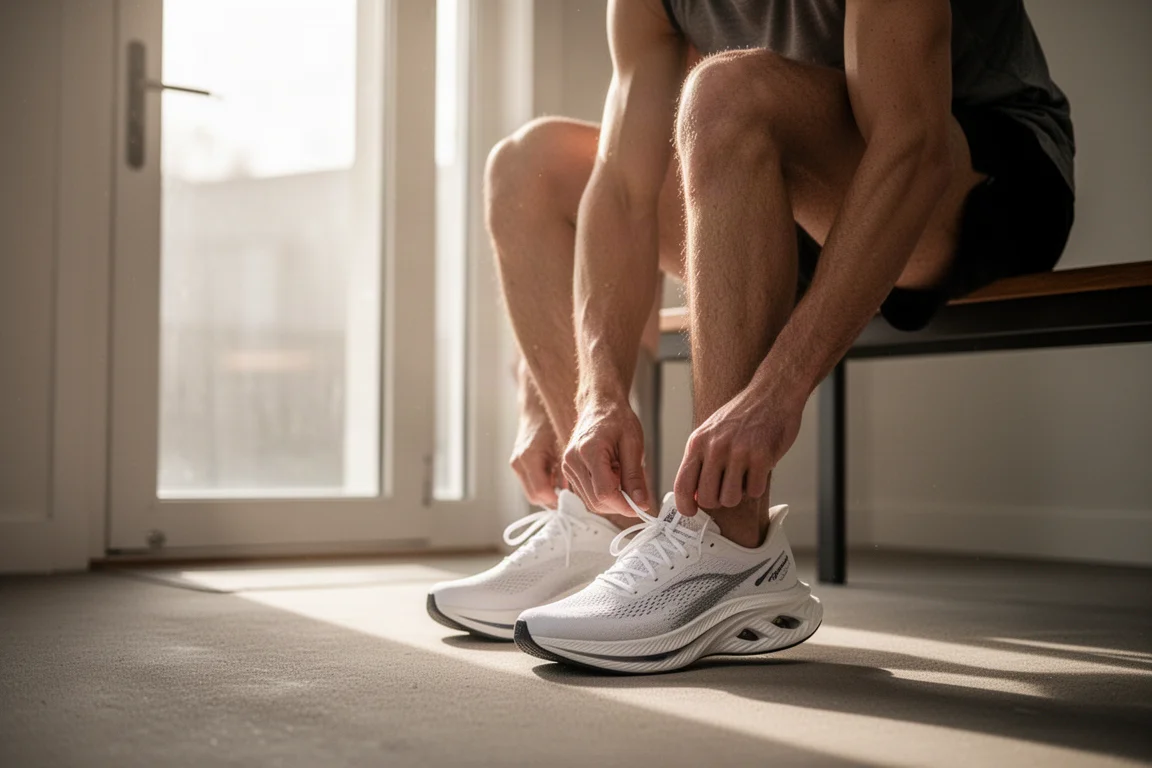
What it does not do is encourage an all-out PR attempt the way the best racers in this category do. It is more toothless than aggressive, and it feels closer to a premium trainer than a true race weapon.
Main Strengths
The upper is the clear improvement this year. The Pro 3 was extremely narrow and locked the foot in a tight, sometimes uncomfortable way. The Pro 4 adds a bit more give without feeling loose or sloppy, thanks to a one-piece sock-style upper with a stretchy tongue setup. The laces are stretchier too, so lace bite should be far less of an issue.
The fit is roomier overall, with slightly more space in the toe box than the Pro 3, and the sock construction around the ankle is genuinely comfortable.
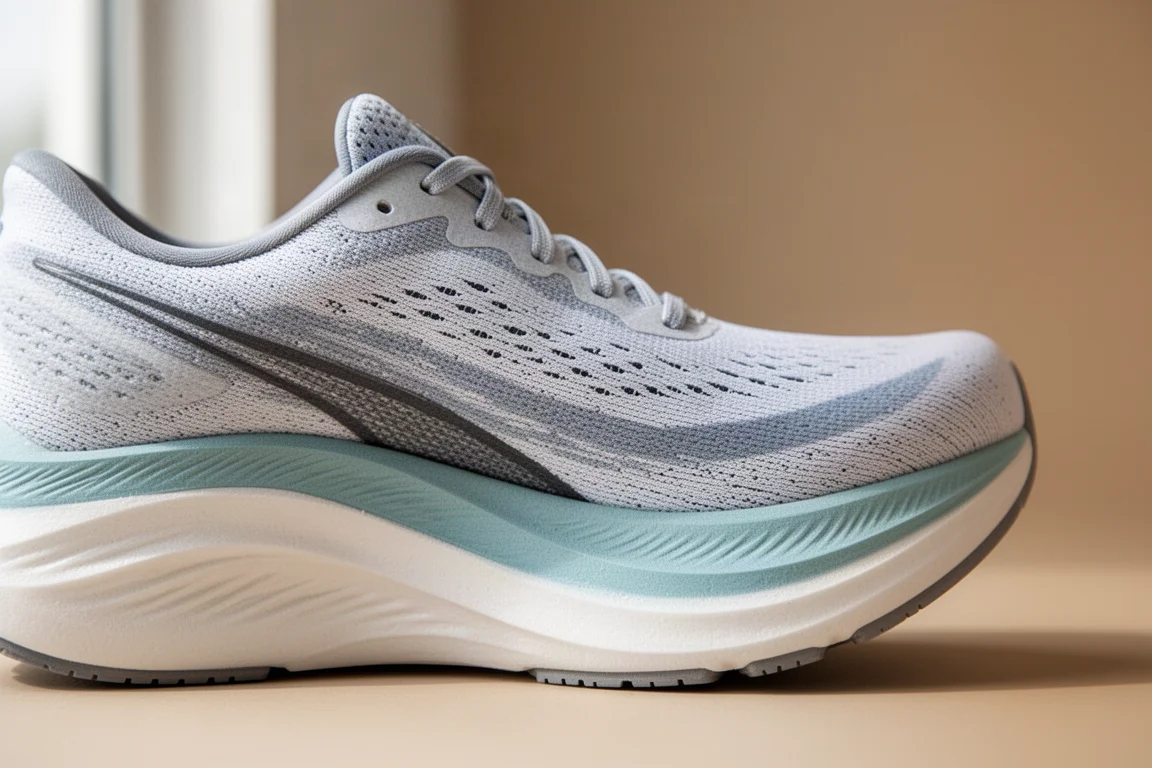
The ride itself is still pleasant. It sits at roughly 85 percent of what the Pro 3 delivered, avoiding the clunky awkwardness that plagued the Endorphin Speed 4. At faster paces, the carbon fiber plate stands up to force better than the plastic plate in the Speed 4, which makes the Pro 4 the more compelling pick between the two.
Things to Consider Before Buying
There are several real trade-offs to weigh here. First, weight. On the scale, the Pro 4 averaged about 235 grams in a US men’s 10.5, versus 219 grams for the Pro 3. That gain is puzzling because there is no obviously more rubber, more foam, or more upper to justify it.
Second, stability. Even standing in the shoe, the ankle visibly rolls outside the foam edge. The heel is narrower, there are no raised sidewalls, and the flared foam does not lock the foot in the way the Pro 3 did. Runners who chose this line for its stability may be better served by the New Balance SC Elite v4, which is significantly wider and more stable, though at a higher price.
Third, the rocker. The Pro 3 tipped forward effortlessly and felt aggressive just standing in it. The Pro 4 feels flatter, and there is a concave transition between the heel and forefoot that makes the two halves feel disconnected. If the Pro 3’s pop was what sold you, the Pro 4 may disappoint.
Wet grip is merely okay. On a slick road run, there was no slipping at training pace, but when pushing toward half marathon effort, the footing did not feel fully sure. Puma and Adidas outsoles offer notably better wet traction.
Finally, expect a similar hot spot to the Pro 3: a rubbing sensation on the outside edge of the forefoot appeared on the first run, something many Pro 3 wearers also reported.
Buying Advice
Saucony’s lineup is now split, with the Endorphin Elite at $275 sitting above this shoe at $225. That makes the Pro 4 a somewhat awkward middle product: more expensive than top-end trainers, less aggressive than true race day shoes. If you want the poppy, energetic feel of the Pro 3 at a friendlier price, the Pro 3 will likely remain widely available on clearance for the next few months, and it remains the better pick for many recreational marathoners.
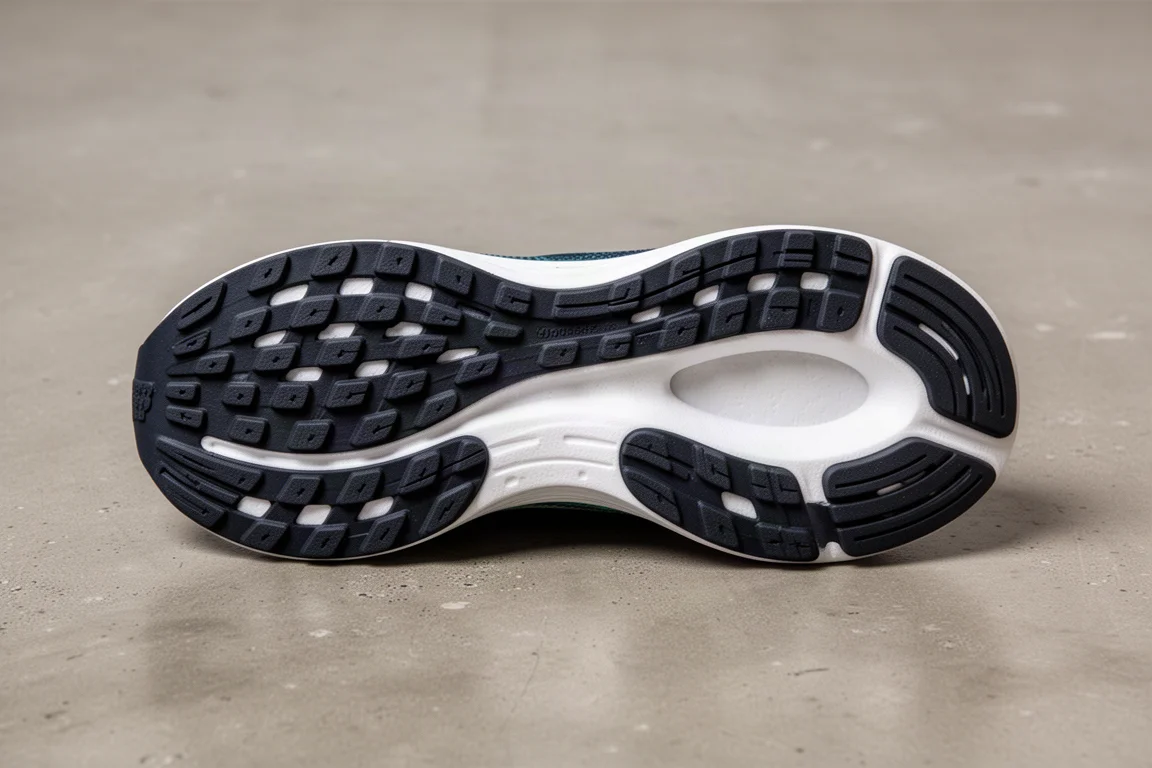
If the Pro 4’s direction suits you, it is a comfortable, forgiving ride for 3 to 4 hour marathons and steady long runs with pace work. Just go in knowing it is not the shoe to chase a breakthrough PR in, and size and lace carefully if you are prone to forefoot hot spots.
Conclusion
The Saucony Endorphin Pro 4 is a good shoe that took a step back from a great one. The upper is genuinely improved, the ride is comfortable and forgiving, and it will serve a lot of longer-time marathoners well. But it is heavier, less stable, and less aggressive than the Pro 3 while costing the same, which makes the older shoe the smarter buy for anyone who loved what made this line special. For a first marathon or a 3 to 4 hour effort, the Pro 4 is still worth a look.
Product link
View more details for Saucony Endorphin Pro 4
This product is mentioned in the review. Check the specifications, options, and compatibility before buying.
View more details for Saucony Endorphin Pro 4Further reading
Related Reviews

Running Shoes
Best Road-to-Trail Running Shoes: Three Versatile Options for Mixed Terrain
A practical guide to three road-to-trail running shoes that handle both pavement and mild trails, with clear strengths and trade-offs for different runner types.

Running Shoes
Best Running Shoes for Achilles Tendonitis: Three Options Explained
Three running shoes with different heel drops and support features designed to help reduce Achilles tendon pain during walking and running.

Running Shoes
Best Running Shoes for Women: Five Top Choices Ranked
A ranked guide to five women's running shoes, from versatile daily trainers to high-performance racing options, with real strengths and trade-offs for each.