Running Shoes
Saucony Endorphin Pro 3 vs Endorphin Speed 3: Which Plated Shoe Belongs in Your Rotation?
Saucony's plated duo works best as a pair: the Pro 3 as a race-day weapon, the Speed 3 as a fast, durable daily trainer. Here is how they compare on fit, ride, and value.
Introduction
Saucony designed the Endorphin Pro 3 and Endorphin Speed 3 to work almost as a system: the Pro 3 is the top-tier carbon plate racing shoe, while the Speed 3 uses a nylon plate and is built to be its training partner, especially for fast sessions. Together they can cover nearly an entire shoe rotation, which is exactly how we tested them.
How We Compared Them
Both shoes went through marathon training blocks, from steady daily runs and long efforts up to 16k, through track sessions, tempo workouts, and hard 5k attempts. We looked at fit, ride feel, stack geometry, durability signals, and where each shoe earns its place in a rotation.
Two Shoes, One System
The shared recipe is Saucony’s PWRRUN PB foam and Speedroll technology, which gives both shoes a rocker-shaped, propulsive ride. Both share an 8mm drop, but the Pro 3 is the taller shoe at 39.5mm of heel stack, while the Speed 3 sits at 36mm. Both versions gained a little stack height over their predecessors, though the Pro 3 jumped a full four millimetres from the Pro 2 while the Speed 3 added only half a millimetre.
The Pro 3 is the lighter shoe at 217g in a UK size 9, against 240g for the Speed 3. Pricing reflects the hierarchy: the Speed 3 costs £165 in the UK (around $170 in the US), while the Pro 3 runs £210 UK or $225 US.
{{image:1}}
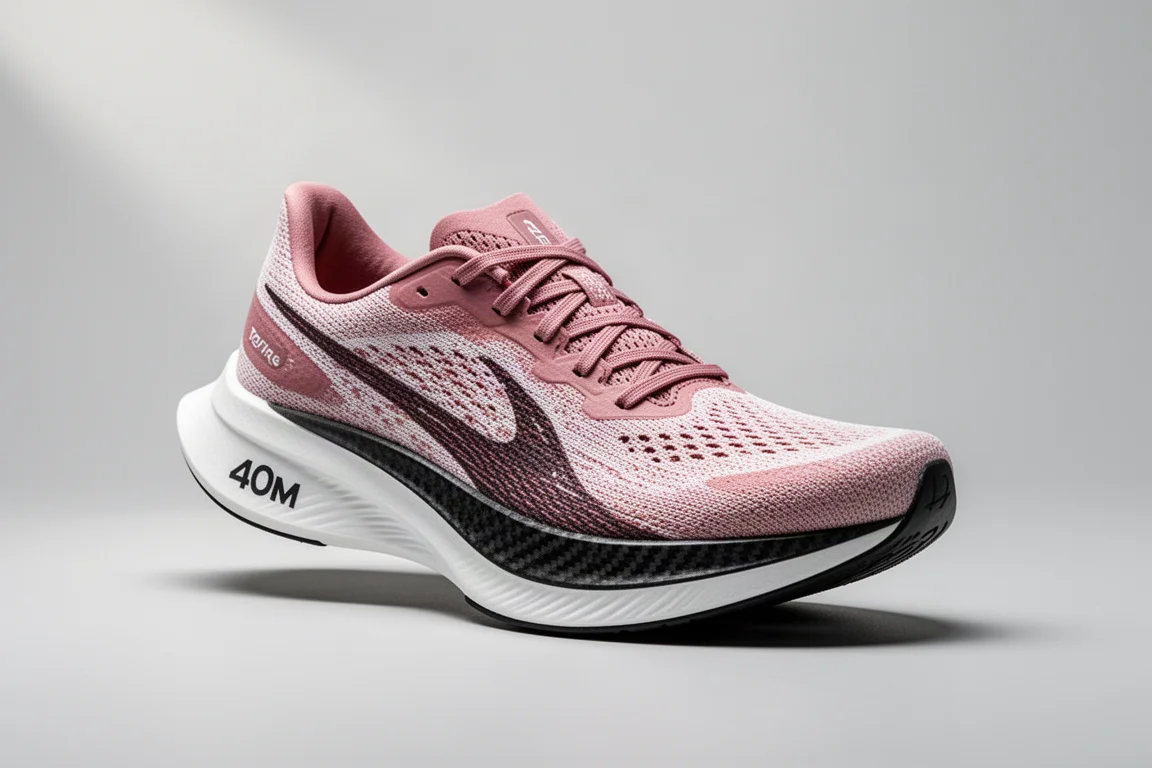
Saucony Endorphin Pro 3
The Pro 3 is the headline act. It adds stack height while coming in lighter than the Pro 2, helped by a very thin, breathable mesh upper with large ventilation holes on the tongue. There is minimal cushioning on the tongue but solid padding around the heel.
Inside, a carbon plate runs through the PWRRUN PB foam, paired with Speedroll to smooth the transition from heel to toe-off. The XT-900 rubber outsole is generous for such a light shoe, with cut-outs at the midfoot and forefoot to save weight.
The ride is the big change. This is not a firm, harsh racer: it is soft, bouncy and genuinely comfortable, closer in feel to other top super shoes, while still feeling quick and nimble when you push the pace. One of us logged a 5k personal best almost by accident, and long runs ended with no forefoot pain, something the firmer Pro 2 could not manage. It is also a notably stable, grounded shoe, which makes it more suitable than some rivals for long training runs, not just racing.
The trade-off is durability. The thin mesh upper feels almost sheer, and the foam may not match some slower-wearing alternatives. The advice from testing is simple: do not buy the cheaper Pro 2 expecting the same shoe. The Pro 3 is a completely different, far better shoe, and it is worth the extra money.
{{image:2}}
Saucony Endorphin Speed 3
The Speed 3 keeps the same PWRRUN PB foam but swaps the carbon plate for a nylon plate with small winglets on either side, designed to help position the foot correctly on the plate and add stability. The base and overall fit are wider than the Speed 2, addressing complaints about the previous version feeling narrow, and the rubber layout differs slightly, using less rubber than the Pro 3 without cut-outs yet still delivering good grip and strong outsole durability.
On the run, it feels reassuringly familiar. Compared with the Speed 2, it is slightly softer with a touch more midsole, but otherwise it delivers the same smooth, comfortable ride across the full range of training: track sessions, steady 10-milers, threshold work, and long marathon-training runs up to 16k. It handles fast daily training brilliantly and stays comfortable even on slow recovery days. Speed fans will also be glad to know it needed no break-in period, unlike the Speed 2.
Fit is the one caveat. If you have narrow feet, the wider upper may feel a little loose in the midfoot even with the laces pulled tight, and that can lead to some heel rubbing on runs over an hour. For average-width feet, both testers found it true to size with no need to size up or down.
{{image:3}}
View more details for Saucony Endorphin Speed 3
Buying Advice: Which One Should You Get?
The dynamic of the line has flipped. In the past, the Speed was the more comfortable shoe of the pair and the obvious pick for long runs and heavier training. Now the Pro 3 is arguably the more comfortable of the two, and a serious step up from the Speed 3 that justifies its higher price.
If you can only buy one shoe, the Speed 3 still makes the most sense for most people: it is cheaper, more durable, and versatile enough to do nearly everything. If budget is no object, the Pro 3 is good enough to double as a fast daily trainer.
The smartest play for many runners is a hybrid: pick up the Speed 2 on a significant discount, since it fits better for narrow feet, and put the savings toward a Pro 3 for racing. And one warning in the other direction: the Pro 2 is not a budget stand-in for the Pro 3. It is a firmer, lower, very different shoe.
{{image:4}}
Conclusion
Saucony may have the strongest two-shoe plated lineup on the market right now. The Pro 3 is a dramatic upgrade that is soft, fast, light, and stable enough to race from 5k to the marathon, while the Speed 3 remains one of the best fast trainers available, nearly flawless for daily training. Bought together, they could easily form an entire rotation, and either one alone is a confident purchase.
Further reading
Related Reviews
Running Shoes
Best Road-to-Trail Running Shoes: Three Versatile Options for Mixed Terrain
A practical guide to three road-to-trail running shoes that handle both pavement and mild trails, with clear strengths and trade-offs for different runner types.
Running Shoes
Best Running Shoes for Achilles Tendonitis: Three Options Explained
Three running shoes with different heel drops and support features designed to help reduce Achilles tendon pain during walking and running.
Running Shoes
Best Running Shoes for Women: Five Top Choices Ranked
A ranked guide to five women's running shoes, from versatile daily trainers to high-performance racing options, with real strengths and trade-offs for each.