Running Shoes
Saucony Endorphin Pro 3 vs Pro 4: Should You Upgrade?
A close look at how Saucony's super racing shoe changed from the Endorphin Pro 3 to the Pro 4, and which one fits your feet and race goals.
Introduction
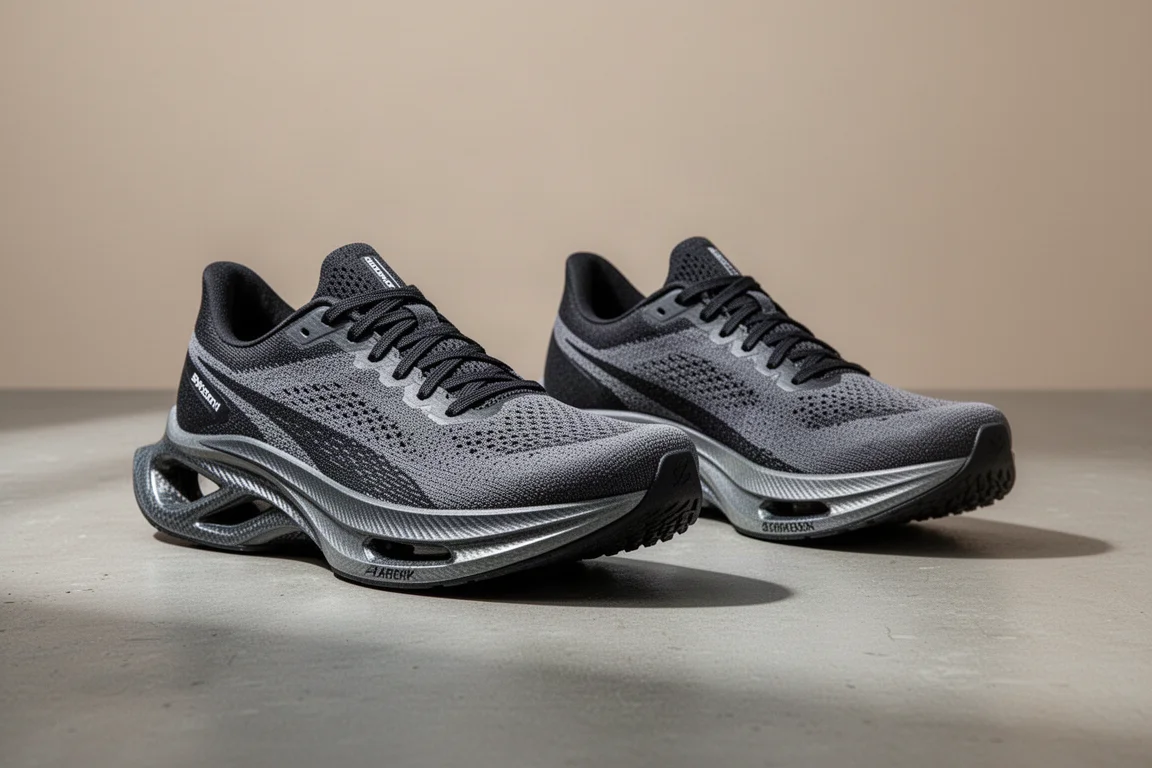
The Saucony Endorphin Pro 4 looks a lot like the Endorphin Pro 3 at first glance, but the changes under the hood are more significant than the styling suggests. Both are Saucony’s standard super racing shoes, sitting below the Endorphin Elite, and both share some foam technologies while differing in a few key ways that genuinely affect how each one runs.
This comparison breaks down the specs, the ride, the fit, and the stability of each version so you can decide whether to grab the Pro 4, hunt down the Pro 3, or simply understand which shoe suits your racing style.
Specs: Weight, Stack, and a New Top Layer of Foam
The Pro 3 came in at roughly 7.1 to 7.2 ounces (204 g) for a men’s size 9 or women’s size 10.5. The Pro 4 steps up slightly to 7.7 ounces (218 g) in the same sizing. The small weight increase comes from a newer PWRRUN HG top layer of foam sitting directly under the foot, plus a slightly taller midsole.
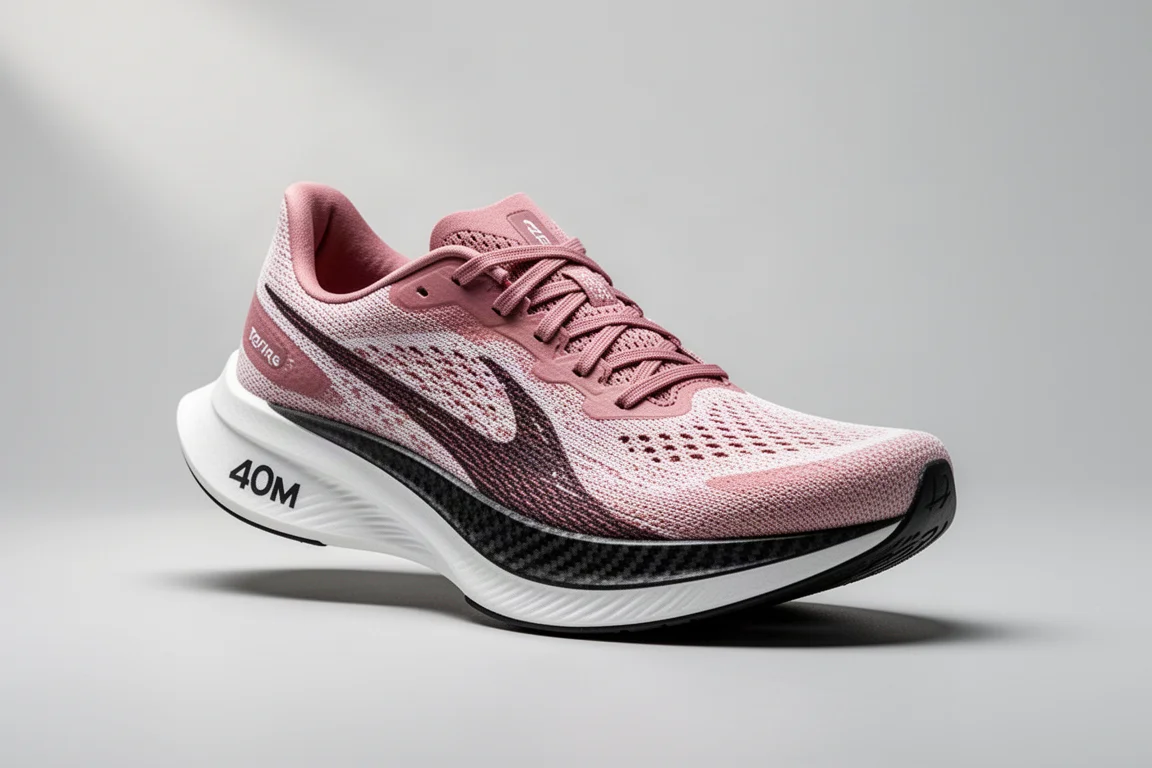
The Pro 4 measures 40 mm in the heel and 32 mm in the forefoot, an 8 mm drop. The Pro 3 sat around 39 to 39.5 mm in the heel and 31 to 31.5 mm in the forefoot, also an 8 mm drop depending on who you ask. Both keep the same drop, but version 4 is just a touch higher and slightly wider through the midsole.
Saucony Endorphin Pro 4: The Marathon Racer
The Pro 4’s new PWRRUN HG top layer gives it a more efficient underfoot feel. It pushes you forward with a rolling, propulsive character rather than the deep bounce of some rivals. It rides slightly firmer than many other super shoes, but it is still well cushioned and rolls you forward quickly.
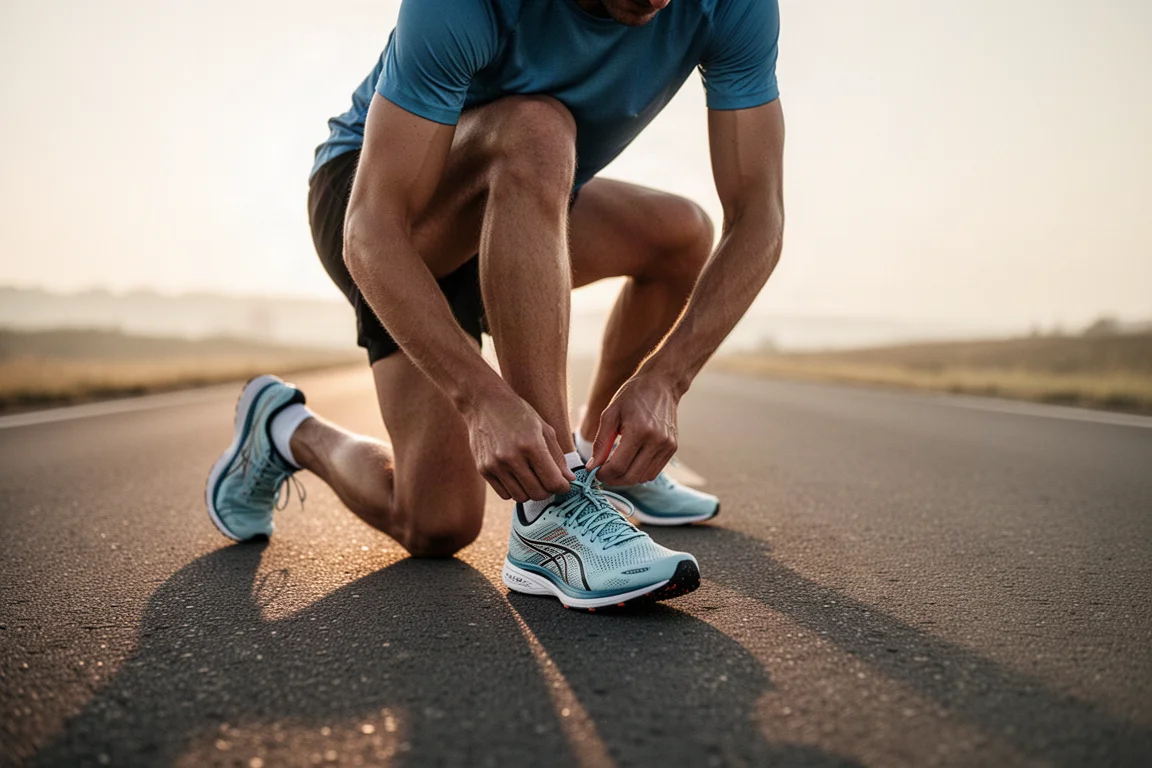
Where the Pro 4 shines is at longer distances and moderate paces. It feels comfortable from easy runs up through tempo and marathon pace, and transitions better over longer efforts. It can still move at speed, but it is at its best the longer you go, making it the more natural true marathon racer of the pair. The slightly wider midsole also adds meaningful midfoot stability, extending into the forefoot on the medial side, so it works a bit better for runners who want a stable-neutral feel.
Saucony Endorphin Pro 3: The Bouncy All-Rounder
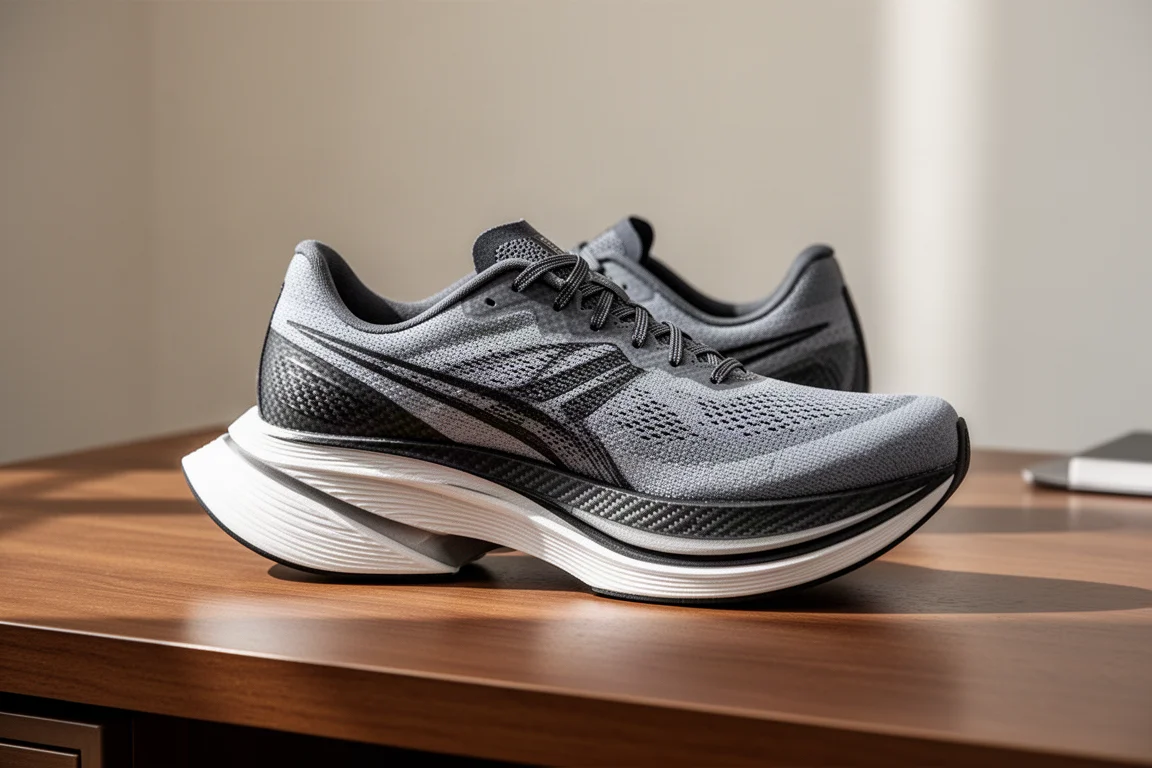
The Pro 3 was the bouncier of the two, and it came remarkably close to the compliance and resilience feel that made the Nike Vaporfly the benchmark in the category. It is a stable, neutral shoe that pulls you forward with a powerful, energetic ride, and it was the shoe that kept earning a spot over that benchmark for many runners.
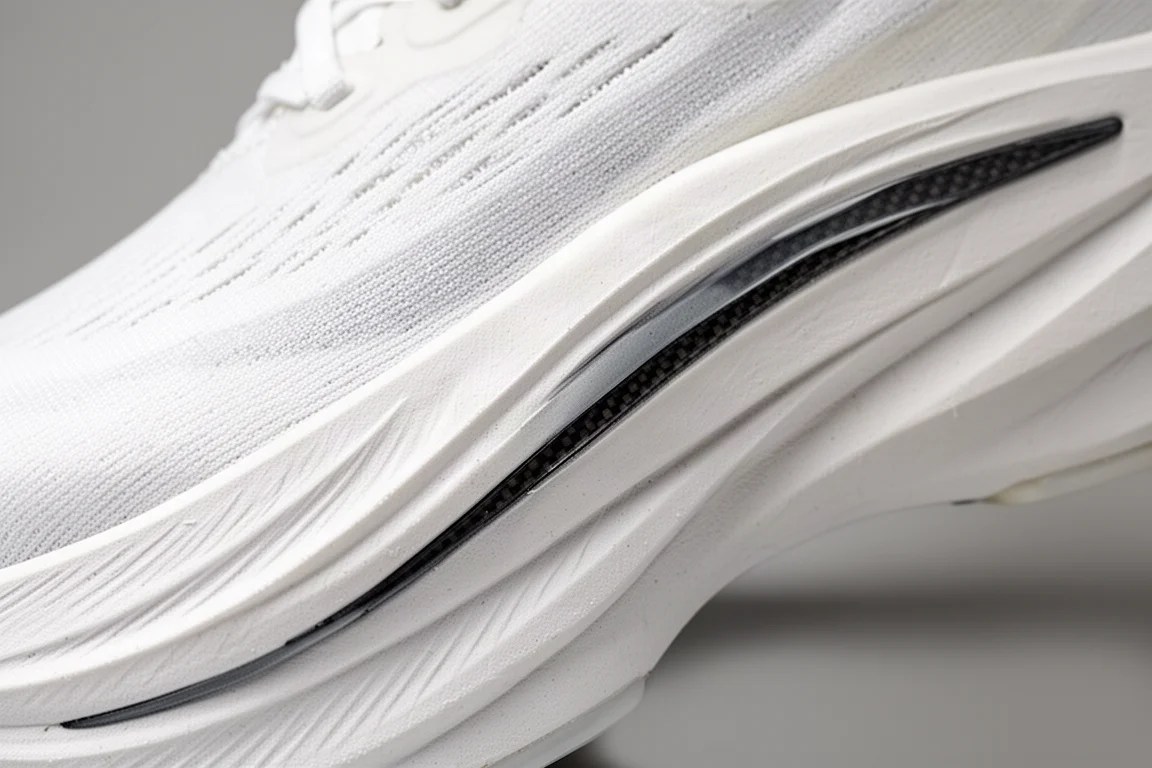
That bounce made the Pro 3 especially fun at faster paces, from 5K up through the half marathon. It is the more versatile pick for genuinely fast efforts, though some runners found all that bounce almost required managing over a full marathon unless they were in very good shape. If you want a shoe that feels explosive at speed, the Pro 3 still holds a special place.
Fit and Upper: The Biggest Practical Difference
Fit is where these two diverge most clearly. The Pro 3 fits snug and narrow, which suits runners who want a true racing fit. It is a light upper that locks the midfoot down well, though some runners needed to lock down the laces through the midfoot.

The Pro 4 has noticeably more width and volume. Runners with wider or higher-volume feet will do much better in the Pro 4, while narrow-footed runners will prefer the Pro 3. The Pro 4 uses a comfortable one-piece sock-like tongue, and both shoes retain similar heel counters that hold the foot securely once laced down. With the Pro 4’s roomier upper, you may need to cinch the laces down to get a secure fit.
Durability and Long-Term Impressions
Both shoes have proven durable in testing, with the Pro 4 expected to comfortably exceed 100 miles even under a heavier-footed runner. With around 35 miles logged so far, the Pro 4 continues to handle both easy mileage and structured workouts without issue, and its added midfoot width makes it the more stable-neutral option of the two.
Which One Should You Buy?
Choose the Pro 4 if you race marathons, favor longer distances and easier efforts, have wider or higher-volume feet, or want a touch more midfoot stability. Choose the Pro 3 if you have narrow feet, race shorter distances at faster paces, or crave that maximum-bounce racing feel. Both are excellent shoes, just tuned for different runners and different race days.
Conclusion
The Endorphin Pro 3 and Pro 4 are more different than they look. The Pro 3 remains the bouncier, faster-feeling shoe for speed and narrow feet, while the Pro 4 is the calmer, roomier, more stable pick built for the marathon distance. Neither is simply better; the right choice depends on your foot shape, your pace, and how far you plan to race.
Further reading
Related Reviews

Running Shoes
Best Road-to-Trail Running Shoes: Three Versatile Options for Mixed Terrain
A practical guide to three road-to-trail running shoes that handle both pavement and mild trails, with clear strengths and trade-offs for different runner types.

Running Shoes
Best Running Shoes for Achilles Tendonitis: Three Options Explained
Three running shoes with different heel drops and support features designed to help reduce Achilles tendon pain during walking and running.

Running Shoes
Best Running Shoes for Women: Five Top Choices Ranked
A ranked guide to five women's running shoes, from versatile daily trainers to high-performance racing options, with real strengths and trade-offs for each.