Running Shoes
Saucony Endorphin Pro 3 vs Endorphin Pro 2: Is the New Racer a Big Step Forward?
The Endorphin Pro 3 adds stack height, drops weight and softens the ride. Here is how it compares with the Endorphin Pro 2 after first runs.
Introduction
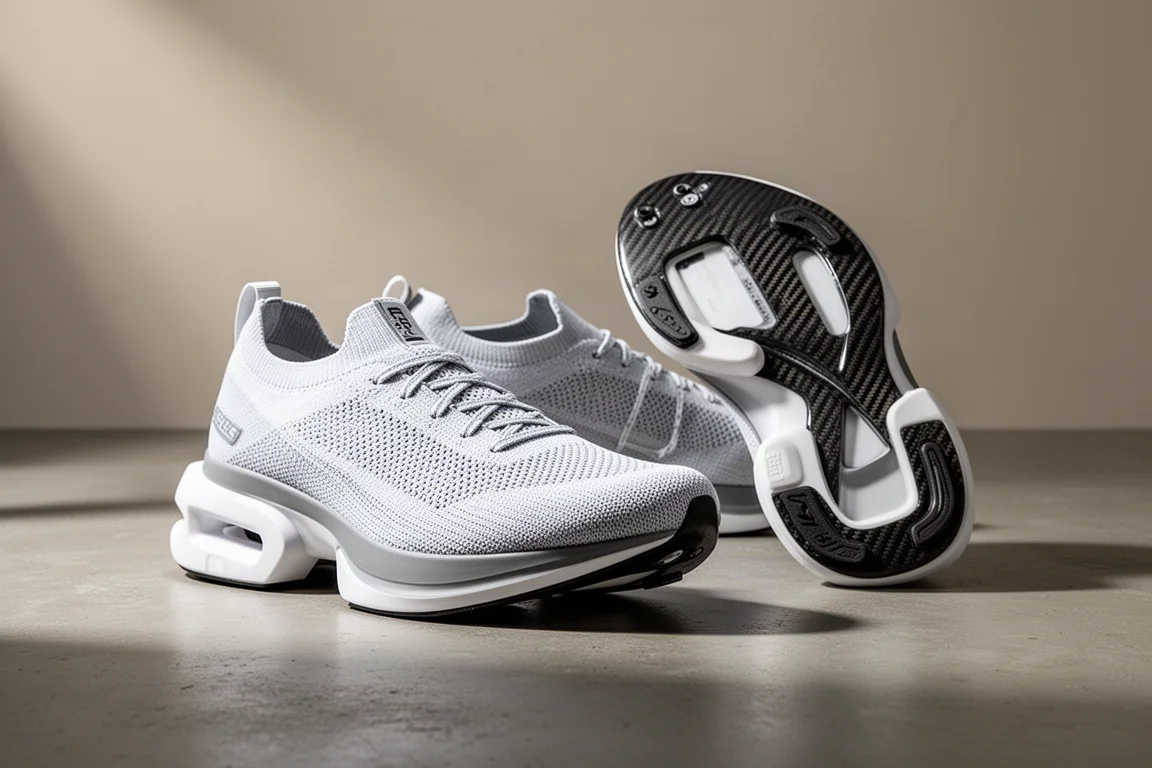
The Saucony Endorphin Pro 3 is the latest version of Saucony’s top-tier carbon racing shoe, and the updates this time are genuinely substantial. Extra stack height, a lower weight and a much softer ride separate it clearly from the Endorphin Pro 2, a shoe that divided testers with its firm, low-slung feel.
After first runs at steady and race-adjacent paces, the Pro 3 comes across as a very different shoe to the one it replaces, and in most respects a better one. This comparison looks at what has changed, how each shoe runs, and which type of runner each suits.
What Has Changed in the Endorphin Pro 3
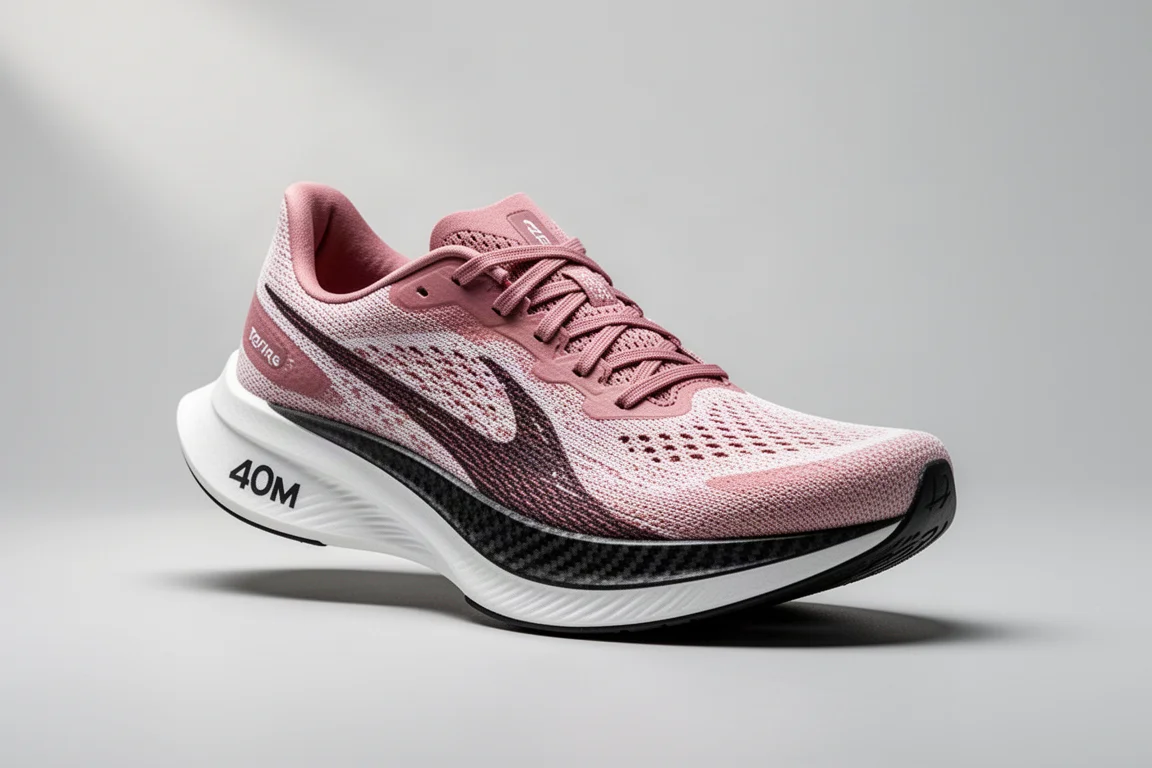
Sizable is the word for the updates. Saucony has added an extra 4 mm of stack height compared with the Endorphin Pro 2, bringing the shoe right up to the World Athletics limit. The listed figures are 39.5 mm at the heel and 31.5 mm at the forefoot, which gives an 8 mm drop.
Despite that extra foam, the weight has gone down. A UK size 9 in the Endorphin Pro 3 weighs 217 g (7.65 oz), compared with 231 g (8.1 oz) for the Endorphin Pro 2 in the same size. The bad news is the price, which has risen to £210 or $225, up from £190 or $200 for the Pro 2.
The upper is a new form-fit design with a sock-style tongue that hugs the foot closely. It is very breathable, with large perforations and even circles cut out of the tongue itself to save weight. There is still some structure and padding around the collar and heel, plus a slightly built-up section of foam at the bottom of the heel for added stability.
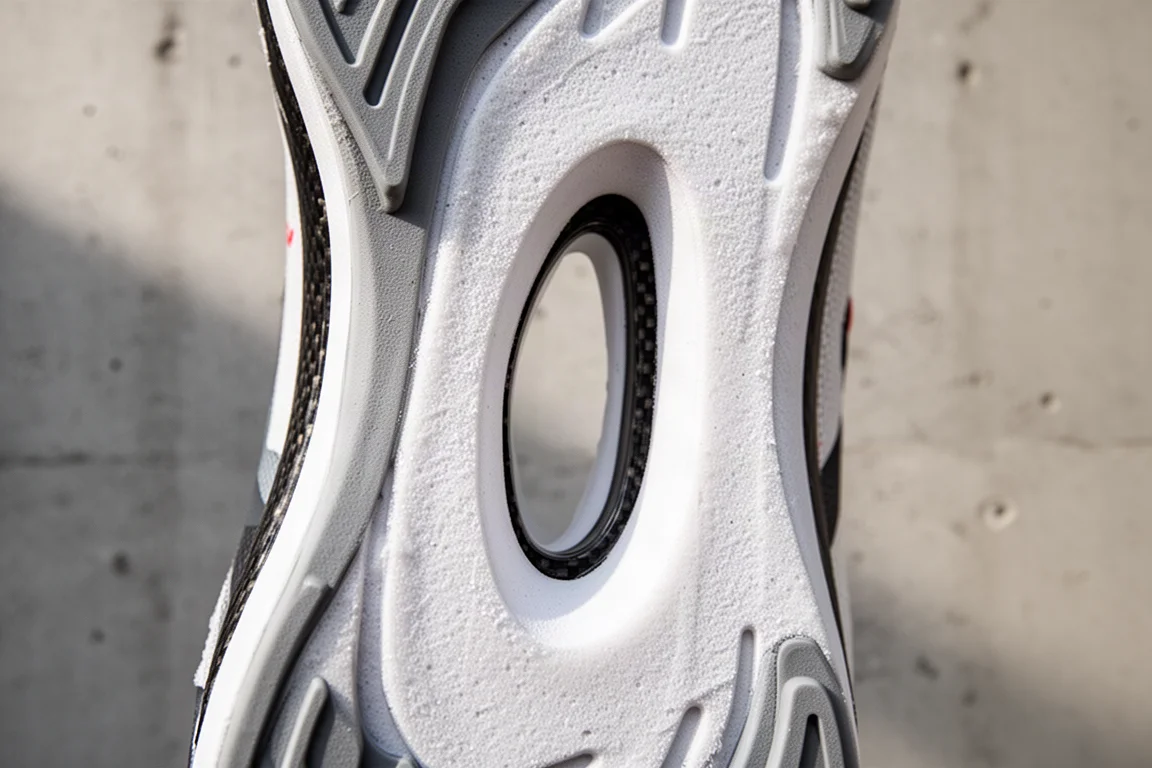
The midsole keeps the same core recipe as before: a big stack of PWRRUN PB, Saucony’s PEBA-based superfoam, a full-length carbon plate and the SpeedRoll geometry that has defined the Endorphin line since it launched. New for the Pro 3 are a couple of substantial midsole cutouts that expose the carbon plate, with the large central cutout designed to shave a little more weight.
Underfoot there is now an XT-900 outsole, a very hard-wearing rubber with more coverage than the outsoles on earlier versions, which were not always the best at gripping in wet conditions.
Endorphin Pro 3: Fit and Sizing
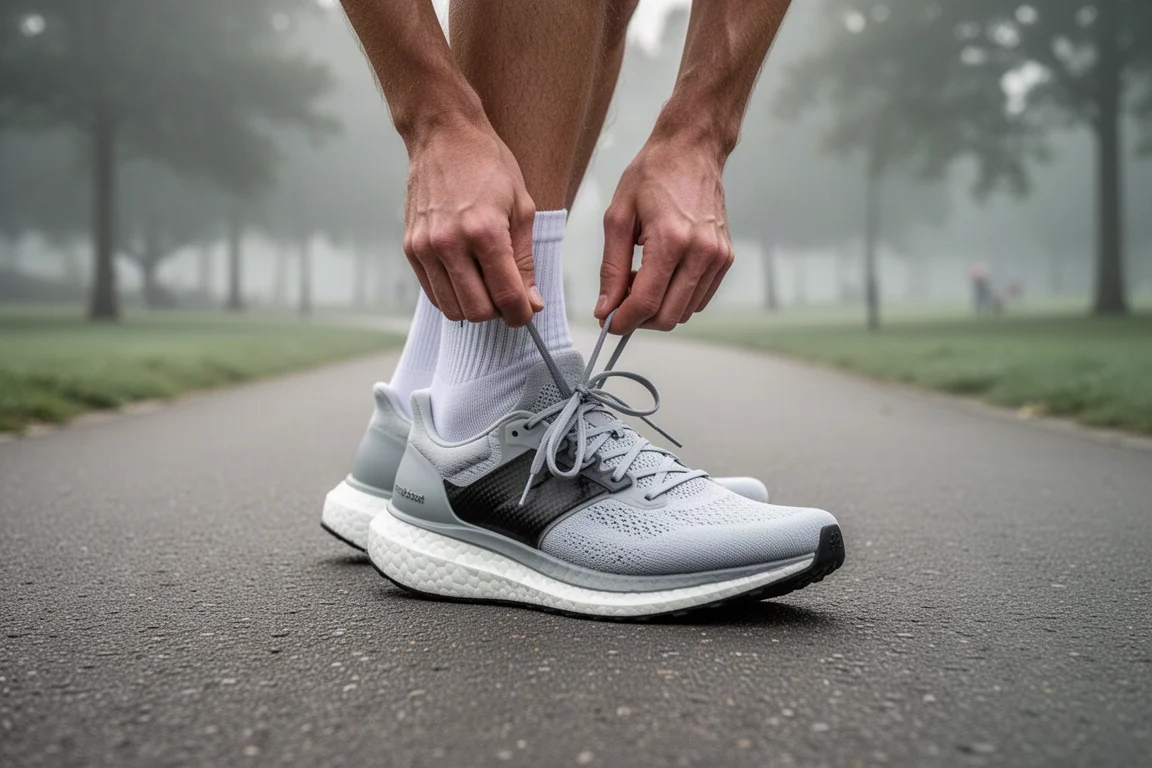
The Pro 3 fits true to size. Testers found it comfortable without feeling too narrow, with a small but useful amount of room in front of the toes, which is exactly what you want in a race shoe.
The new upper seems to offer a bit more space on the top of the foot than the Pro 2. It sits snug against the top of the toes with generous room along the sides, while midfoot and heel lockdown is similar to the previous shoe. The tongue is thin and a little odd in shape, but it caused no real problems on the run, and the thin, light laces keep the overall feel clean.
Endorphin Pro 2: The Baseline
The Endorphin Pro 2 is the shoe the Pro 3 has to beat, and it is worth being honest about its character. It uses the same ingredients in principle, PWRRUN PB foam with a full-length carbon plate and SpeedRoll geometry, but with less stack and a firmer, more aggressive feel.
Some runners liked that firmness and found the Pro 2 fine for short-distance racing. Others found it harsh over longer efforts, lacking the cushioning and comfort needed to settle into a rhythm or push the pace late in a run. The Pro 2 also carried more weight, 231 g in a UK size 9, and had less outsole coverage, with more exposed foam and a weaker reputation in the wet.
Ride and Performance
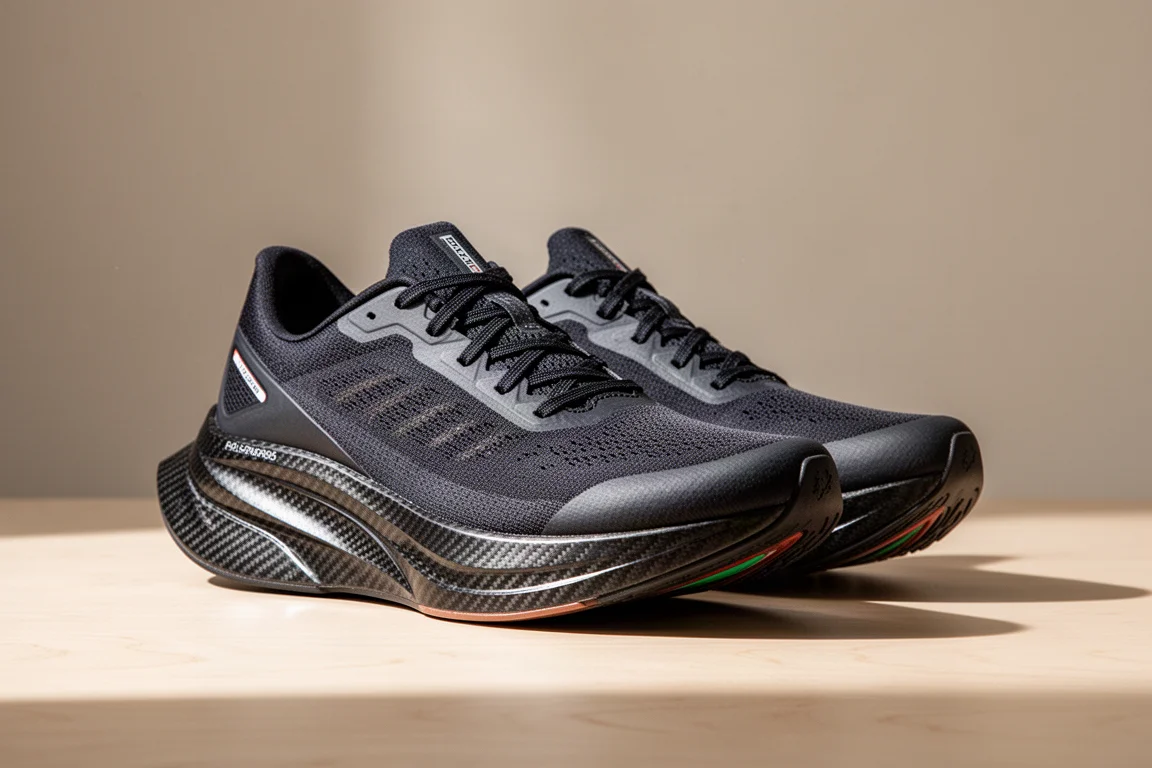
On a steady 10-mile run, the Pro 3 delivered a clearly softer, bouncier ride than its predecessor. There is much more of a sink into the foam and a pop from the higher stack, and the cushioning protected well on downhills. The smoothness of earlier versions is slightly reduced, but the trade is more bounce and, overall, a better ride.
The shoe stays comfortable when jogging at easy paces, then firms up and springs into life when the pace lifts. That combination of easy-speed comfort and high-speed response makes it feel far more like the familiar super shoe archetype than the Pro 2 ever did. Runners who found the old Pro too firm are likely to prefer this version.
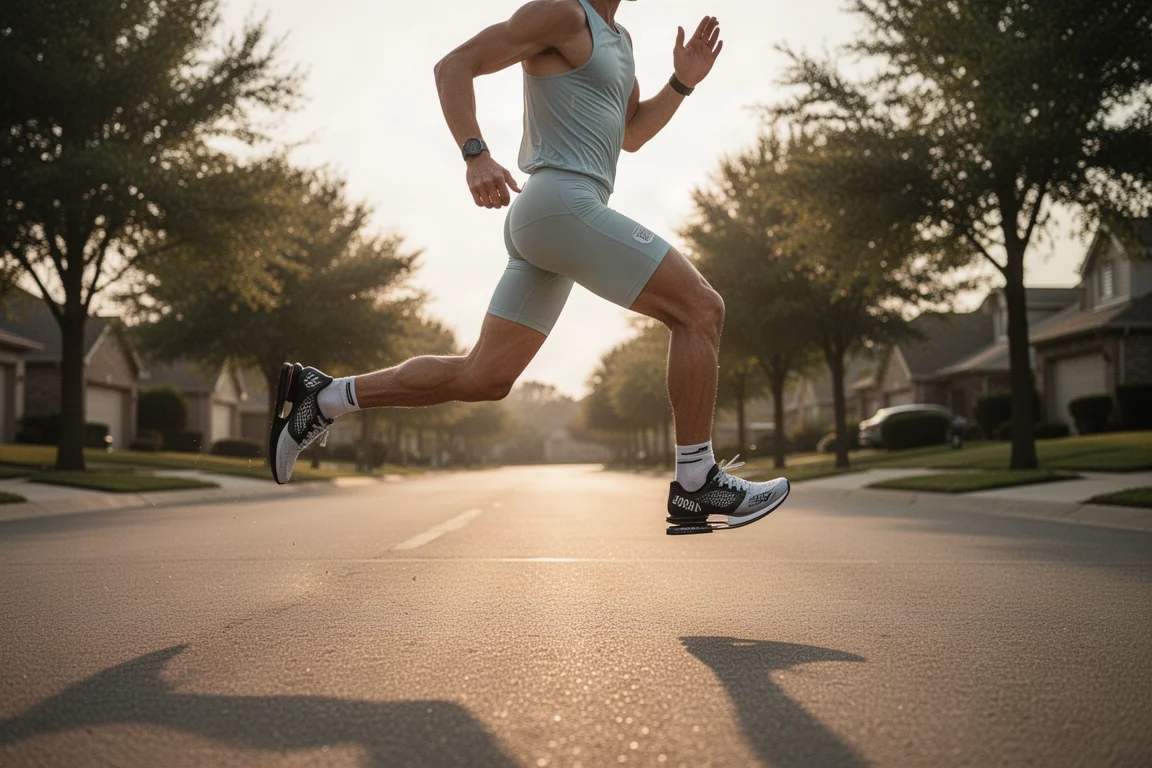
At around 4:15 per kilometre over 5K, the Pro 3 was genuinely enjoyable. The PWRRUN PB midsole feels much softer here than in the Pro 2, with a cushioned, bouncy and efficient turnover, and the heel cushioning is noticeably good even for forefoot runners. The ride is not quite in the same camp as the most aggressive marathon racers; it feels closer to a fast tempo and racing all-rounder, a shoe you can happily keep going in at speed.
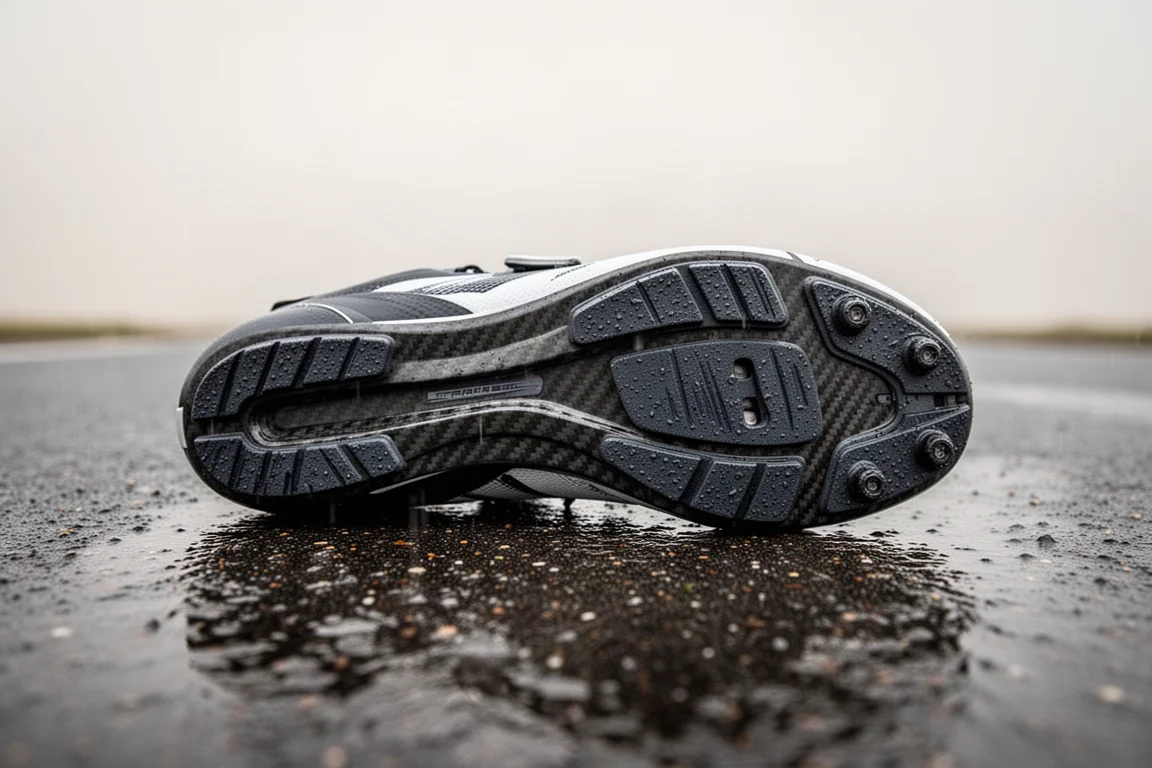
Grip is another improvement. Testers started runs in dry conditions that ended in heavy rain, and the XT-900 outsole held up well on roads and mildly hilly sections. With more rubber coverage and less exposed foam than the Pro 2, the outsole looks like a strong point, comparable to the grip of some of the best shoes in the category.
Value and Where It Sits
The Pro 3’s price has moved above £200 to £210 or $225, which puts it firmly in premium super shoe territory. It is still cheaper than the Nike Alphafly and the ASICS alternatives, which makes it a potentially appealing option if the very top of the price ladder is out of reach.
With the extra stack and softer foam, the Pro 3 now sits alongside the bigger performance shoes in the category rather than a tier below. It looks suitable for marathon racing and appears to work well at shorter distances too. For runners who liked the Pro 2’s firmer character, it is worth noting that the Pro 3 is a different proposition: comfier, cushier and, in the testers’ view, a step up from the Endorphin Speed as well, which is a first for this line.
Verdict: A Major Step Forward
The Endorphin Pro 3 is a major improvement over the Endorphin Pro 2. It is more comfortable, lighter, better cushioned and better equipped for wet roads, while keeping the SpeedRoll geometry that makes the line special. After a first run, it is already a credible contender among the best carbon plate shoes available.
For anyone racing a marathon or chasing fast 5Ks, and especially for runners who were put off by the firmness of the Pro 2, the Pro 3 is an easy recommendation. The main caution is the higher price, but the scale of the updates makes the increase easier to accept.
Conclusion
The Endorphin Pro 3 addresses nearly every complaint aimed at the Pro 2: it adds stack, drops weight, softens the ride and improves traction, all while keeping the geometry that made the line popular. The Pro 2 remains a firmer, cheaper option that some short-distance racers may still prefer, but as an all-round carbon racing shoe, the Pro 3 now stands clearly ahead.
Further reading
Related Reviews

Running Shoes
Best Road-to-Trail Running Shoes: Three Versatile Options for Mixed Terrain
A practical guide to three road-to-trail running shoes that handle both pavement and mild trails, with clear strengths and trade-offs for different runner types.

Running Shoes
Best Running Shoes for Achilles Tendonitis: Three Options Explained
Three running shoes with different heel drops and support features designed to help reduce Achilles tendon pain during walking and running.

Running Shoes
Best Running Shoes for Women: Five Top Choices Ranked
A ranked guide to five women's running shoes, from versatile daily trainers to high-performance racing options, with real strengths and trade-offs for each.