Running Shoes
Saucony Endorphin Pro 3 vs Pro 2 vs Pro 1: How the Racing Lineup Has Evolved
A hands-on comparison of all three Endorphin Pro iterations, covering weight changes, midsole feel, fit, and a heel counter issue worth knowing about before you buy.
Introduction
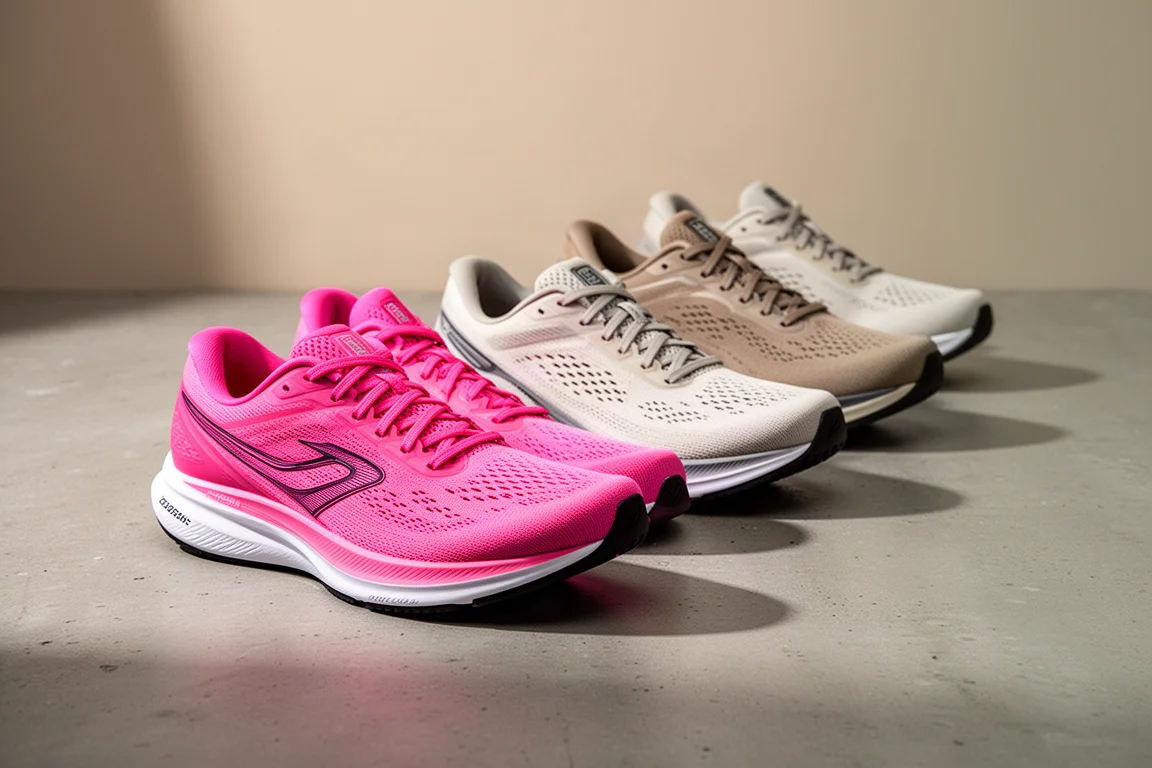
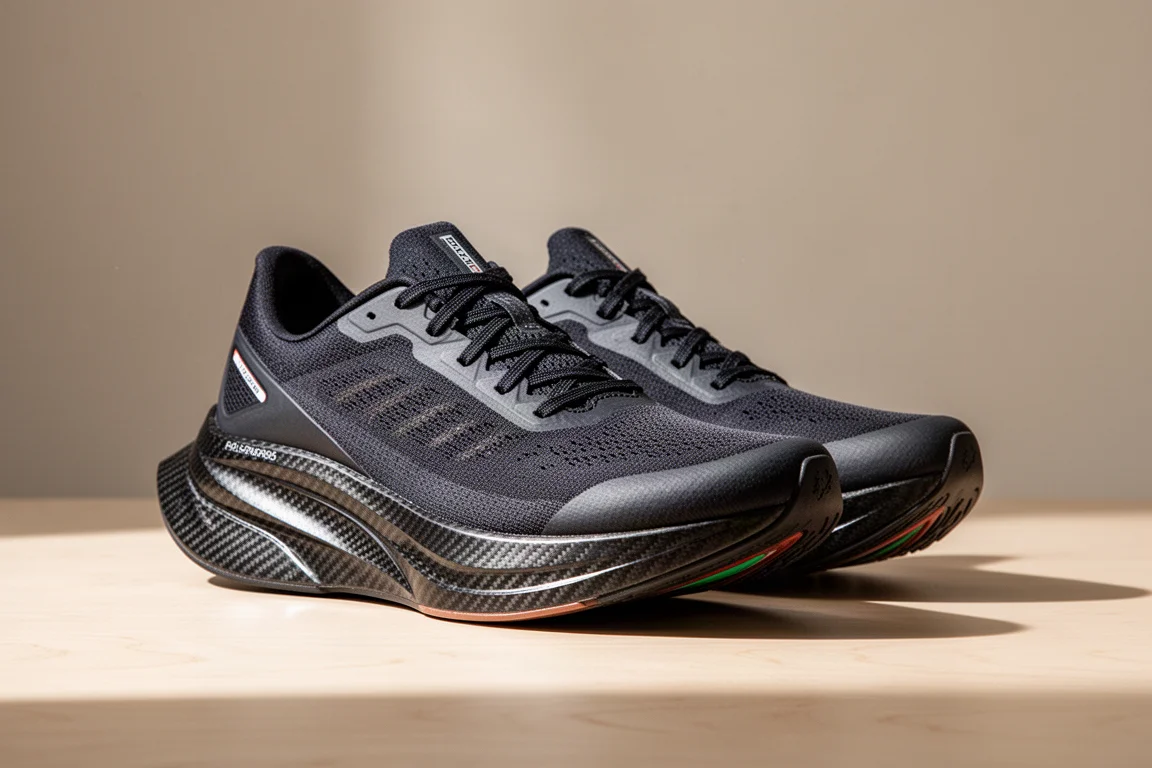
Saucony’s Endorphin Pro line has gone through three iterations, and each one has shifted the recipe slightly: weight, midsole volume, and interior fit have all moved between versions. Putting the Pro 1, Pro 2, and Pro 3 side by side makes those changes much easier to see, and it also makes it easier to decide which version actually suits your racing needs.
How the Three Versions Were Tested
All three shoes were measured on a scale, and the midsole heel width was checked with a caliper. Durometer readings were taken on each midsole as well, though with a caveat: these are not brand-new samples, so the foam readings should be taken with a grain of salt. Fit testing started with very thin running socks, because sock thickness has a real impact on fit, and a follow-up run in thicker socks is part of the plan.
One practical note for anyone testing shoes the same way: thin socks can make a shoe feel looser through the toe box than it would with everyday socks, so fit impressions are always relative to what you put on your feet.
Saucony Endorphin Pro 1: The Lightest of the Lineup
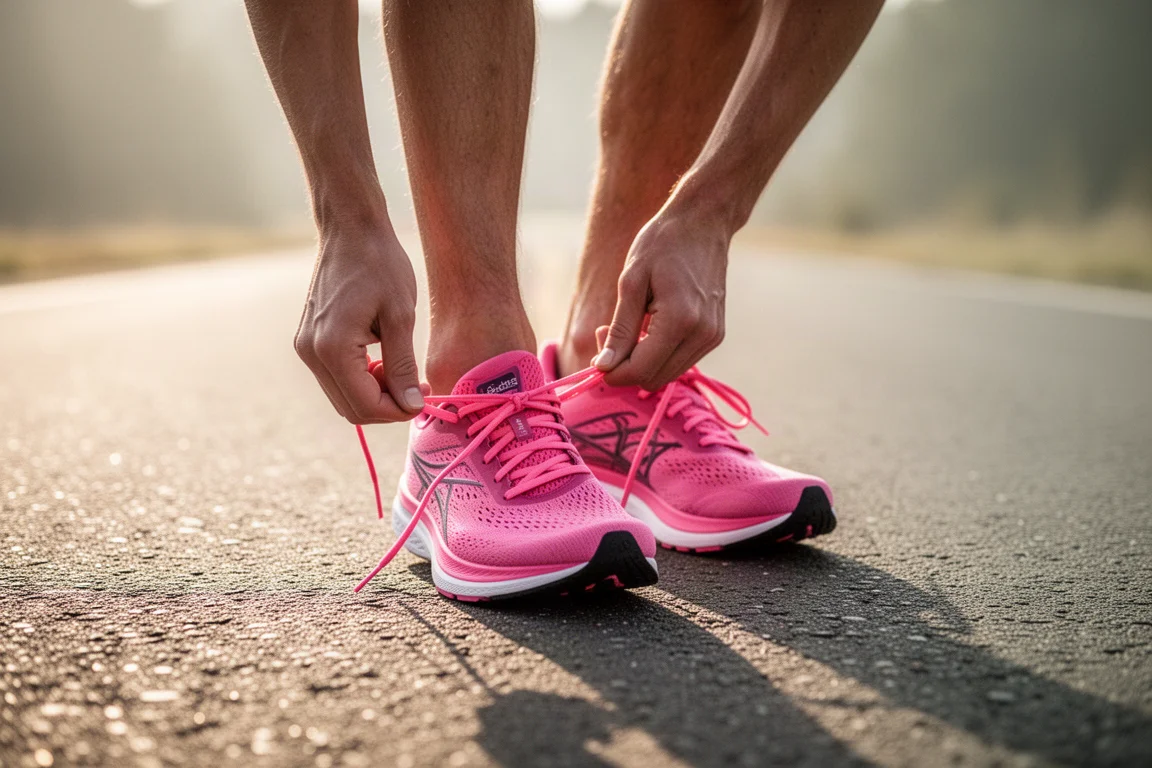
The original Pro 1 came in at 6.7 ounces on the scale, making it the lightest shoe of the three. That featherweight character is part of what makes it intriguing to revisit even now, and it is a big part of why this first version still has fans among runners who prioritize a minimal racing feel.
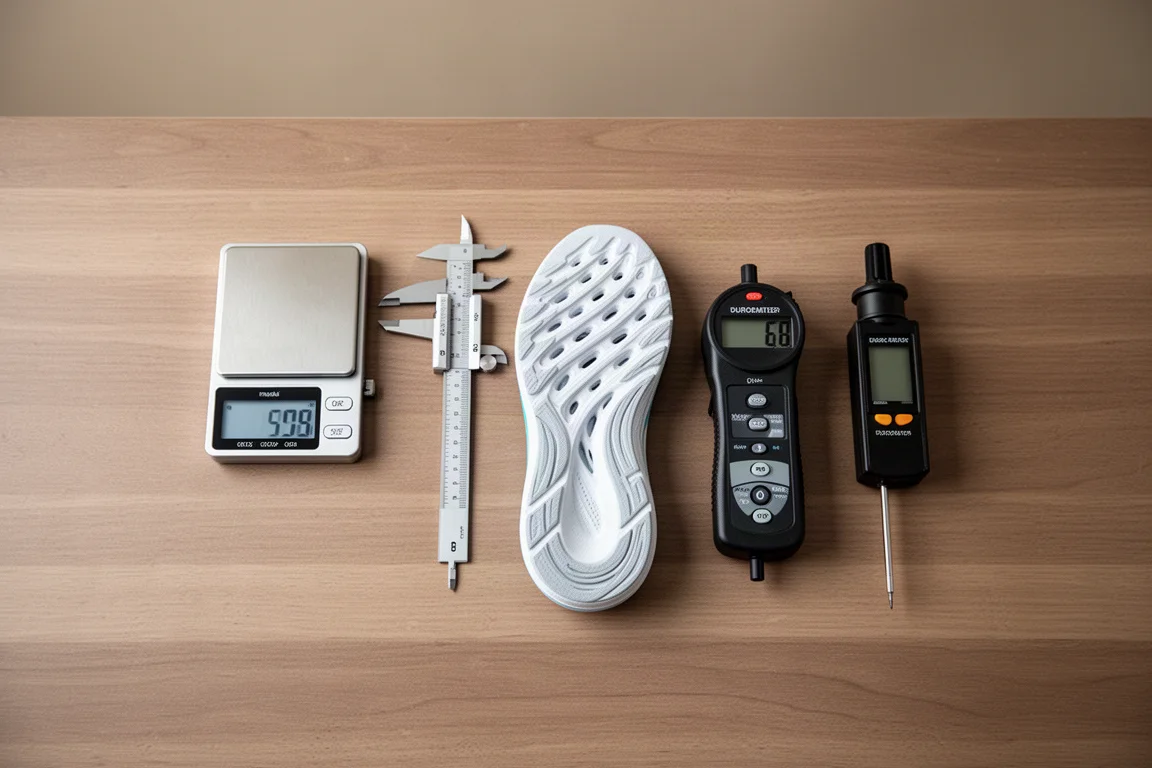
Durometer readings on the Pro 1 landed around the mid-30s, though again, sample age makes these numbers a reference point rather than a verdict on fresh foam.
Saucony Endorphin Pro 2: A Noticeable Jump
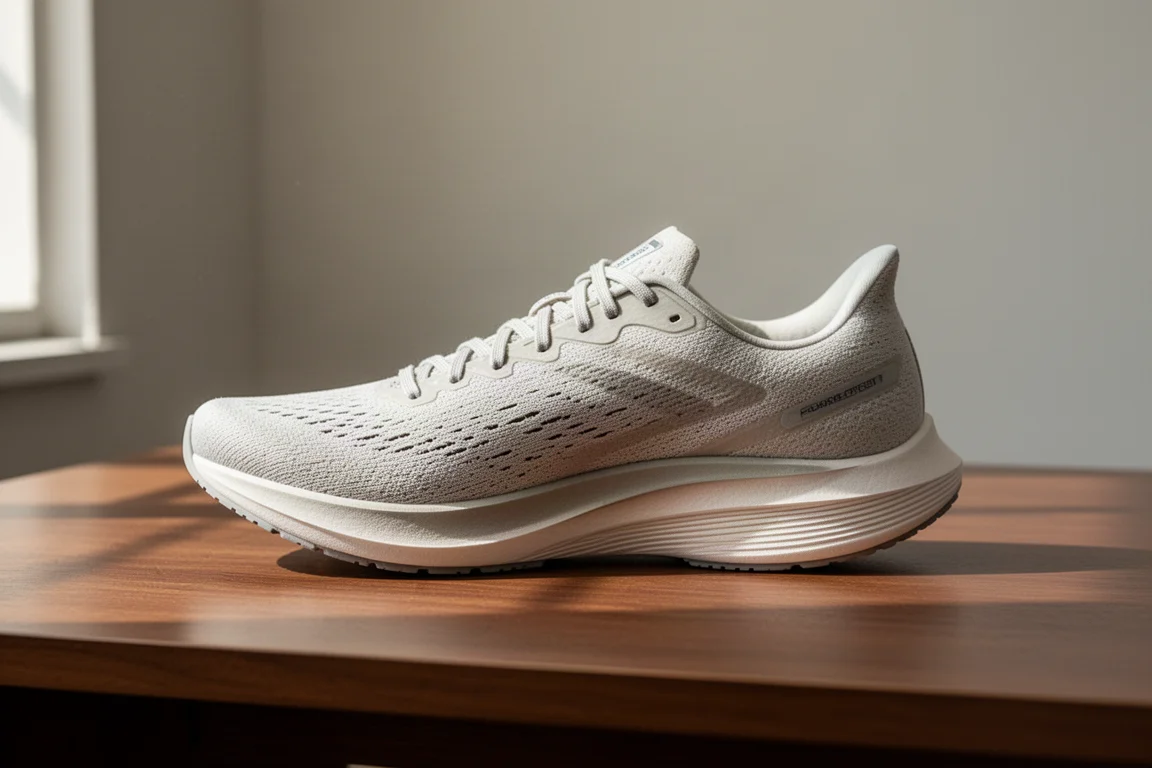
The Pro 2 measured 7.1 ounces, a surprising step up from the first version and the heaviest of the trio. Its midsole durometer readings came in around 36 to 39, suggesting a slightly firmer character than the Pro 1 sample.
If you are shopping the used or clearance market, the Pro 2 occupies a middle ground: more shoe underfoot than the original, but not the refined feel of the newest release.
Saucony Endorphin Pro 3: The Current Flagship
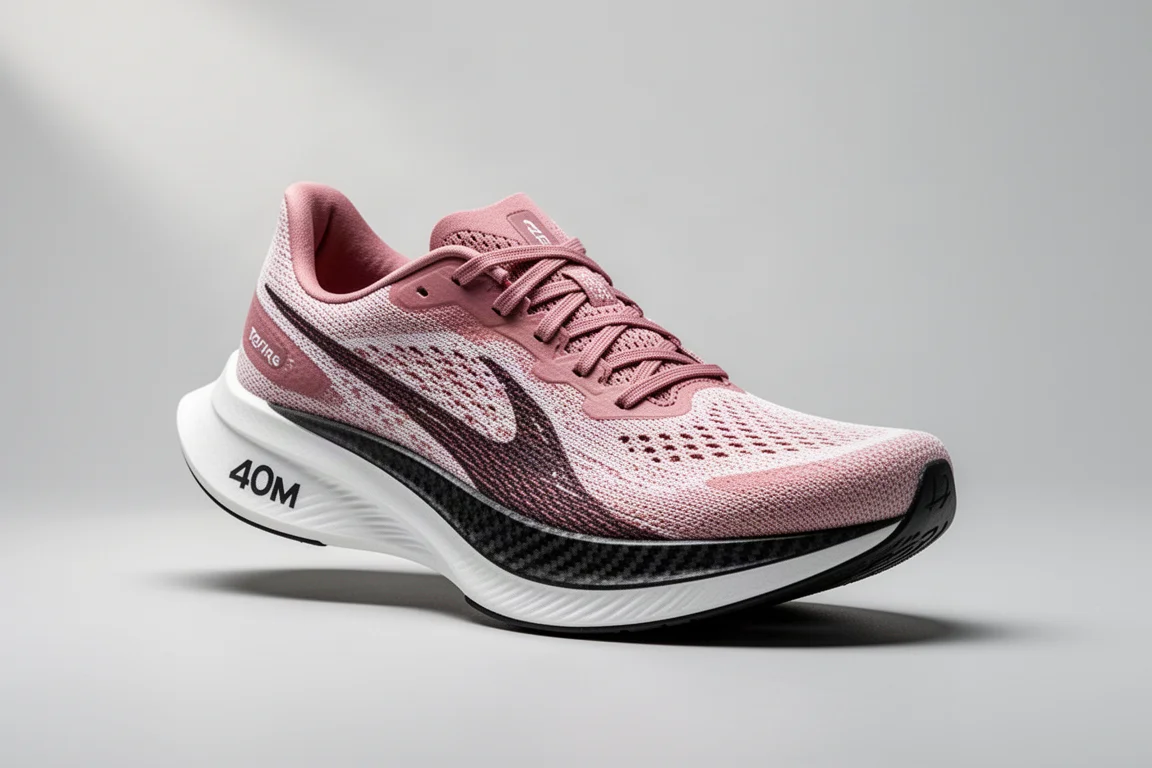
The Pro 3, tested in a pink colorway, came in at roughly 6.98 ounces on the scale after a run, which suggests it likely dropped slightly below the Pro 2 in a fresh state. That is welcome news, and credit to Saucony for trimming weight back in the third version.
The midsole also packs more volume into the heel area, measuring roughly two to three millimeters wider than the Pro 2, which changes the underfoot feel and likely contributes some of that weight. Durometer readings on the Pro 3 sample ranged from around 30 to 34, feeling a touch softer than the older pairs.
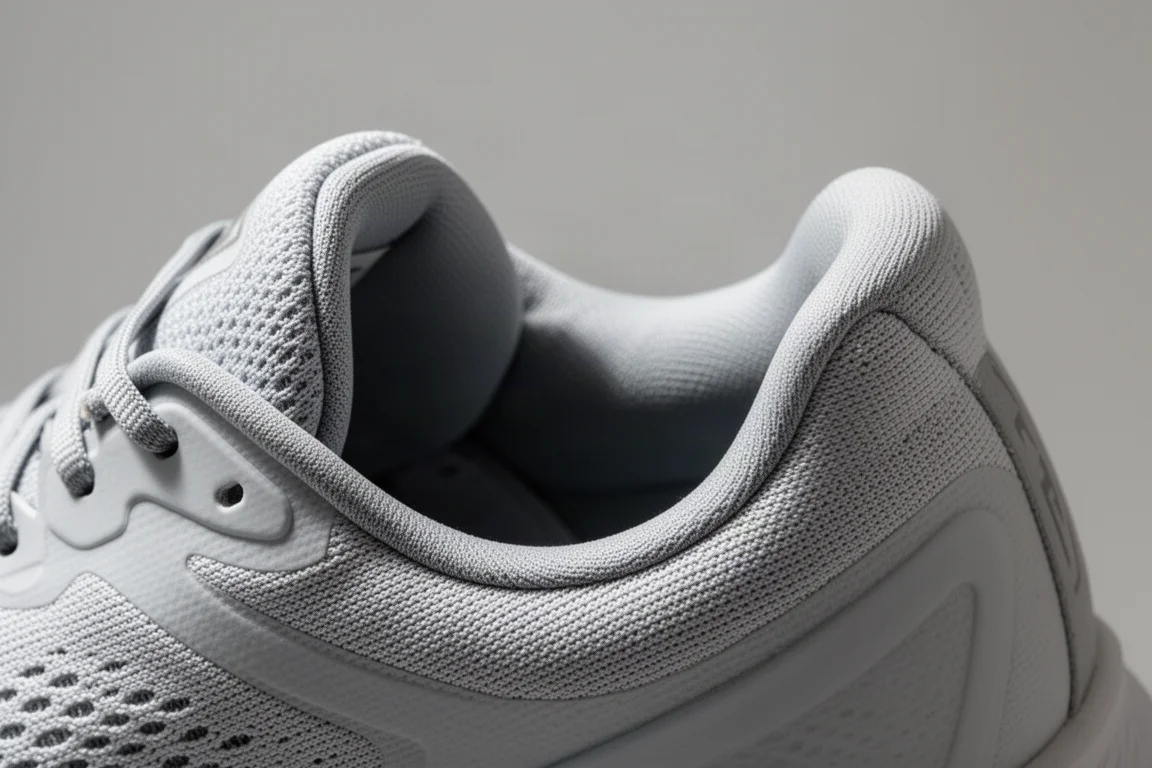
Fit is where the Pro 3 needs a caveat. With thin socks, the toe box felt a little loose, and the heel counter caused rubbing on both Achilles tendons, enough that a bandage was needed to prevent blistering. The inner lining at the heel seems slightly less soft than it should be, and softening that lining would likely fix the issue. Beyond that, the fit felt good overall. If you are between sizes, going half a size down or pairing the shoe with a slightly thicker sock is a reasonable move, especially for race day when you do not want your foot sliding around.
Buying Advice: Which Endorphin Pro Should You Choose
If you want the lightest, most minimal racing feel and can find it, the original Pro 1 remains an appealing option. The Pro 2 is the heaviest of the three but sits at a middle point in feel, and it may represent good value on clearance for runners who are a generation behind on shoe buying. The Pro 3 is the most current and refined of the lineup, with reduced weight versus the Pro 2 and a fuller heel midsole, but the heel counter rubbing is worth taking seriously before committing, especially if you have sensitive Achilles areas.
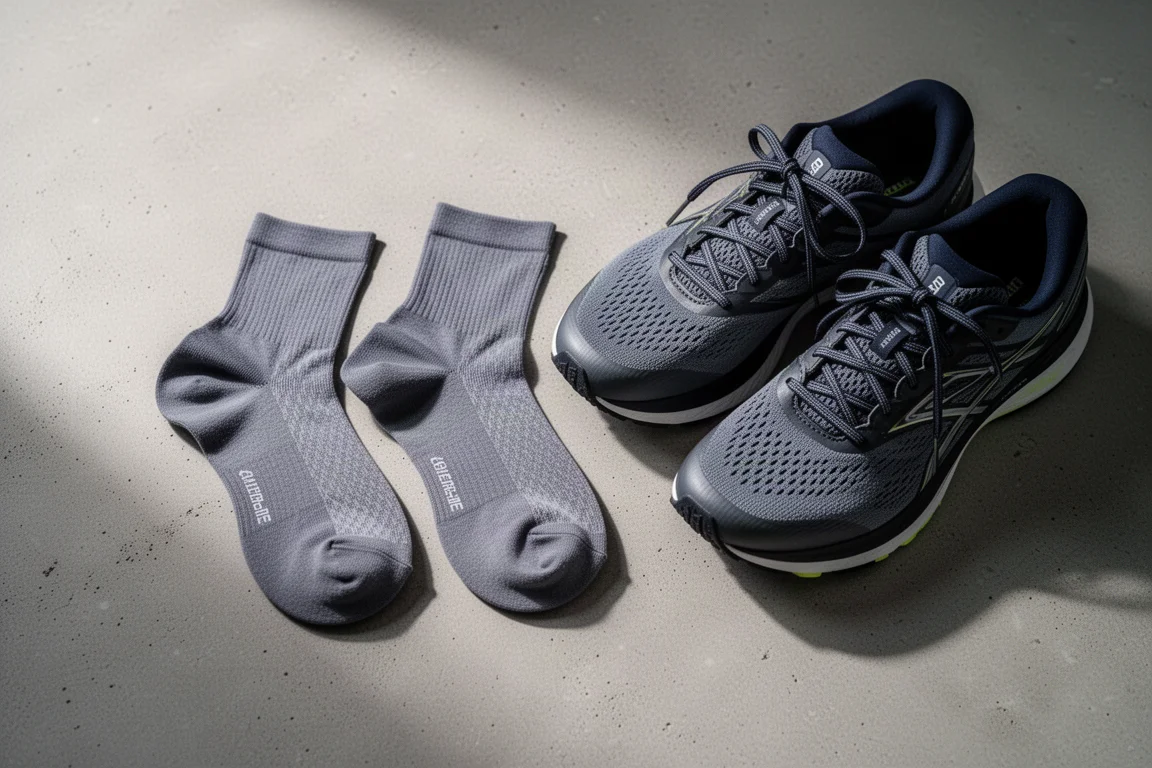
A broader tip that applies to any of these shoes: sock choice matters. Newer runners can simply buy a few pairs of quality running socks and not overthink it, but as you race more in varying temperatures, learning to pair sock thickness with shoe fit becomes genuinely useful. Your feet are the foundation of everything, whether you train ten hours a week or twenty-five.
Conclusion
Across three generations, the Endorphin Pro has traded weight back and forth: the Pro 1 was the lightest at 6.7 ounces, the Pro 2 gained to 7.1, and the Pro 3 clawed much of that back while adding heel midsole volume. The Pro 3 is the strongest all-around pick if the heel counter does not bother you, while the earlier versions remain viable picks depending on price and availability in your area.
Further reading
Related Reviews

Running Shoes
Best Road-to-Trail Running Shoes: Three Versatile Options for Mixed Terrain
A practical guide to three road-to-trail running shoes that handle both pavement and mild trails, with clear strengths and trade-offs for different runner types.

Running Shoes
Best Running Shoes for Achilles Tendonitis: Three Options Explained
Three running shoes with different heel drops and support features designed to help reduce Achilles tendon pain during walking and running.

Running Shoes
Best Running Shoes for Women: Five Top Choices Ranked
A ranked guide to five women's running shoes, from versatile daily trainers to high-performance racing options, with real strengths and trade-offs for each.