Running Shoes
Saucony Endorphin Pro 3 vs Nike Vaporfly 3: Two Top Carbon Racing Shoes Compared
Two of the best carbon plate racing shoes go head to head on ride, fit, comfort, and durability to help you pick the right one for race day.
Introduction
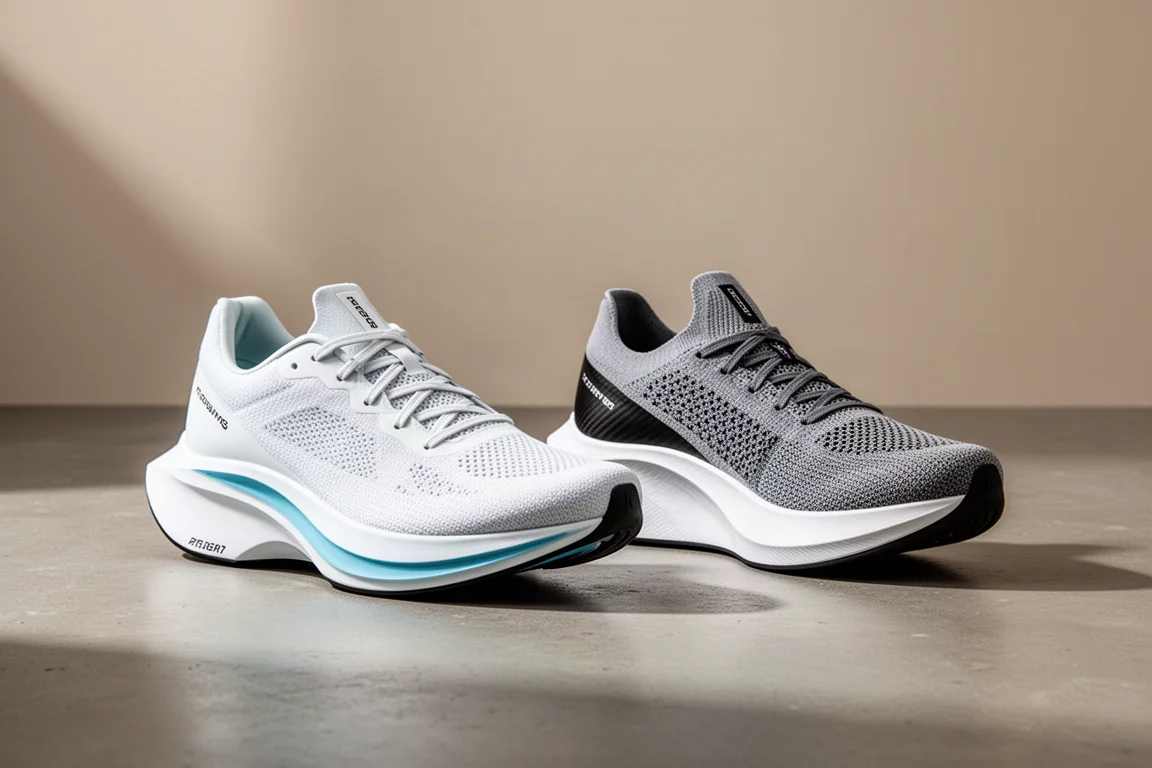
Two of the most popular carbon plate racing shoes around, the Saucony Endorphin Pro 3 and the Nike Vaporfly 3, are closer than ever in terms of ride and overall performance. That makes choosing between them genuinely difficult, and the deciding factors now tend to be fit preference, durability, and price rather than outright speed.
On paper the two are near equals. The Nike Vaporfly 3 costs £234.95 or $250 and weighs 188 grams (6.6 oz) in a men’s size 8, with an 8mm drop. The Saucony Endorphin Pro 3 costs £210 or $225 and weighs 209 grams (7.4 oz) in a men’s size 8, also with an 8mm drop.
What Changed in Each Shoe
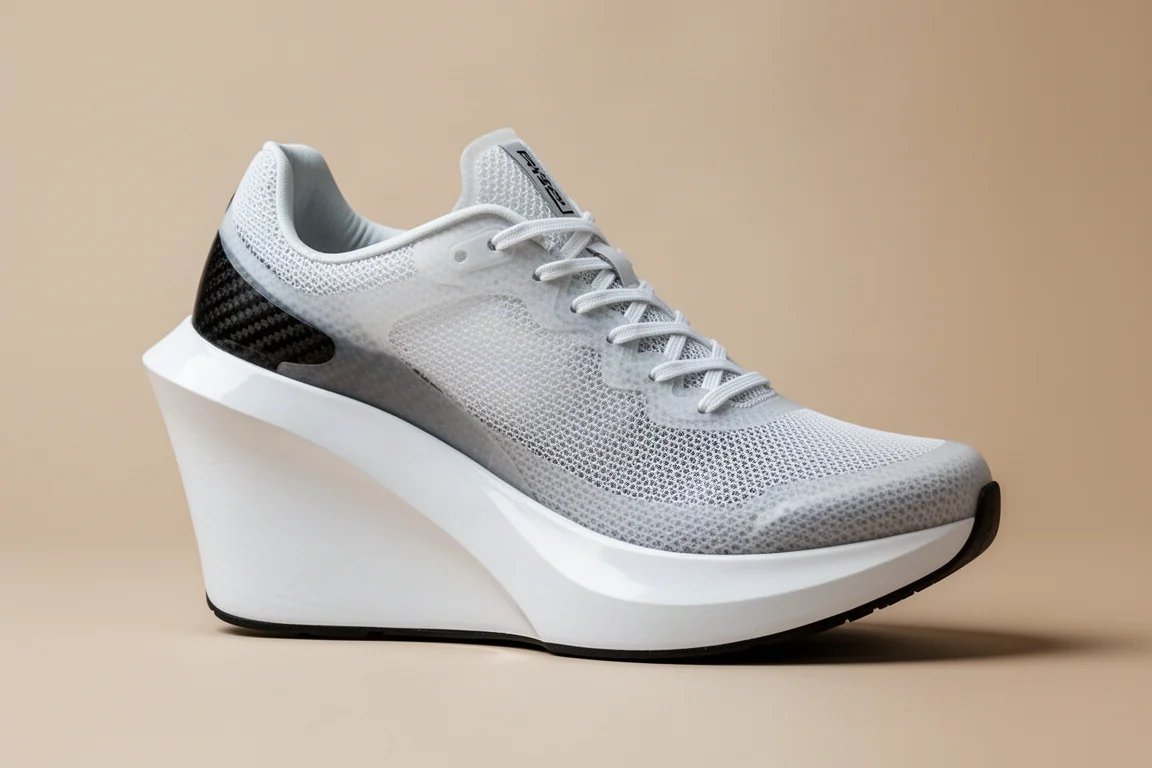
The Vaporfly 3 is the update to the hugely popular Vaporfly 2, with changes aimed at comfort and race-day performance. The outsole is thinner than before, which allowed for slightly more midsole foam, and a new waffle rubber at the front improves grip and durability. There is also a wider heel base for stability, a new Flyknit upper for breathability, a roomier toe area, a padded tongue, and an internal foam pod in the heel for extra cushioning.
The Endorphin Pro 3 gets its most noticeable update in the midsole, with a stack height of 39.5mm in the heel and 31.5mm in the forefoot. The PWRRUN PB foam works with an S-curve carbon fiber plate to create a soft, bouncy ride, while the Speedroll design helps propel the foot forward. The upper is a lightweight, breathable mesh with a formfit structure, and an XT900 outsole protects the foam and offers road grip.
Saucony Endorphin Pro 3
The Endorphin Pro 3 stands out for how accessible and comfortable it feels. The ride is smooth and natural rather than aggressive, helped by the Speedroll rocker geometry, and it suits everything from an easy 5K to a full marathon effort. Fit is snug and secure, with a better lockdown across the top of the foot and in the heel than the Vaporfly 3, and sizing runs true to size with enough toe room for marathon distance.
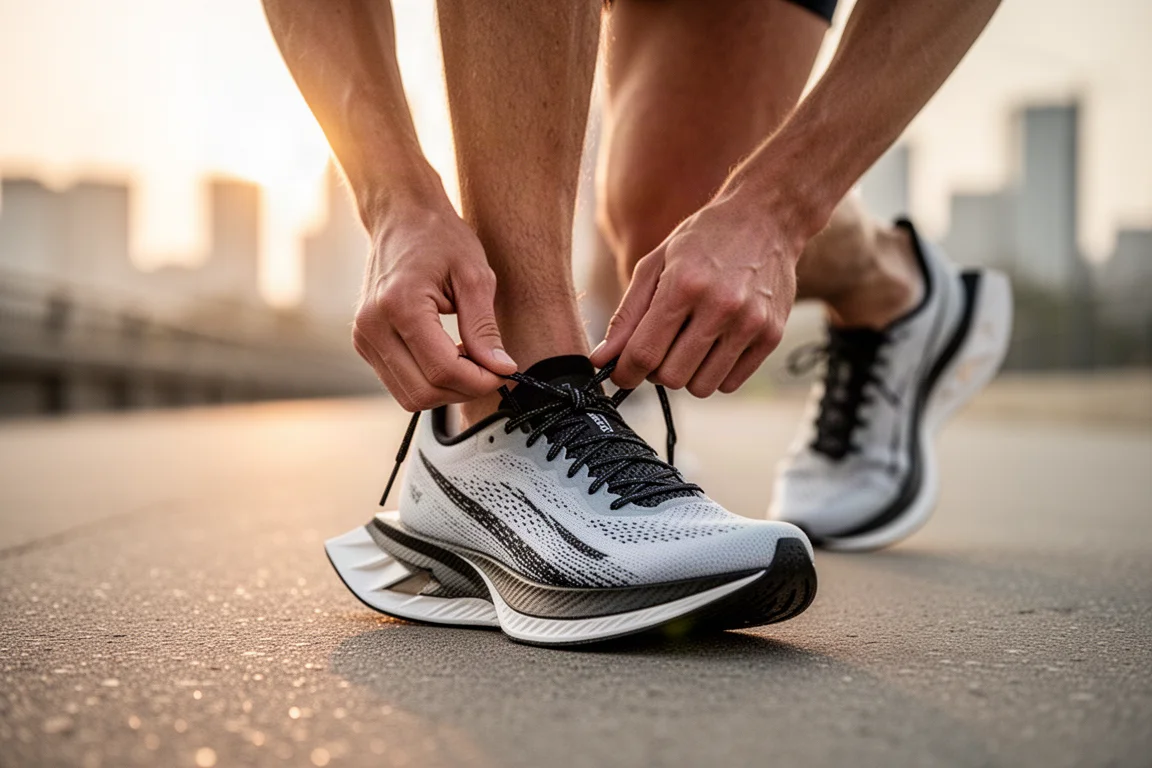
One thing to note: the foam softened slightly after roughly the first 100K, losing a little of the punch it had on fast runs early on. Outsole durability, however, has been excellent, and the upper still holds its shape well, making this a shoe that works for plenty of training as well as racing.
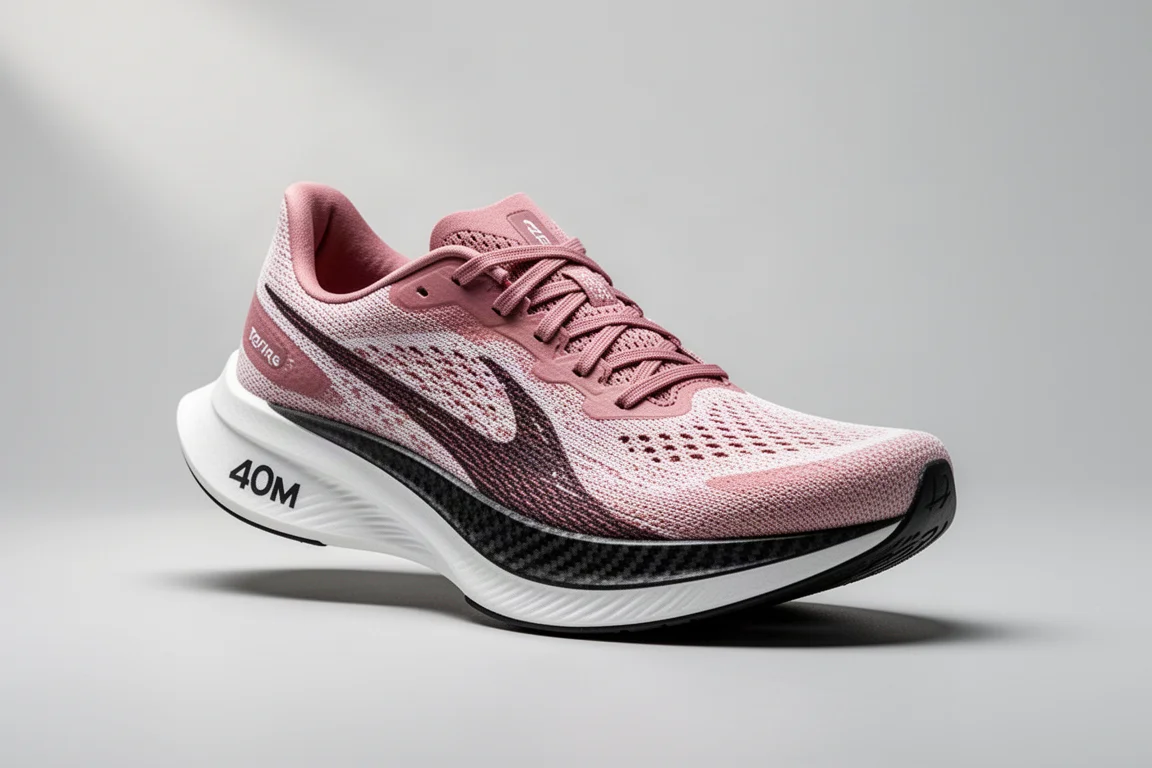
Nike Vaporfly 3
The Vaporfly 3 is a tweak of the Vaporfly 2 rather than a dramatic overhaul. It feels slightly lighter on the foot, and the ZoomX foam compresses more deeply then responds, giving a punchy, propulsive feel that is hard to beat on fast runs and short races. There is also a little more cushioning underfoot than the Vaporfly 2, which shows up late in a race on tired legs.
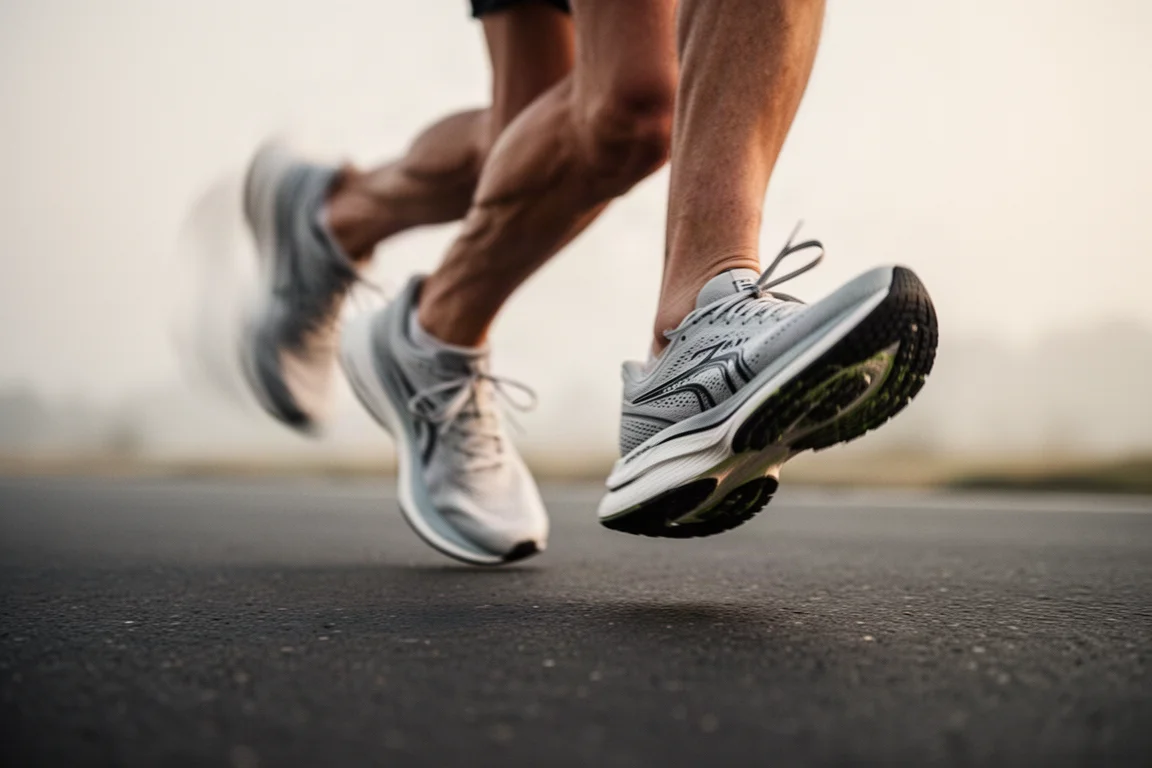
Fit is true to size and roomy and airy in the forefoot, but the lockdown is looser than the Saucony, with some movement in the shoe, and the new upper shows early signs of stretching. A thin outsole at the back of the shoe also wears faster than previous models, so this is best kept for race day and key workouts.
Ride and Performance
The gap between these two shoes has narrowed dramatically. The Vaporfly 3 now feels much closer to the Endorphin Pro 3 in cushioning and foot feel than the Vaporfly 2 ever did, and both deliver a similar amount of energy return. These are effectively very similar shoes.
The differences that remain are in character. The Vaporfly 3 gets a bit more back from the foam and feels slightly more aggressive and racy, which helps on 5K and 10K races and at the back end of a marathon. The Endorphin Pro 3 is smoother and more stable, with a firmer-feeling bed that rebounds quickly, and its rocker geometry makes it very easy to find a fast, fluid rhythm.
Durability
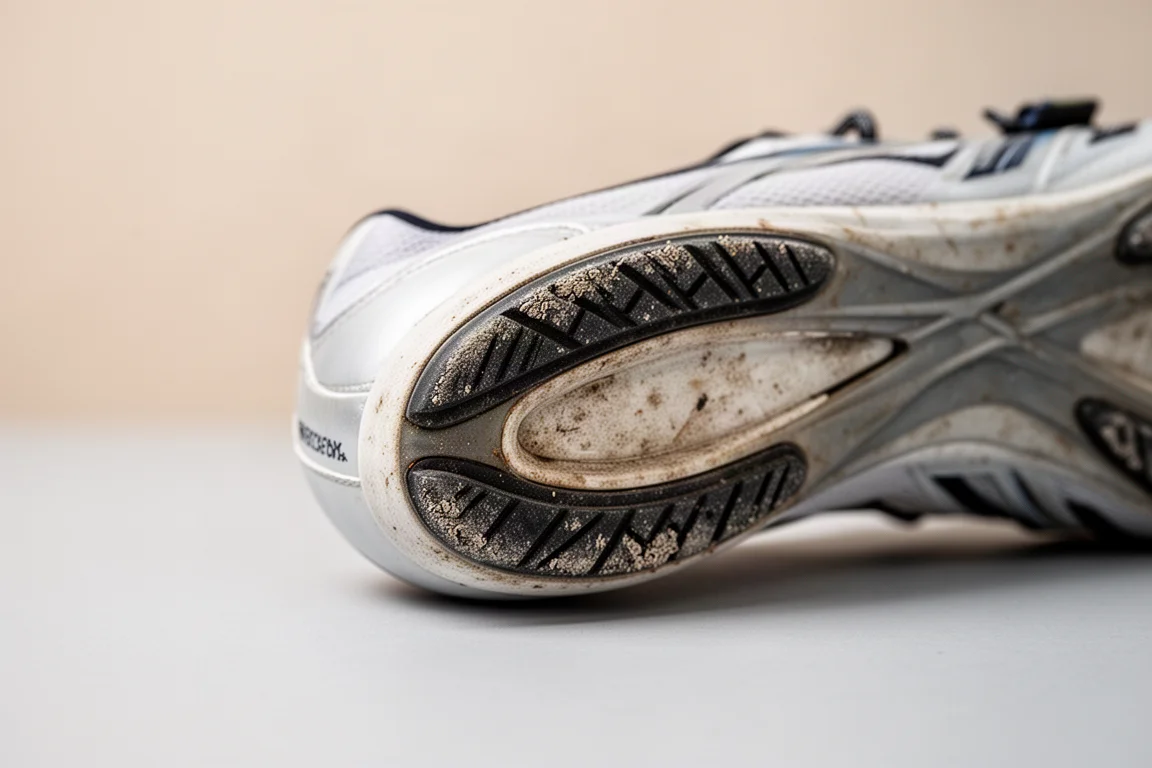
Durability is where the two diverge most. The Endorphin Pro 3 showed no real wear-and-tear issues, though the midsole loses some of its snap after the first 100K. The Vaporfly 3 keeps its midsole performance beyond 100K, but the outsole rubber at the rear wears noticeably faster thanks to a thinner design, and one tester pair had the outsole part-detach after about 30K, possibly an isolated manufacturing fault. The looser upper also stretches and loses shape earlier than the Endorphin Pro 3’s.
Verdict
If you can only pick one, the Endorphin Pro 3 edges it for most runners: it is cheaper, often available on sale, more versatile, and the fit lockdown and comfort are slightly better. The Vaporfly 3 remains the pick for pure short-distance performance, where its extra pop and lighter feel really count, but it is a shoe to save for race day. Either way, you would be happy racing in both.
Conclusion
Both shoes are excellent carbon racers capable of PB attempts at any distance. The Endorphin Pro 3 wins on versatility, fit, durability, and price, while the Vaporfly 3 keeps a slim edge in outright propulsion for short, fast efforts. Choose the one that matches how often you race and how much you want to spend.
Further reading
Related Reviews

Running Shoes
Best Road-to-Trail Running Shoes: Three Versatile Options for Mixed Terrain
A practical guide to three road-to-trail running shoes that handle both pavement and mild trails, with clear strengths and trade-offs for different runner types.

Running Shoes
Best Running Shoes for Achilles Tendonitis: Three Options Explained
Three running shoes with different heel drops and support features designed to help reduce Achilles tendon pain during walking and running.

Running Shoes
Best Running Shoes for Women: Five Top Choices Ranked
A ranked guide to five women's running shoes, from versatile daily trainers to high-performance racing options, with real strengths and trade-offs for each.