Running Shoes
Saucony Endorphin Pro 4 vs Pro 3: Which Marathon Racer Should You Buy?
A marathon-distance comparison of two popular carbon racers, covering midsole changes, fit, ride feel, durability, and value.
Introduction
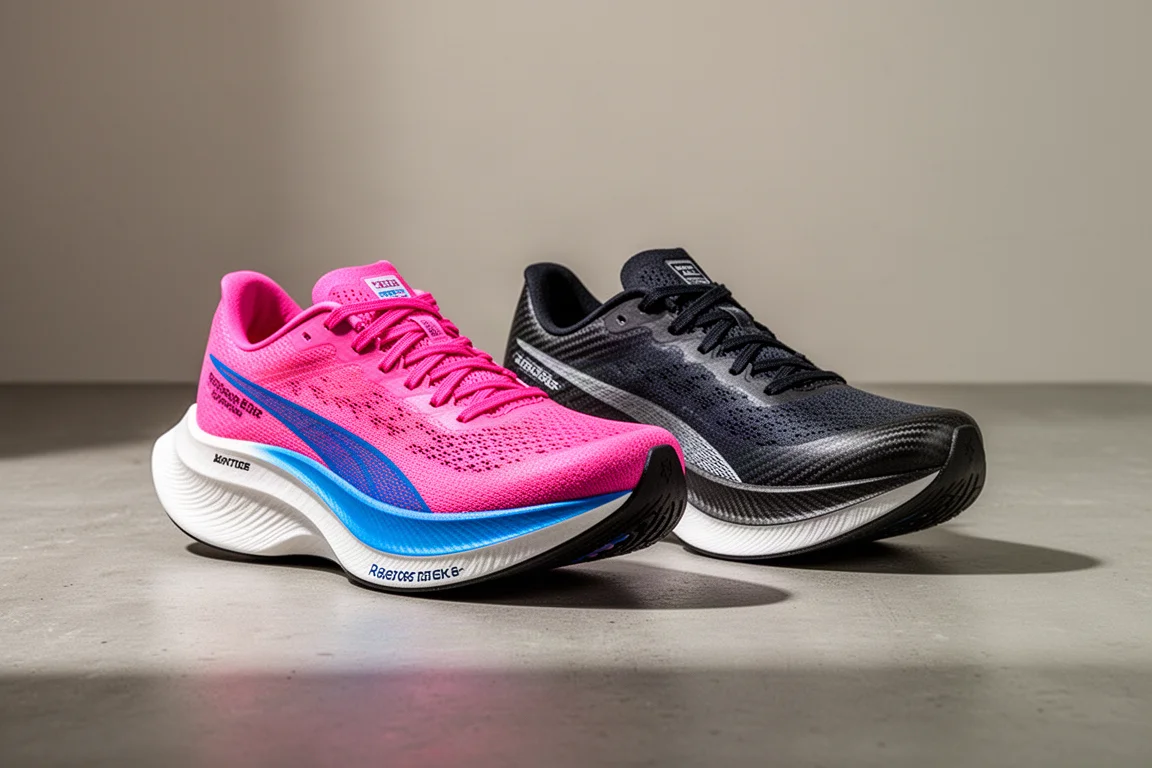
Few marathon racers inspire as much loyalty as the Saucony Endorphin Pro line. The Pro 3 was a long-time favorite for anything past the 90-minute mark, praised for its soft, bouncy PB foam, an aggressive but manageable geometry, and a simple formula: a 40mm stack, a full-length carbon plate, a lightweight upper, and a smooth rocker. The Pro 4 keeps much of that spirit but changes the shoe enough that the two now serve noticeably different riders.
The comparison here is grounded in real marathon mileage. The Pro 3 carried a first marathon, and the Pro 4 was raced through a sub-three-hour marathon time trial on wet roads. That combination makes the differences between these two shoes easier to judge where it matters: over 26.2 miles.

Midsole and Ride Feel
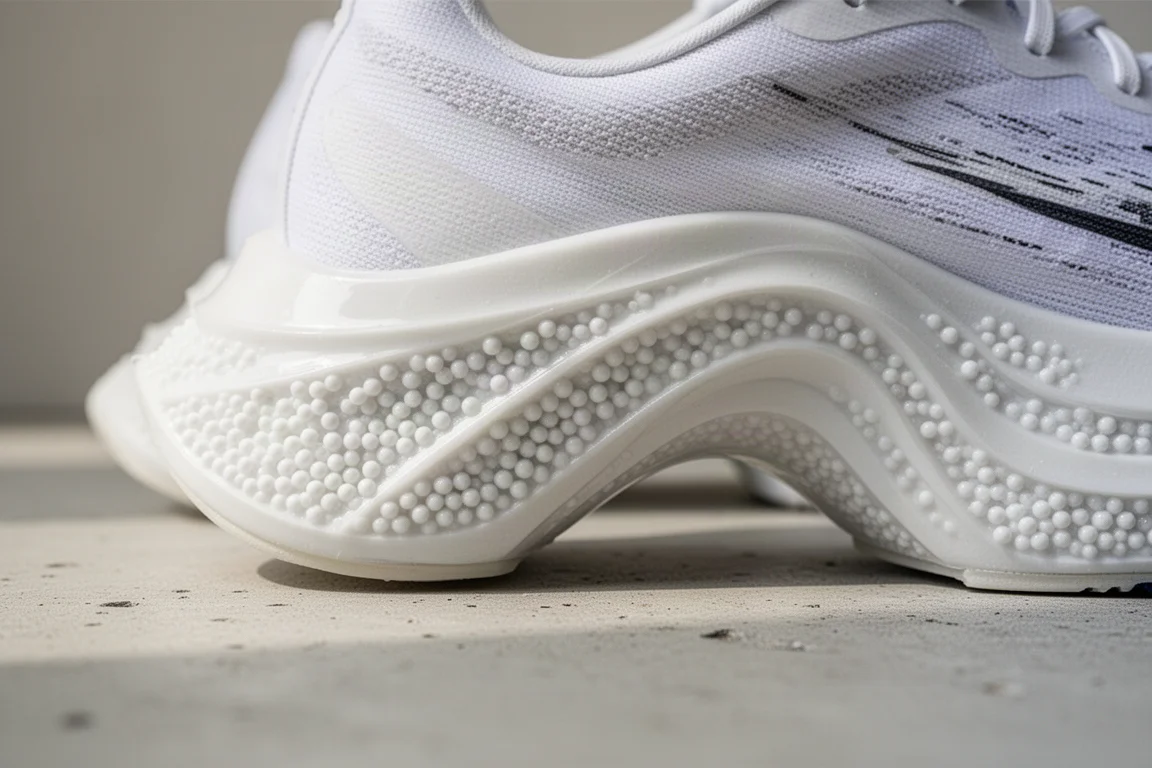
Both shoes use PWRRUN PB, a beaded PEBA compound, and the foam itself feels consistent across generations. The key changes show up in tuning and contour. The Pro 4’s foam is softer in a pinch test compared with the Pro 3 at a similar mileage, and there is a new addition: PWRRUN HG, a supercritical PEBA foam. Saucony does not disclose how much HG is in the shoe, but it appears to be limited in quantity, possibly confined to the sock liner, which explains why the overall ride is not dramatically different, just softer.
In the ride itself, the Pro 3 was the speedier of the two. Its forefoot came alive at marathon and half marathon pace with a snappy, never-squishy feel, and the more aggressive rocker delivered a natural rolling pop. The Pro 4 is the comfort-first racer: the forefoot is softer and more forgiving, giving a sinking sensation before the pop arrives, and the ride is smooth and controlled rather than urgent. The Pro 4 also has a quirk at the heel. The foam now flares out in the middle and tapers toward the bottom and top, which can make the foot feel like it is sitting on top of the midsole rather than encased in it. The Pro 3, with its foam wrapping up the sides, was one of the most stable marathon racers around and felt planted at nearly any pace.
Upper, Fit, and Comfort
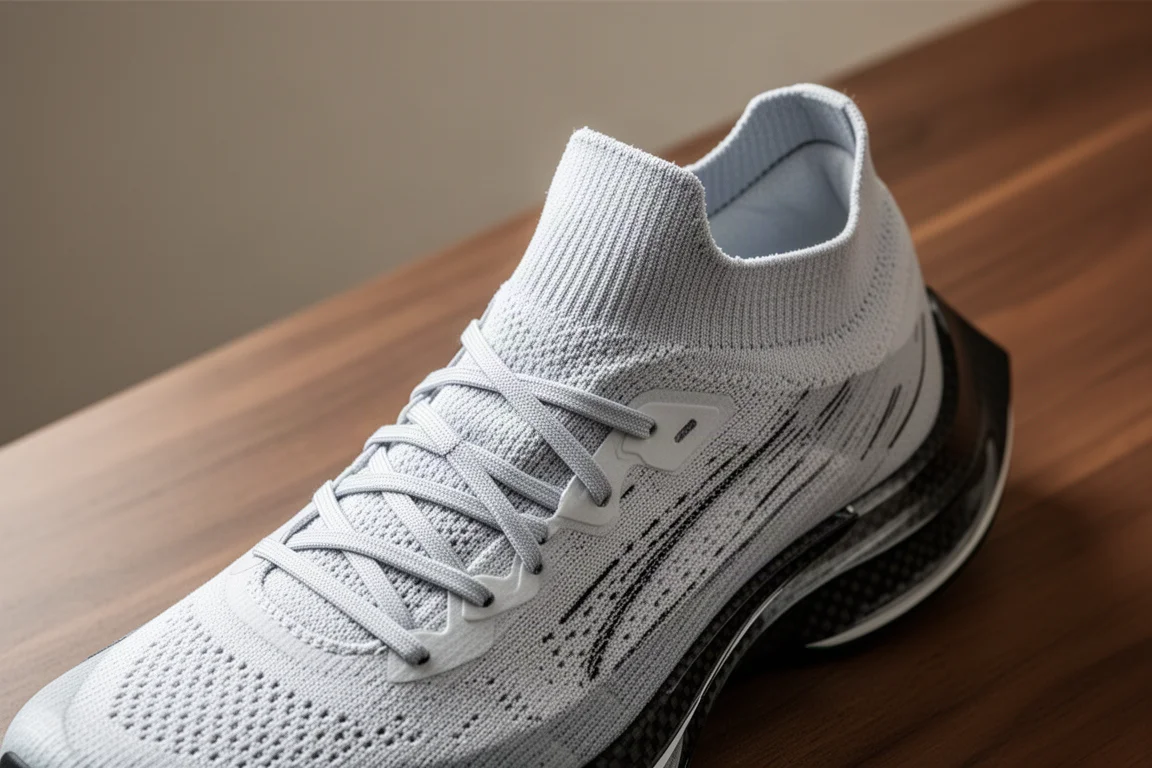
The Pro 4’s upper is arguably the biggest upgrade. It uses a sock-style construction with the tongue attached to the upper, paired with soft stretchy laces and a more forgiving, stretchier material than the Pro 3’s stiffer, slightly scratchy upper. Neither shoe is the most lightweight racer on the market; the Pro 4 deliberately trades minimal material for a secure, comfortable lockdown with no lace bite. Heel padding is decent on both, and the Pro 4 proved extremely comfortable over a full marathon with no rearfoot irritation.
The shared weakness is width. Both shoes run narrow, especially through the sides of the forefoot, and neither is a great choice for wider-footed runners. The Pro 4 gives a little more stretch and has a softer toe cap, but some irritation around where the toe meets the foot can still appear. Overall comfort clearly goes to the Pro 4.
Durability and Value
Both shoes retail at $225, and neither generation saw a price change, which keeps the Endorphin Pro among the most affordable mainstream marathon racers available. At that price point it undercuts most direct rivals, some of which run $250 to $300.
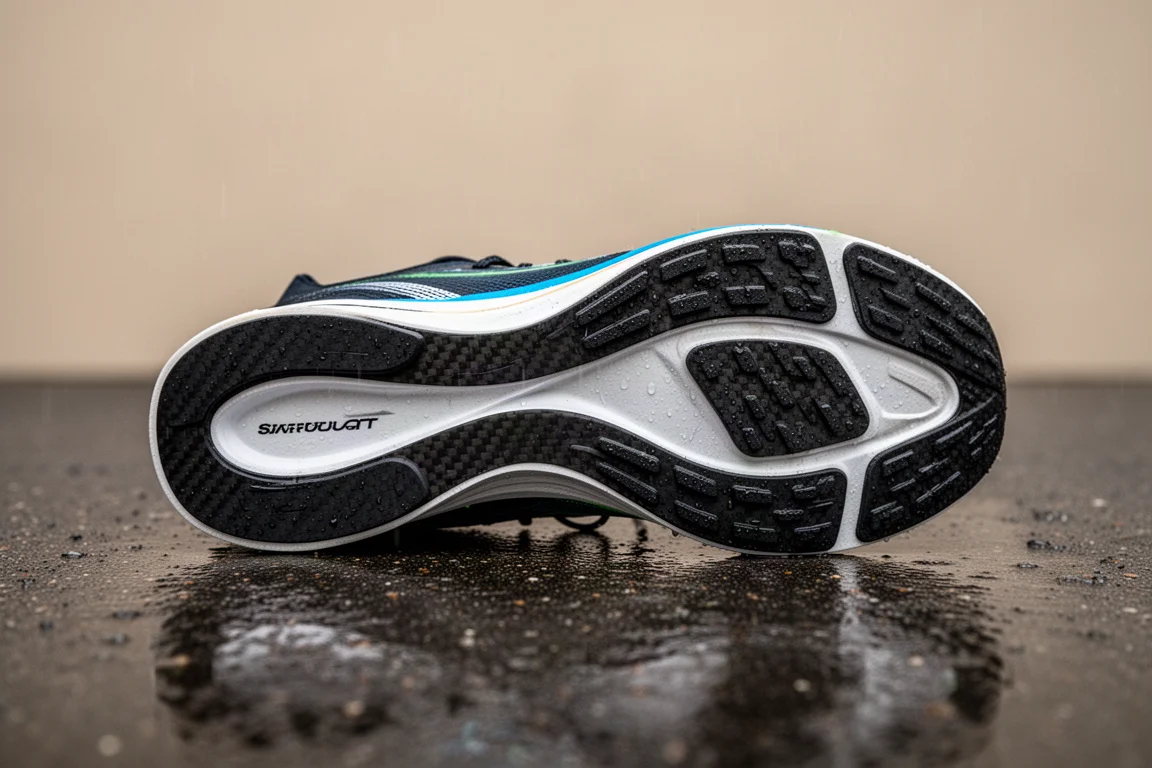
Durability is a strength for both. The Pro 3 held up well near 300 miles with the upper and midsole still in good shape despite heavy heel scuffing, and the Pro 4 showed essentially no outsole wear after roughly 50 miles. One change worth watching: the Pro 4 appears to use less outsole rubber with a thinner layer at the heel, so long-term durability there remains to be seen. On grip, the Pro 4’s new rubber pattern is noticeably better in wet conditions than the Pro 3’s less grippy XT900, and it held up impressively in heavy rain.
Which One Should You Buy?
If you want a shoe you can both train in and race in, the Pro 4 is the stronger pick. It is comfortable enough for long runs and everyday miles while still handling pace changes down to around 6:30 per mile without complaint, making it a genuine all-in-one option for runners targeting a sub-three-hour marathon. If your main goal is an all-out race PR and speed matters more than all-day comfort, the Pro 3 offers more pop, more stability, and a more aggressive ride. Once it goes on sale, the Pro 3 becomes an exceptional deal, though newer, faster competitors have softened its value proposition at full price.
Conclusion
The Pro 4 softens the formula, trades a bit of speed for a lot of comfort, and remains one of the best-value carbon racers for recreational marathoners. The Pro 3 still wins on aggression and stability. Pick the Pro 4 to train and race in comfort, pick the Pro 3 for pure race-day speed.
Product link
View more details for Saucony Endorphin Pro 4
This product is mentioned in the review. Check the specifications, options, and compatibility before buying.
View more details for Saucony Endorphin Pro 4Further reading
Related Reviews

Running Shoes
Best Road-to-Trail Running Shoes: Three Versatile Options for Mixed Terrain
A practical guide to three road-to-trail running shoes that handle both pavement and mild trails, with clear strengths and trade-offs for different runner types.

Running Shoes
Best Running Shoes for Achilles Tendonitis: Three Options Explained
Three running shoes with different heel drops and support features designed to help reduce Achilles tendon pain during walking and running.

Running Shoes
Best Running Shoes for Women: Five Top Choices Ranked
A ranked guide to five women's running shoes, from versatile daily trainers to high-performance racing options, with real strengths and trade-offs for each.