Running Shoes
Saucony Endorphin Elite vs Endorphin Pro 3 vs Nike Vaporfly Next% 2: Which Race Day Shoe Makes Sense?
A close look at three carbon plate marathon racers, comparing weight, midsole feel, upper comfort, grip, and price to help you pick your 2023 race shoe.
Introduction
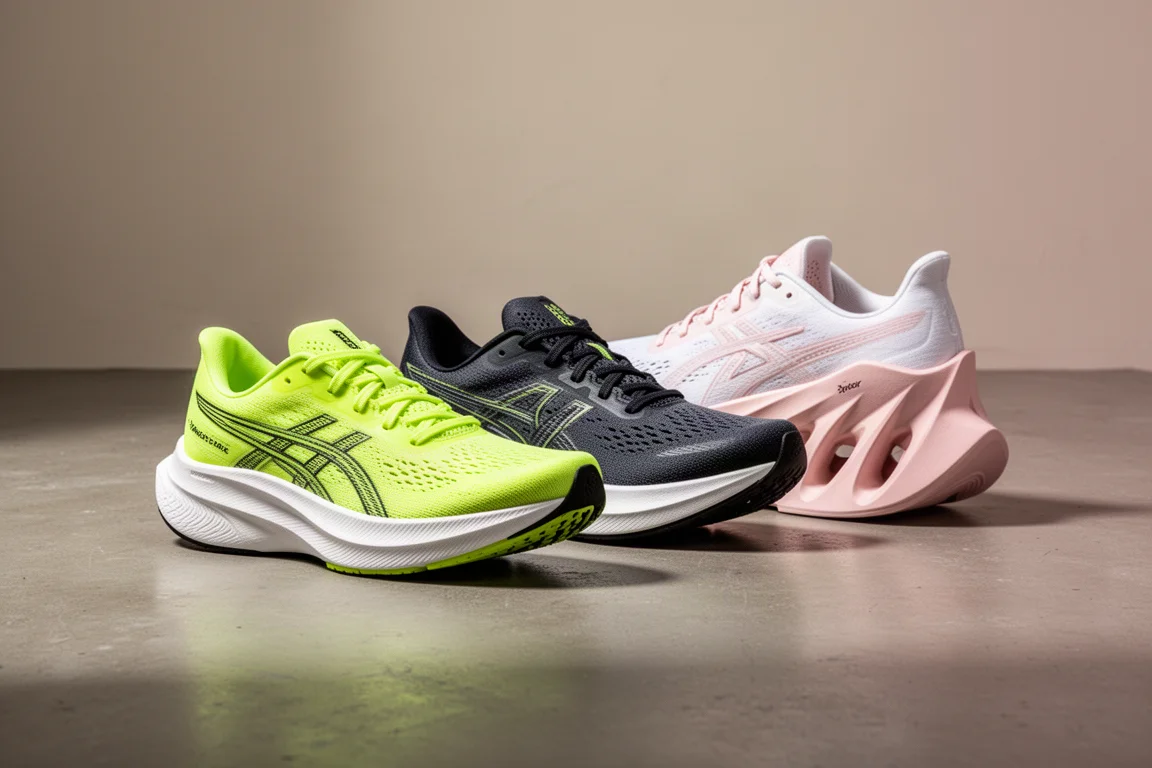
Marathon and half marathon racing shoes have come a long way in a short time, and 2023 brings another round of tough decisions. The Saucony Endorphin Elite is the first major carbon plate racing shoe of the year, and it arrives carrying a clear question: is it worth stepping up from the Endorphin Pro 3, or even from the established benchmark of the Nike ZoomX Vaporfly Next% 2? Here is how the three compare across weight, upper comfort, midsole feel, grip, and price, so you can decide what matters most for your race day.
Weighing In: Three Very Light Racers
All three shoes sit in the same featherweight class. In a comparable size, the Endorphin Elite comes in at 6.97 ounces, the Endorphin Pro 3 at 6.7 ounces, and the Vaporfly Next% 2 leads the group at 6.2 ounces. That puts the Vaporfly roughly half an ounce lighter than the Elite, a small difference on paper but one speed-focused runners tend to care about.
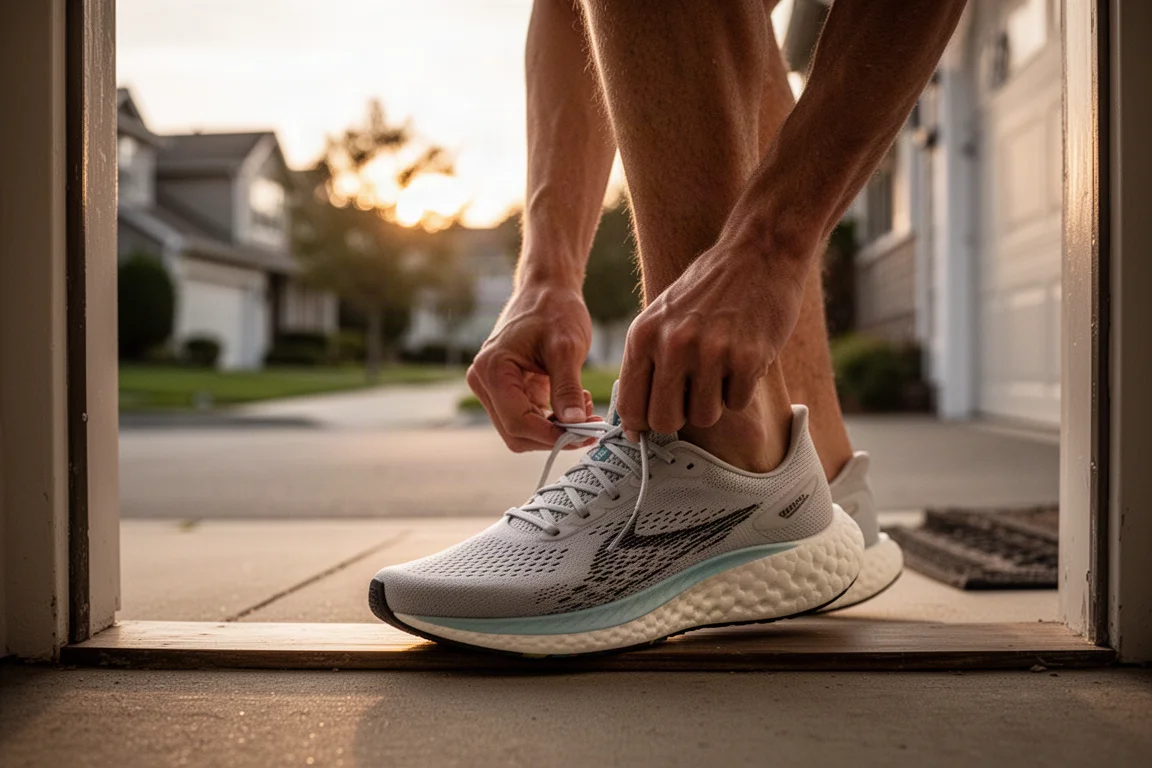
Weight alone will not decide this comparison, though. The Elite’s story is really about its updated upper, a firmer midsole feel, and a new plate design under the toe box.
Saucony Endorphin Elite
The Elite’s upper is a genuine highlight. The semi-gusseted tongue lays flat on top of the foot, and breathability is described as off the charts, reportedly the highest of any marathon carbon plate shoe tested to date. The heel counter is well padded with a smoother material at the back, so there was no rubbing or blistering through long test runs, a meaningful advantage over 26.2 miles.
Underfoot, the PowerRun HG midsole with its lattice structure feels slightly firmer than the Pro 3’s, which reads as a deliberate tuning choice rather than a flaw. The plate has changed too: instead of one complete plate under the toe box, the Elite uses a slotted design with cuts that let the toes move a little more nimbly through toe-off. Testing included a 23-mile run at 6:40 per mile, a 10-mile run at 5:40 per mile, and a six-mile track session around 5:35 per mile, and the plate felt strong through toe-off in all of them.
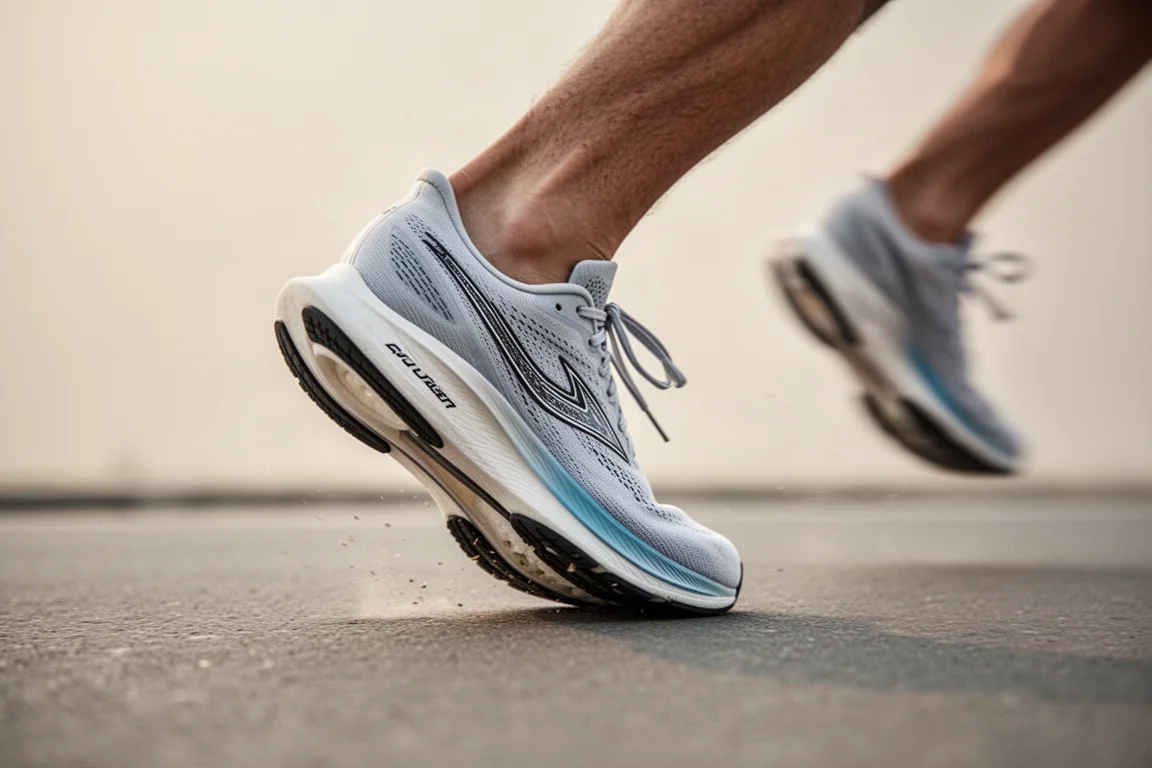
The outsole uses XT-900 rubber with an enhanced decoupled groove, and grip held up well in winter Colorado conditions. The rubber feels tacky to the touch, which bodes well for wet pavement. There was a little midsole breakdown showing on the medial side of the test pair, but nothing concerning. The heel-to-toe drop is 8 millimeters, a number that is becoming a common sweet spot for carbon plate racing shoes. One caution: the Elite launches in mid to late February at $275, and pre-order demand is expected to be high, with an early sell-out likely.
Saucony Endorphin Pro 3
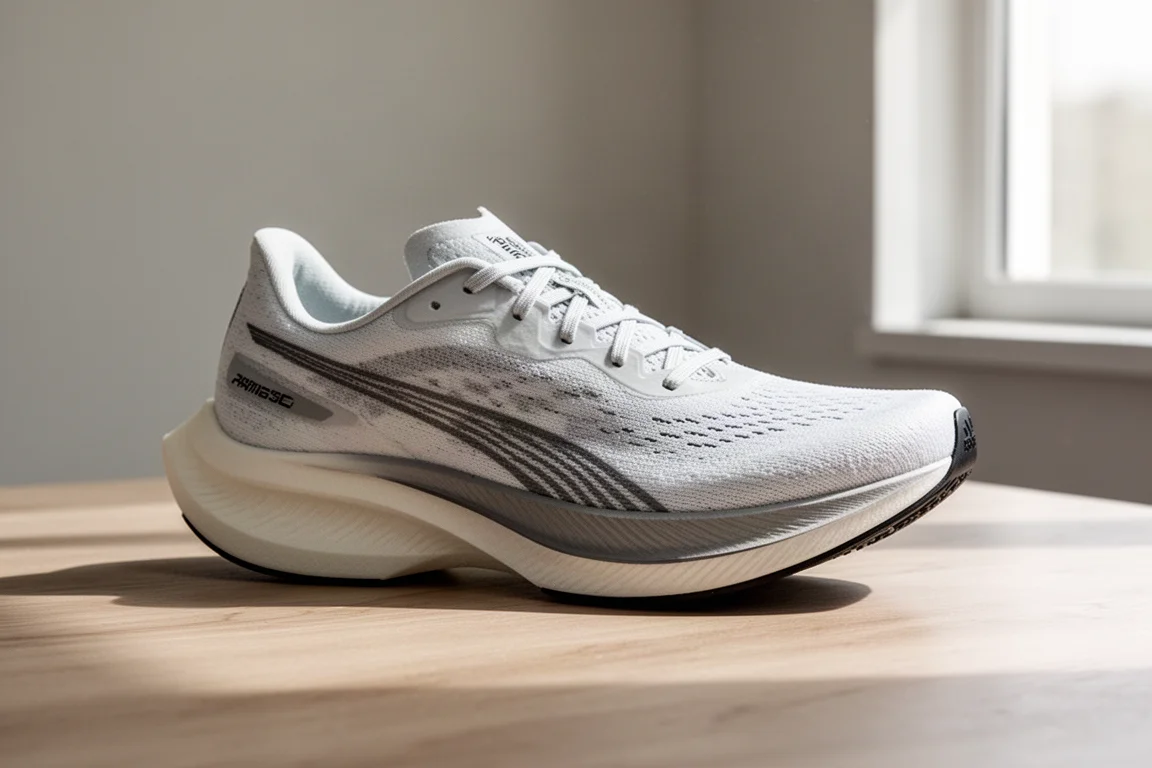
The Pro 3 remains a serious contender, especially on value. At $225, it undercuts the Elite by $50 while weighing essentially the same at 6.7 ounces. Its midsole runs softer than the Elite’s, which some runners will simply prefer for a long marathon. If the softer ride is what you like, that alone can justify sticking with it.

The Elite’s upgrades are concentrated in the more breathable upper and the slotted plate that adds nimbleness under the toe box. Whether those changes are worth $50 is a personal call, and it is entirely reasonable to answer no. The Pro 3 has been loved by a lot of marathoners, and there is a real possibility it remains a popular seller even alongside its newer sibling.
View more details for Saucony Endorphin Pro 3
Nike ZoomX Vaporfly Next% 2
The Vaporfly Next% 2 still holds the weight advantage at 6.2 ounces, and it remains the established reference point in this category. It can often be found on sale at certain retailers even though its list price sits around $250, which narrows the gap with the Elite considerably.
Outsole, Grip, and Durability
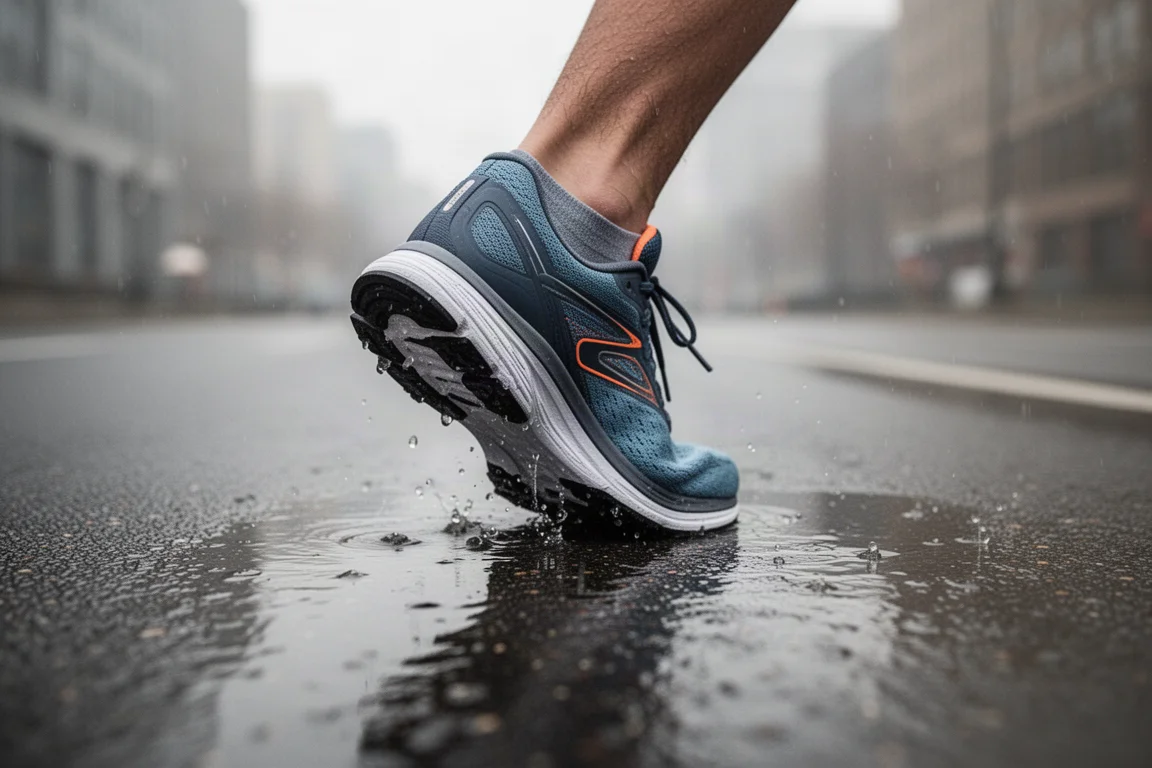
Of the three, the Elite’s outsole details are the most clearly documented. The XT-900 rubber performed well on grip in cold, imperfect conditions, and the tacky feel of the rubber suggests it should hold up on wet pavement, useful if you race somewhere rainy. Minor medial-side wear appeared after testing, but the durability outlook remains reasonable for a race day shoe. For a racing shoe, comfort scores matter less than ride, energy return, and weight, and that is where the Elite’s firmer midsole and slotted plate are aimed.
Buying Advice
If you need to save $50, the Endorphin Pro 3 is the easy call, and it is not clear the Elite’s improvements justify the premium for everyone. If breathability in hot conditions and a nimble toe-off matter most to you, the Elite is the one to consider, with the caveat of its higher price and likely early sell-out. If you want the lightest of the three and can find the Vaporfly Next% 2 on sale, it remains a proven race day choice. Racing a full marathon or half in the Elite is considered a realistic proposition rather than a gamble; more race-day testing is still planned before a final verdict.
Conclusion
Three excellent racers, three different arguments. The Endorphin Elite brings a standout breathable upper, a firmer and more responsive feel, and a clever slotted plate at a premium price. The Endorphin Pro 3 keeps nearly the same weight and a softer ride for $50 less. The Vaporfly Next% 2 stays the lightest and is increasingly available at a discount. Match the shoe to your priorities and your budget, and any of the three can carry you confidently through 26.2.
Further reading
Related Reviews

Running Shoes
Best Road-to-Trail Running Shoes: Three Versatile Options for Mixed Terrain
A practical guide to three road-to-trail running shoes that handle both pavement and mild trails, with clear strengths and trade-offs for different runner types.

Running Shoes
Best Running Shoes for Achilles Tendonitis: Three Options Explained
Three running shoes with different heel drops and support features designed to help reduce Achilles tendon pain during walking and running.

Running Shoes
Best Running Shoes for Women: Five Top Choices Ranked
A ranked guide to five women's running shoes, from versatile daily trainers to high-performance racing options, with real strengths and trade-offs for each.