Running Shoes
Saucony Endorphin Elite Review: A 39.5 mm Race Day Rocket
Saucony's tallest, bounciest racing shoe pairs brand-new PWRRUN HG foam with a slotted carbon plate. Here is how it performs at marathon effort and threshold pace, and where it falls short.
Introduction
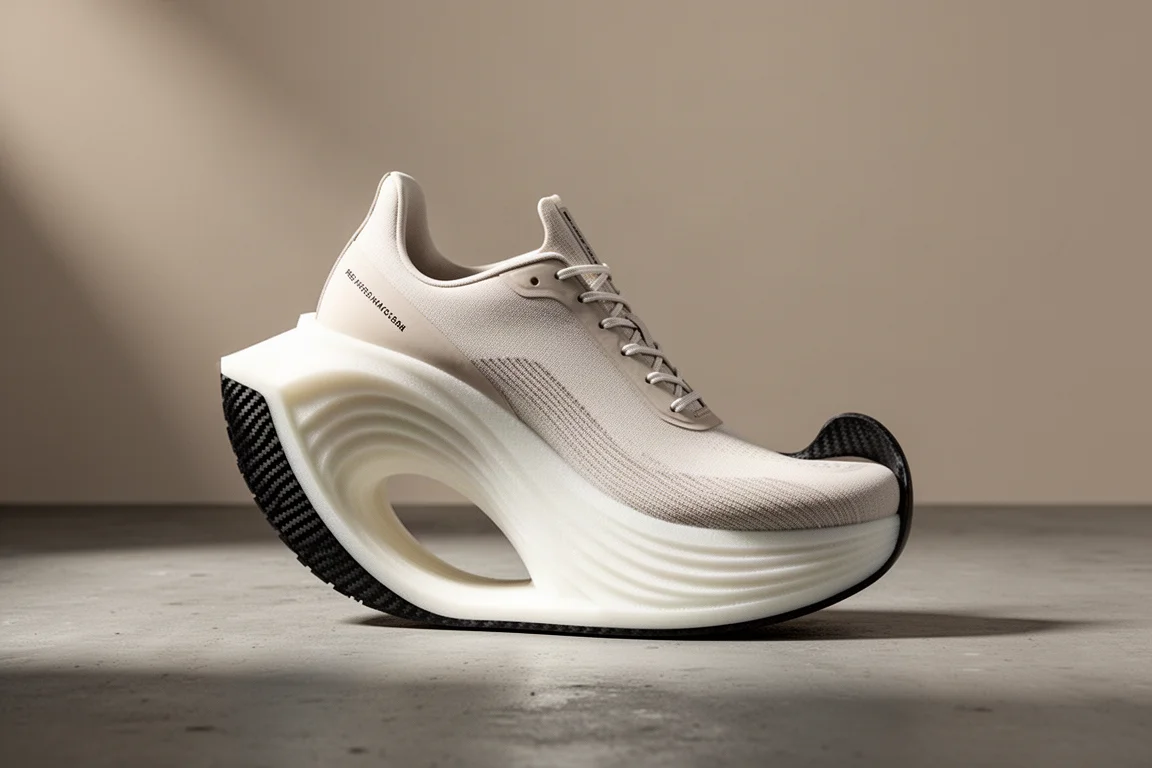
The carbon plate wars are heating up, and Saucony has entered its most ambitious contender yet. The Endorphin Elite sits just under the 40 mm stack limit at 39.5 mm and combines a brand-new race foam, a slotted carbon plate, and the most aggressive Speedroll rocker Saucony has ever produced. After significant test miles at both marathon effort and threshold pace, the short version is this: it is some of the most fun you can have under 40 mm, with a few notable trade-offs in the upper.
Who This Shoe Is For
This is a race day shoe, full stop. It is built for long-distance races and the biggest, toughest workouts in your race build. It is not designed to be an everyday easy-run trainer, and other shoes do that job better. If you are already a fan of what Saucony has been doing with the Endorphin series, the fit will feel familiar, just elevated with more stack and newer foam. It also handles floaty easy miles within a workout surprisingly well, though the extra height becomes more noticeable at slower paces.
Specs and Construction
The headline numbers are eye-catching. The Endorphin Elite measures 39.5 mm at the heel, bumping right up against the legal limit, with an 8 mm drop that leaves 31.5 mm of stack in the forefoot. Despite the towering appearance, it comes in at just 7.2 oz (204 g) in a US men’s size 9.
The midsole is built around PWRRUN HG, a brand-new foam for Saucony. It uses a premium PEBA race-caliber source material run through a supercritical foaming process, putting it in the same family as the leading race foams from other brands. Saucony claims 95% energy return, and the material is intended to be lighter and more responsive than the PWRRUN PB used in the Endorphin Pro 3.
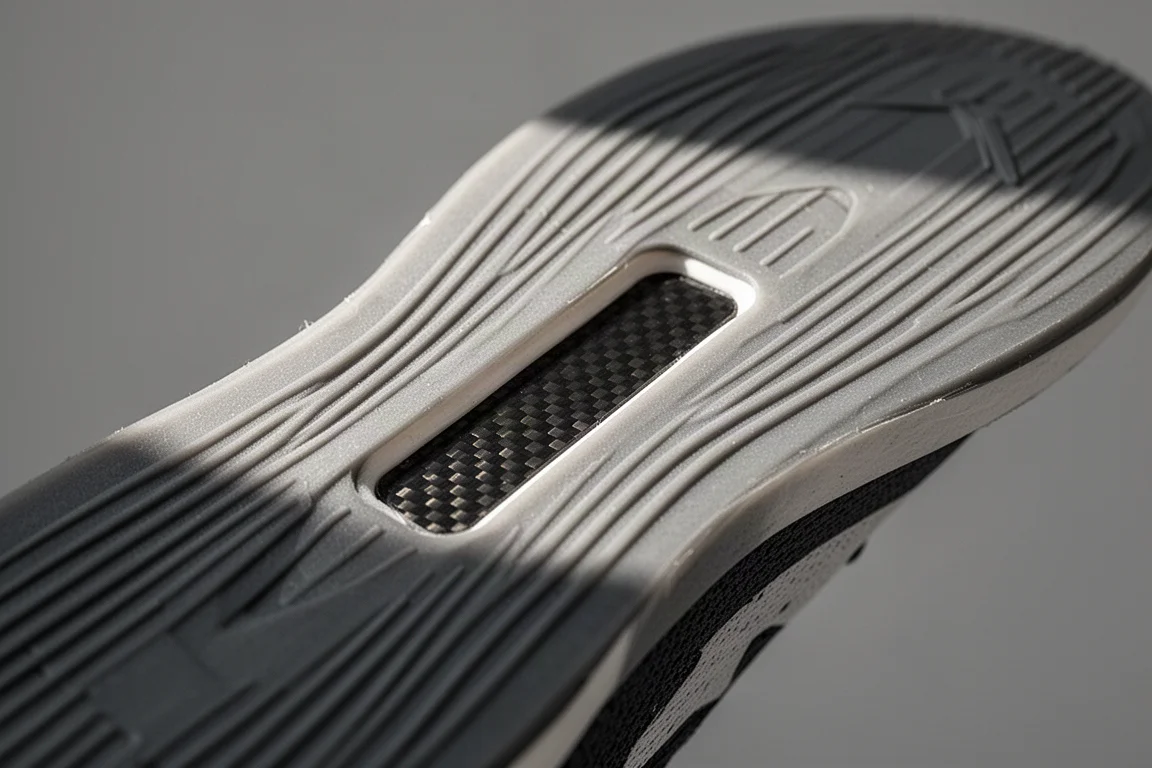
Sandwiched between two layers of PWRRUN HG is a slotted carbon plate, visible through a small window in the outsole. Rather than the typical scooped plate design, the slots let the shoe absorb off-center impact and stabilize itself before rolling you into the next stride, an approach reminiscent of energy rod systems from Adidas. The insole gets attention too: a PWRRUN PB layer pairs with the racing foam for an upgraded midsole-insole combination.
The Speedroll here is the most aggressive rocker shaping seen in essentially any shoe. From the pads of the foot forward, the shoe turns sharply upward, and that aggressive toe spring becomes a defining part of how the shoe runs.
How It Runs at Marathon Effort
Out of the box, the shoe held up impressively on a 21-mile test session mixing easy miles and marathon-effort miles. At marathon pace it felt fantastic: there is a sinewy, chewy squishiness to the foam, but it never collapses into condensed softness. You get resistance in the right places and a noticeable sense of shock absorption plus momentum from the tall stack rolling you forward.

On paper, an 8 mm drop paired with an aggressive Speedroll raises eyebrows, but in practice the combination worked well for a midfoot-to-forefoot landing just ahead of the shoe’s real curl. The overall feel lands somewhere between the softer endurance-leaning race shoes and the snappier, more aggressive ones, with notably more stack height than the closest comparison.
The Upper: One Step Back
Saucony has long made some of the best uppers in running, which makes the Elite’s upper a surprising miss. The midfoot band is genuinely clever: it wraps around the foot and hooks underneath the carbon plate, strapping the upper into the foam’s power. The hexagonal foam bumper at the heel cups the Achilles nicely and stays out of the way, which runners with sensitive Achilles should appreciate.
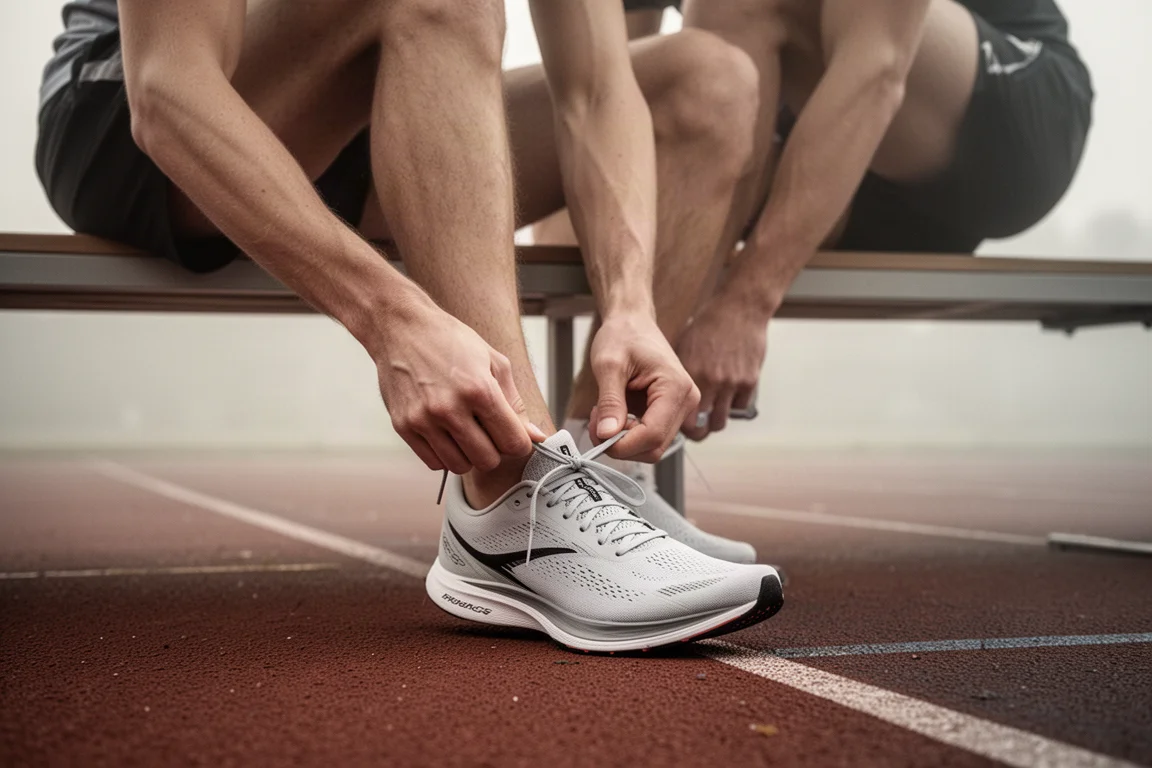
Two problems emerged, one at each end. The toe box material is a plastic-based textile with a slightly scratchy feel, and over long efforts the curled toes rubbed against the top, producing enough repetitive abrasion to break the skin even through socks. At the heel, lockdown was initially sloppy at marathon effort, requiring extra cinching at the top laces that made the top of the foot feel tight. By the second run the heel issue faded, but the tension at the top of the foot lingered. This is not the level of upper fit polish long-time Saucony fans expect.
Threshold Workouts and Stability
The second test, a threshold repeat session at 6 minutes with 1 minute recovery, showed the foam’s other gear. PWRRUN HG rewards pushing: the harder you press into it, the more it gives back. There was no bottoming out, plenty of remaining cushion, and one of the best workouts of a marathon build came in these shoes.

Stability is a genuine strength. The platform is wide, so there is plenty of shoe to land on, and the slotted plate absorbs off-center landings and rights the foot into the Speedroll. The one caveat: the point where the rocker begins sits exactly where a forefoot strike tends to land at threshold pace, and some footstrikes there gave less-than-pleasant feedback, almost a nudge that the stride was overreaching. At marathon pace, this rarely mattered.
Buying Advice and Alternatives
The Endorphin Elite retails for $275, which is a lot of money, though it sits right in line with the current premium racing market. If this shoe fits your stride best, the price feels fair, even if nobody loves where racing shoe pricing has landed.
Three competitors merit consideration. The Endorphin Pro 3 ($225) uses PWRRUN PB and arguably has the better upper of the two, making it the sensible pick for many runners. The Adidas Adios Pro 3 ($250) has a similarly aggressive toe spring and a Lightstrike Pro foam that may compress and decompress slightly faster, though it feels a touch heavier and shorter underfoot. The Adidas Prime X Strong ($300) exceeds the 40 mm limit, so it is not a legal race shoe, but its tall-stack feel is probably the closest comparison to how the Elite rides, minus the Elite’s superior width and stability. For pairing, the upcoming Saucony Kinvara Pro is positioned as the natural daily-training companion, and until then the Endorphin Speed 3 makes a fun one-two punch within the same Speedroll family.
Conclusion
The Endorphin Elite is an incredibly good, genuinely exciting race day shoe. The new PWRRUN HG foam, the slotted carbon plate, and the towering aggressive Speedroll combine into a shoe that delivers at marathon effort and thrives when pushed at threshold. The upper, especially the abrasive toe box material and initial heel lockdown, keeps it from being flawless. If you race in Saucony’s Endorphin line and want the most that platform has ever offered, this is the shoe to pick up. Just save it for race day and your hardest workouts, not your Tuesday easy miles.
Product link
View more details for Saucony Endorphin Elite
This product is mentioned in the review. Check the specifications, options, and compatibility before buying.
View more details for Saucony Endorphin EliteFurther reading
Related Reviews

Running Shoes
Best Road-to-Trail Running Shoes: Three Versatile Options for Mixed Terrain
A practical guide to three road-to-trail running shoes that handle both pavement and mild trails, with clear strengths and trade-offs for different runner types.

Running Shoes
Best Running Shoes for Achilles Tendonitis: Three Options Explained
Three running shoes with different heel drops and support features designed to help reduce Achilles tendon pain during walking and running.

Running Shoes
Best Running Shoes for Women: Five Top Choices Ranked
A ranked guide to five women's running shoes, from versatile daily trainers to high-performance racing options, with real strengths and trade-offs for each.