Running Shoes
Saucony Endorphin Elite First Run Review: Fast, Firm, and Built for a Specific Kind of Runner
A 10-mile tempo run in Saucony's most aggressive racing shoe, with weight checks, a foam durometer comparison, and honest thoughts on who it actually suits.
Introduction
The Saucony Endorphin Elite has been one of the most requested shoes among runners for good reason. It sits at the very top of Saucony’s racing line, priced at $275, and promises a firmer, bouncier, more aggressive ride than the Endorphin Pro 4. This first-run review covers a 10-mile tempo session, a full breakdown of the design, a weigh-in against its main rivals, and a foam firmness test to see how it stacks up.
Where It Fits in the Saucony Line
Saucony, like most major brands, now offers two marathon racing shoes. The Endorphin Pro 3 and Pro 4 are the more familiar options, while the Elite is the more aggressive model, released between the Pro 3 and Pro 4. To make room for it, Saucony deliberately made the Pro 4 slightly less aggressive, softer, and more comfortable than the Pro 3. That means the Elite is the shoe for runners who want the sharpest tool in the lineup.
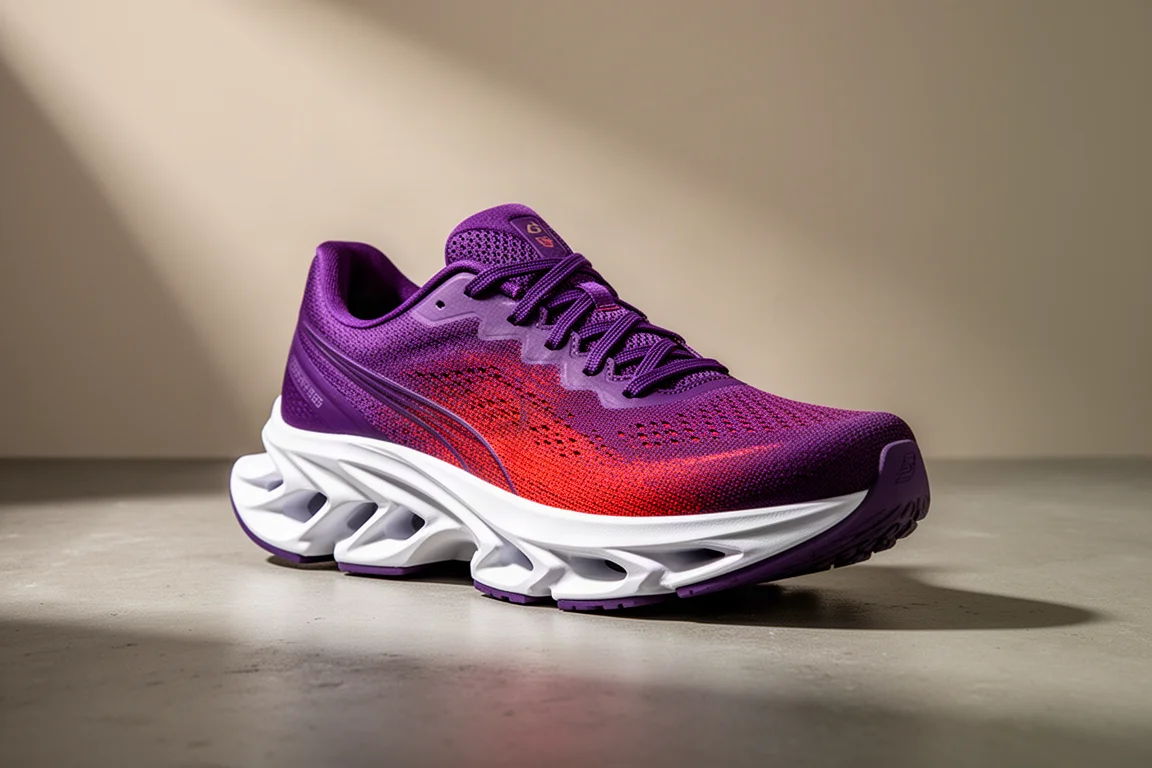
Visually, the shoe divides opinion. The purple and red colorway is sharp, but the silhouette has been compared to a Dutch clog, and the cutouts in the upper and outsole give it a distinctly modern, slightly odd look.
Weight and Build Quality
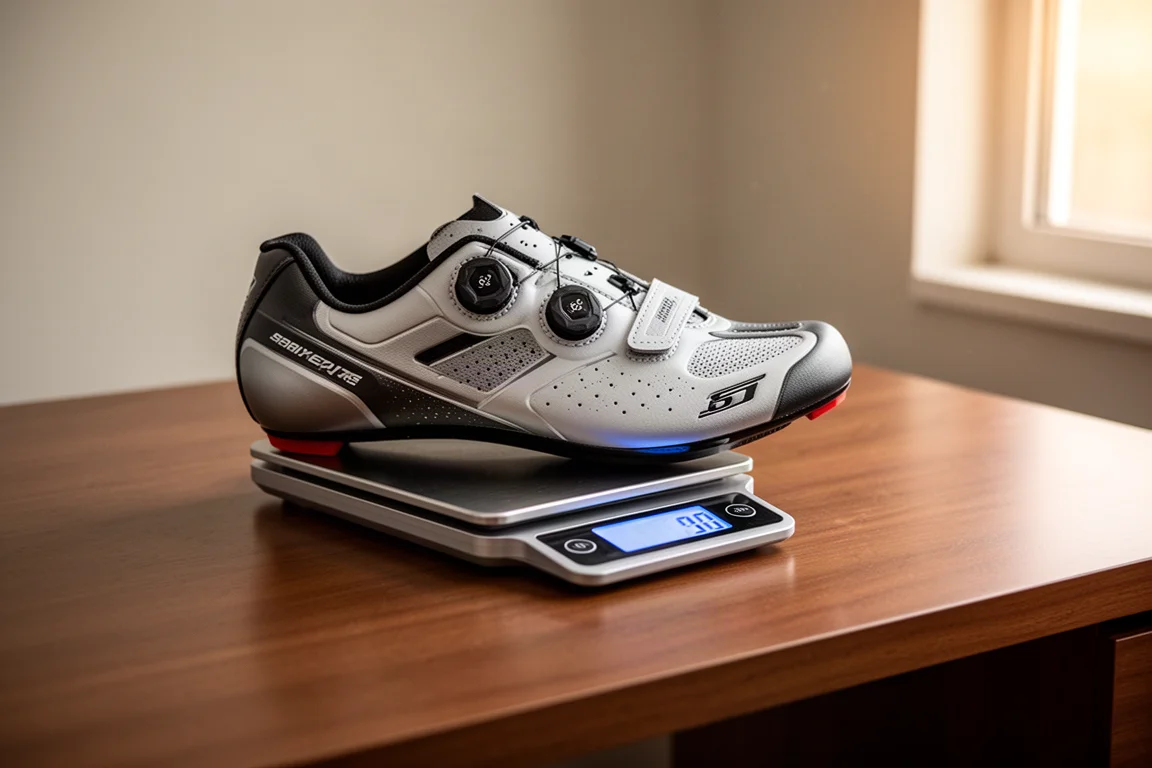
On the scale, the left shoe came in at 221g and the right at 225g, a 4g difference that sits within the normal 2 to 5 percent variation you see between pairs. For context, that puts it almost exactly on par with the Nike Alphafly at 223g, only about 10g lighter than the Endorphin Pro 4, and a full 50g lighter than the Adidas Adizero Adios Pro-style alternatives in this space are not part of the comparison. The Celestial-style competition, the Salomon-style outliers aside, the Elite lands right in the center of the premium racing market by weight.
There is a trade-off worth knowing about: the outsole has almost no rubber coverage, which raises durability questions. The Endorphin Pro series has proven very durable in long-term use, with a Pro 3 holding up well over 300 miles, but the Elite’s minimal outsole suggests it will not be a high-mileage workhorse.
How It Performs at Different Paces
The defining characteristic of the Endorphin Elite is its dual personality. The midsole uses PWRRUN HG, a supercritical EVA foam designed for high energy return, and it is noticeably firmer than the PWRRUN PB foam in the Pro models.
Above roughly 6:20 per mile, the shoe transforms. At 6:10 pace it felt solid and quick, and it rewarded faster running with a bouncy, propulsive ride. Below 6:20 pace, however, it felt stiff, rigid, and genuinely uncomfortable, almost like running on top of the ground rather than in the shoe. At 6:40 pace, roughly a 2:55 marathon effort, it did not feel good at all.

Stability Is the Standout Strength
Where the Elite earns its reputation is stability. The heel and midfoot landing platform is wider than most aggressive super shoes, which tend to be narrow and tippy at the back. That wider base, combined with the firm foam, makes this a favorite among bigger, more muscular runners chasing sub-3 marathons. It supports a heel-striking style without forcing the runner onto their toes, and it will not bottom out under heavier loads the way softer foams can.
The Durometer Test: How Firm Is Firm?
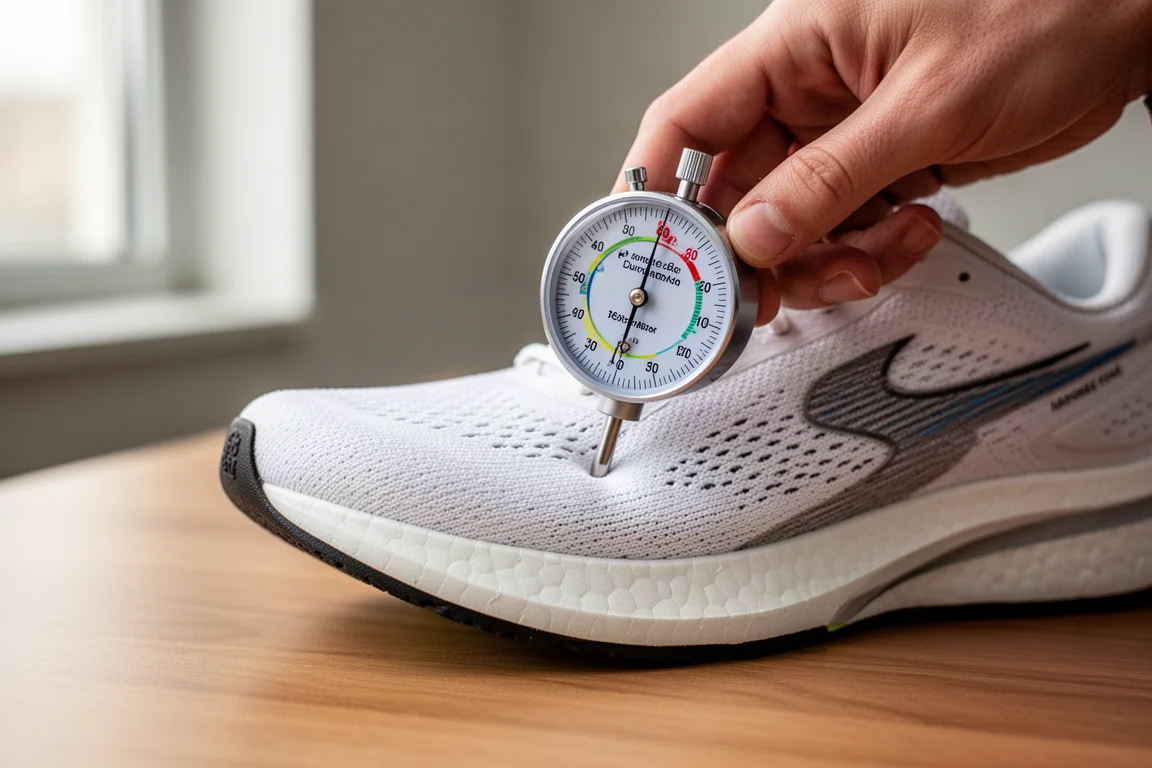
A handheld durometer test confirmed the on-foot impression. The Elite measured 47 in the heel, 45 in the forefoot, and 51 on the outsole foam. For comparison, softer PEBA-based racing foams typically land in the low to mid 40s, and the firmest reading previously recorded was 52. This is very likely among the firmest racing foams on the market, and it explains why the shoe demands fast running to feel its best.
One more fit note: the heel area is not fully dialed in, with a slight looseness, and the upper is extremely minimal with essentially no padding or rearfoot structure. For most runners, the extra few grams of a more supportive upper would be worth it. In a marathon racing shoe, any distraction is a problem.
Buying Advice
The Endorphin Elite is an extremely niche racing product at $275. It is fast, bouncy, stable, and lighter on foot than it reads on paper, but it is also the least comfortable racing shoe in recent memory for slower efforts, and it only comes alive below roughly 6:20 to 6:30 per mile. For most runners, the Endorphin Pro 4 remains the smarter marathon choice: more comfortable, more versatile across paces, and cheaper at $225. The Elite makes sense if you are a bigger or more powerful runner with fast goal paces who values stability and a firm, planted feel above all else.
Conclusion
The Saucony Endorphin Elite does exactly what it sets out to do: it is a fast, aggressive, ultralight-feeling racing shoe with best-in-class stability and possibly the firmest racing foam on the market. Whether that is a good thing depends entirely on your pace and preferences. If your race effort sits well under 6:20 per mile and you want a planted, propulsive ride, it deserves a spot on your shortlist. If comfort across a range of paces matters more, the Endorphin Pro 4 is the better all-around pick.
Product link
View more details for Saucony Endorphin Elite
This product is mentioned in the review. Check the specifications, options, and compatibility before buying.
View more details for Saucony Endorphin EliteFurther reading
Related Reviews

Running Shoes
Best Road-to-Trail Running Shoes: Three Versatile Options for Mixed Terrain
A practical guide to three road-to-trail running shoes that handle both pavement and mild trails, with clear strengths and trade-offs for different runner types.

Running Shoes
Best Running Shoes for Achilles Tendonitis: Three Options Explained
Three running shoes with different heel drops and support features designed to help reduce Achilles tendon pain during walking and running.

Running Shoes
Best Running Shoes for Women: Five Top Choices Ranked
A ranked guide to five women's running shoes, from versatile daily trainers to high-performance racing options, with real strengths and trade-offs for each.