Running Shoes
Saucony Endorphin Elite 2 vs Nike Vaporfly 4: Two Race Shoes at Opposite Ends of the Spectrum
A super-soft, high-bounce carbon racer goes head to head with a leaner, snappier marathoning classic. Here is how they compare on fit, ride, durability, and value.
Introduction
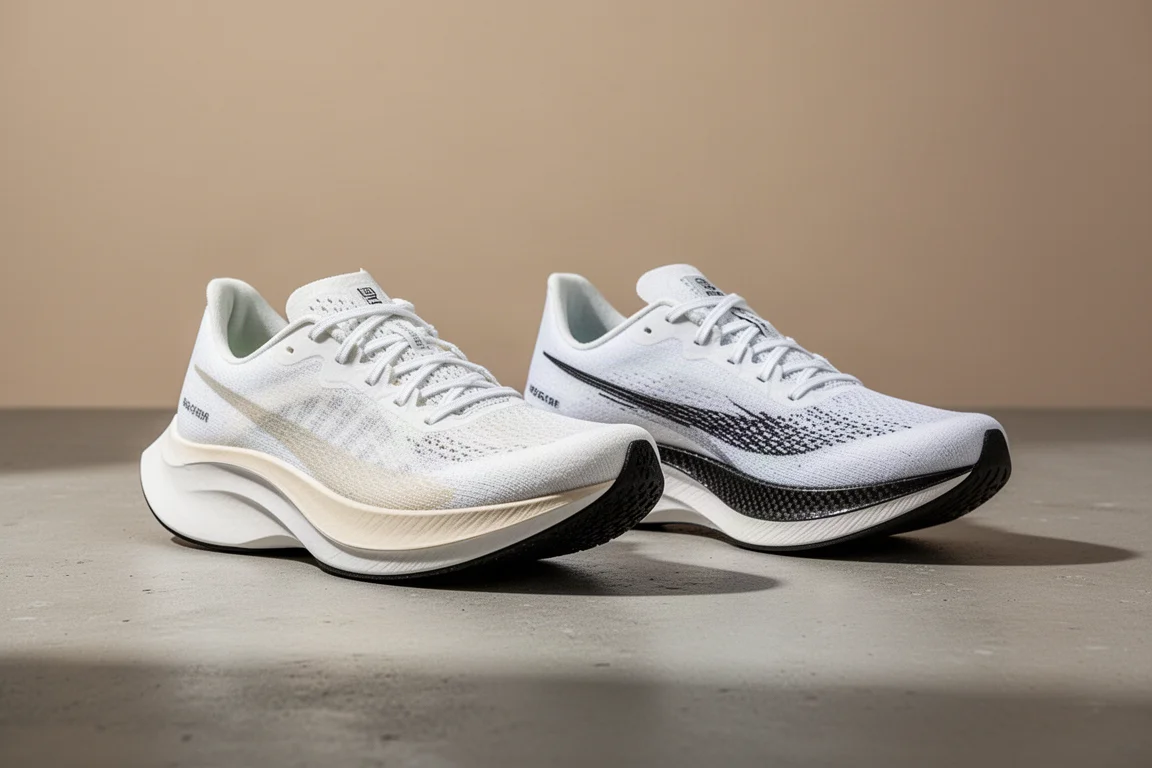
Some versus comparisons are close calls. This is not one of them. The Saucony Endorphin Elite 2 and the Nike Vaporfly 4 are two complete race shoes built on completely different ideas, and choosing between them comes down to knowing what kind of ride you actually want.
The Endorphin Elite 2 is the softer, bouncier, more energetic of the two, and it delivers a genuinely unique race day feel. The Vaporfly 4 is leaner, lighter, and more controlled, with a direct, snappy ride that will feel familiar to fans of earlier Vaporfly versions. Both can cover anything up to the marathon, but they reward very different types of runner.
Price, Weight, and Specs
The numbers frame the story nicely. The Saucony Endorphin Elite 2 costs £280 or $290 and weighs 206 g (7.3 oz) for men in a size 8, with an 8 mm drop. The Nike Vaporfly 4 costs £239.99 or $270 and weighs just 171 g (6 oz) in a men’s size 8, with a 6 mm drop.
That means Nike has built a shoe that is around 35 g lighter with a lower drop, while Saucony leans into a taller, softer platform. The price gap is also worth noting: the Elite 2 sits at a meaningful premium over the Vaporfly 4.
Saucony Endorphin Elite 2 at a Glance
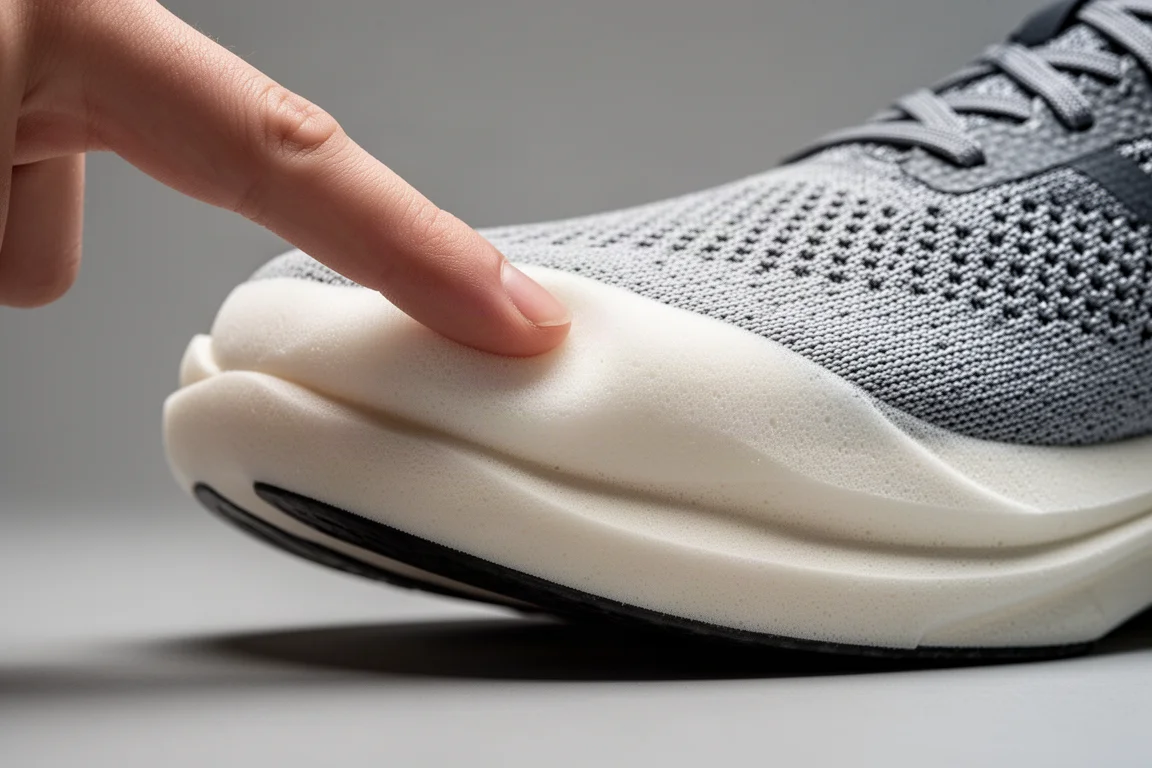
The Endorphin Elite 2 is almost unrecognizable compared to the original model. It uses IncrediRun foam, a next-generation super foam designed for high energy return with a lightweight, cushioned and extremely soft feel. A full-length slotted carbon fiber plate works with the Speedroll rocker to support smooth transitions and forward momentum.
The upper is a featherweight knit and mesh material that provides breathability and a secure fit, backed by a fairly generous layer of outsole rubber for grip and durability. In practice, this is a shoe at the extreme end of soft, comfortable, and bouncy. Walking in it, you mostly feel the squish; running in it, the bounce arrives and the shoe rewards hard, purposeful running with excellent energy return.
Nike Vaporfly 4 at a Glance
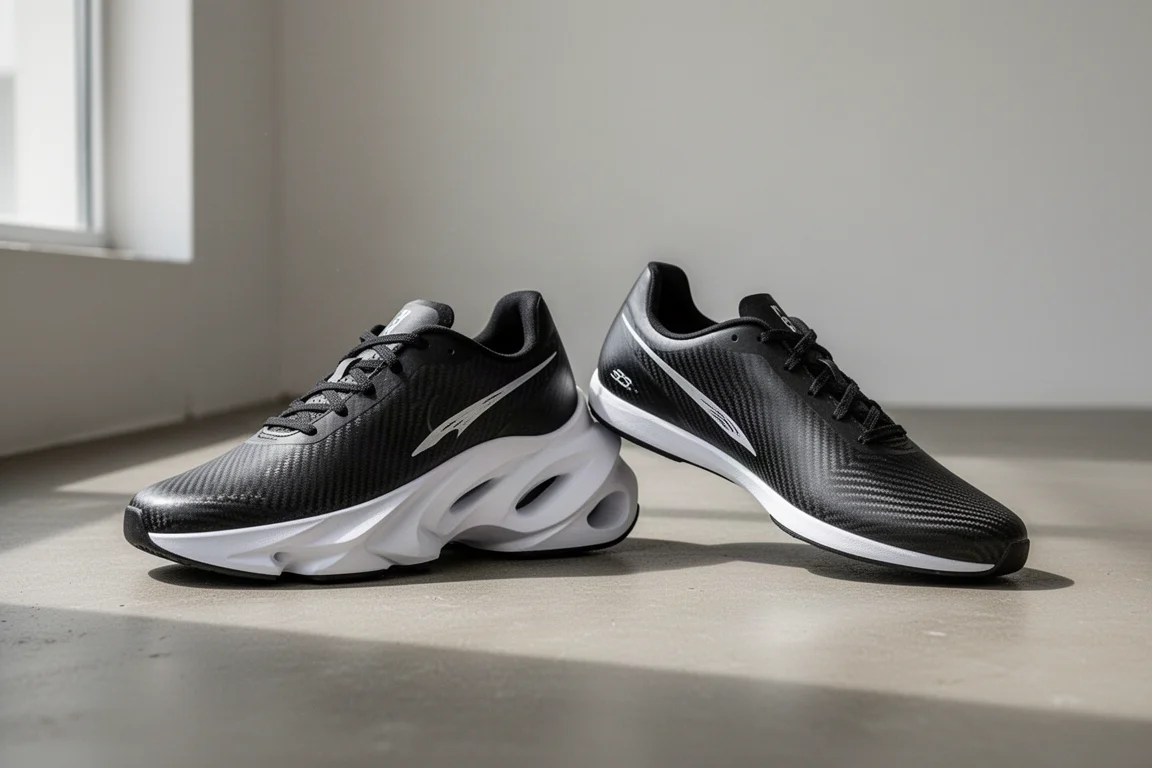
Nike focused the fourth version of one of the world’s most popular race shoes on producing a noticeably lighter shoe than its predecessors. That was achieved by trimming the outsole and midsole and modifying the upper, removing around 5 mm of stack height compared to the Vaporfly 3.
The ZoomX foam used is lighter than the previous version, and the carbon fiber plate is positioned at a higher angle than in the Vaporfly 3, which works alongside the lower heel-to-toe drop to improve propulsion. The upper is a lightweight engineered mesh with a new reduced-size heel and tongue, and the outsole features a thinner layer of rubber across the length of the shoe. If you found the Vaporfly 3 too mushy, the 4 steps back toward a snappier, more ground-feel shoe.
Fit and Sizing
Both testers stayed true to size in their respective shoes, so sizing across the two is broadly straightforward.
In the Endorphin Elite 2, there is enough length in the toe box and good clearance across the top of the big toes. The toe box has some structure to it, keeping the upper away from your toes, which means no black toenail worries even over long distances. The integrated tongue wraps and holds well, with excellent lockdown across the top of the foot. The main caveat: the shoe comes up somewhat tight, narrow, and squished around the little toe on the outer edge, which only becomes a worry on the longest runs. If you have wide feet or like room for your toes to splay, look closely at sizing.
The Vaporfly 4 balances hold and flex nicely. The uppers wrap the foot but move with it, giving a race-hugging fit that never feels cramped. For a complete race shoe that is so small and lean, it is surprisingly roomy, with plenty of space for the big toe and fourth toe, and some give in the midfoot for average-width feet. One note from testing: ignoring the lacing led to some heel slipping, fixed simply by lacing down more precisely.
On the Run: Saucony Endorphin Elite 2
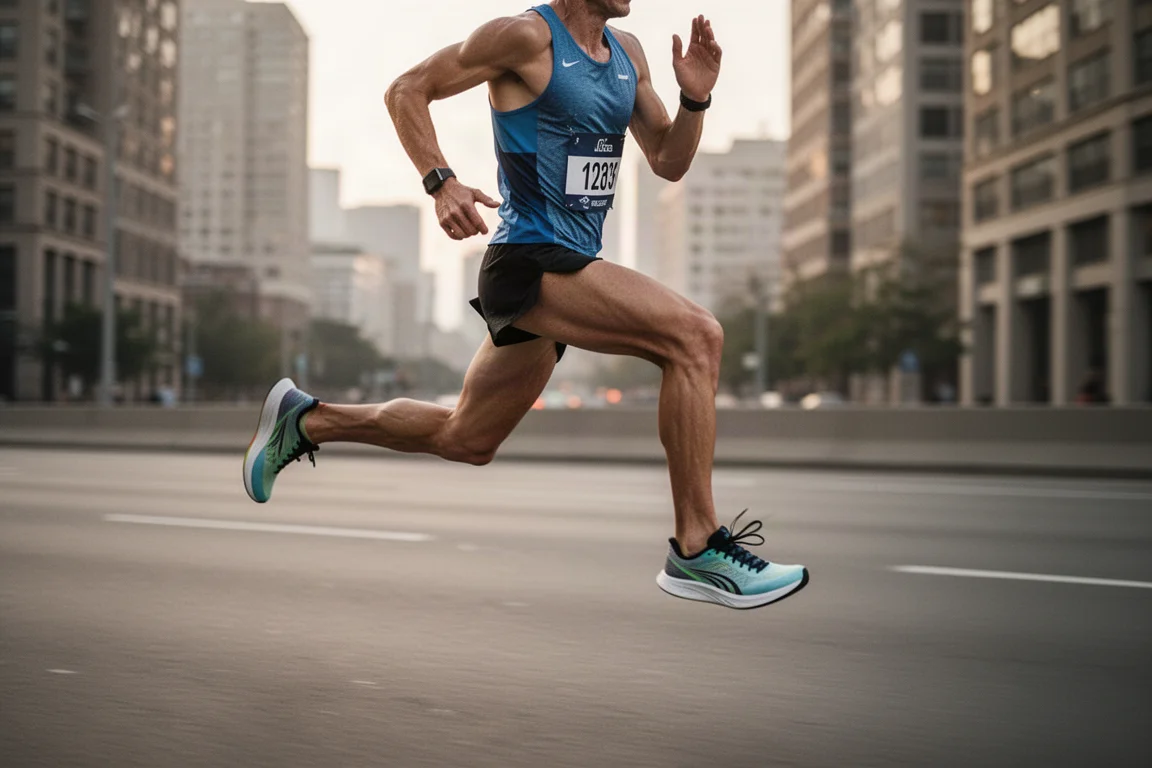
With more than 40 miles in the shoe across the pace range, including 90-minute marathon training runs and an all-out 5:50 minute mile, the Endorphin Elite 2 proves itself a capable, fast, PR-chasing shoe. It delivers when you are running fast with good form and working the high-rebound forefoot stack with purpose. It would happily be laced up for a half or full marathon in the right conditions, and it sits among the top carbon race shoes in testing.
The warning is real, though. Some runners will struggle with how soft the IncrediRun foam is, and the big squish means the shoe lacks a lot of stability. It is quite a wild shoe, and depending on how you strike, landings can lack reliability at times. There is also a slight disconnect between forefoot and heel because of the midsole structure, which mid-to-forefoot strikers may not notice but heel strikers or flatter landers might. When you are fresh and moving well, the shoe is on your team; when tired, on uneven surfaces, or on a twisty course, that lack of control can present problems.
For shorter races like 5Ks, 10Ks and parkruns, it is absolutely fine even though it does not feel nimble on the foot. It feels like a chunky shoe, but it does not slow you down, and some of the fastest times were recorded in it. Where it truly belongs is the half marathon and marathon, where comfort, bounce, and ride longevity matter. The one downside for a full marathon: the bouncy, squishy foam can become taxing later in the race because of the lost control.
On the Run: Nike Vaporfly 4
The Vaporfly 4 sits at the opposite end of the spectrum. Testing included an all-out 10 miler that produced a new PB at that distance, plus slower short runs to see how the shoe behaves when form falls apart. The landings and transitions feel reliable and smooth, with energy but without the wildness of the Saucony.
The shoe is nimble, lightweight, and feels quick on acceleration. The sweet spot for most runners is anything up to the half marathon. For longer efforts, it gets more limiting: the reduced stack and narrower feel mean less cushion and support for the final miles of a 4-hour-plus marathon, and many runners would be better off reaching for something with a bit more cushion for that distance. Seasoned or elite club runners could certainly get away with 26.2 in it, but softer-shoed runners will not get much bounce here.
If you like earlier versions of the Vaporfly and found the 3 too soft, the 4 is a welcome return to snappier ground feel. It is lighter, more minimal, and closer to the ground, with added firmness and snap that echoes the original Vaporfly. For short, fast efforts like a one-mile race, it feels spot on: light on the feet and quick to accelerate.
Durability and Outsoles
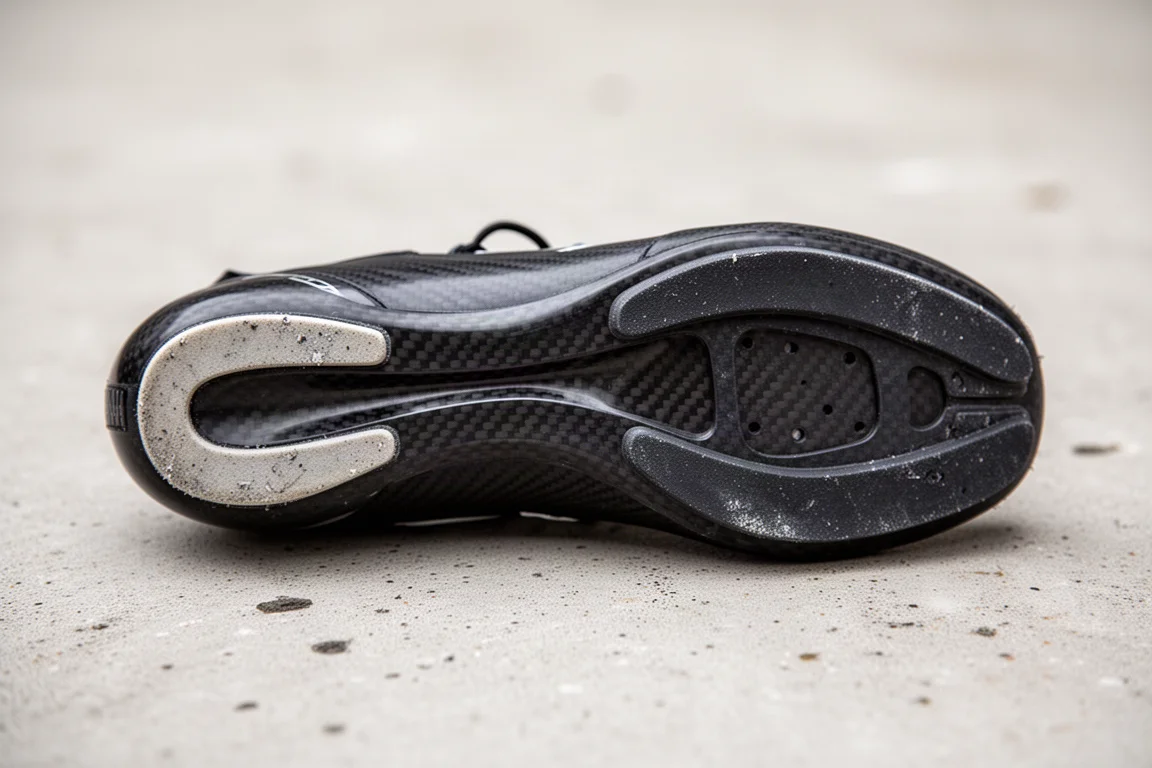
The Endorphin Elite 2 has a pretty good forefoot outsole with a thick layer of rubber, though it is not particularly tacky. The concern is at the back, where visible wear is starting to show. Combined with a delicate midsole foam, once that rubber wears through, durability of the midsole becomes a real issue. Applying a protective adhesive like Shoe Goo is a sensible precaution.
The Vaporfly 4’s forefoot outsole is very good, with a thick rubber layer covering the whole front that feels sturdy. The two rubber sections at the back have held up far better than the Vaporfly 3, where rubber tore off within 5K for one supinating tester. There is some wear on the Vaporfly 4’s rear sections, but the rubber quality feels sturdier overall than the Saucony’s.
Which Shoe Should You Buy?
If you want softness and bounce and you want more of it than any other shoe gives you, the Endorphin Elite 2 delivers it. It is the more fun shoe of the two to run in, though it takes taming and lacks stability. For racing a flat, straight-line city marathon on good surfaces while chasing a PB, it is the stronger pick, and despite the higher price it suits more race distances in testing than the Vaporfly 4.
If you prefer a controlled, direct, snappy ride that is lighter and more minimal, the Vaporfly 4 is the more balanced, consistent, and reliable option, and it will feel comfortable and natural on a wider range of runners. Runners who want more bounce in a similarly light package may also want to compare it against alternatives like the Asics Metaspeed Sky Tokyo or the Puma Fast-R 3.
Conclusion
This versus is easy to settle once you know your own preferences. The Saucony Endorphin Elite 2 is the bouncier, more energetic shoe with a unique ride, at the cost of stability and a premium price. The Nike Vaporfly 4 is lighter, snappier, and more controlled, with a half marathon sweet spot for many runners. For this comparison, the Endorphin Elite 2 wins out: it is more enjoyable to run in, works across more race distances, and delivers an experience the Vaporfly 4 simply does not match.
Product link
View more details for Saucony Endorphin Elite 2
This product is mentioned in the review. Check the specifications, options, and compatibility before buying.
View more details for Saucony Endorphin Elite 2Further reading
Related Reviews

Running Shoes
Best Road-to-Trail Running Shoes: Three Versatile Options for Mixed Terrain
A practical guide to three road-to-trail running shoes that handle both pavement and mild trails, with clear strengths and trade-offs for different runner types.

Running Shoes
Best Running Shoes for Achilles Tendonitis: Three Options Explained
Three running shoes with different heel drops and support features designed to help reduce Achilles tendon pain during walking and running.

Running Shoes
Best Running Shoes for Women: Five Top Choices Ranked
A ranked guide to five women's running shoes, from versatile daily trainers to high-performance racing options, with real strengths and trade-offs for each.