Running Shoes
Saucony Endorphin Elite 2 vs Elite 3: Which Super Shoe Deserves Your Money?
Two very different rides under one name: the discounted Elite 2 stays soft at every pace, while the $290 Elite 3 bounces back and rewards speed. Here is which one fits your running.
Introduction
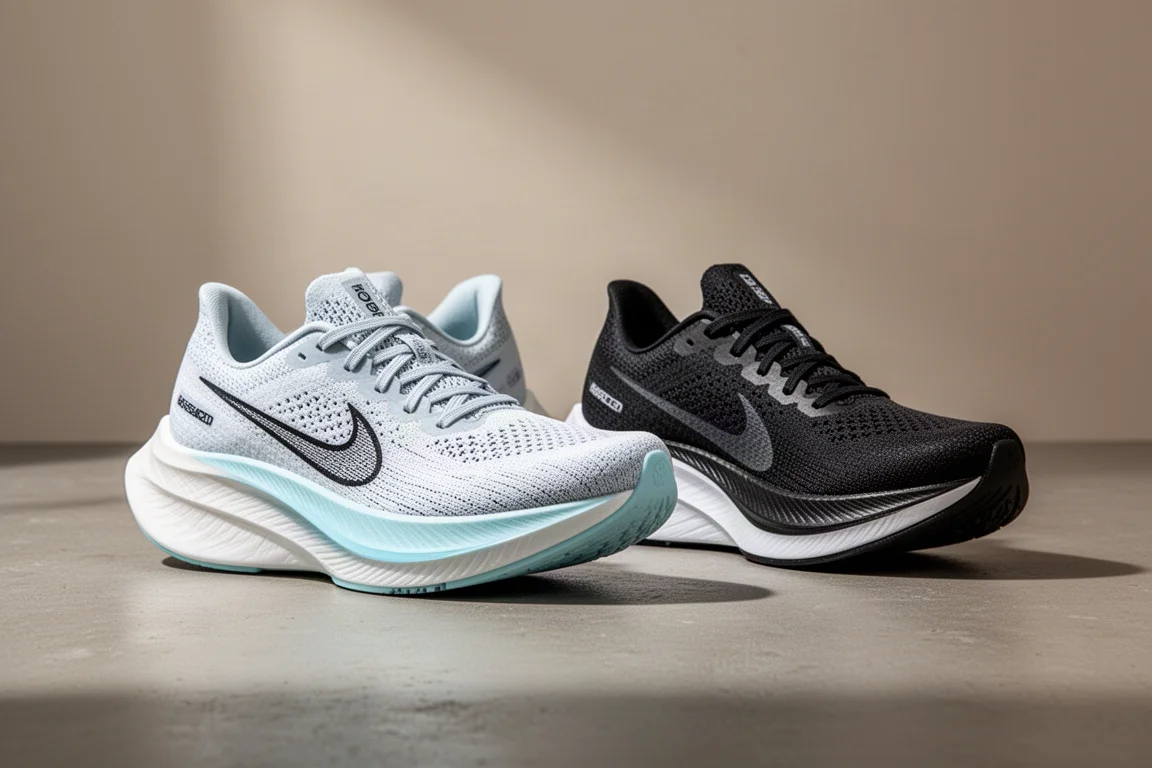
The Endorphin Elite line has been one of the more interesting super shoe series around, and the latest two versions take almost opposite approaches. The Elite 2 is one of the softest racing shoes ever made, comfortable but not particularly fast. The Elite 3 keeps that cloud-like feel but adds genuine responsiveness, especially once the pace picks up. With the Elite 2 now heading into sale territory and the Elite 3 launching at $290, the question is simple: which one is actually worth your money?
The answer depends heavily on your foot shape, your stability needs, and the paces you want to run. Here is how they compare.
Specs and First Impressions
The two shoes are nearly identical on paper. The Elite 2 comes in at 7.8 oz, about 220 g, in a men’s size 10, while the Elite 3 sits at roughly the same weight at about 222 g. Stack heights are effectively the same as well: 40 mm in the heel and 32 mm in the forefoot for an 8 mm drop, with some listings quoting 39.5/31.5, which amounts to the same thing. Measured with calipers, the heel stacks match closely.
Both fit true to size. The real differences show up once you start running, because despite the shared foam family, the two shoes ride very differently.

Ride and Responsiveness: Where They Diverge
The Elite 2 is arguably the softest shoe on the market, and it stays that way at every pace. That sounds great until you want to run fast. At marathon pace it works reasonably well, but pushing to faster efforts is a struggle because the shoe never firms up or gives energy back the way a true racing shoe should. The narrow platform and geometry also make it wobbly underfoot, and it caused sore ankles over 100 miles of testing.
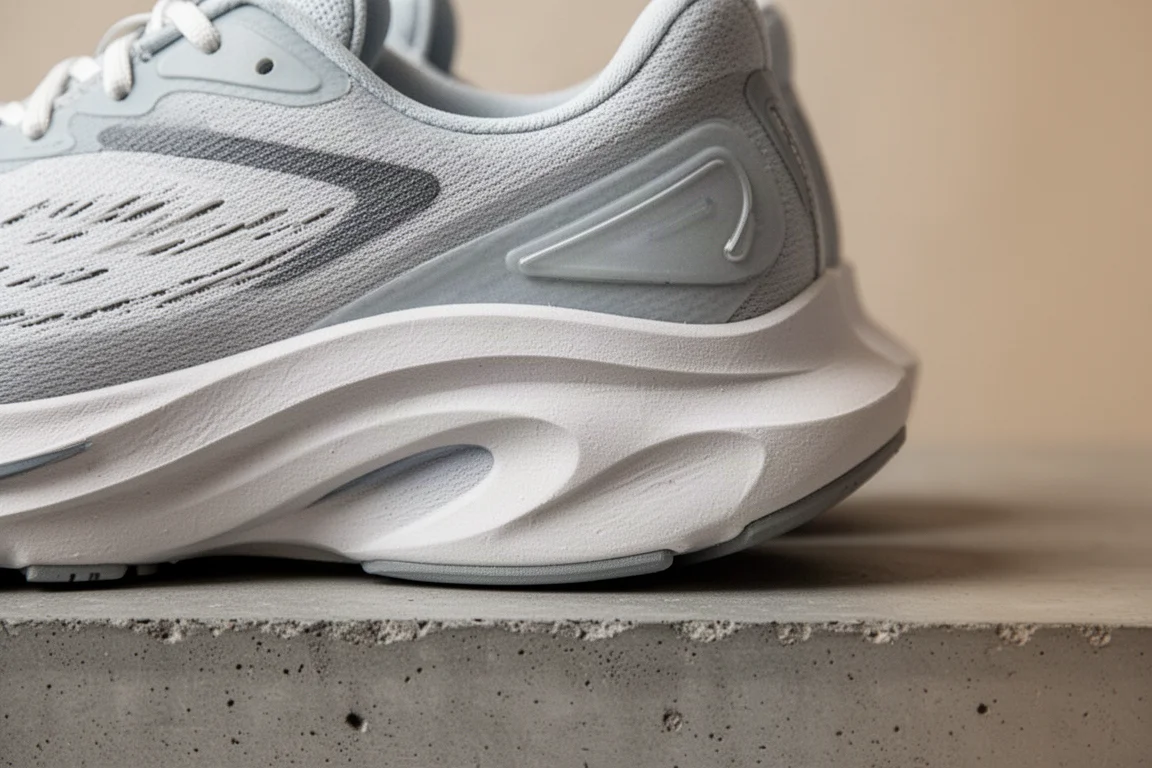
The Elite 3 has two personalities. Run it slowly, around 8 mph or 7:30 pace, and it is soft, bouncy, and comfortable, with a very plush heel and a smooth-rolling forefoot. Pick up the pace and it transforms: the faster you go, the better it responds. It handles 5K pace without issue, something the Elite 2 simply cannot do, and it still cruises comfortably at marathon pace. The forefoot firms up slightly as the plate engages near the toes, which adds a touch of stiffness to the stride, so if you are sensitive to plate feel under the toes, be aware.
Stability is better in the Elite 3 too. Neither is a stability shoe, but taller sidewalls, a midsole with less aggressive cutouts, and added medial flare in the heel and forefoot make the Elite 3 noticeably easier to control. The foam is also a touch firmer while remaining among the softest available, now with two layers of the brand’s top-tier foam and a revised plate design.
Upper and Fit
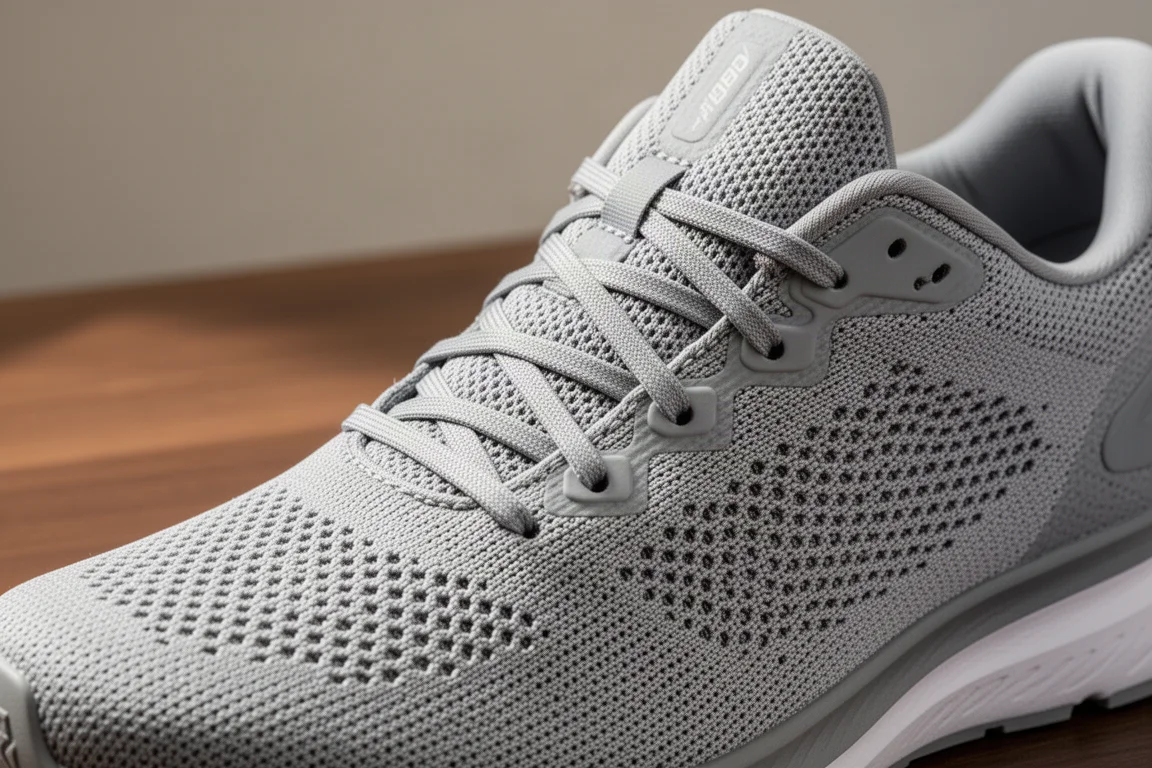
The Elite 2’s upper is stiffer and more structured, with thicker overlays and a rigid toe guard that caused blisters during testing. It offers more width, so normal to slightly wider feet will appreciate the room, and because there is no stretch, lockdown is secure. The flexible ribbed heel design rubbed back and forth on the heel, which some runners will dislike.
The Elite 3 switches to a single-layer mesh upper that is more snug, stretchier, and noticeably more comfortable, echoing the beloved design of the first Elite with no heel counter at all. It was comfortable even during an Achilles flare-up, and the more responsive foam makes the 8 mm drop feel more energetic in practice, since the Elite 2’s deep softness makes it feel like a lower drop.
The trade-off: the Elite 3 is snug and will not suit narrow feet comfortably, and a wide version is unlikely to appear.
Durability and Traction
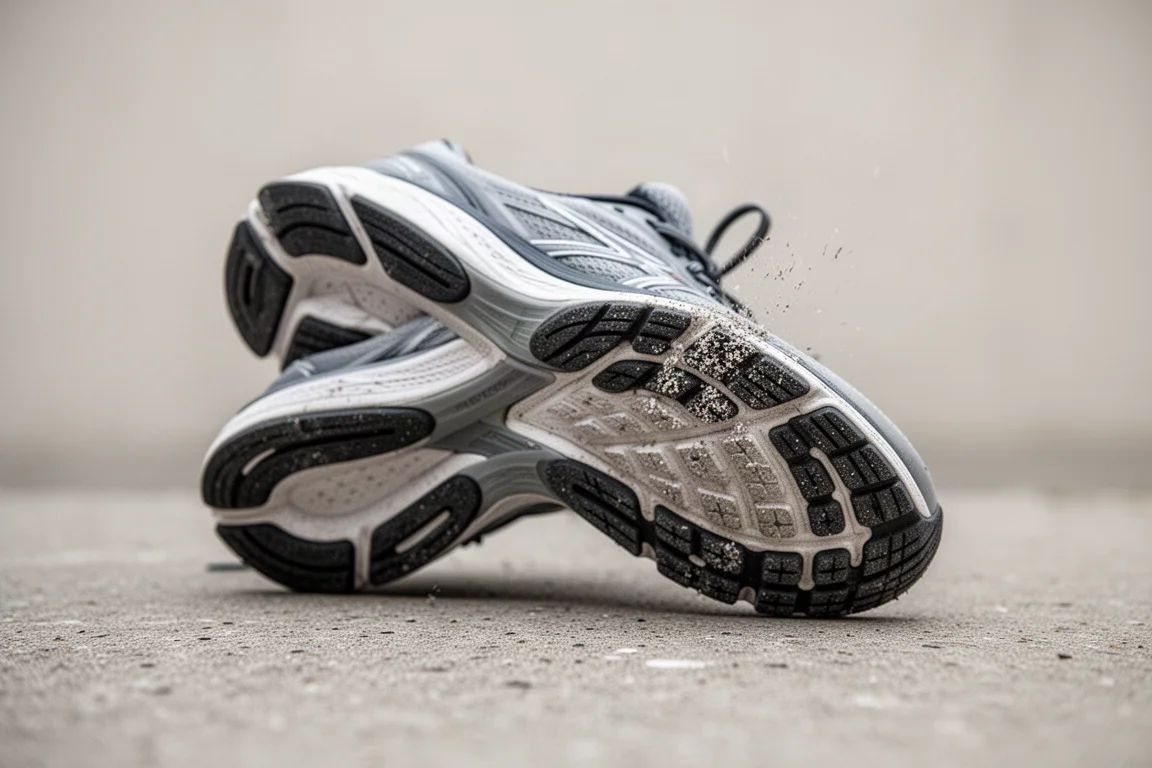
Both shoes have held up well. After 100 miles the Elite 2’s foam has only gotten softer. At 40 miles, run almost exclusively at hard paces, the Elite 3 shows only light outsole wear while the midsole ride remains unchanged: still soft, still bouncy.
Traction is the weak point for both. Outsoles are fine on dry road, but wet-road slippage has been a real issue, so keep that in mind if you train in rainy conditions.
Which One Should You Buy?
If you want an incredibly soft super shoe for longer, more relaxed efforts, need a bit more width, and can live with a less stable platform and a stiffer upper, the now-discounted Elite 2 remains a genuinely good option. It just is not fast.
If you want the softest-and-bounciest combination on the market, real pace versatility from 5K to marathon, a more secure and comfortable upper, and better stability, the Elite 3 is the stronger shoe all around. It is an insane amount of money at $290, but for how it rides, it earns the price more convincingly than the version it replaces.
One more note: the original Endorphin Elite 1 has become genuinely hard to find, so for most buyers the real choice is between these two.
Conclusion
These are very different shoes despite the shared name. The Elite 2 is a plush, relaxed cruiser that sacrifices speed and stability for softness. The Elite 3 balances that softness with bounce, responsiveness, and a better upper, making it the pick for anyone who wants one shoe that can genuinely race. Match the shoe to your feet and your paces, and either can be the right call.
Product link
View more details for Saucony Endorphin Elite 2
This product is mentioned in the review. Check the specifications, options, and compatibility before buying.
View more details for Saucony Endorphin Elite 2Further reading
Related Reviews

Running Shoes
Best Road-to-Trail Running Shoes: Three Versatile Options for Mixed Terrain
A practical guide to three road-to-trail running shoes that handle both pavement and mild trails, with clear strengths and trade-offs for different runner types.

Running Shoes
Best Running Shoes for Achilles Tendonitis: Three Options Explained
Three running shoes with different heel drops and support features designed to help reduce Achilles tendon pain during walking and running.

Running Shoes
Best Running Shoes for Women: Five Top Choices Ranked
A ranked guide to five women's running shoes, from versatile daily trainers to high-performance racing options, with real strengths and trade-offs for each.