Running Shoes
Saucony Endorphin Elite 2 vs Endorphin Elite 1: Which Racer Should You Buy?
Two carbon-fiber super shoes with very different personalities. Here's how the softer, bouncier Elite 2 stacks up against the snappier Elite 1 for racing, stability, and fit.
Introduction
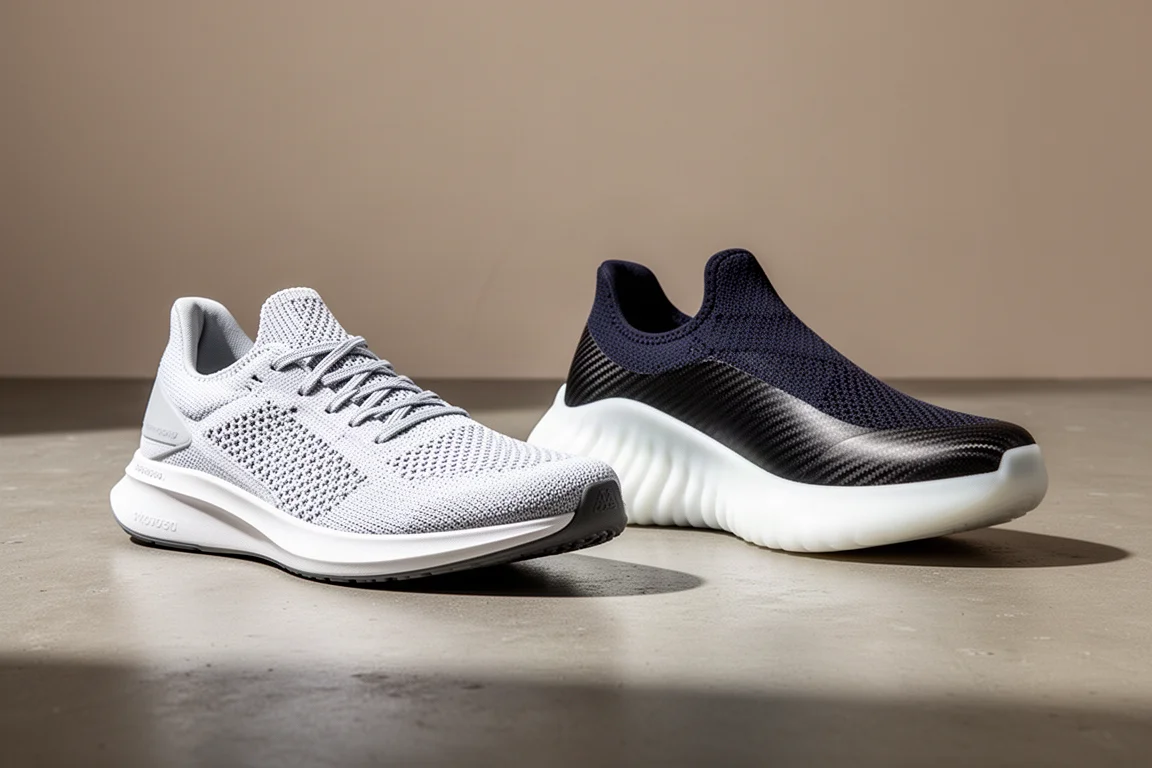
The Saucony Endorphin Elite 2 and Endorphin Elite 1 are almost opposites, and that makes this comparison unusually interesting. Both are max-cushion carbon racers with the same stack height, but the way they deliver propulsion feels completely different. If you geek out over super shoes, or you already own version one and are wondering whether to buy another pair or upgrade, this breakdown should help you decide.
Specs and Ride Feel
Measured in a men’s size 10, the Endorphin Elite 1 comes in at about 7.6 oz (roughly 216g), while the Elite 2 is a hair heavier at about 7.7 oz (roughly 220g). The stack heights are nominally identical: 39.5mm in the heel, 31.5mm in the forefoot, for an 8mm drop.
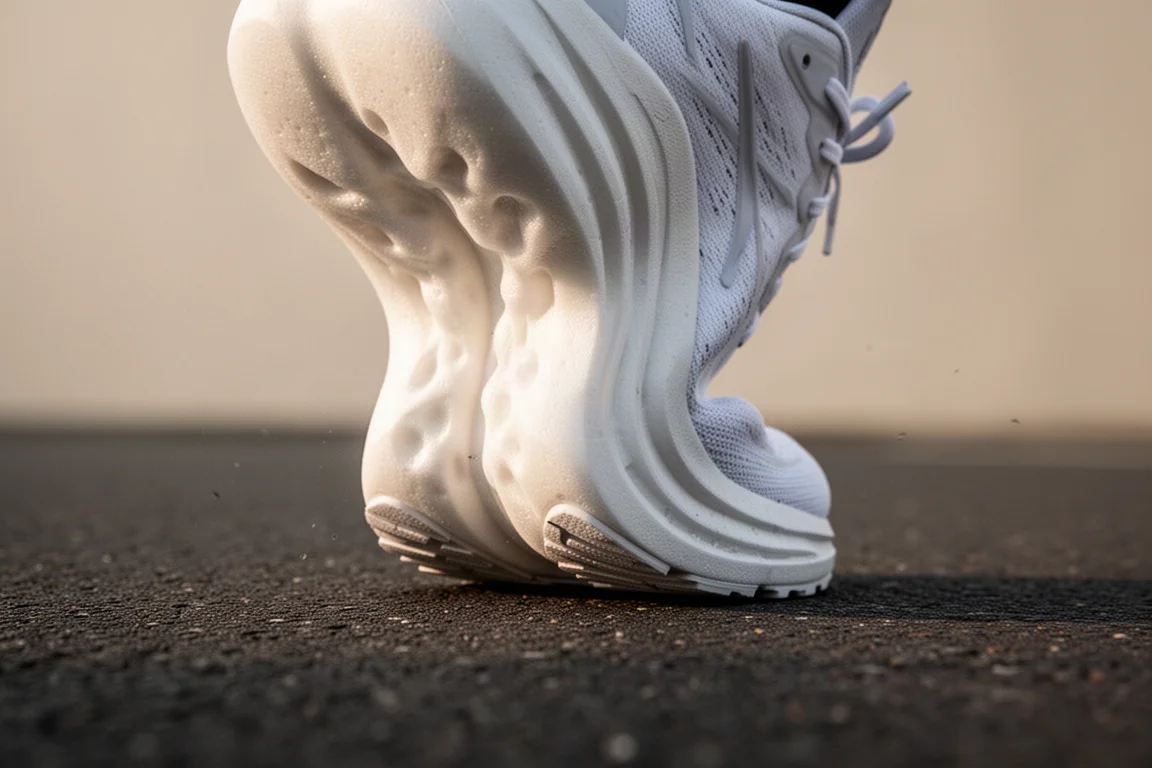
Despite the same numbers on paper, version two feels much lower because the foam is dramatically softer. The Elite 1 uses PWRRUN HD foam, which felt fairly firm and snappy for how much cushioning it carries. The Elite 2’s foam is the softest and bounciest material of its kind, delivering propulsion more from sheer bounce than from the plate-driven snap that defined version one.
Racing Use Cases: Which Distance Fits Which Shoe
The Elite 1 shines in short races, tempo runs, and shorter intervals, where that snappy turnover really pays off. It has also handled an up-tempo 14-mile long run well, so it can extend beyond short distances if you enjoy the firmer ride.
The Elite 2 is a different tool. On the track, in 400 and 800m repeats, the foam simply does not respond as quickly as a firmer, more aggressive setup. On tempo runs, though, it shines, and the bounce works better the longer you go. For runners with very neutral mechanics who want the most cushioned, bounciest long-distance racer available, the Elite 2 makes a compelling case for half marathon and above.

Stability, Durability, and Traction
The Elite 2’s bounciness makes it genuinely unstable. The midfoot sole is a little narrow, and even though there are sidewalls, the foam is so soft they tend to collapse. Turning is not much fun, and longer efforts beyond about 7 or 8 miles become difficult. The Elite 1, with its firmer ride and more prominent sidewalls, is the clear winner for anyone with even mild stability needs, and it has been taken comfortably up to 14 or 15 miles.
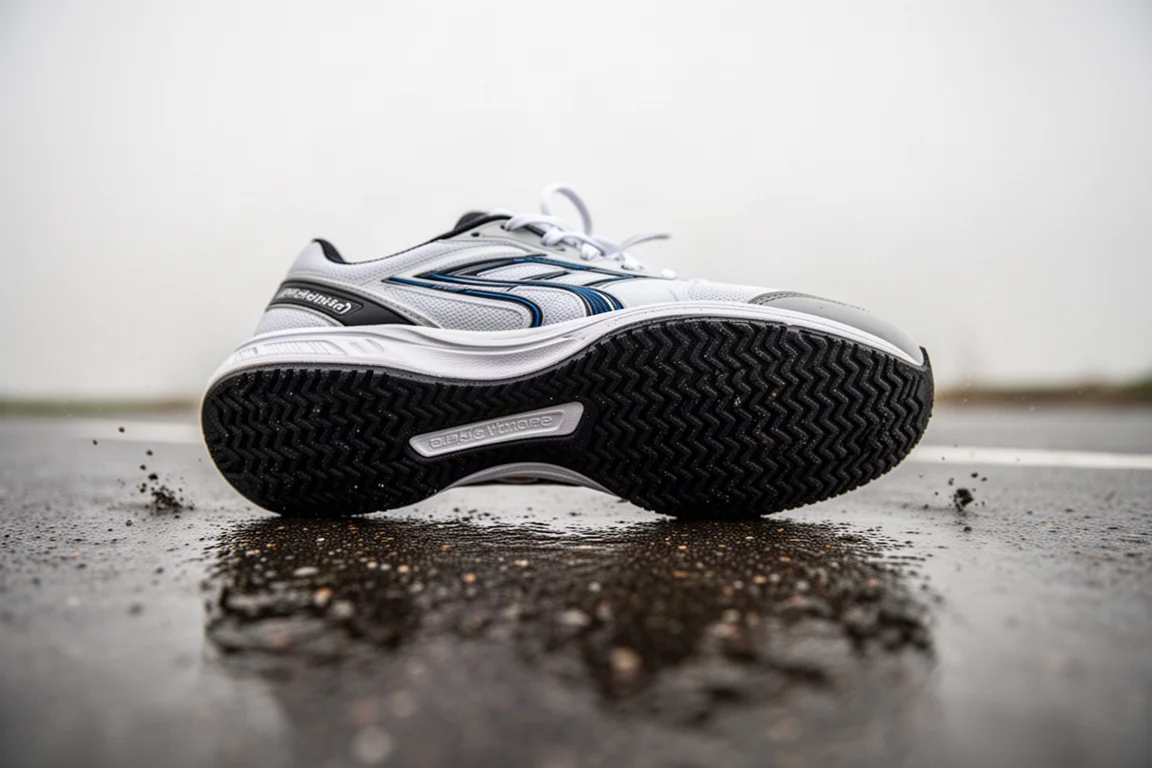
Durability is a small bright spot for the Elite 2: the outsole is slightly thicker, so with 20 miles logged there is no visible wear, whereas the Elite 1 started showing wear around the 50-mile mark. Traction is essentially the same in both, and both struggle on slippery surfaces. Stick to dry, non-technical roads with either shoe.
Upper, Fit, and Lockdown
The Elite 1 has a low-volume but fairly wide upper, which makes the toe box comfortable for wider feet. The Elite 2 gets more snug: the forefoot narrows up thanks to a firm toe guard, but the midfoot opens up slightly thanks to a one-piece upper with a little more volume, which is great if you have a fuller midfoot. Runners who cinch the laces down should make sure the tongue sits flat so it does not fold on itself.
The heel counter is very flexible on the Elite 2, which could make it one of the best racing shoes on the market for heel-sensitive runners, since it wraps well without a rigid counter. Lock the heel down with the extra loop provided for lace-locking, a feature carried over from version one.
Which One Should You Buy
If you have stability needs, want a firmer and snappier ride, or do a lot of shorter races, the Elite 1 is still the safer pick, and it remains the choice for racing in this pairing unless your mechanics are exceptionally neutral. If you want the bounciest ride on the market, have solidly neutral mechanics, and race longer distances, the Elite 2 is worth a serious look. Trying it is worth it for the ride alone, just be honest about whether your mechanics can handle the wobble.
Conclusion
These two shoes are near-perfect opposites: the Elite 1 is firm, snappy, and more forgiving on stability, while the Elite 2 is ultra-soft, bouncy, and better suited to longer racing for runners with neutral mechanics. Matching the shoe to your gait and your race distance is the whole decision.
Product link
View more details for Saucony Endorphin Elite 2
This product is mentioned in the review. Check the specifications, options, and compatibility before buying.
View more details for Saucony Endorphin Elite 2Further reading
Related Reviews

Running Shoes
Best Road-to-Trail Running Shoes: Three Versatile Options for Mixed Terrain
A practical guide to three road-to-trail running shoes that handle both pavement and mild trails, with clear strengths and trade-offs for different runner types.

Running Shoes
Best Running Shoes for Achilles Tendonitis: Three Options Explained
Three running shoes with different heel drops and support features designed to help reduce Achilles tendon pain during walking and running.

Running Shoes
Best Running Shoes for Women: Five Top Choices Ranked
A ranked guide to five women's running shoes, from versatile daily trainers to high-performance racing options, with real strengths and trade-offs for each.